Ever looked at your favorite comic book hero and wondered how they achieved that incredible physique? While superpowers are off the table, achieving a superhero-esque body is absolutely within reach through dedicated training, strategic nutrition, and unwavering discipline. It's not about overnight transformations, but about building a foundation of strength, muscle, and overall health. This journey requires commitment and understanding of the key principles of bodybuilding and athletic conditioning.
This guide will provide you with a comprehensive roadmap, covering everything from setting realistic goals to designing an effective workout routine and mastering your diet. We'll delve into the science behind muscle growth, the importance of recovery, and the mental fortitude required to push yourself to your limits. Get ready to embark on a transformative journey, and unlock the hero within!
Remember, consistency is paramount. This isn't a sprint; it's a marathon. Stay focused, stay dedicated, and you'll be amazed at what you can achieve.
Step 1: Define Your Superhero Goal
Before you even touch a dumbbell, it's crucial to define your specific goals. What does a "superhero physique" mean to *you*? Are you aiming for the hulking mass of the Hulk, the lean agility of Black Widow, or something in between? Be realistic and base your goals on your current body composition, genetics, and lifestyle. Setting achievable milestones is essential to stay motivated and track progress. Do you want to gain muscle mass (bulk), lose fat (cut), or a combination of both (recomp)? Write down your specific, measurable, achievable, relevant, and time-bound (SMART) goals.

Step 2: Craft a Strategic Workout Plan
A well-structured workout plan is the cornerstone of any successful physique transformation. Your plan should incorporate a combination of resistance training (weightlifting), cardiovascular exercise (cardio), and flexibility training (stretching). Resistance training is key for building muscle mass and strength. Focus on compound exercises like squats, deadlifts, bench presses, and overhead presses, as these work multiple muscle groups simultaneously, maximizing efficiency. Cardio helps you burn calories, improve cardiovascular health, and enhance endurance. Include exercises like running, swimming, or cycling. Flexibility training, such as yoga or stretching, improves range of motion, prevents injuries, and enhances overall performance.
Step 3: Master Progressive Overload
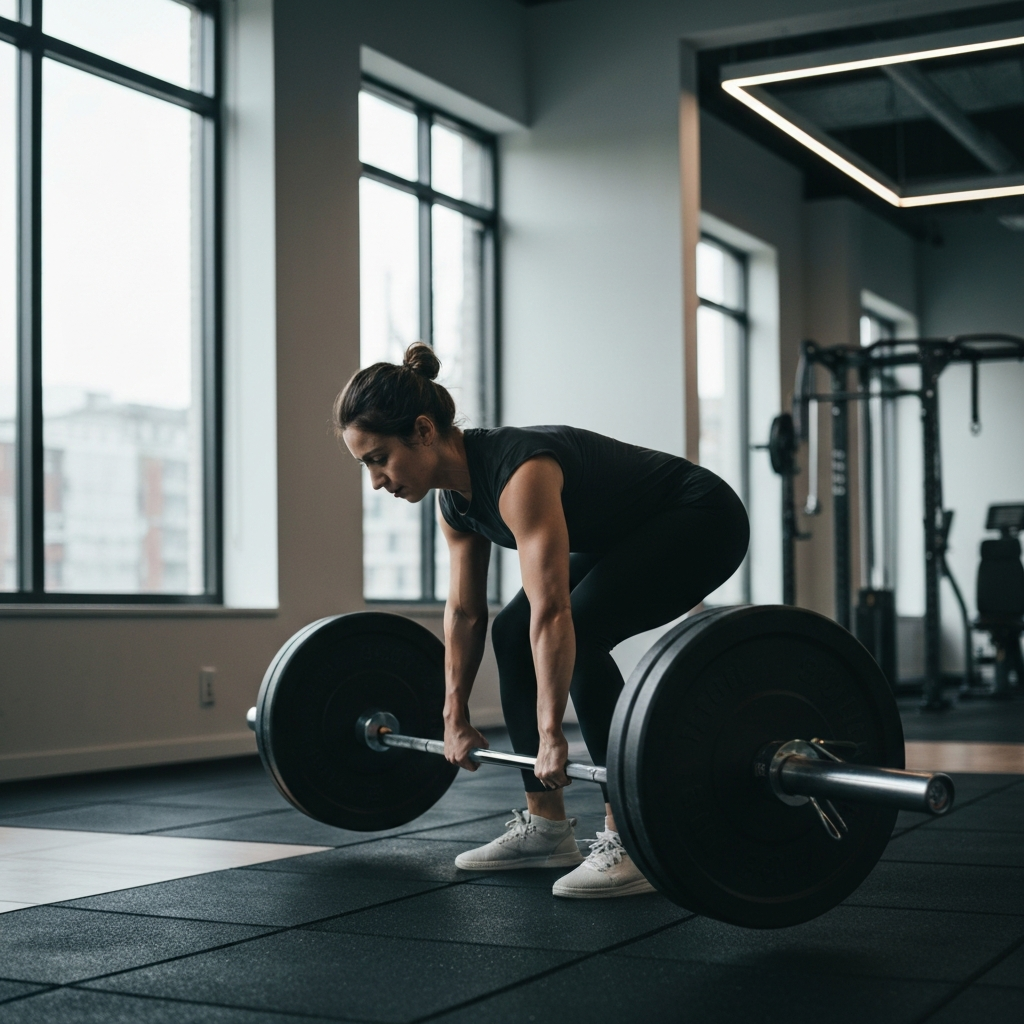
Progressive overload is the gradual increase of stress placed upon the body during exercise. This can be achieved by increasing the weight, repetitions, or sets over time. This principle is fundamental to muscle growth and strength gains. If you consistently lift the same weight, your body will adapt, and you'll plateau. Track your workouts meticulously, noting the weight, reps, and sets you perform. Aim to increase the weight or reps each week, even if it's just by a small amount. Listen to your body and don't push yourself too hard, especially when starting out. Proper form is always more important than lifting heavy weight.
Step 4: Fuel Your Body with Superhero Nutrition
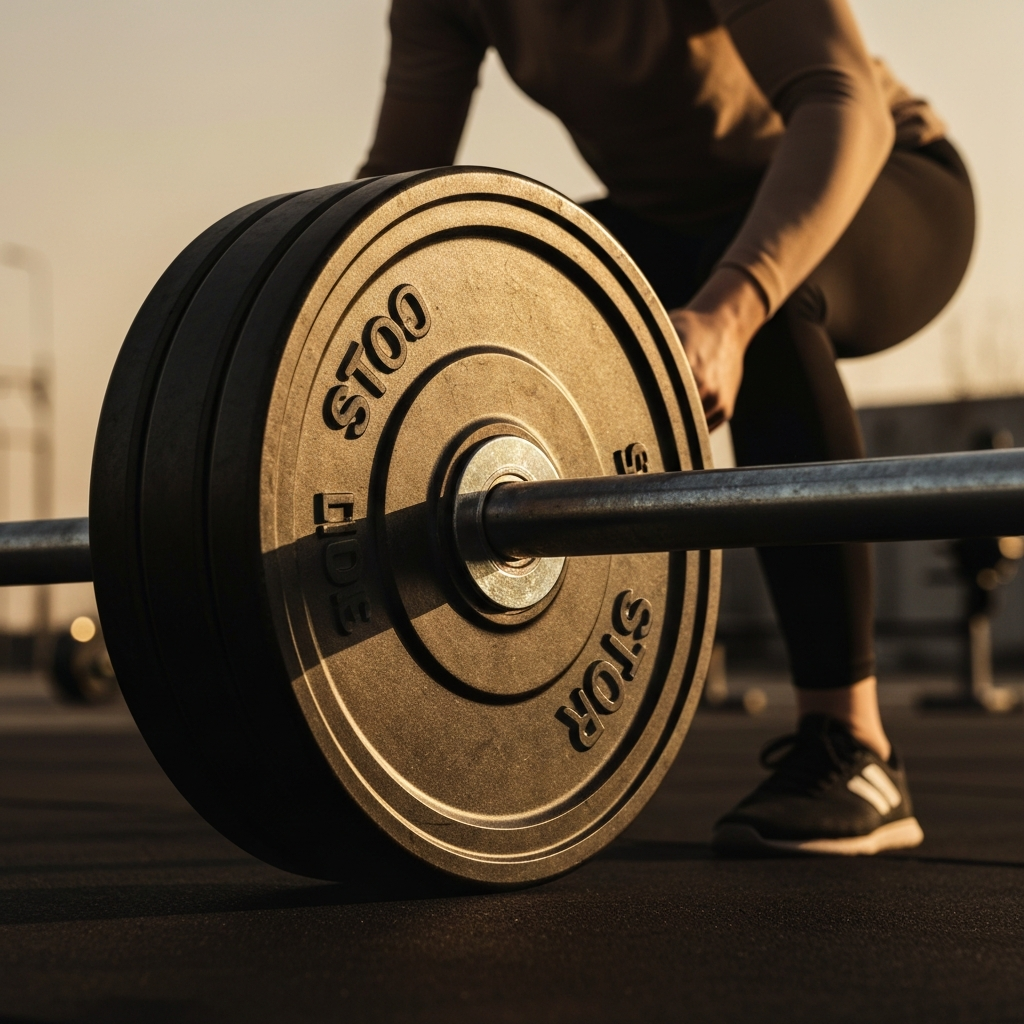
You can't out-train a bad diet. Nutrition plays a crucial role in shaping your physique. Focus on consuming a balanced diet rich in protein, carbohydrates, and healthy fats. Protein is essential for muscle repair and growth. Aim for 1 gram of protein per pound of bodyweight per day. Carbohydrates provide energy for your workouts and help replenish glycogen stores. Choose complex carbohydrates like whole grains, fruits, and vegetables. Healthy fats are important for hormone production and overall health. Include sources like avocados, nuts, and olive oil. Calculate your daily caloric needs based on your activity level and goals (bulking, cutting, or recomping).

Step 5: Prioritize Rest and Recovery
Muscle growth and repair occur during rest. Aim for 7-9 hours of quality sleep each night. Sleep deprivation can negatively impact hormone levels, impair recovery, and increase the risk of injury. Incorporate rest days into your workout routine. Don't train the same muscle groups every day. Allow your body adequate time to recover between workouts. Consider active recovery activities like light stretching or yoga on your rest days. Manage stress through techniques like meditation or deep breathing.

Step 6: Supplement Wisely (If Necessary)
Supplements can be helpful, but they are not a substitute for a healthy diet and proper training. The most effective supplements for muscle growth and performance include creatine, protein powder, and caffeine. Creatine enhances strength and power output. Protein powder helps you meet your daily protein needs. Caffeine can improve focus and energy levels during workouts. Always consult with a healthcare professional or registered dietitian before taking any supplements, especially if you have any underlying health conditions. Be wary of products promising miraculous results, as they are often ineffective and may even be harmful.

Tools or Materials Required
- Weightlifting equipment (dumbbells, barbells, weight plates, squat rack, bench)
- Cardio equipment (treadmill, stationary bike, elliptical)
- Resistance bands
- Yoga mat
- Workout clothing and shoes
- Food scale and measuring cups
- Notebook and pen (or workout tracking app)
Common Mistakes to Avoid
- Overtraining (not allowing adequate rest and recovery)
- Using improper form (leading to injuries)
- Neglecting nutrition (eating too few calories or not enough protein)
- Comparing yourself to others (focus on your own progress)
- Giving up too easily (consistency is key)
Safety Considerations
Before starting any new exercise program, it's essential to consult with a healthcare professional, especially if you have any underlying health conditions. Proper form is crucial to prevent injuries. Start with lighter weights and gradually increase the weight as you get stronger. Use a spotter when lifting heavy weights. Warm up before each workout and cool down afterward. Stay hydrated by drinking plenty of water throughout the day.
FAQ Section
Q: How long will it take to see results?
A: Results vary depending on your genetics, training intensity, nutrition, and consistency. You can typically expect to see noticeable changes within 8-12 weeks of consistent training and proper nutrition.
Q: How many days a week should I work out?
A: A good starting point is 3-4 days per week, focusing on different muscle groups each day. Allow at least one day of rest between workouts for each muscle group.
Q: Do I need to join a gym?
A: While a gym provides access to a wider range of equipment, you can still achieve significant results with home workouts using bodyweight exercises and resistance bands.
Q: What if I hit a plateau?
A: Plateaus are a normal part of the process. Try changing your workout routine, adjusting your diet, or taking a deload week to allow your body to recover.
Conclusion
Sculpting a superhero physique is a challenging but rewarding journey. It requires a combination of strategic training, meticulous nutrition, and unwavering commitment. Remember to set realistic goals, prioritize proper form, listen to your body, and stay consistent. With dedication and perseverance, you can unlock your inner superhero and achieve the physique you've always dreamed of. This is not about genetics alone, it is about relentless improvement of your lifestyle habits. Good luck!