Unlocking your body's natural fat-burning potential isn't about restrictive diets or endless hours at the gym. It's about understanding the intricate mechanisms that govern how your body uses energy. By strategically influencing these processes, you can effectively "hack" your metabolism and shift your body into a fat-burning state. This guide provides practical, evidence-based strategies to optimize your metabolism and achieve sustainable fat loss.
The key lies in understanding that your body constantly chooses between burning carbohydrates and burning fat for fuel. We aim to promote a metabolic environment where fat becomes the preferred source. This involves a multifaceted approach, combining dietary adjustments, lifestyle modifications, and targeted exercise strategies. Get ready to learn how to flip the switch and unlock your body's innate fat-burning capabilities.
This isn't a quick fix; it's a long-term strategy for sustainable results. Prepare to make consistent changes, and in return, you'll experience improved energy levels, better body composition, and a healthier relationship with food.
Step 1: Prioritize Protein Intake
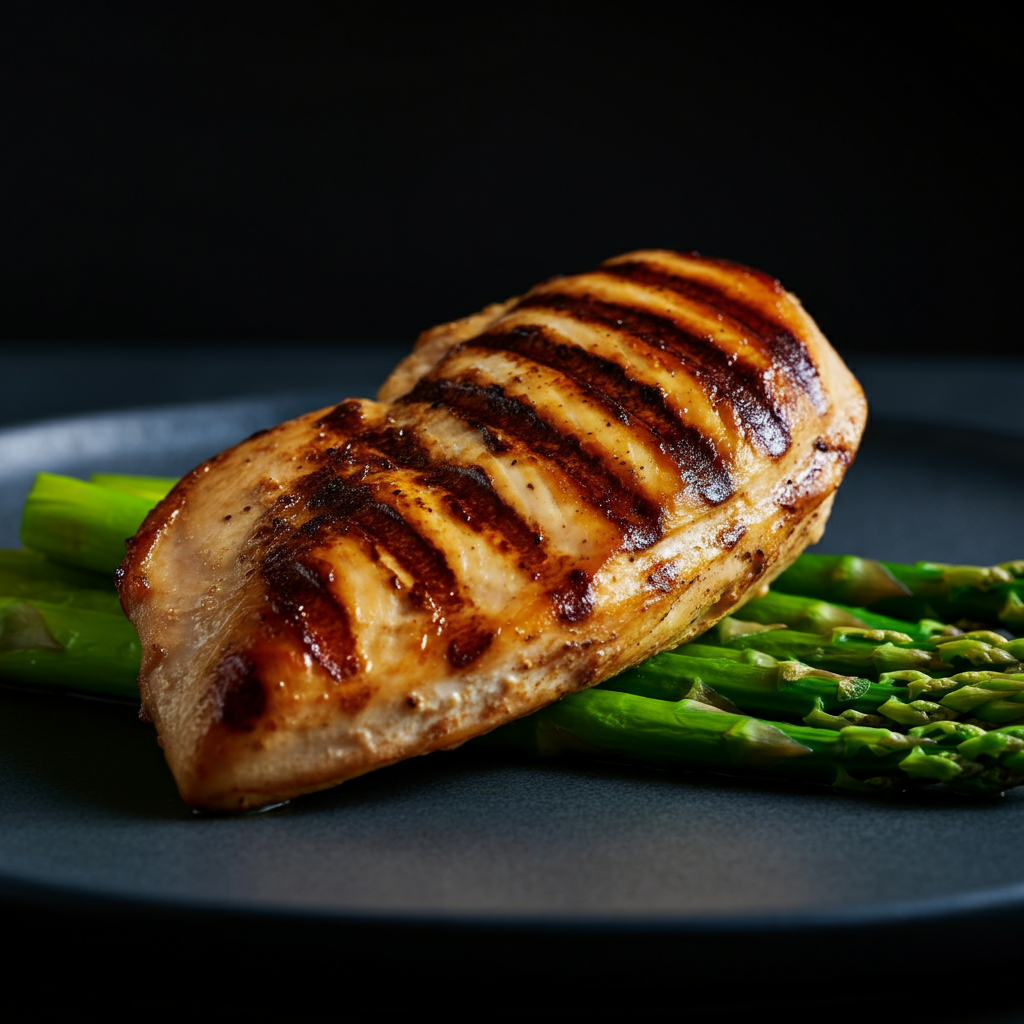
Protein is crucial for building and maintaining muscle mass, which is metabolically active tissue. The more muscle you have, the more calories you burn at rest. Aim for 0.8-1 gram of protein per pound of body weight daily. This not only supports muscle growth but also helps you feel fuller for longer, reducing the likelihood of overeating. Distribute your protein intake evenly throughout the day to maximize its benefits. Examples of excellent protein sources include lean meats, poultry, fish, eggs, dairy products (if tolerated), legumes, and protein supplements.
Step 2: Embrace Healthy Fats
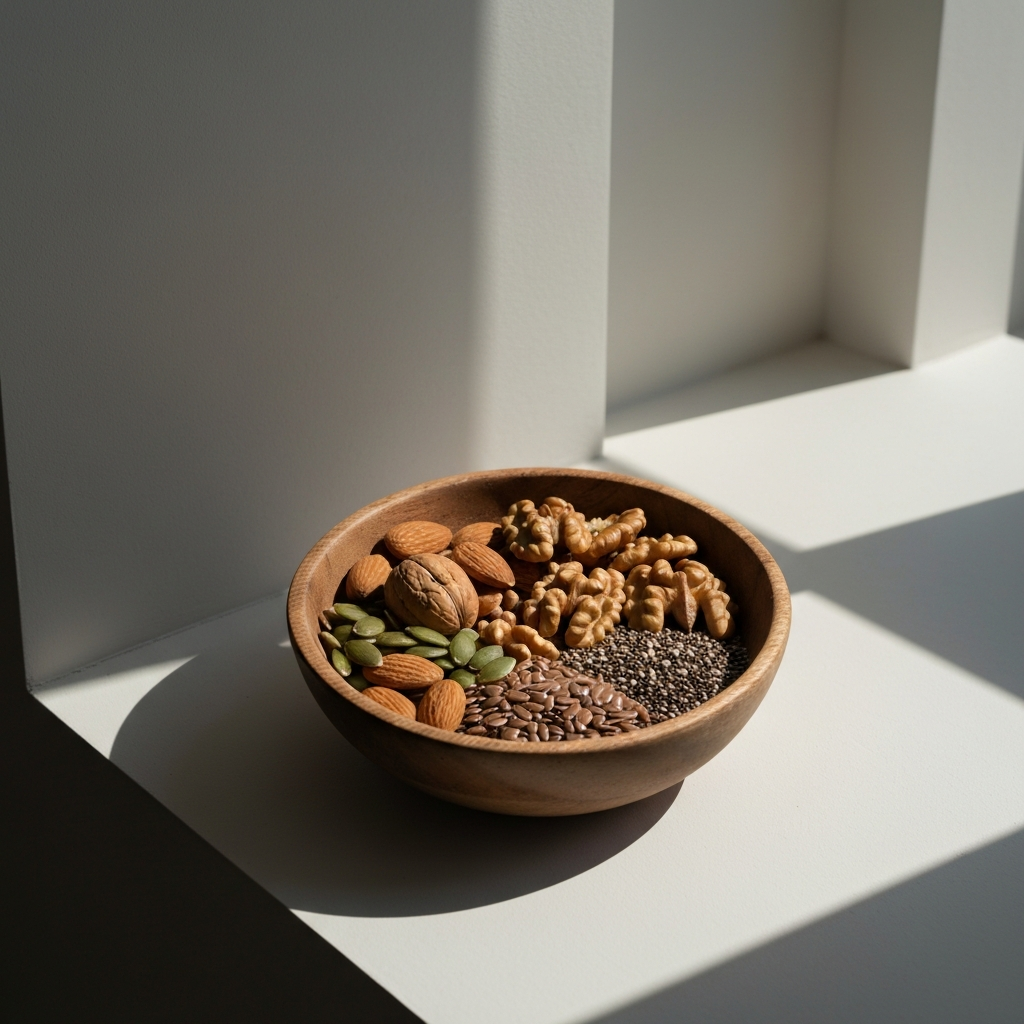
For years, fat was demonized, but we now know that healthy fats are essential for hormone production, cell function, and nutrient absorption. Incorporating sources of monounsaturated and polyunsaturated fats, such as avocados, nuts, seeds, olive oil, and fatty fish, can improve insulin sensitivity and promote fat burning. Omega-3 fatty acids, found in fish oil, flaxseeds, and walnuts, have been shown to reduce inflammation and improve metabolic health. Remember, moderation is key; aim for a balanced intake of healthy fats as part of a well-rounded diet.
Step 3: Time Your Carbohydrate Intake Strategically
While carbohydrates are a source of energy, consuming them in excess can hinder fat burning. Implement strategic carbohydrate timing by primarily consuming carbohydrates around your workouts. This allows your body to use the glucose for energy during exercise and replenishes glycogen stores, preventing muscle breakdown. Opt for complex carbohydrates like whole grains, sweet potatoes, and quinoa over refined grains and sugary foods. Consider reducing your carbohydrate intake on rest days to further promote fat oxidation.

Step 4: High-Intensity Interval Training (HIIT)
HIIT involves short bursts of intense exercise followed by brief recovery periods. This type of training is incredibly effective for boosting metabolism and burning fat. HIIT elevates your heart rate and oxygen consumption, leading to an "afterburn effect," where your body continues to burn calories at an elevated rate even after you've finished exercising. Incorporate HIIT workouts into your routine 2-3 times per week, choosing activities like sprinting, cycling, or bodyweight exercises.

Step 5: Prioritize Sleep
Sleep deprivation can wreak havoc on your hormones, increasing cortisol (a stress hormone) and decreasing leptin (a satiety hormone). Aim for 7-9 hours of quality sleep each night to optimize hormone balance, reduce cravings, and improve overall metabolic function. Create a relaxing bedtime routine, avoid screen time before bed, and ensure your sleep environment is dark, quiet, and cool. Even small improvements in sleep can significantly impact your fat-burning potential.

Step 6: Manage Stress
Chronic stress can lead to elevated cortisol levels, which promotes fat storage, particularly in the abdominal area. Implement stress-management techniques such as meditation, yoga, deep breathing exercises, or spending time in nature to lower cortisol and improve metabolic health. Finding healthy ways to cope with stress can significantly contribute to your fat-burning efforts.

Step 7: Support Gut Health
A healthy gut microbiome plays a crucial role in metabolism and nutrient absorption. Consuming probiotic-rich foods like yogurt, kefir, sauerkraut, and kimchi, as well as prebiotic-rich foods like garlic, onions, and asparagus, can support a healthy gut environment. Additionally, consider avoiding processed foods, sugar, and artificial sweeteners, which can disrupt the gut microbiome. Prioritize gut health for optimal metabolic function and overall well-being.

Common Mistakes to Avoid
- Severely Restricting Calories: This can slow down your metabolism and lead to muscle loss.
- Focusing Solely on Cardio: Strength training is crucial for building muscle and boosting metabolism.
- Neglecting Sleep: Lack of sleep can disrupt hormones and increase cravings.
- Ignoring Stress: Chronic stress can lead to fat storage.
- Not Tracking Progress: Monitoring your weight, body measurements, and energy levels can help you stay on track.
FAQ Section
- Q: How long does it take to see results? A: Results vary depending on individual factors, but consistency is key. You should start to notice changes within a few weeks.
- Q: Can I still eat my favorite foods? A: Yes, but moderation is crucial. Focus on making healthy choices most of the time.
- Q: Do I need to take supplements? A: Supplements can be helpful, but they are not essential. Focus on a well-rounded diet first.
In conclusion, "hacking" your body's fat-burning switch involves a holistic approach that combines dietary adjustments, strategic exercise, and lifestyle modifications. By prioritizing protein intake, embracing healthy fats, timing carbohydrate intake strategically, incorporating HIIT, prioritizing sleep, managing stress, and supporting gut health, you can effectively optimize your metabolism and unlock your body's natural fat-burning potential. Remember that consistency is key, and sustainable results are achieved through long-term commitment to these healthy habits.