Embarking on a fitness journey can feel daunting, like climbing a never-ending staircase. Many start with enthusiasm, only to find themselves faltering a few weeks in. The key to achieving lasting results isn't about drastic measures or unsustainable routines; it's about understanding the fundamental principles of fitness and applying them strategically to your own life.
This guide provides a step-by-step approach to hacking your fitness goals, focusing on building sustainable habits and creating a personalized plan that works for you. We'll break down complex concepts into manageable actions, ensuring that you not only reach your desired physique but also develop a healthier and more fulfilling lifestyle. Prepare to redefine your relationship with fitness and unlock your full potential. Forget quick fixes and embrace long-term well-being.
By the end of this guide, you'll have the tools and knowledge to not just start strong, but to maintain your momentum and consistently progress towards your goals. Get ready to transform your approach to fitness, one step at a time.
Step 1: Define Your "Why" - Setting Meaningful Goals
Before diving into exercise routines and meal plans, it's crucial to understand your underlying motivation. What truly drives you to pursue a fitness goal? Is it simply to lose weight, or is it something deeper, like improving your energy levels to play with your kids, reducing your risk of chronic diseases, or boosting your self-confidence? Identifying your "why" provides a powerful anchor during challenging times. When motivation wanes, remembering your deeper reason will help you stay on track.

Step 2: Create SMART Goals - From Vague to Concrete
Once you've identified your "why," it's time to translate that into SMART goals: Specific, Measurable, Achievable, Relevant, and Time-bound. Avoid vague aspirations like "get in shape." Instead, aim for something like "lose 1-2 pounds per week for the next 12 weeks" (Specific, Measurable, Time-bound). Ensure your goals are achievable based on your current fitness level and lifestyle. Relevance connects your goals to your "why," making them more meaningful. Regularly review and adjust your SMART goals as needed.
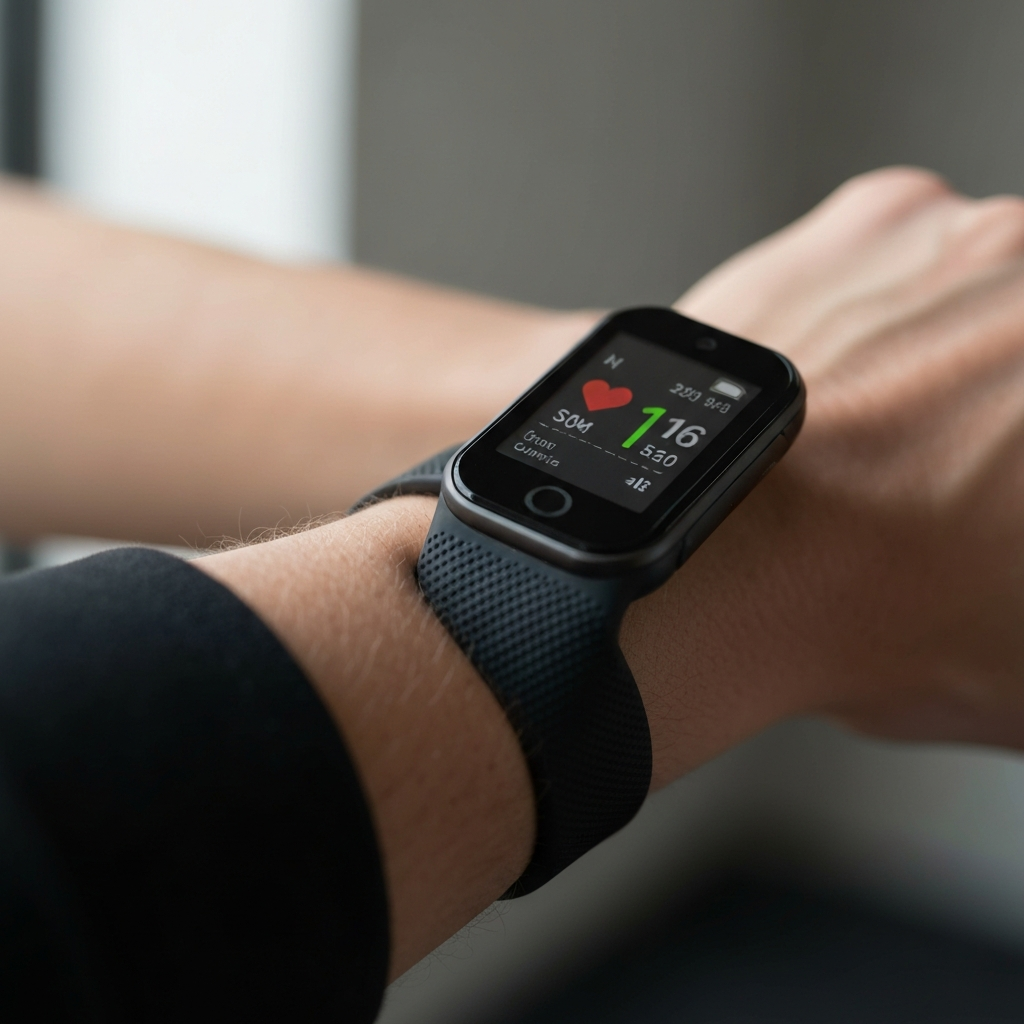
Step 3: Design a Sustainable Workout Routine
Consistency is king when it comes to fitness. Instead of committing to an unrealistic schedule of daily hour-long workouts, start with a manageable routine that you can consistently adhere to. This could be as simple as 30 minutes of exercise, three times a week. Focus on compound exercises like squats, deadlifts, push-ups, and rows, as they engage multiple muscle groups simultaneously. Gradually increase the intensity and duration of your workouts as you get fitter. Listen to your body and prioritize rest and recovery to prevent injury.

Step 4: Fuel Your Body - Nutrition Basics for Beginners
Nutrition plays a vital role in achieving your fitness goals. Focus on consuming a balanced diet rich in whole, unprocessed foods. Prioritize lean protein sources (chicken, fish, beans), complex carbohydrates (whole grains, vegetables), and healthy fats (avocados, nuts, olive oil). Pay attention to portion sizes and calorie intake. Consider tracking your food intake for a few days to gain a better understanding of your eating habits. Stay hydrated by drinking plenty of water throughout the day. Gradual changes are more sustainable than drastic dietary overhauls.

Step 5: Track Your Progress - Monitor and Adjust
Regularly track your progress to stay motivated and identify areas for improvement. This could involve tracking your weight, body measurements, workout performance, or even your mood and energy levels. Use a fitness journal, app, or spreadsheet to record your data. Analyze your progress periodically and adjust your workout routine and nutrition plan as needed. Don't be afraid to experiment and find what works best for you.

Step 6: Prioritize Rest and Recovery
Rest and recovery are just as important as exercise and nutrition. During sleep, your body repairs and rebuilds muscle tissue. Aim for 7-9 hours of quality sleep per night. Incorporate rest days into your workout routine to allow your body to recover. Consider incorporating active recovery activities like stretching or yoga to improve blood flow and reduce muscle soreness. Overtraining can lead to fatigue, injury, and burnout, so prioritize rest and listen to your body's signals.

Step 7: Build a Support System
Surround yourself with supportive friends, family members, or workout buddies who can encourage you and hold you accountable. Consider joining a fitness community or working with a personal trainer. Sharing your goals and progress with others can help you stay motivated and overcome challenges. Having a support system can make the journey much more enjoyable and sustainable.

Common Mistakes to Avoid
- Setting unrealistic goals.
- Starting too hard, too fast.
- Not tracking progress.
- Ignoring rest and recovery.
- Comparing yourself to others.
- Giving up too easily.
Pro Tips
- Prepare your meals in advance to avoid unhealthy impulse decisions.
- Find a workout buddy for accountability and motivation.
- Celebrate your successes, no matter how small.
- Be patient and persistent. Results take time.
- Focus on progress, not perfection.
FAQ Section
Q: How long will it take to see results?
A: Results vary depending on individual factors such as genetics, diet, exercise intensity, and consistency. However, you can expect to see noticeable changes within a few weeks to a few months.
Q: What if I miss a workout?
A: Don't beat yourself up about it. Just get back on track with your next scheduled workout. Consistency is key, but occasional slip-ups are normal.
Q: Do I need to join a gym?
A: No, you can achieve your fitness goals without joining a gym. Bodyweight exercises, running, and other activities can be done at home or outdoors.
Conclusion
Hacking your fitness goals is about creating a sustainable and enjoyable journey, not a temporary sprint. By defining your "why," setting SMART goals, designing a realistic workout routine, fueling your body with nutritious foods, tracking your progress, prioritizing rest and recovery, and building a support system, you can achieve lasting results. Remember to be patient, persistent, and kind to yourself along the way. Your fitness journey is a marathon, not a sprint, so embrace the process and enjoy the ride. Focus on building healthy habits that will last a lifetime.