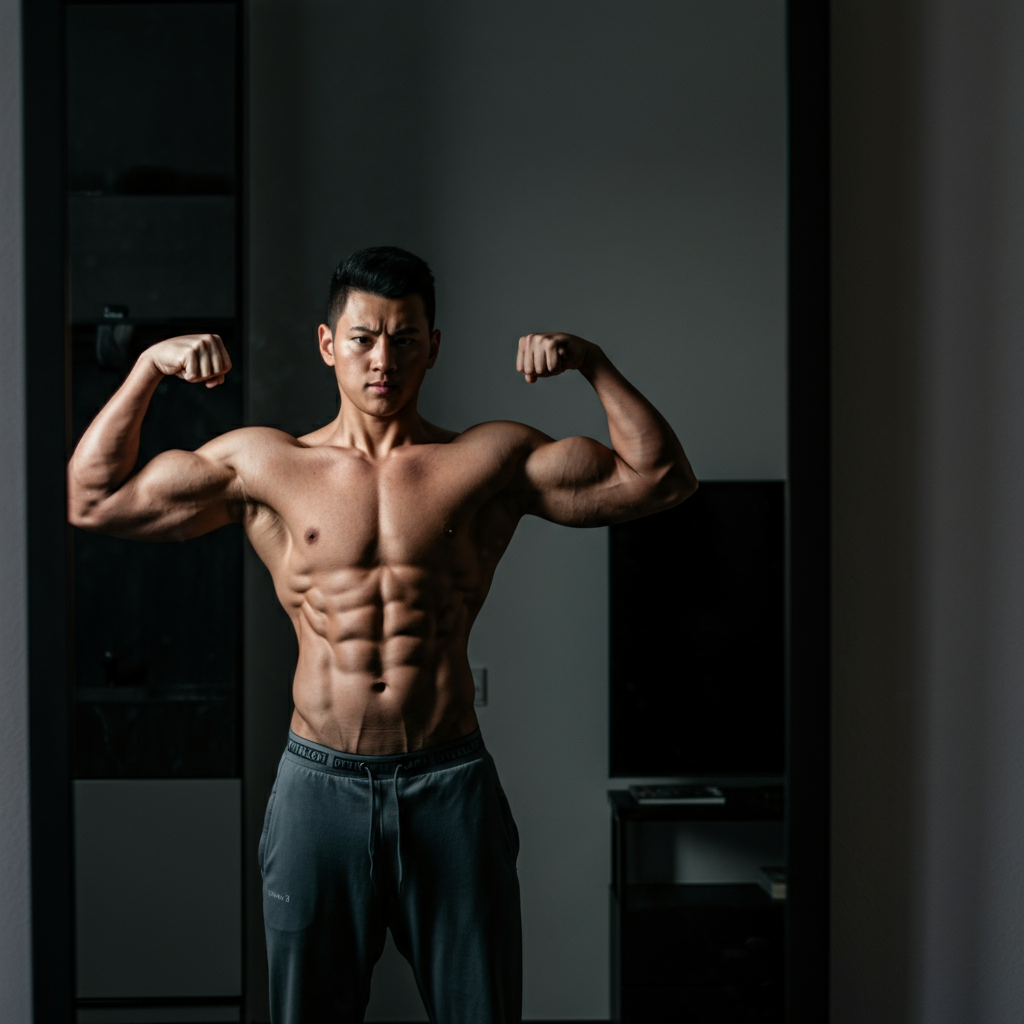
Dreaming of possessing the chiseled physique of your favorite superhero? Forget expensive gym memberships and complicated equipment. A powerful, sculpted body is within reach using the most accessible tool of all: your own bodyweight. This comprehensive guide will provide you with the knowledge and routines needed to transform your body into a lean, strong, and functional powerhouse.
Bodyweight training offers a unique advantage: it's convenient, scalable, and engages multiple muscle groups simultaneously, leading to greater overall strength and athleticism. It's not just about building muscle; it's about developing functional strength and improving your overall body composition. Consistency is key. The superhero transformation requires dedication and a strategic approach.
We'll break down the essential exercises, provide sample routines, and offer expert tips to maximize your results. Get ready to unlock your inner superhero!
Step-by-Step Guide
1. Master the Foundational Movements
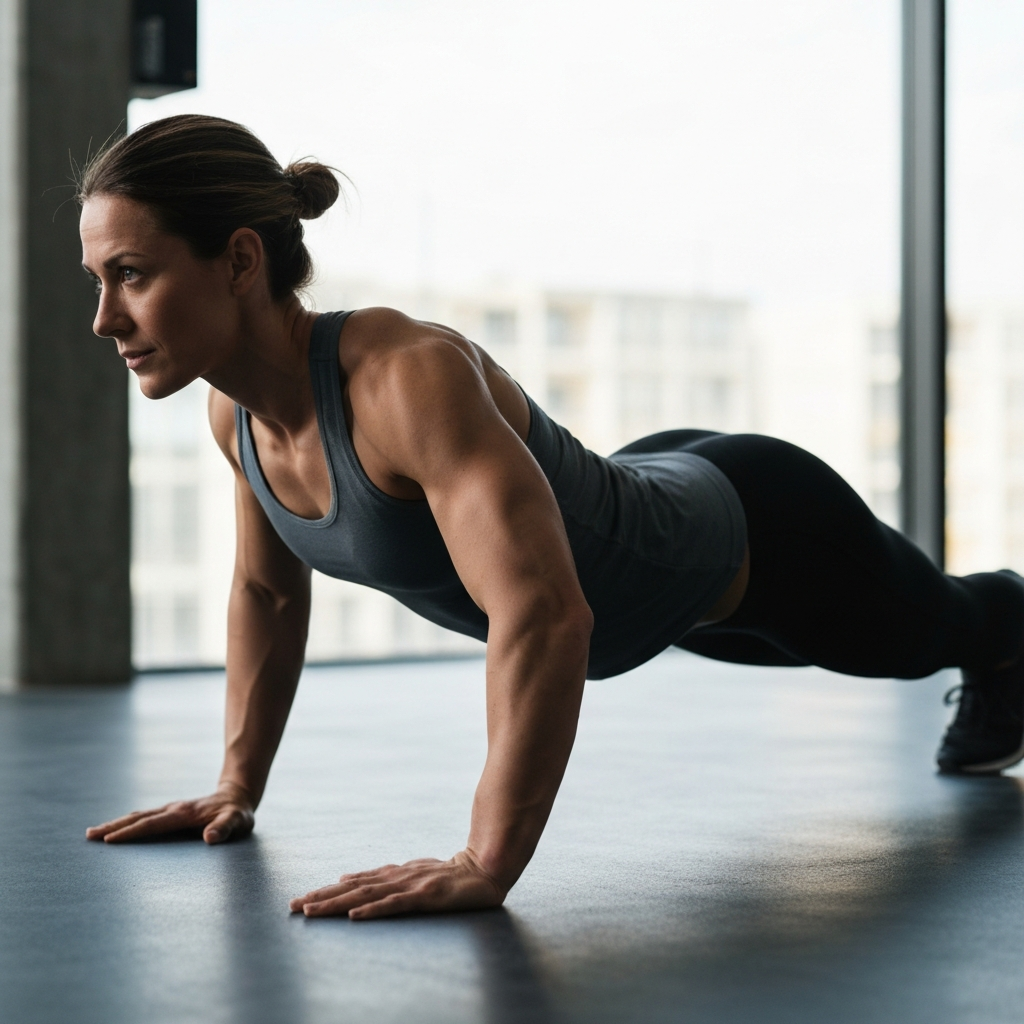
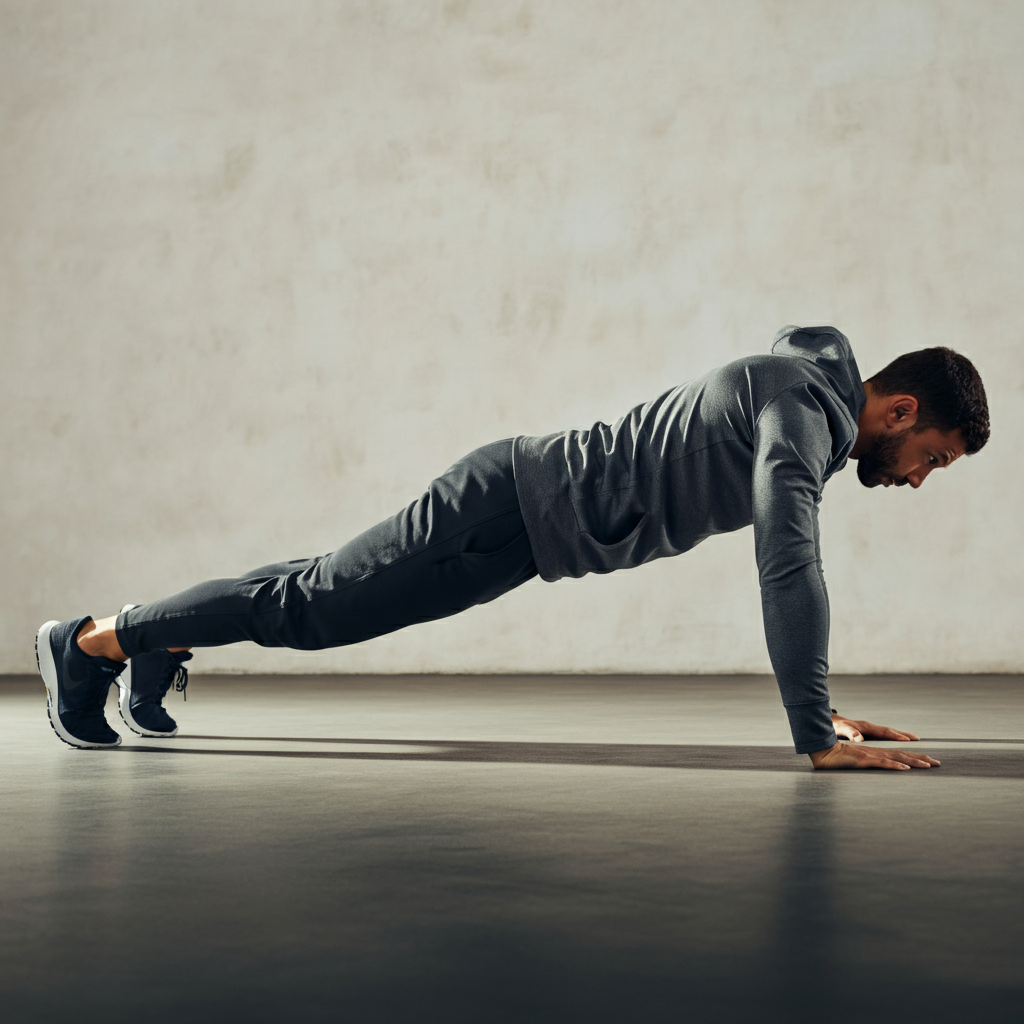
Before attempting advanced variations, you must build a solid foundation with the core bodyweight exercises. These include push-ups, squats, planks, pull-ups (or inverted rows), and lunges. Focus on proper form and controlled movements rather than speed. Aim for a full range of motion in each exercise to maximize muscle engagement and prevent injuries. Perfect your technique; it will pay dividends later.
2. Progressive Overload: The Key to Growth
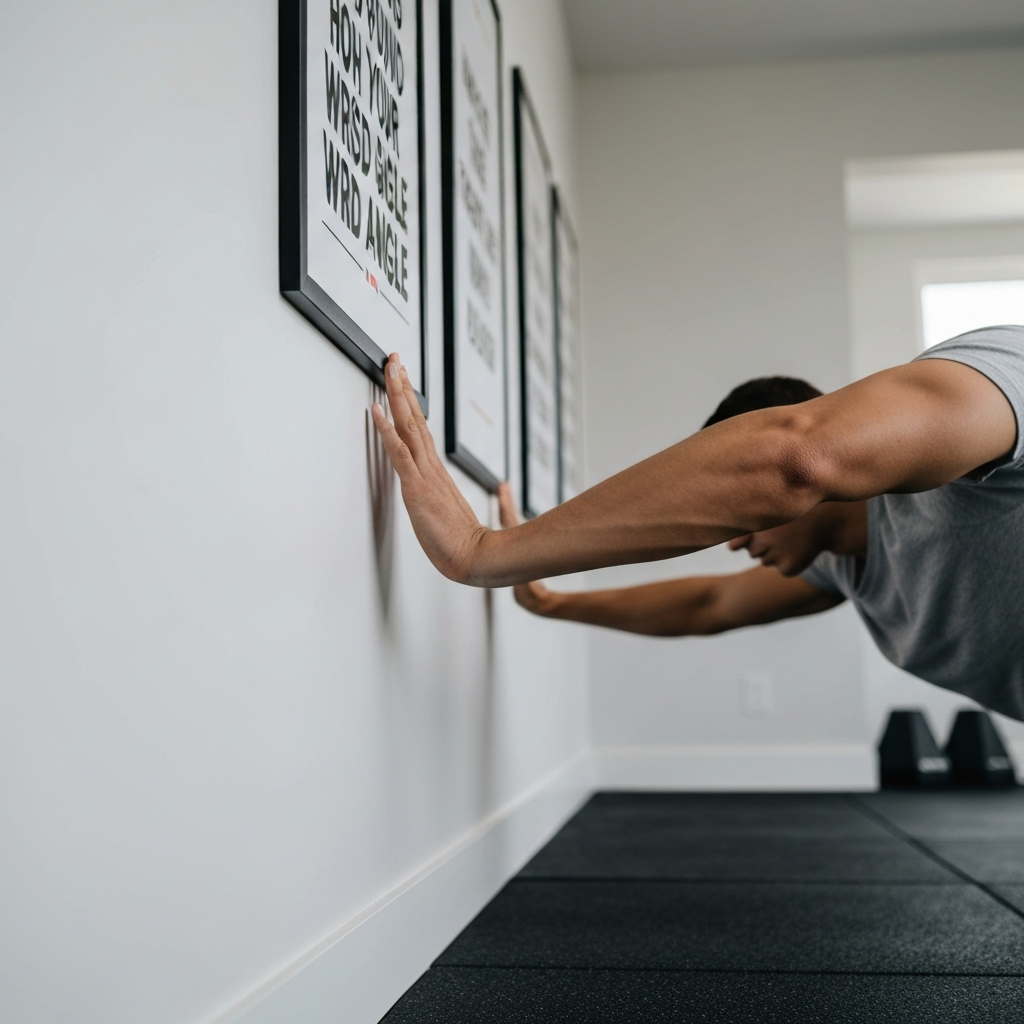
Just like with weightlifting, progressive overload is crucial for stimulating muscle growth with bodyweight training. This involves gradually increasing the difficulty of your exercises over time. You can do this by increasing the number of repetitions, sets, or the difficulty of the exercise variation. For example, once you can easily perform 20 regular push-ups, progress to incline push-ups or decline push-ups to challenge your muscles further. Don't be afraid to experiment with different variations.
3. Implement Strategic Exercise Variations
Bodyweight training offers a wide variety of exercise variations that target different muscle groups and challenge your body in new ways. For your chest, consider diamond push-ups or plyometric push-ups. For your legs, try pistol squats or jump squats. For your back, explore different pull-up grips or single-arm rows using furniture. Experiment with different variations to find what works best for you and keeps your workouts engaging. Targeted variations are essential for achieving balanced muscle development.
4. Structure Your Workouts for Maximum Impact
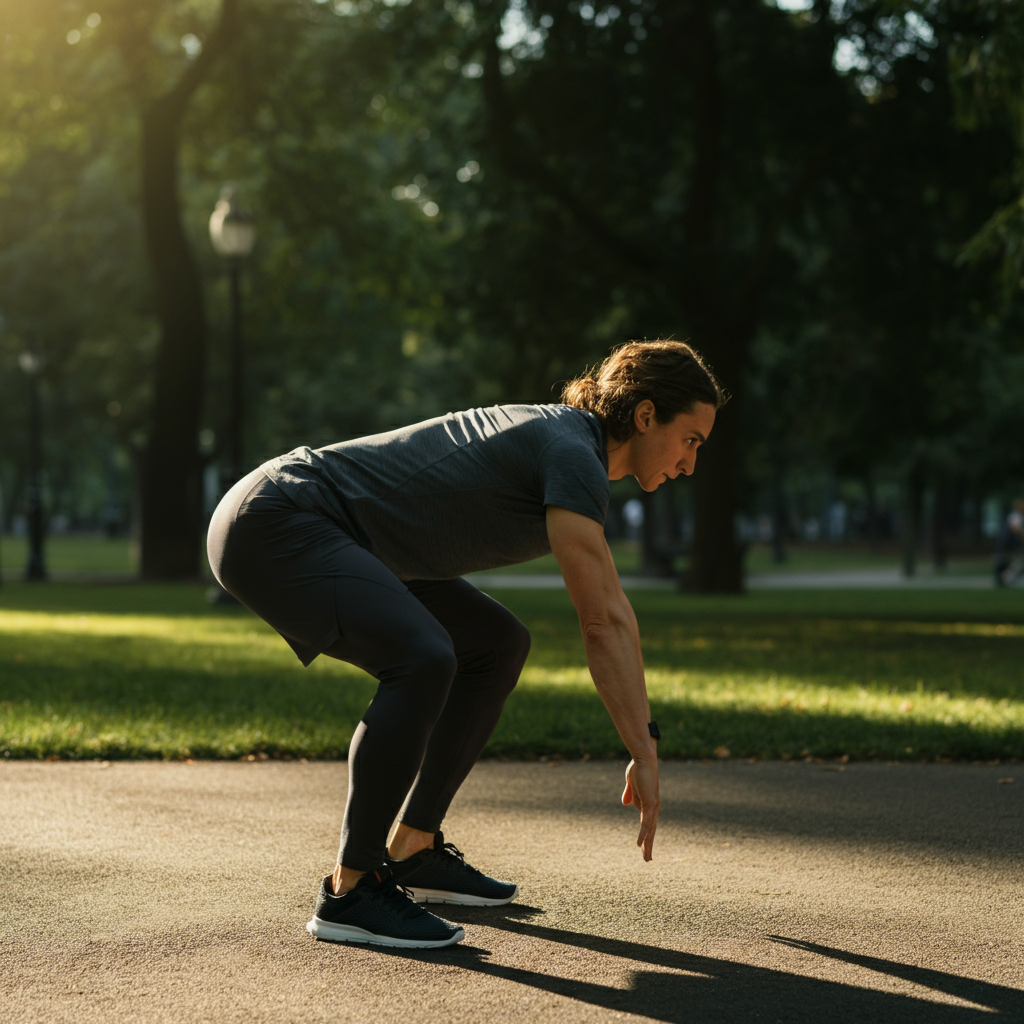
A well-structured workout is essential for maximizing your results. Create a routine that targets all major muscle groups at least twice per week, allowing for adequate rest and recovery in between sessions. Incorporate compound exercises that work multiple muscle groups simultaneously, such as squats, push-ups, and pull-ups. Consider incorporating supersets, circuits, and interval training to increase the intensity and efficiency of your workouts. Plan your workouts in advance and stick to your schedule.
5. Prioritize Nutrition and Recovery
No matter how hard you train, you won't see optimal results without proper nutrition and recovery. Fuel your body with a balanced diet rich in protein, complex carbohydrates, and healthy fats. Protein is essential for muscle repair and growth, while carbohydrates provide energy for your workouts. Aim for at least 0.8 grams of protein per pound of bodyweight per day. Prioritize sleep, aiming for at least 7-8 hours per night, to allow your body to recover and rebuild muscle tissue. Nutrition and recovery are just as important as your workouts.

6. Track Your Progress and Stay Consistent
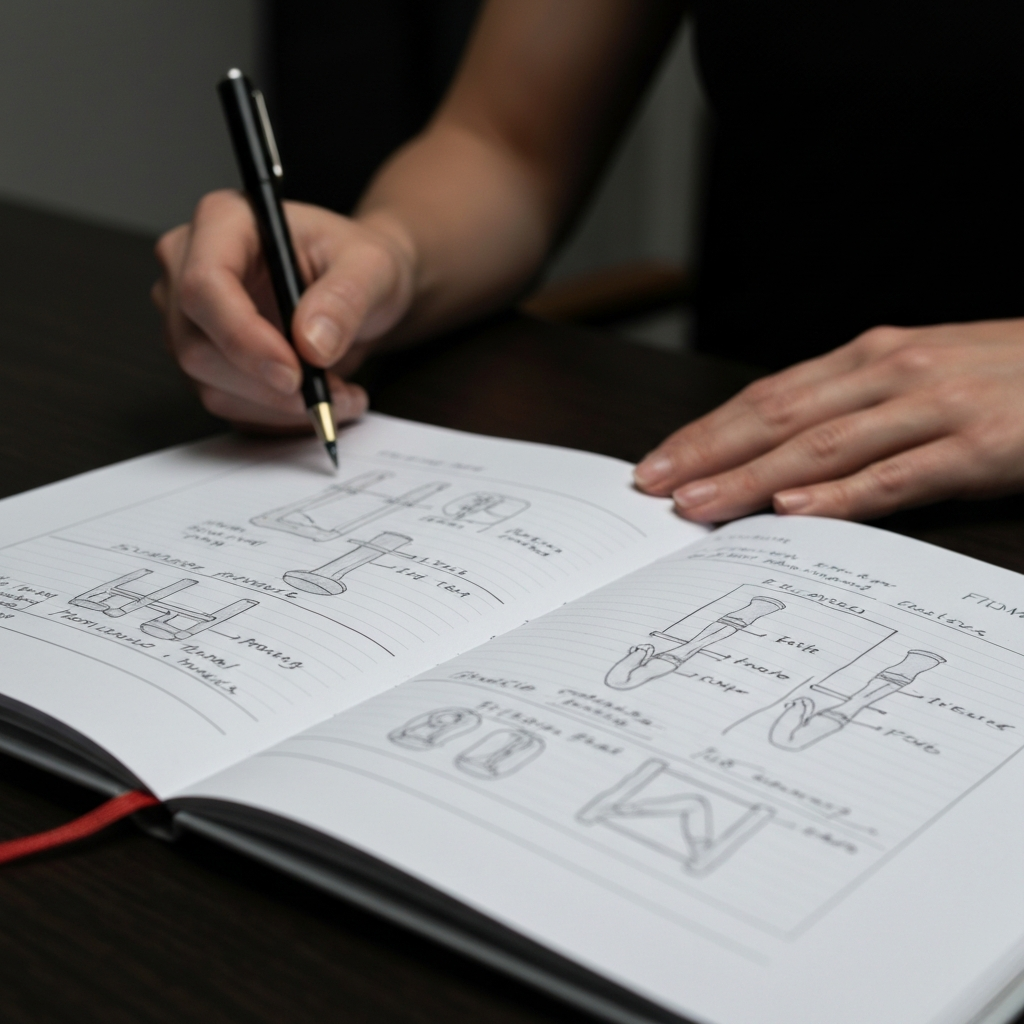
Tracking your progress is crucial for staying motivated and making adjustments to your training plan as needed. Keep a workout journal to record your exercises, sets, reps, and any notes about your performance. Take progress photos regularly to visually track your transformation. Be patient and persistent. Building a superhero physique takes time and dedication. Don't get discouraged if you don't see results immediately. Consistency is the ultimate key to success.
7. Advanced Techniques: Isometric Holds and Plyometrics
To take your training to the next level, incorporate isometric holds and plyometrics. Isometric holds involve holding a particular position for a set amount of time, engaging your muscles without movement. Plyometrics, or jump training, focuses on explosive movements to develop power and athleticism. Integrating these techniques will increase muscle fiber recruitment, strength gains, and overall physique development. Use caution and proper form when implementing these advanced strategies.
Pro Tips
- Warm-up properly before each workout to prevent injuries. Include dynamic stretching and light cardio.
- Focus on quality over quantity. Perfect your form before increasing the intensity or volume.
- Listen to your body. Take rest days when needed to allow for proper recovery.
- Stay hydrated by drinking plenty of water throughout the day.
- Find a workout buddy or join a fitness community for support and motivation.
Common Mistakes to Avoid
- Using improper form, which can lead to injuries.
- Not progressively overloading your muscles.
- Ignoring nutrition and recovery.
- Being impatient and giving up too soon.
- Overtraining without sufficient rest.
Safety Considerations
Always consult with a healthcare professional before starting any new exercise program. Ensure you have adequate space to perform the exercises safely. Use proper form to avoid injuries. Listen to your body and stop if you feel any pain. Gradually increase the intensity and volume of your workouts to avoid overtraining. Safety should always be your top priority.
FAQ Section
- How long will it take to see results?
- Results vary depending on individual factors such as genetics, diet, and training consistency. However, with consistent effort, you can expect to see noticeable improvements in your strength and physique within a few weeks.
- What if I can't do a full pull-up?
- Start with assisted pull-ups using a resistance band or a pull-up assist machine. You can also perform inverted rows to build the necessary strength.
- How often should I train?
- Aim to train each muscle group at least twice per week, with adequate rest in between sessions. A typical workout schedule might involve training three to four times per week.
Conclusion
Sculpting a superhero physique with bodyweight training is achievable with dedication, consistency, and a strategic approach. By mastering the foundational movements, implementing progressive overload, and prioritizing nutrition and recovery, you can unlock your inner superhero and achieve the body of your dreams. Remember to listen to your body, stay consistent, and enjoy the process. The journey to a stronger, leaner, and more functional you starts now!