Feng Shui, the ancient Chinese practice of harmonizing individuals with their environment, can be powerfully applied to your garden. A well-feng-shuied garden not only enhances its aesthetic appeal but also fosters positive energy flow, promoting relaxation, well-being, and even improved plant growth. It's about creating a balanced and supportive space that nurtures both you and your plants.
This guide will walk you through the essential steps to transform your garden into a vibrant sanctuary, aligning with the principles of Feng Shui. From understanding the Bagua map to selecting the right plants and materials, you'll learn how to create a garden that radiates positive energy and encourages abundant growth. Embrace the art of intentional design and create a space that truly nourishes your soul.
By thoughtfully arranging your garden elements, you can stimulate different aspects of your life, attracting prosperity, health, and harmonious relationships. Let’s begin the journey towards a more balanced and flourishing garden!
Step 1: Understanding the Bagua Map
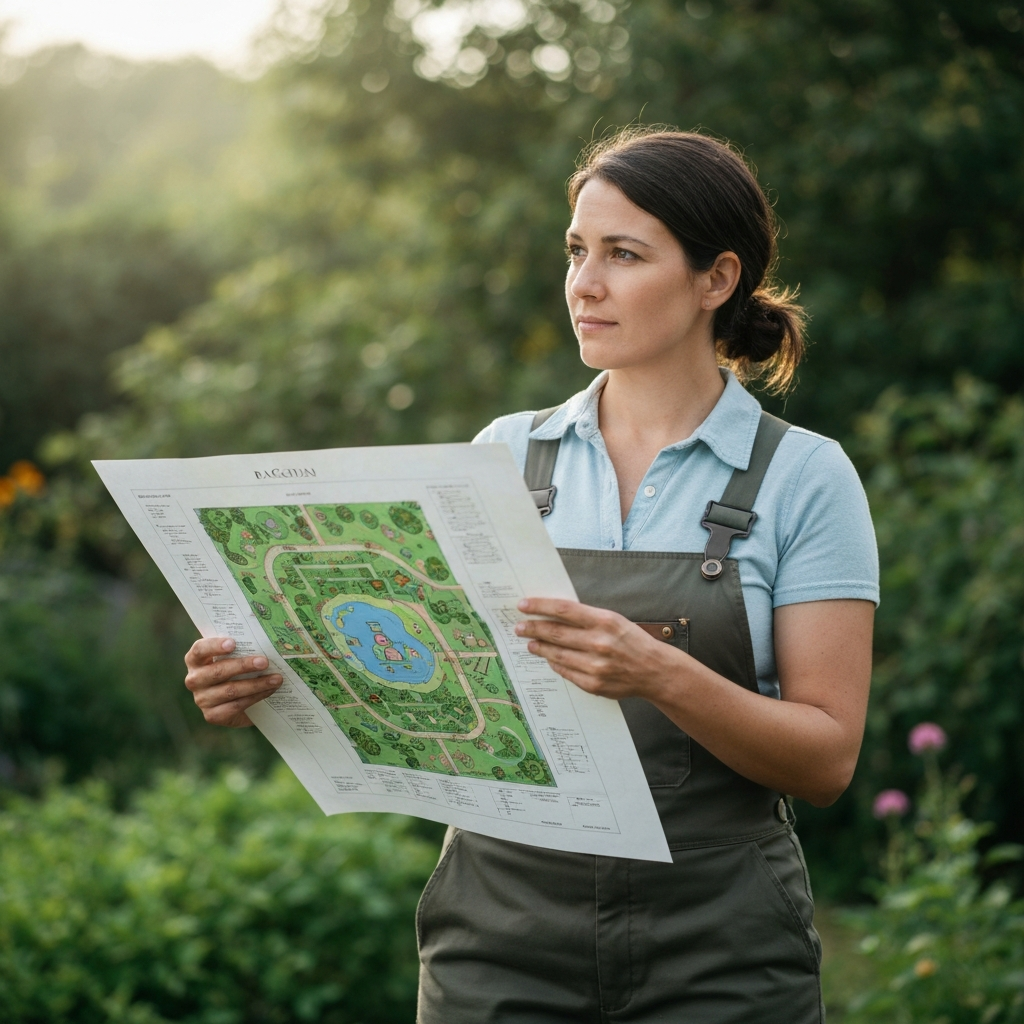
The Bagua map is a fundamental tool in Feng Shui, representing eight different life aspects: Career, Knowledge, Family, Wealth, Fame, Love, Children, and Helpful People. Overlaying the Bagua map onto your garden allows you to identify areas corresponding to these life aspects and strategically enhance them. To use it effectively, stand at the main entrance of your garden (or, if no clear entrance, the side of the house facing the garden) and align the bottom edge of the Bagua map with that edge. This orientation reveals which areas of your garden correspond to which life areas. Consider the shape of your garden and how the Bagua zones fit within it. Some areas might be larger or smaller than others, which is perfectly normal; the goal is to identify and work with what you have.
Step 2: Clearing Clutter and Obstructions
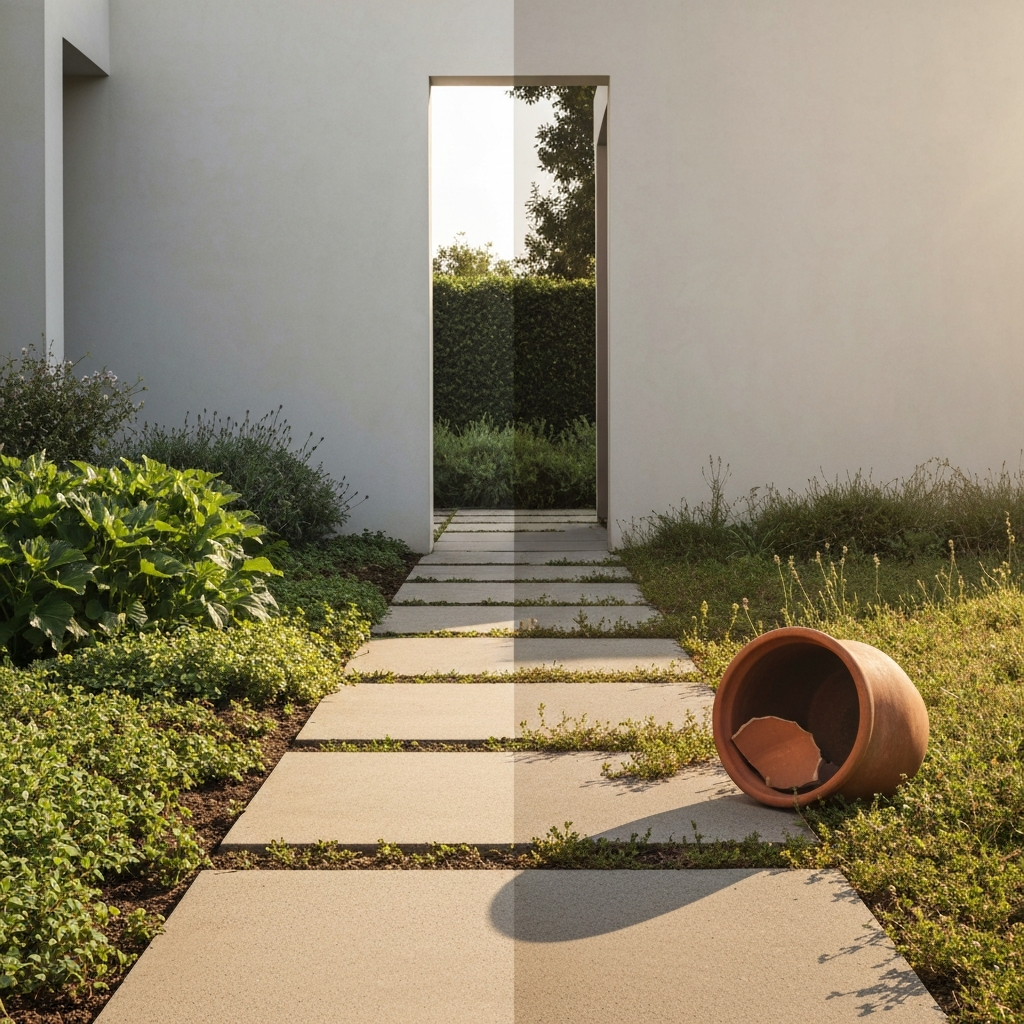
Before implementing any specific Feng Shui principles, it's crucial to declutter. Clutter, in Feng Shui, represents stagnant energy and impedes the flow of "Chi," the vital life force. Remove any dead plants, broken pots, overgrown weeds, or unnecessary items that obstruct pathways or block sunlight. Addressing drainage problems is also essential to prevent water stagnation, which can lead to negative energy. Ensure pathways are clear and easily navigable, allowing Chi to flow freely throughout the garden. Fix any broken fences or garden structures, as these represent weaknesses in the energy flow.
Step 3: Balancing the Five Elements
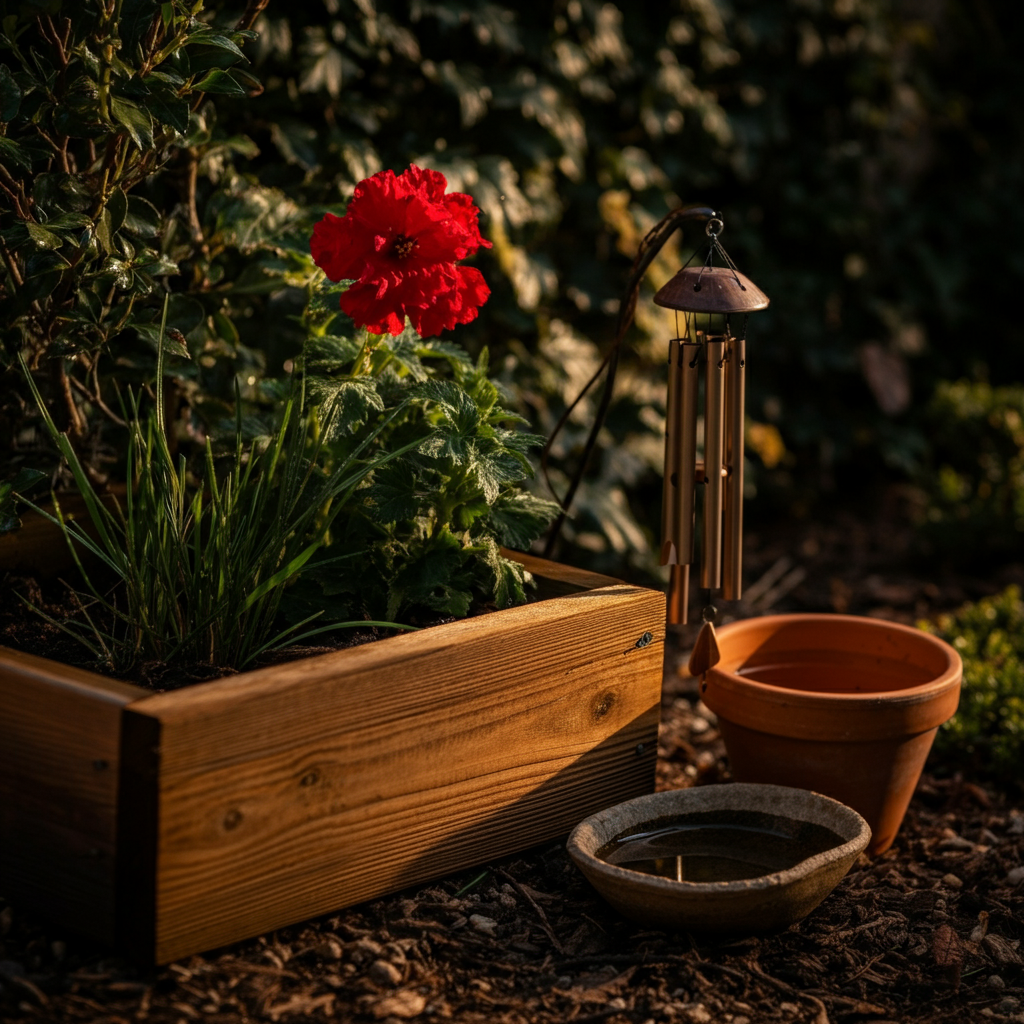
Feng Shui emphasizes the importance of balancing the five elements: Wood, Fire, Earth, Metal, and Water. Each element corresponds to specific colors, shapes, and materials. Incorporating all five elements into your garden design promotes harmony and balance. Wood is represented by plants, trees, and wooden structures. Fire is symbolized by bright colors like red and orange, as well as sunlight and candles (safely placed). Earth is represented by soil, rocks, and terracotta pots. Metal is associated with white and metallic colors, as well as metal structures like trellises or wind chimes. Water is represented by water features, blue or black colors, and flowing shapes.
Step 4: Enhancing Specific Bagua Areas
Now that you understand the Bagua map and the five elements, you can strategically enhance specific areas of your garden to attract positive energy into those corresponding life aspects. For example, to enhance your career area (typically located near the entrance), consider adding water features or dark-colored plants. To improve your wealth area (often in the back left corner), incorporate vibrant, healthy plants with rounded leaves (symbolizing coins). For relationships (often the back right corner), consider placing pairs of plants or objects to symbolize partnership and harmony. Choose plants, colors, and features that resonate with the intention of each Bagua area.
Step 5: Choosing Plants Wisely
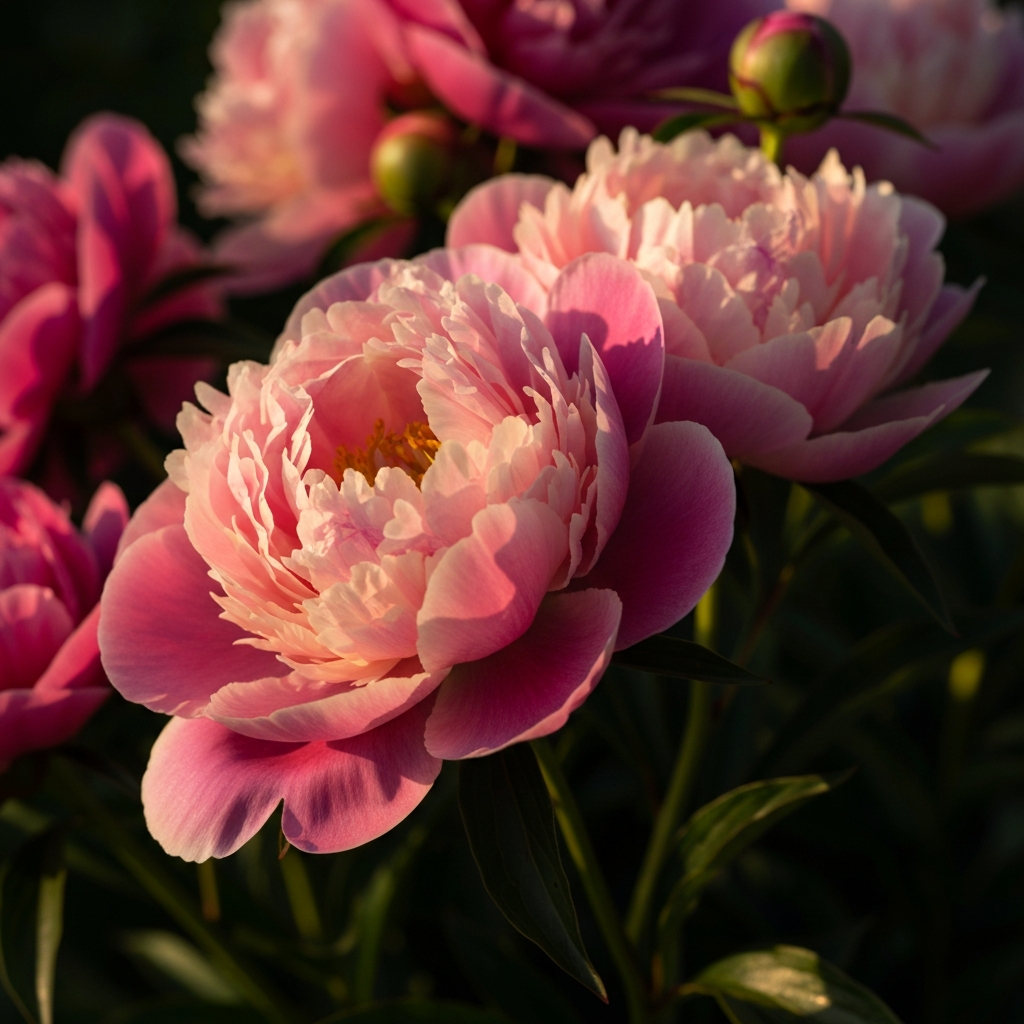
Plants play a significant role in Feng Shui. Select plants that are healthy, vibrant, and have upward-growing patterns to symbolize growth and prosperity. Avoid plants with thorny or drooping characteristics, as they can represent negative energy. Consider the symbolic meaning of different plants; for example, bamboo represents resilience and longevity, while peonies symbolize love and romance. Choose plants with colors that align with the five elements and the intentions of specific Bagua areas. Ensure that plants are well-maintained and pruned regularly to prevent them from becoming overgrown or attracting pests.
Step 6: Incorporating Water Features
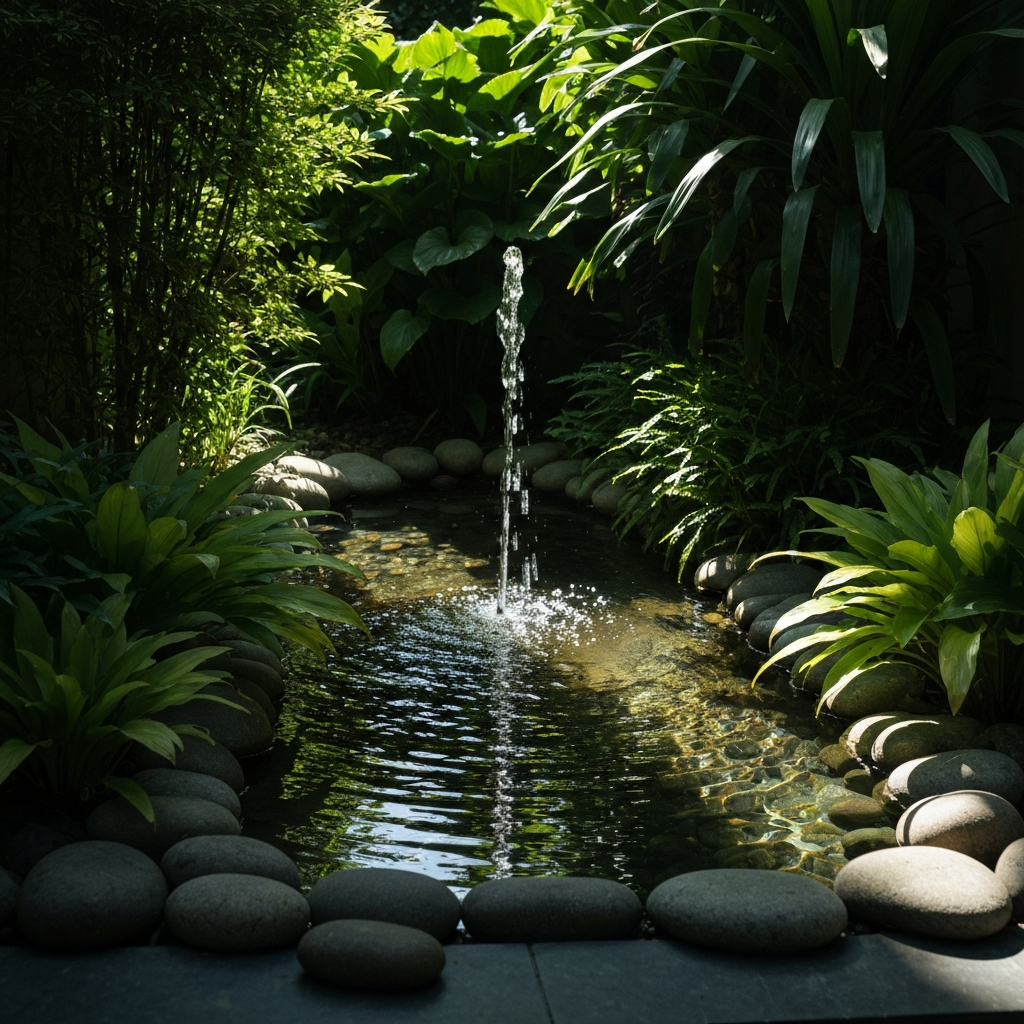
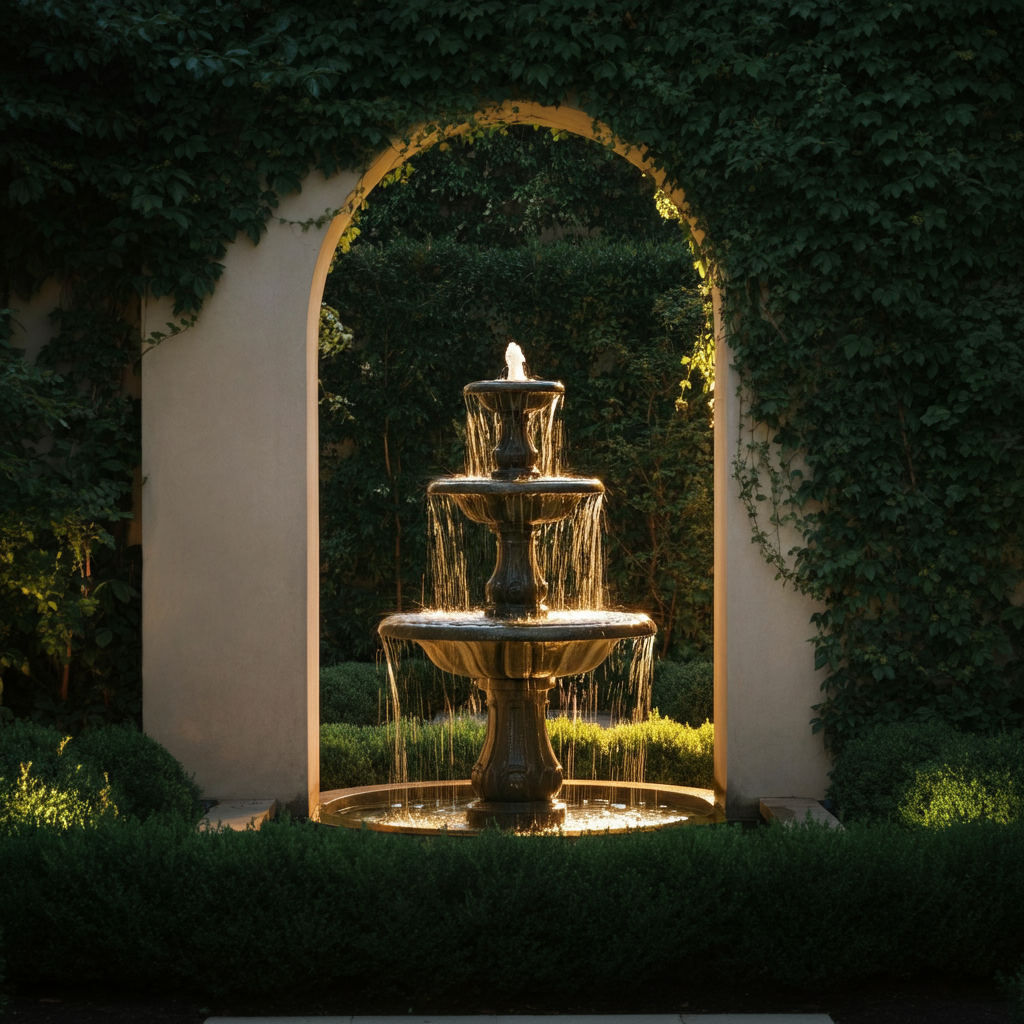
Water is a powerful symbol of wealth and abundance in Feng Shui. Incorporating water features like fountains, ponds, or bird baths can significantly enhance the positive energy of your garden. The sound of flowing water is particularly beneficial, as it symbolizes continuous flow of prosperity. Ensure that the water is clean and well-maintained, as stagnant water can attract negative energy. Position water features strategically in areas that benefit most from the water element, such as the career or wealth areas. Consider the size of your garden when choosing a water feature; a small garden might benefit from a small fountain, while a larger garden can accommodate a pond or stream.
Step 7: Adding Garden Art and Decor
Garden art and decor can enhance the aesthetic appeal and Feng Shui of your garden. Choose pieces that resonate with you and align with the overall intention of your space. Consider incorporating wind chimes to circulate energy, sculptures to add visual interest, or comfortable seating to create inviting spaces for relaxation. Ensure that the materials and colors of your decor align with the five elements and the specific Bagua areas you are enhancing. Avoid placing sharp or aggressive objects that could disrupt the flow of energy. Arrange your decor in a balanced and harmonious way, creating a visually appealing and inviting atmosphere.

Step 8: Maintaining Balance and Harmony
Feng Shui is an ongoing process, and it's crucial to maintain balance and harmony in your garden regularly. Regularly prune and maintain your plants to ensure they are healthy and thriving. Clean water features and remove any debris or clutter. Pay attention to your own energy and how it interacts with your garden; if you feel uncomfortable or stagnant in a particular area, adjust the arrangement of elements until you achieve a sense of balance and harmony. Consider adjusting your garden design seasonally to reflect the changing energy of the year.

Common Mistakes to Avoid
One common mistake is overcrowding the garden with too many plants or decorations, which can create a sense of chaos and disrupt the flow of energy. Avoid neglecting the maintenance of your garden, as overgrown or unkempt plants can attract negative energy. Also, be mindful of using too much of one element and neglecting others. Strive for a balanced representation of all five elements to create a harmonious and supportive environment. Finally, remember that Feng Shui is a personalized practice, so trust your intuition and choose elements that resonate with you.
Pro Tips
Consider using a compass to accurately determine the orientation of your garden and the placement of the Bagua map. Incorporate natural materials like wood, stone, and bamboo to create a more grounded and connected feel. Experiment with different plant combinations to discover which ones thrive best in your garden and create the desired aesthetic. Remember to enjoy the process of creating your Feng Shui garden and allow your intuition to guide you.
FAQ Section
Q: Do I need to be an expert in Feng Shui to apply these principles?
A: No, you don't need to be an expert. This guide provides a solid foundation, and you can learn more as you go. Trust your intuition and experiment with different arrangements to find what works best for you.
Q: What if my garden is very small?
A: Even in a small garden, you can apply Feng Shui principles. Focus on decluttering, balancing the five elements, and choosing plants that are appropriate for the space. You can still use the Bagua map to identify key areas and enhance them accordingly.
Q: Can I use artificial plants in my Feng Shui garden?
A: While natural plants are generally preferred, high-quality artificial plants can be used if you are unable to care for live plants. Ensure they are clean and well-maintained and choose varieties that symbolize positive energy.
Conclusion
By following these steps, you can transform your garden into a sanctuary that promotes positive energy, well-being, and abundant growth. Remember that Feng Shui is a journey, not a destination. Be patient, trust your intuition, and enjoy the process of creating a garden that nourishes your soul and enhances your life. Embrace the principles of balance, harmony, and intentional design, and watch your garden flourish.