A thriving garden is a source of joy, but it can also attract unwanted guests. Pesky critters, from insects to small mammals, can wreak havoc on your plants and, unfortunately, sometimes make their way into your home. Garden-proofing your home is about creating a barrier and implementing strategies to deter these creatures from crossing the line.
This guide provides practical, expert-backed methods to protect your home from garden invaders. We'll cover everything from sealing entry points to using natural deterrents, ensuring your home remains a safe haven, free from the nuisances that can accompany a flourishing garden.
By implementing these strategies, you can enjoy your garden without the worry of uninvited guests taking up residence indoors. Remember, a proactive approach is the most effective way to keep critters at bay and maintain a healthy, pest-free home environment.
Step 1: Seal Obvious Entry Points
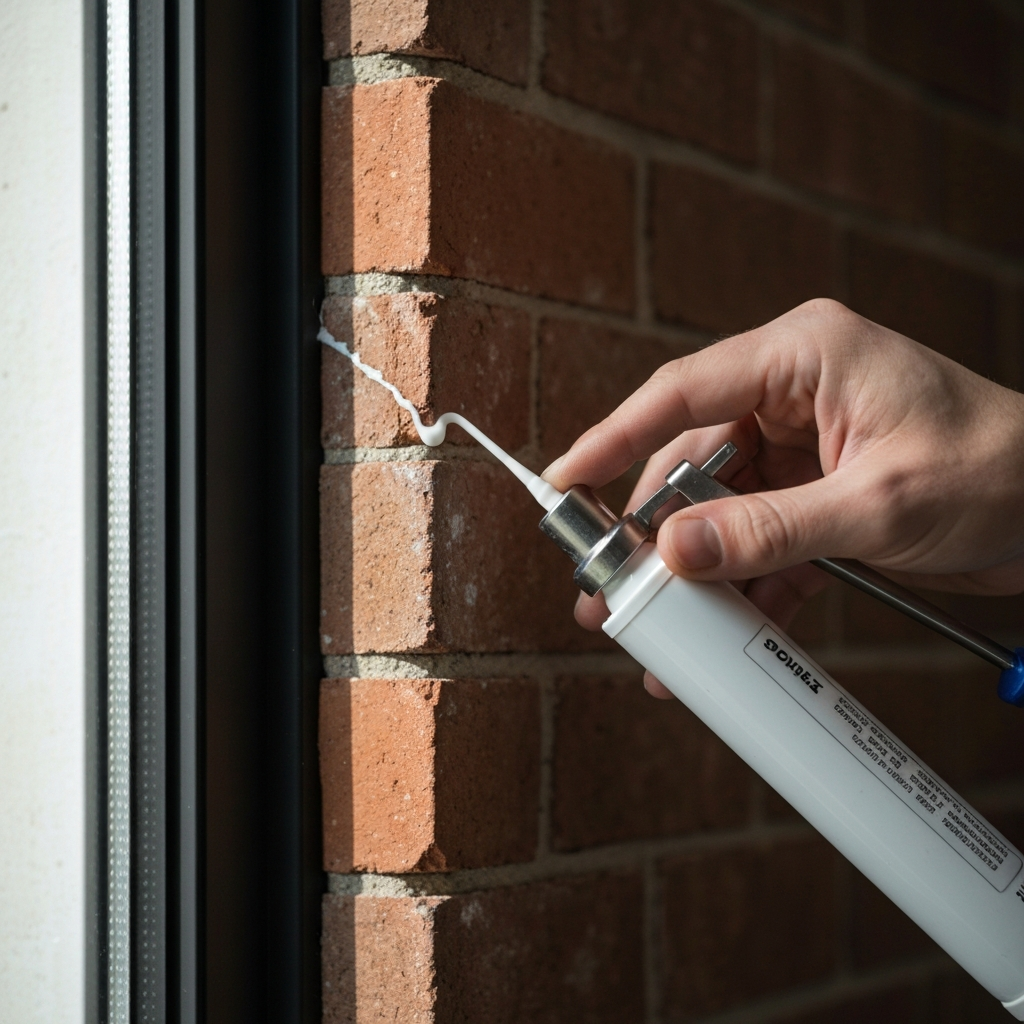
Begin by thoroughly inspecting the exterior of your home, paying close attention to areas where critters might gain access. This includes checking around windows, doors, pipes, and any other openings or cracks in the foundation. Even small gaps can serve as entry points for insects, rodents, and other pests. Use caulk or expandable foam to seal these cracks and crevices effectively.
Step 2: Secure Vents and Openings
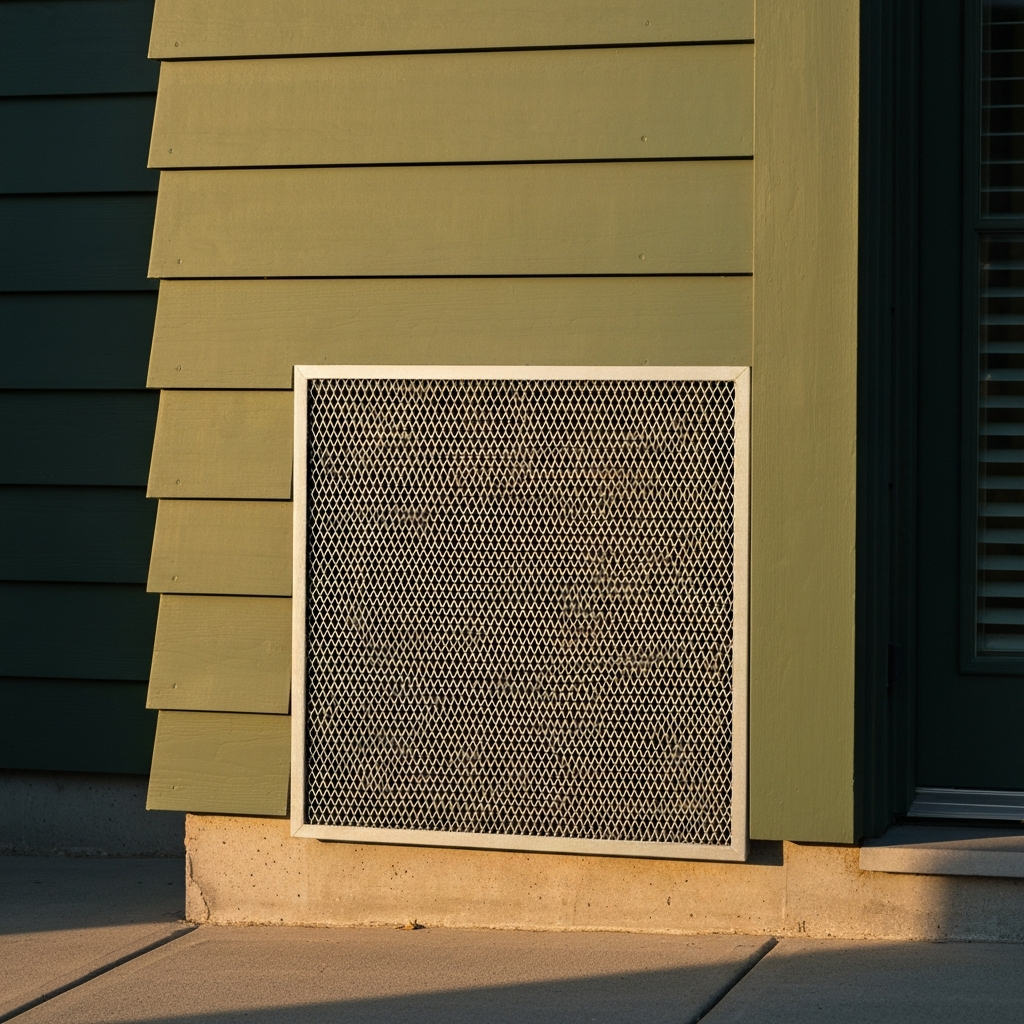
Vents provide necessary ventilation but can also become highways for unwanted critters. Install mesh screens over dryer vents, air vents, and any other openings leading into your home. Ensure that the mesh is securely attached and in good repair to prevent pests from squeezing through or damaging it. Regularly inspect these screens for any signs of wear and tear and replace them as needed.
Step 3: Manage Vegetation Around Your Home
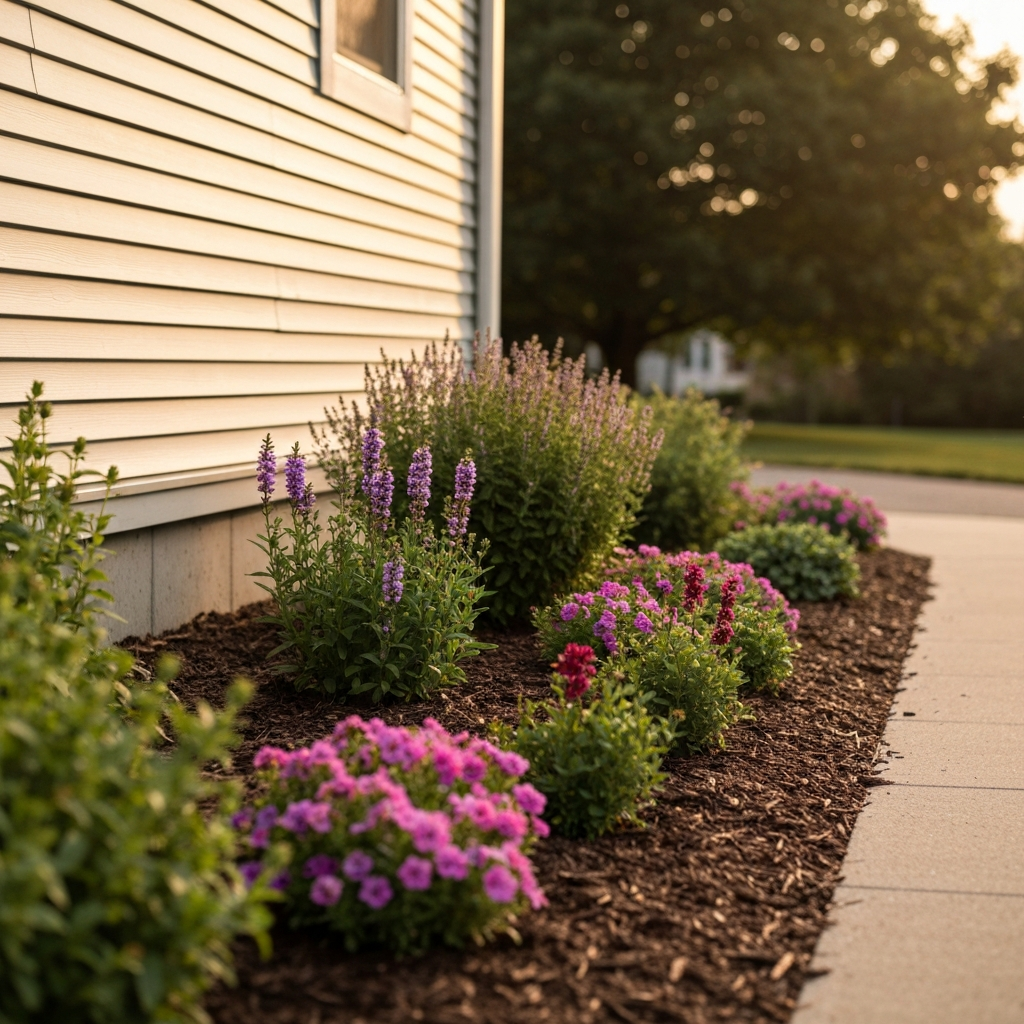
Overgrown vegetation close to your home can provide shelter and a bridge for pests to access your property. Trim back bushes, shrubs, and tree branches that touch your house. Maintain a clear zone of at least 18 inches between your foundation and any vegetation. This reduces hiding spots for pests and makes it more difficult for them to climb onto your home.
Step 4: Eliminate Standing Water
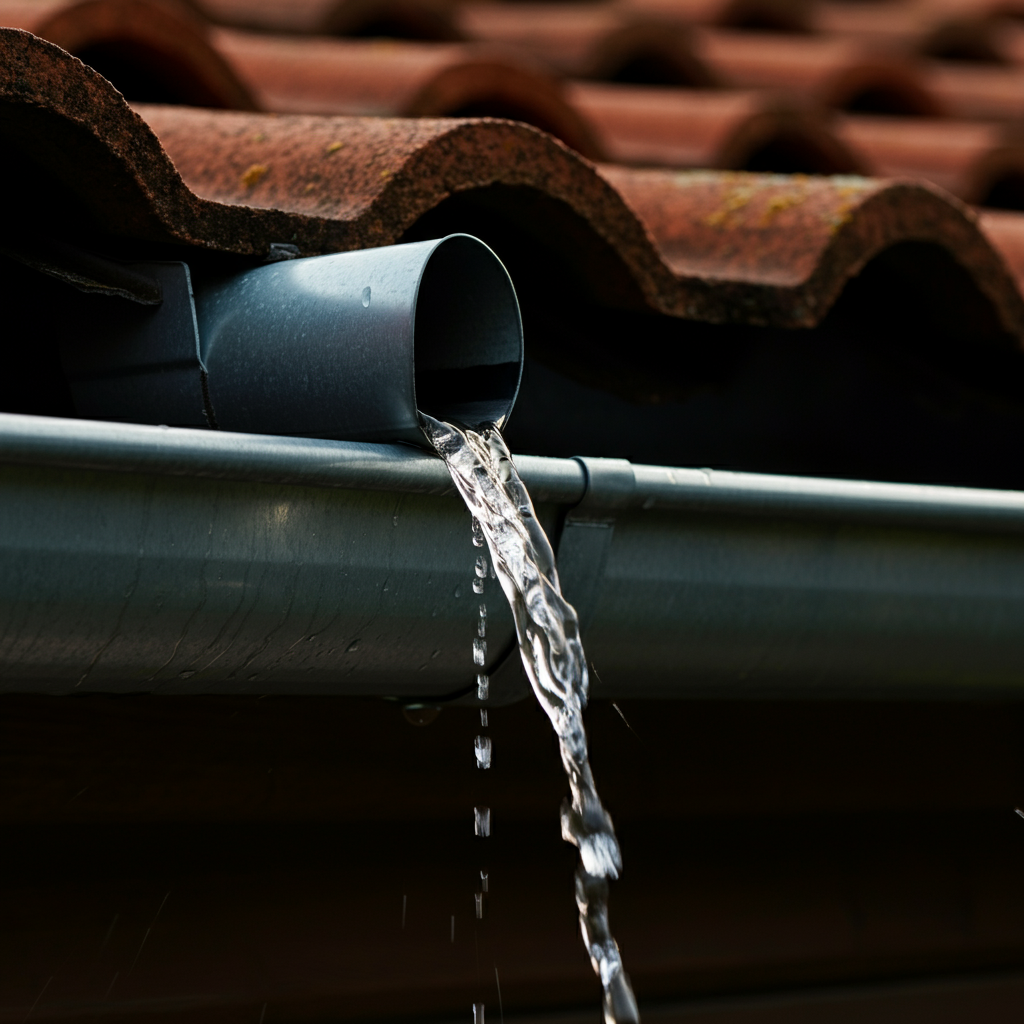
Standing water is a breeding ground for mosquitoes and other insects. Eliminate any sources of standing water around your property, such as clogged gutters, bird baths, and overturned flower pots. Ensure that your gutters are clean and properly draining to prevent water from accumulating near your foundation. Consider using mosquito dunks in bird baths or ponds to control mosquito larvae.
Step 5: Employ Natural Deterrents
Certain scents and substances can naturally repel pests without harming them or the environment. Consider using natural deterrents such as peppermint oil, lavender, or garlic around your garden and home's perimeter. These natural solutions can effectively deter insects, rodents, and even deer from entering your property. Reapply these deterrents regularly, especially after rain.

Step 6: Address Stink Bugs Specifically
Stink bugs are particularly annoying pests that can infiltrate homes. If you notice stink bugs, avoid crushing them indoors to prevent the release of their foul odor. Vacuum them up using a vacuum cleaner with a disposable bag and immediately dispose of the bag. Seal cracks around windows and doors to prevent entry. Consider using neem oil spray on plants that stink bugs are attracted to, as this will disrupt their eating and mating habits.
Tools or Materials Required
- Caulk and caulking gun
- Expandable foam
- Mesh screening and fasteners
- Gardening shears or pruning tools
- Peppermint oil, lavender, or garlic
- Vacuum cleaner with disposable bags
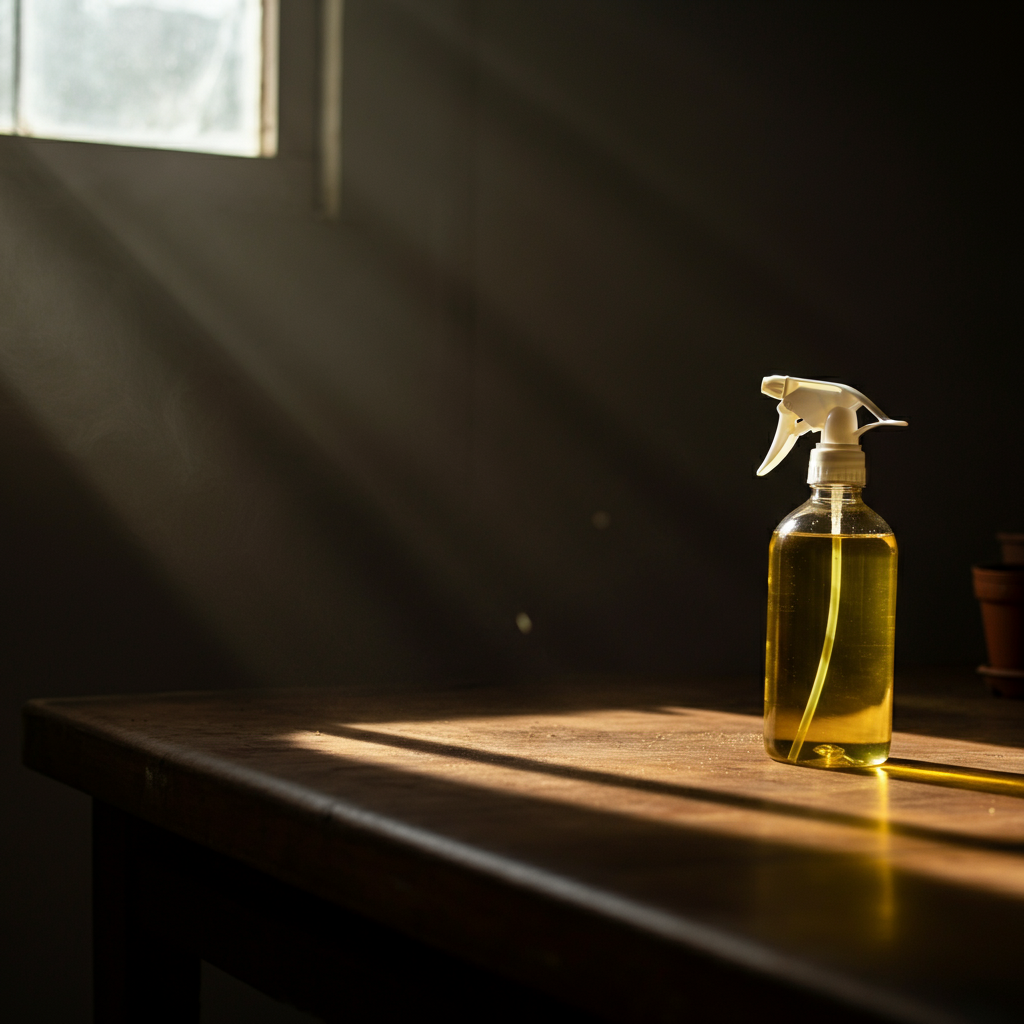
- Neem oil spray
Common Mistakes to Avoid
- Ignoring small cracks and crevices: Pests can squeeze through surprisingly small openings.
- Neglecting vegetation maintenance: Overgrown plants provide easy access to your home.
- Using harsh chemicals: Opt for natural deterrents whenever possible to avoid harming beneficial insects or pets.
- Forgetting to clean gutters: Clogged gutters create standing water and attract pests.
FAQ Section
Q: How often should I inspect my home for potential entry points?
A: Aim to inspect your home at least twice a year, in the spring and fall, to identify and address any new cracks or openings.
Q: Are natural deterrents as effective as chemical pesticides?
A: Natural deterrents can be very effective, especially for preventative measures. They are also safer for the environment and your family.
Q: What should I do if I find a significant pest infestation in my home?
A: If you have a severe pest problem, it's best to consult with a professional pest control service for safe and effective treatment.
Conclusion
Garden-proofing your home is an ongoing process that requires vigilance and a proactive approach. By sealing entry points, managing vegetation, eliminating standing water, and using natural deterrents, you can create a barrier that keeps pesky critters out and allows you to enjoy your garden and home in peace. Remember that consistency is key, and regular maintenance will help prevent infestations before they become a problem.