Gardening can seem daunting, especially when you see perfectly manicured gardens gracing magazine covers. But the truth is, anyone can cultivate a thriving garden with a little knowledge and patience. Forget the intimidating image of the "perfect" garden; focus on creating a space that brings you joy and connects you with nature. This guide breaks down the essential steps to get you started, regardless of your experience level.
We'll cover everything from choosing the right plants and soil to understanding watering techniques and pest control. We’ll also explore some common pitfalls that beginners often encounter and, more importantly, how to avoid them. So, grab your gloves, and let's get growing!
Think of gardening as an ongoing experiment. There's always something new to learn, and even seasoned pros face challenges. The key is to embrace the process, learn from your mistakes, and enjoy the rewards of nurturing life from the ground up. Before you know it, you'll be reaping the benefits of fresh vegetables, vibrant flowers, and a beautiful outdoor space.
Step 1: Assess Your Space and Sunlight
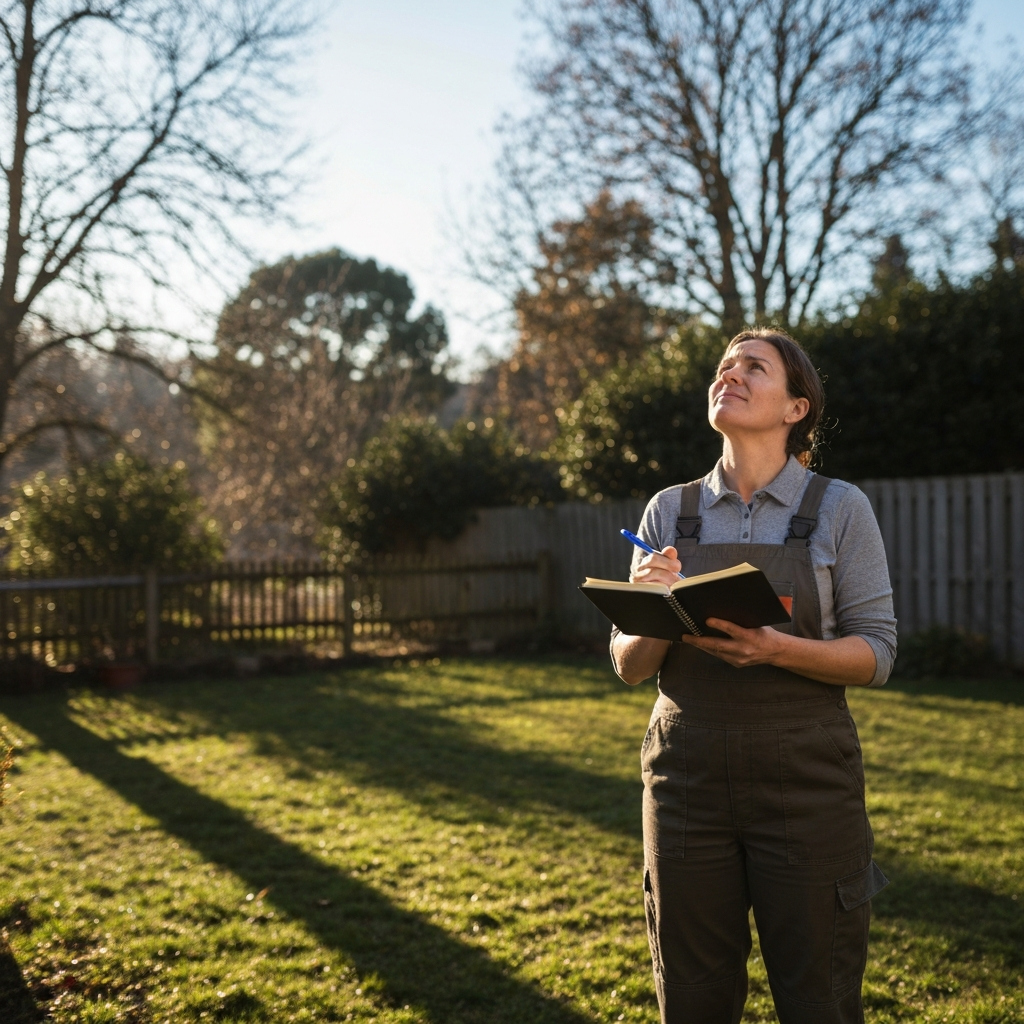
Before you even think about plants, take a good look at your available space. Is it a small balcony, a sprawling backyard, or something in between? More importantly, observe how much sunlight your chosen area receives throughout the day. Most vegetables and flowering plants require at least six hours of direct sunlight. If your space is shady, you’ll need to select plants that thrive in those conditions, such as hostas, ferns, or impatiens.
Step 2: Choose the Right Soil
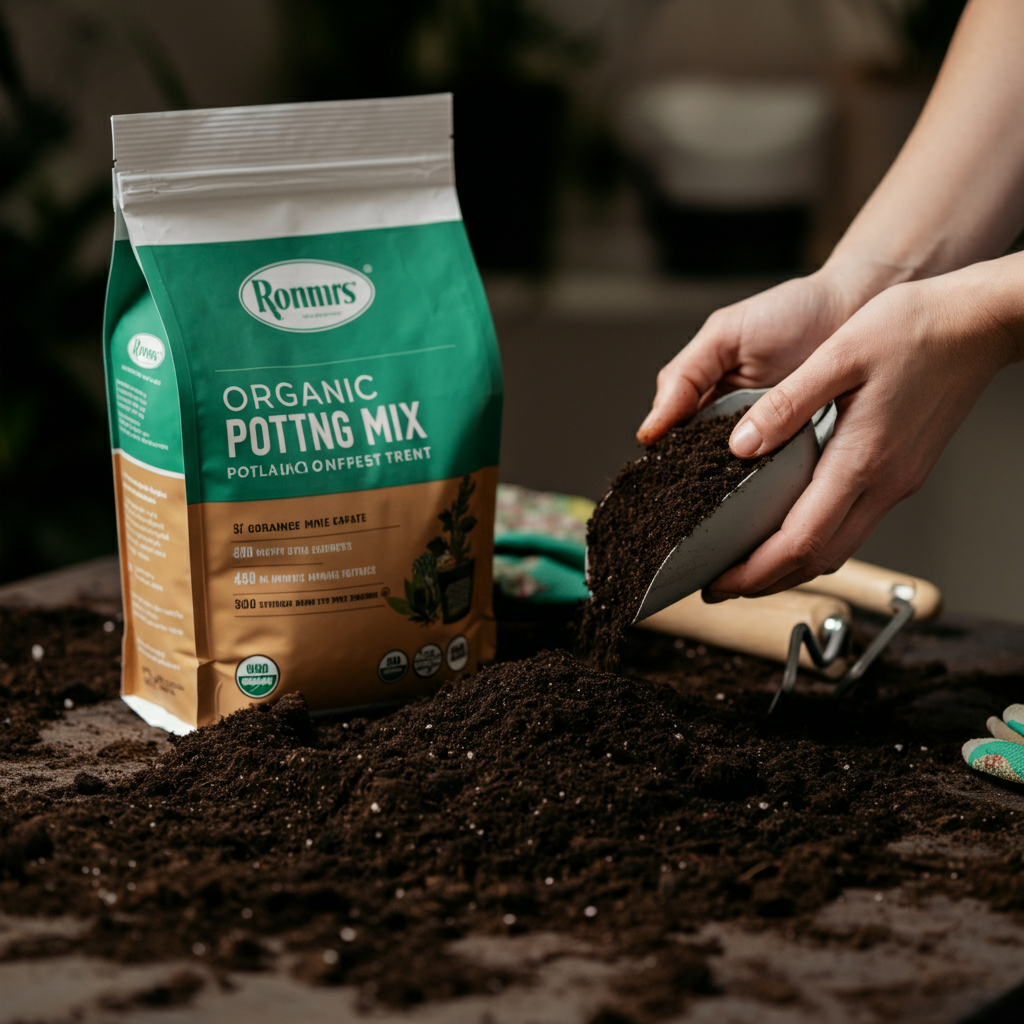
Soil is the foundation of any successful garden. Avoid using soil directly from your yard, as it may be compacted, nutrient-poor, or contaminated with weed seeds. Instead, opt for a high-quality potting mix for containers or amend your existing garden soil with compost and other organic matter. Good soil should be well-draining, rich in nutrients, and have a slightly acidic pH (around 6.0-7.0). You can test your soil's pH with a simple home test kit.
Step 3: Select Your Plants Wisely
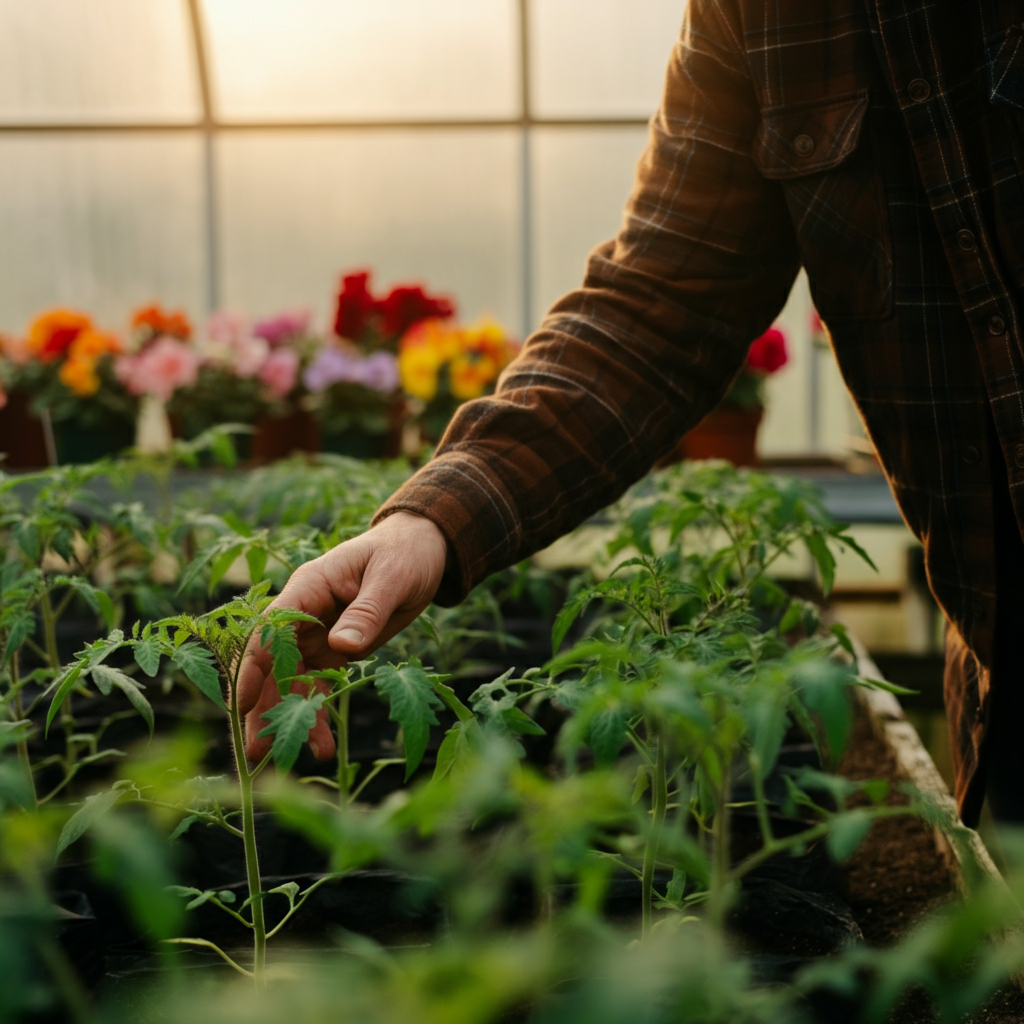
Choosing the right plants for your climate and space is crucial. Consider your local growing zone, which dictates the types of plants that will thrive in your region's temperature range. Visit your local nursery or garden center and talk to the staff; they can provide valuable advice on the best plants for your area and growing conditions. Start with easy-to-grow varieties, such as herbs like mint and basil, vegetables like lettuce and tomatoes, or flowers like marigolds and zinnias.
Step 4: Water Strategically
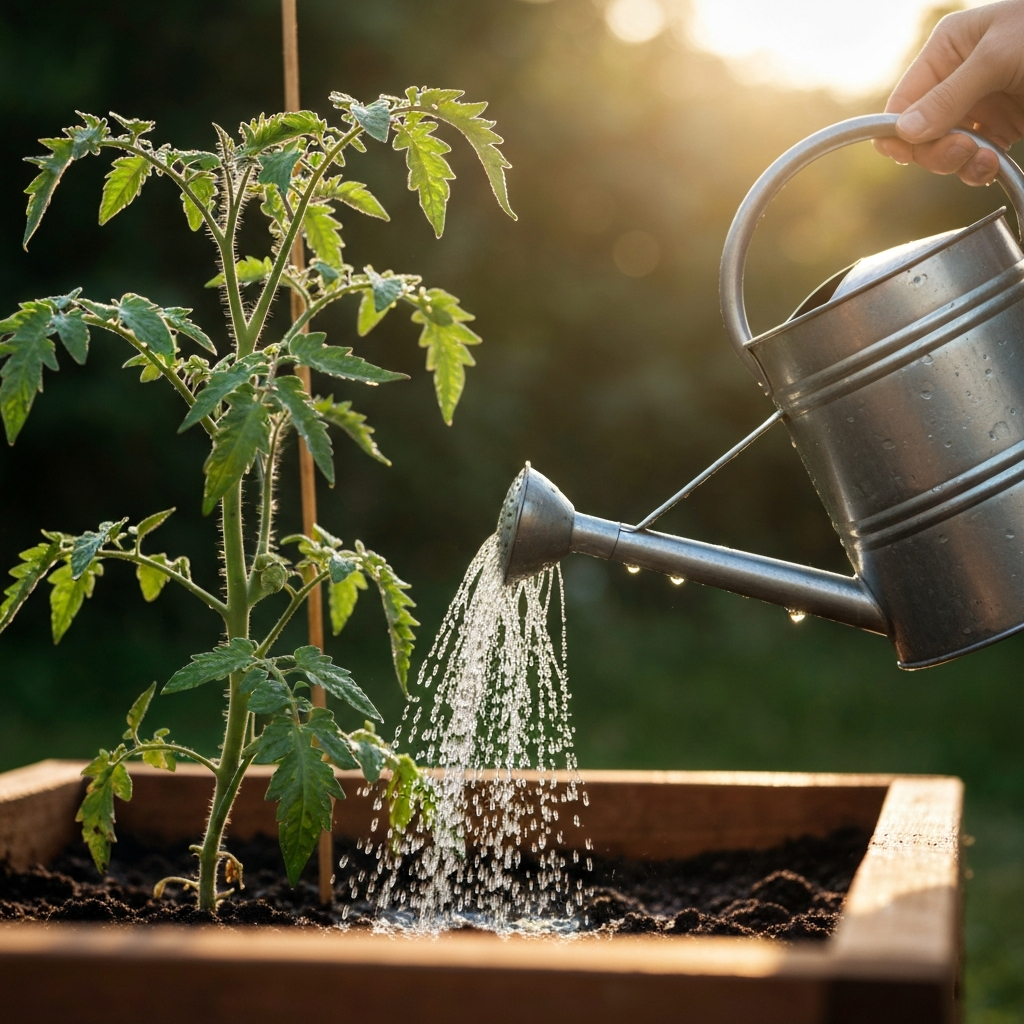
Watering seems simple, but it's a common area where beginners make mistakes. Overwatering is just as harmful as underwatering. The best approach is to water deeply but infrequently, allowing the soil to dry out slightly between waterings. Check the soil moisture by sticking your finger an inch or two into the soil. If it feels dry, it's time to water. Water in the morning to allow the foliage to dry before nightfall, which helps prevent fungal diseases.
Step 5: Fertilize Regularly
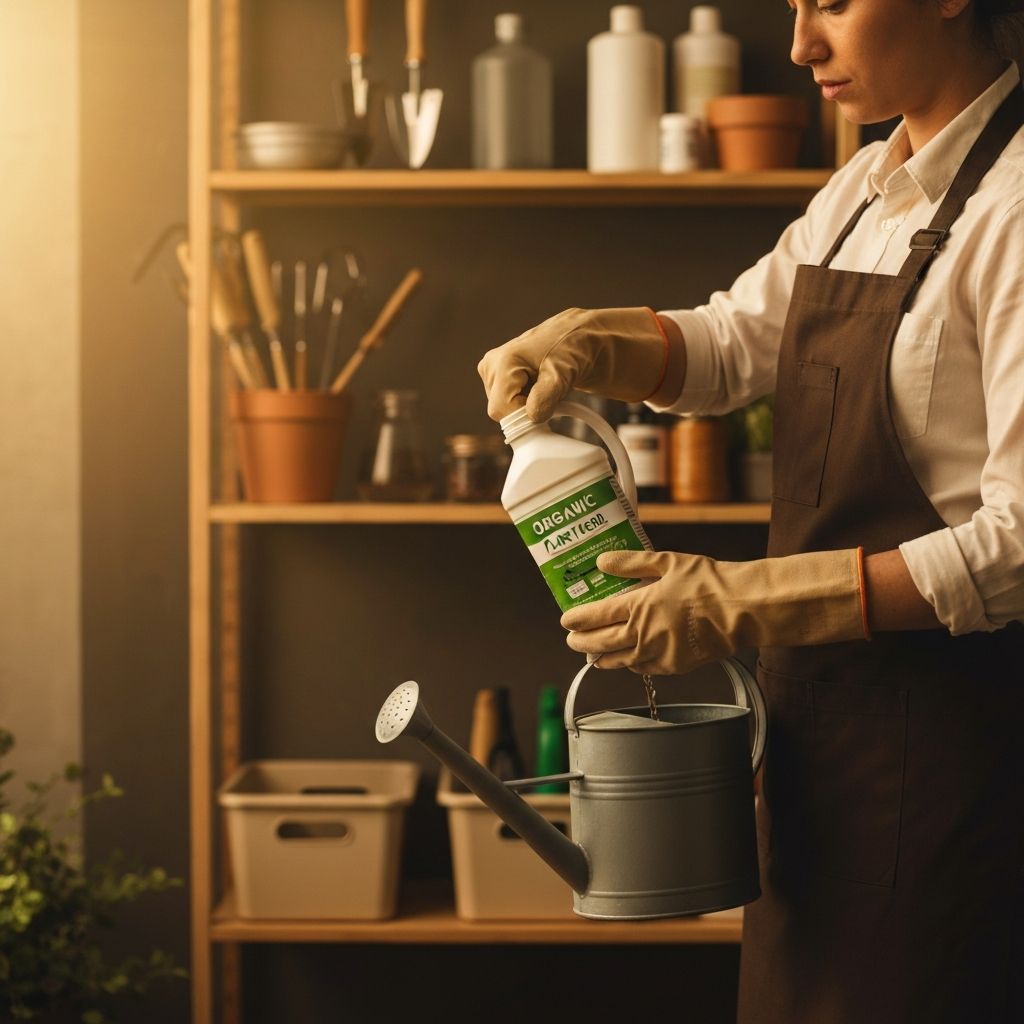
Plants need nutrients to thrive. Fertilize your plants regularly with a balanced fertilizer, following the instructions on the product label. Organic fertilizers, such as compost tea or fish emulsion, are a great option for providing slow-release nutrients. Avoid over-fertilizing, as this can burn the roots and damage your plants.
Step 6: Manage Pests and Diseases
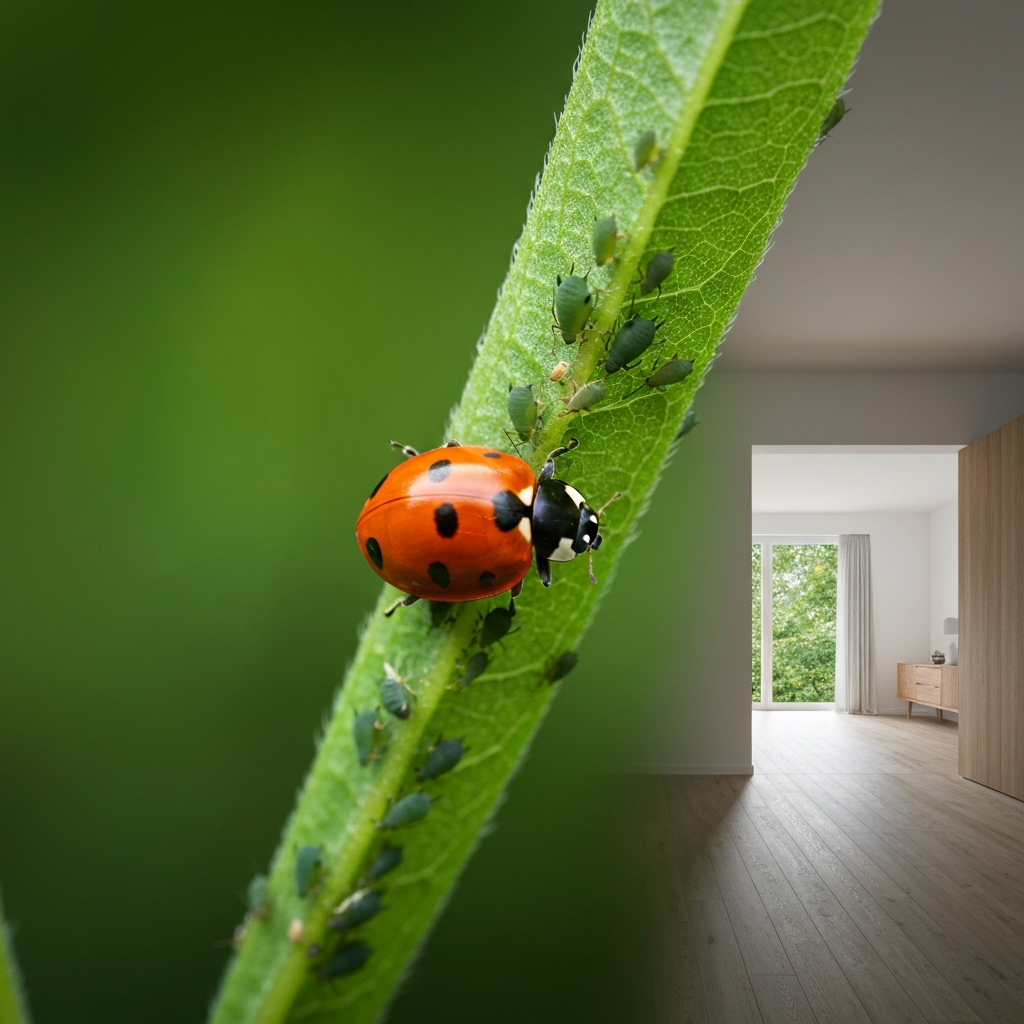
Pests and diseases are inevitable in any garden. Inspect your plants regularly for signs of trouble, such as holes in the leaves, discoloration, or stunted growth. Address problems promptly with organic pest control methods, such as insecticidal soap or neem oil. Proper watering and fertilization can also help plants resist diseases.
Step 7: Weed Diligently
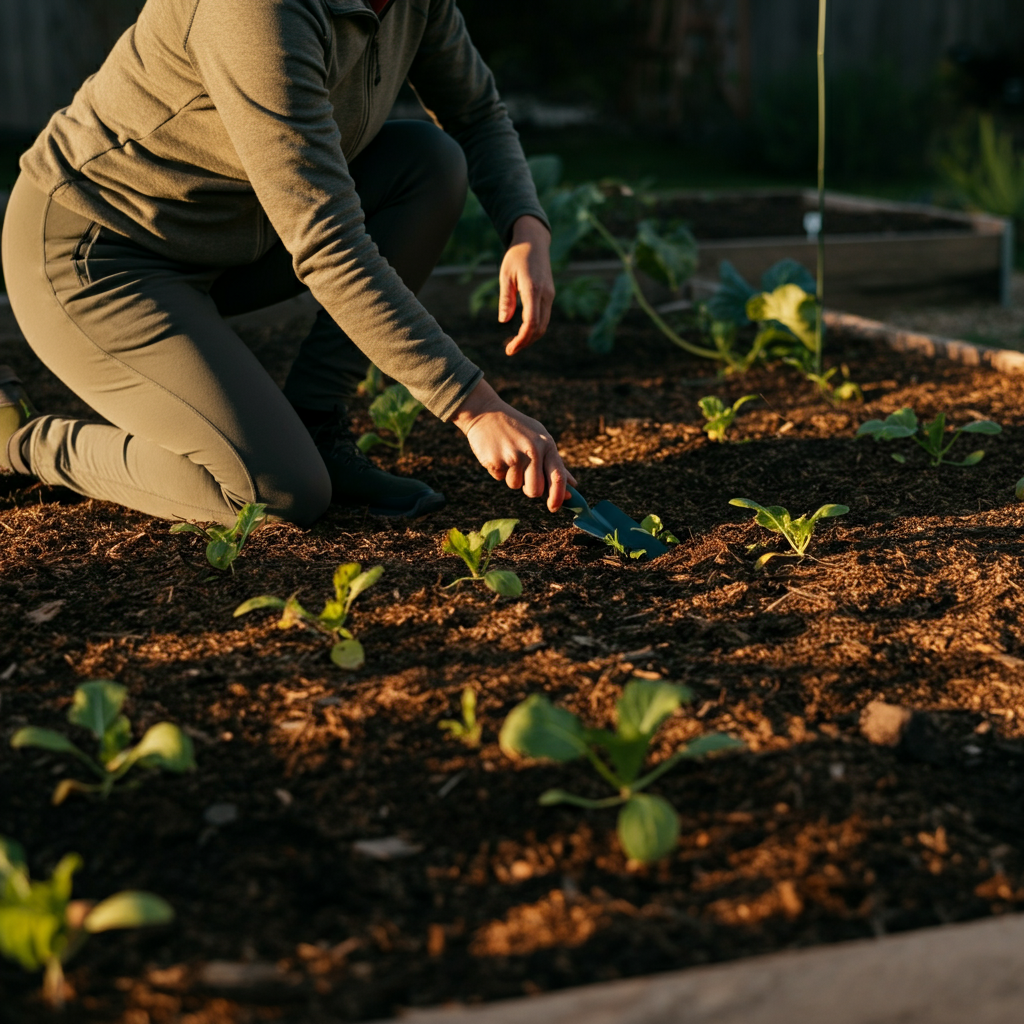
Weeds compete with your plants for water, nutrients, and sunlight. Remove weeds regularly by hand or with a hoe. Mulching around your plants with straw, wood chips, or compost can also help suppress weed growth. Be sure to remove weeds before they go to seed to prevent them from spreading.
Step 8: Harvest Regularly
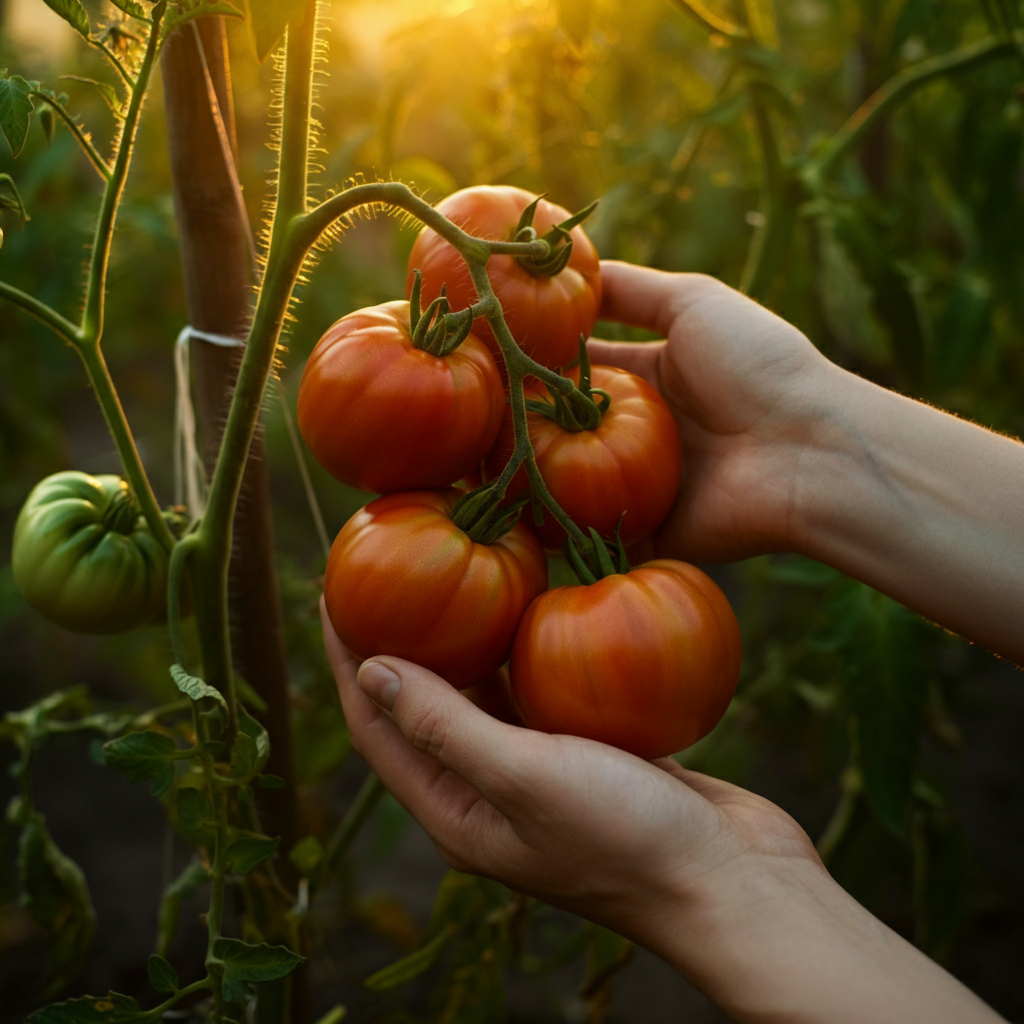
Harvesting your crops regularly encourages continued production. Pick vegetables when they are ripe and at their peak flavor. Cut flowers when they are fully open to encourage more blooms. Don't be afraid to experiment and try new varieties of plants. Gardening is a continuous learning process, and each season brings new opportunities.
Tools or Materials Required
- Gardening gloves
- Trowel
- Hand Rake
- Watering can or hose
- Potting mix or compost
- Fertilizer
- Pest control spray (organic)
- Seeds or seedlings
Common Mistakes to Avoid
- Overwatering or underwatering
- Planting in the wrong location (sunlight or shade)
- Ignoring soil health
- Not fertilizing regularly
- Ignoring pests and diseases
- Not weeding regularly
Safety Considerations
- Wear gloves to protect your hands from soil and chemicals.
- Use caution when using sharp tools.
- Protect yourself from the sun with sunscreen and a hat.
- Be aware of potential allergens, such as pollen or poison ivy.
Pro Tips
- Start small and gradually expand your garden as you gain experience.
- Keep a gardening journal to track your progress and learn from your mistakes.
- Connect with other gardeners online or in your community.
- Don't be afraid to experiment and try new things.
FAQ Section
Q: How often should I water my plants?
A: Water deeply when the top inch or two of soil feels dry. Frequency depends on weather and plant type.
Q: What's the best fertilizer to use?
A: A balanced fertilizer (e.g., 10-10-10) is a good starting point. Organic options like compost tea are also beneficial.
Q: How do I get rid of pests without using chemicals?
A: Insecticidal soap, neem oil, and hand-picking are effective organic methods.
Conclusion
Gardening is a rewarding hobby that connects you with nature and provides fresh produce, beautiful flowers, and a sense of accomplishment. By following these steps and learning from your experiences, you can transform even the smallest space into a thriving garden. Remember, patience and persistence are key. Don't be discouraged by setbacks; every gardener faces challenges. Embrace the journey, enjoy the process, and reap the rewards of your labor.