Gardening can seem daunting at first. Rows of seemingly identical seed packets, complicated fertilizer instructions, and the constant threat of pests can quickly overwhelm a beginner. But don't let that scare you! With a little planning and the right knowledge, you can transform your outdoor space (or even a sunny windowsill) into a thriving garden. The key is to start small and focus on mastering the fundamentals.
This guide is designed to walk you through the essential steps, from selecting the right plants to understanding soil health and pest control. We’ll break down the process into manageable tasks, providing you with practical tips and expert advice to ensure your gardening success. Forget about endless failures and frustrating setbacks – with the following steps, you'll be well on your way to enjoying a bountiful harvest and a beautiful garden.
Think of gardening as a journey, not a race. Each season will bring new challenges and learning opportunities. Embrace the process, observe your plants closely, and don't be afraid to experiment. Soon, you'll develop a green thumb and the confidence to tackle more advanced gardening techniques.
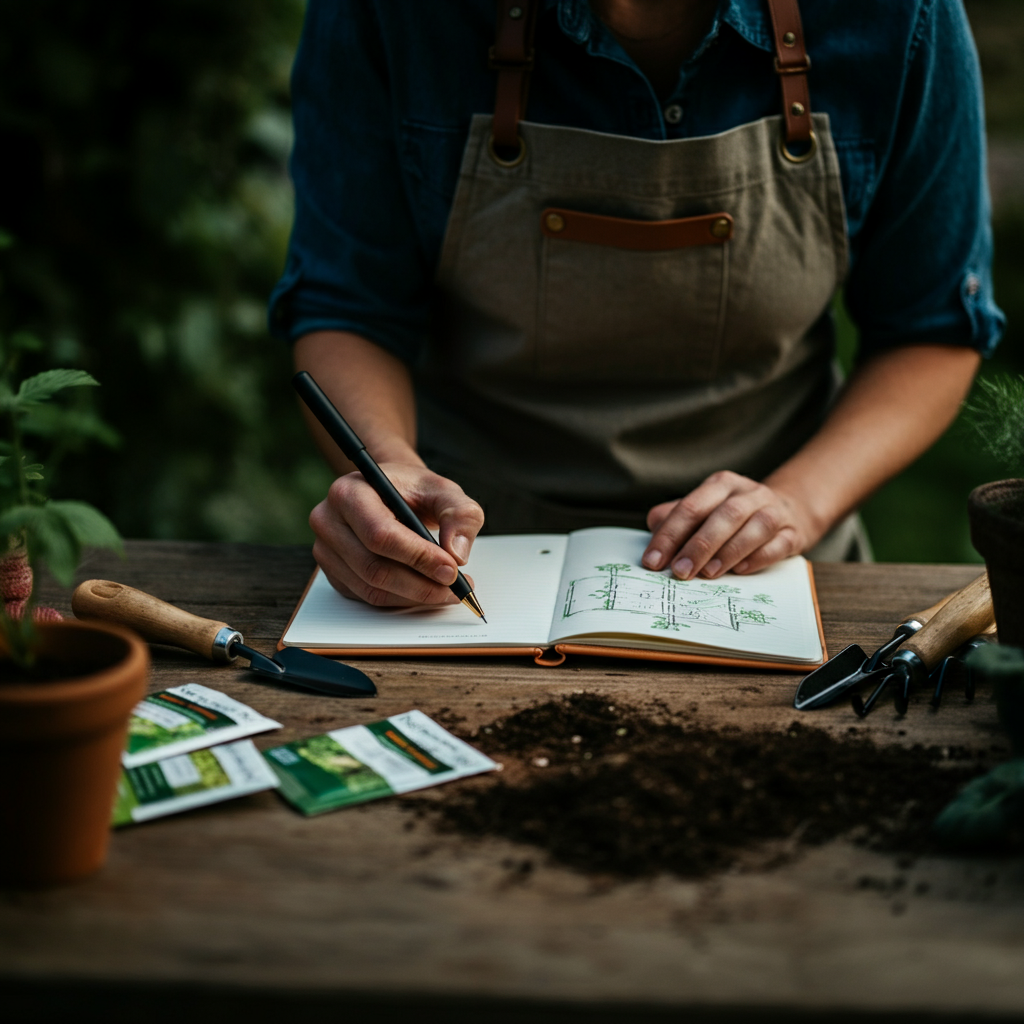
Step 1: Planning Your Garden
Before you even touch a trowel, take the time to plan your garden. Consider the amount of sunlight your space receives. Most vegetables and flowering plants need at least six hours of direct sunlight per day. Observe your yard at different times of the day to determine which areas are sunniest. Next, think about your local climate and growing season. Research which plants thrive in your region and when the best time to plant them is. Consider what you actually want to grow. It's tempting to plant everything, but starting with a few easy-to-grow vegetables or herbs is a more manageable approach.
Step 2: Preparing the Soil
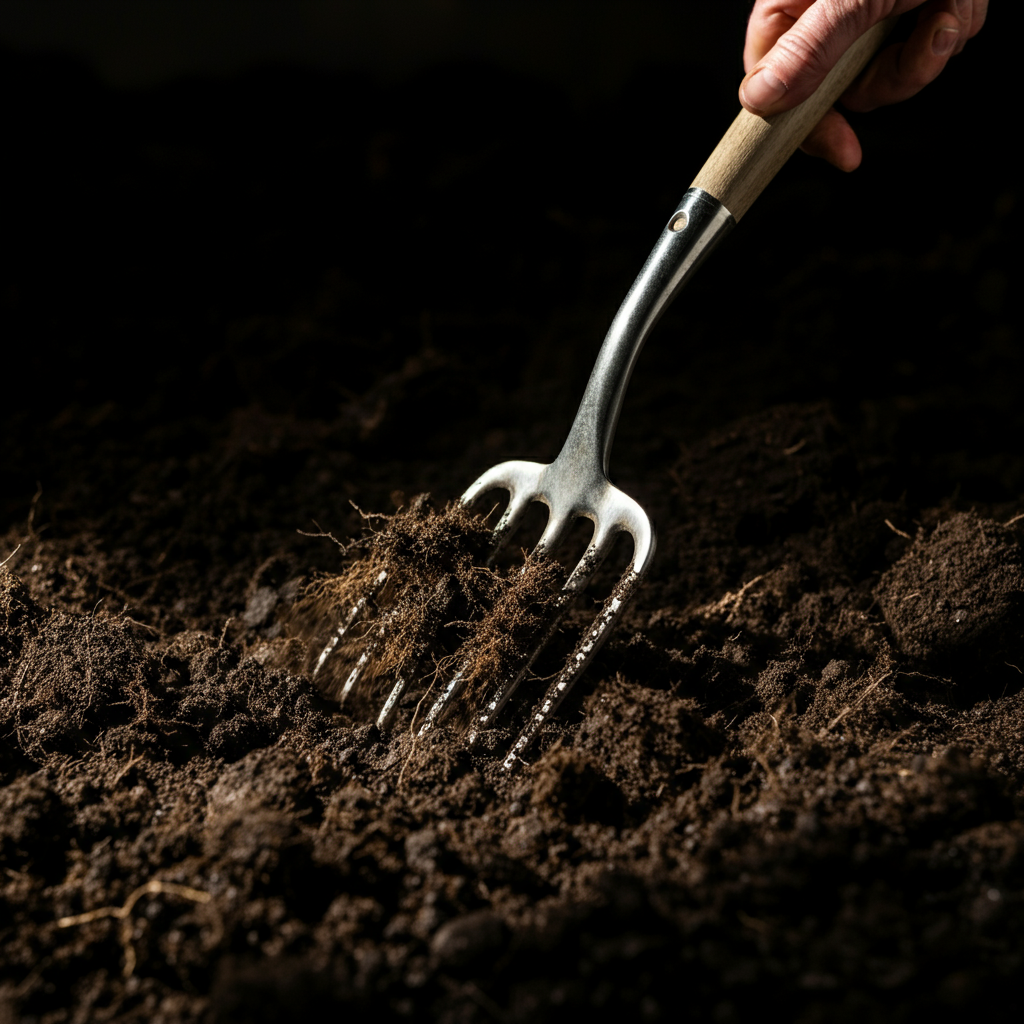
Healthy soil is the foundation of a thriving garden. Most garden soils benefit from amending with compost or other organic matter. Compost improves soil structure, drainage, and fertility. Test your soil's pH level using a home testing kit or by sending a sample to a local agricultural extension office. Most plants prefer a slightly acidic pH between 6.0 and 7.0. If your soil is compacted, till or loosen it to improve root growth. Remove any rocks, weeds, or debris.
Step 3: Choosing Your Plants
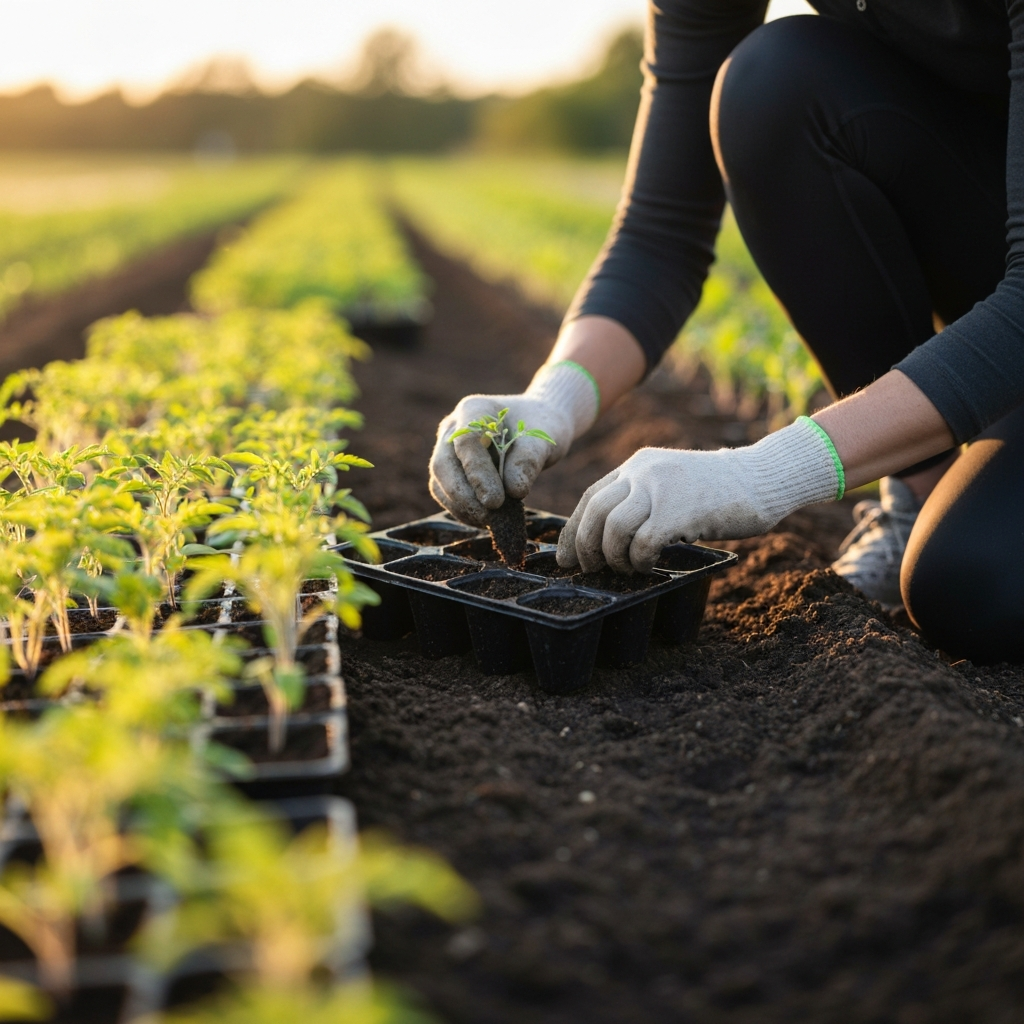
When selecting plants, consider your local climate, soil conditions, and personal preferences. Opt for disease-resistant varieties whenever possible. You can start plants from seed indoors, purchase seedlings from a nursery, or even transplant established plants from other areas of your garden. If starting from seed, follow the instructions on the seed packet carefully. Pay attention to spacing requirements when planting to ensure adequate air circulation and sunlight exposure.
Step 4: Watering and Fertilizing
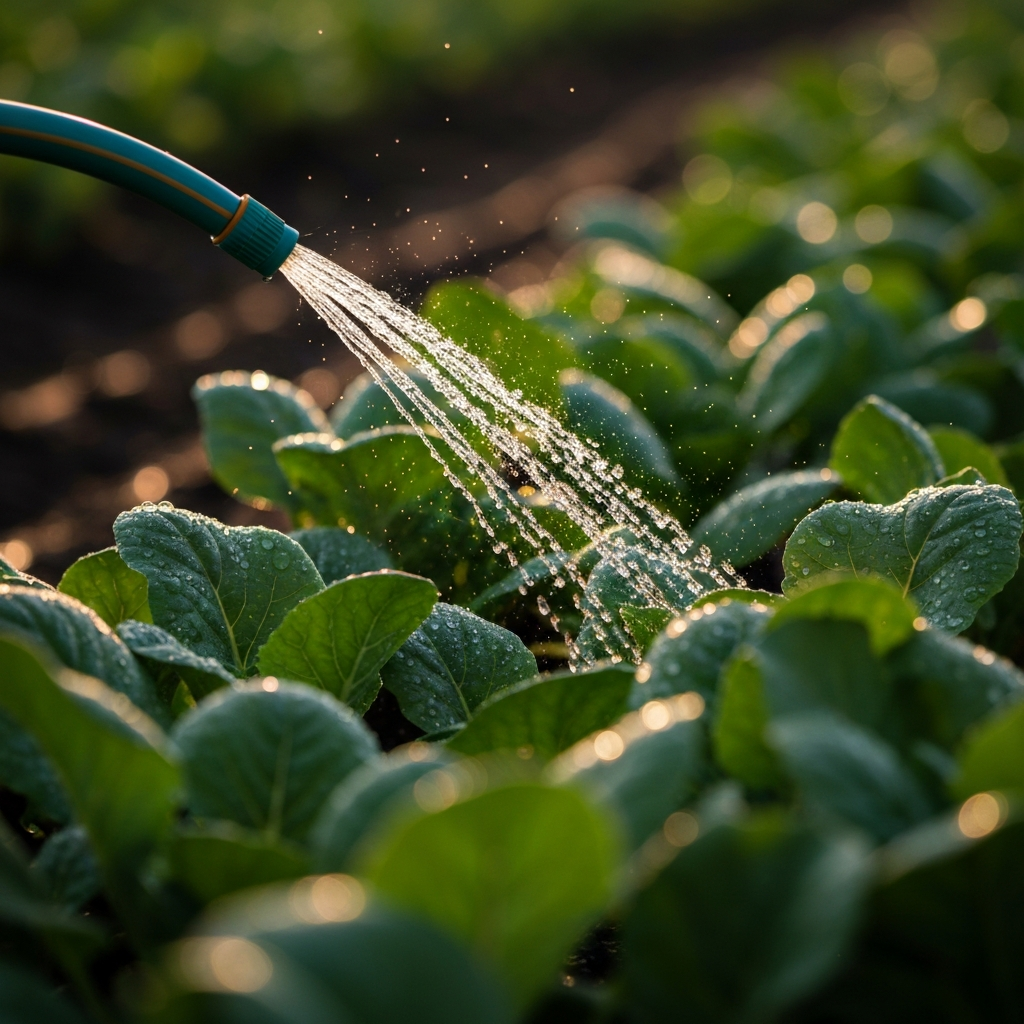
Proper watering is crucial for plant health. Water deeply and less frequently, rather than shallowly and often. This encourages deep root growth, making plants more drought-tolerant. Water early in the morning to minimize evaporation. Avoid overhead watering, which can promote fungal diseases. Use a soaker hose or drip irrigation system to deliver water directly to the roots. Fertilize your plants regularly with a balanced fertilizer, following the instructions on the product label. Avoid over-fertilizing, which can burn the roots.
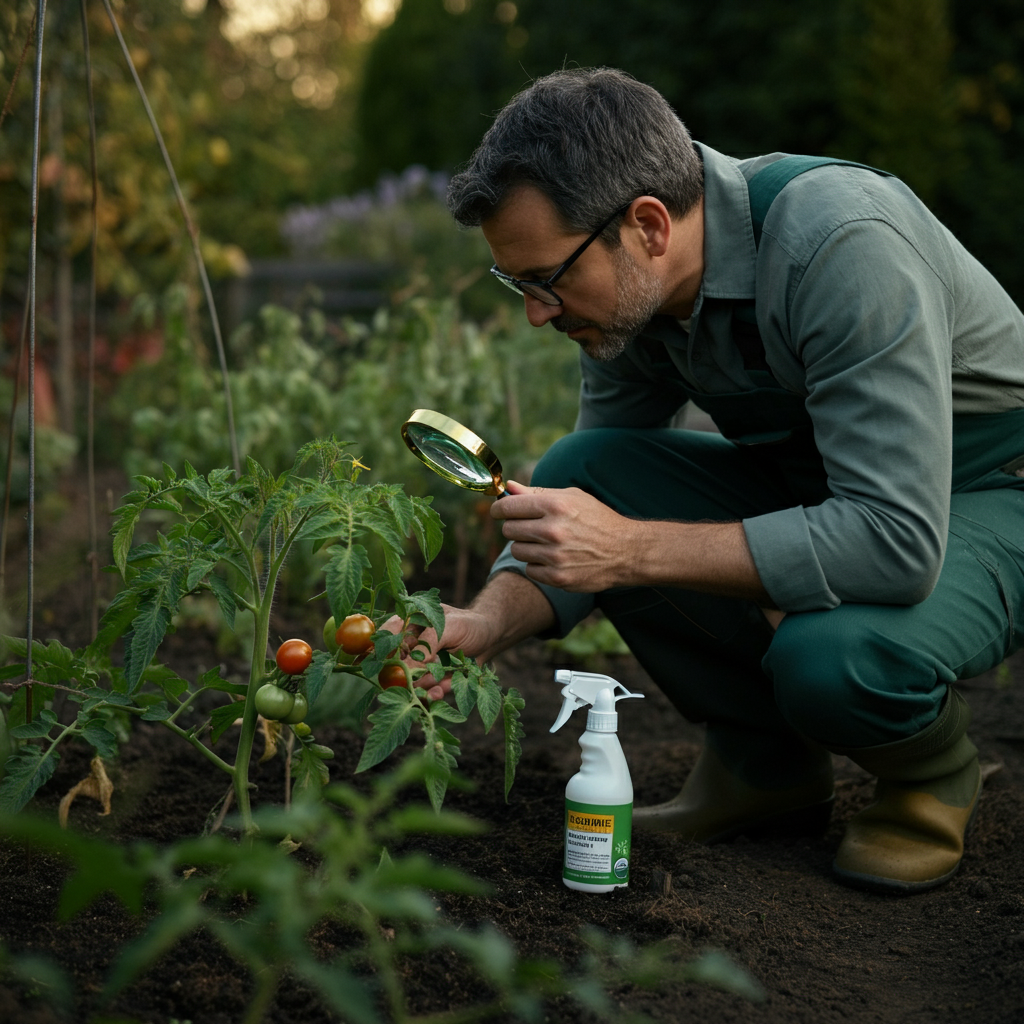
Step 5: Pest and Disease Control
Monitor your plants regularly for signs of pests or diseases. Early detection is key to preventing widespread problems. Handpick pests whenever possible. Use organic pest control methods, such as insecticidal soap or neem oil, to control infestations. Promote beneficial insects, such as ladybugs and lacewings, by planting flowers that attract them. Ensure good air circulation and drainage to prevent fungal diseases. Remove any diseased plants promptly to prevent the spread of infection.
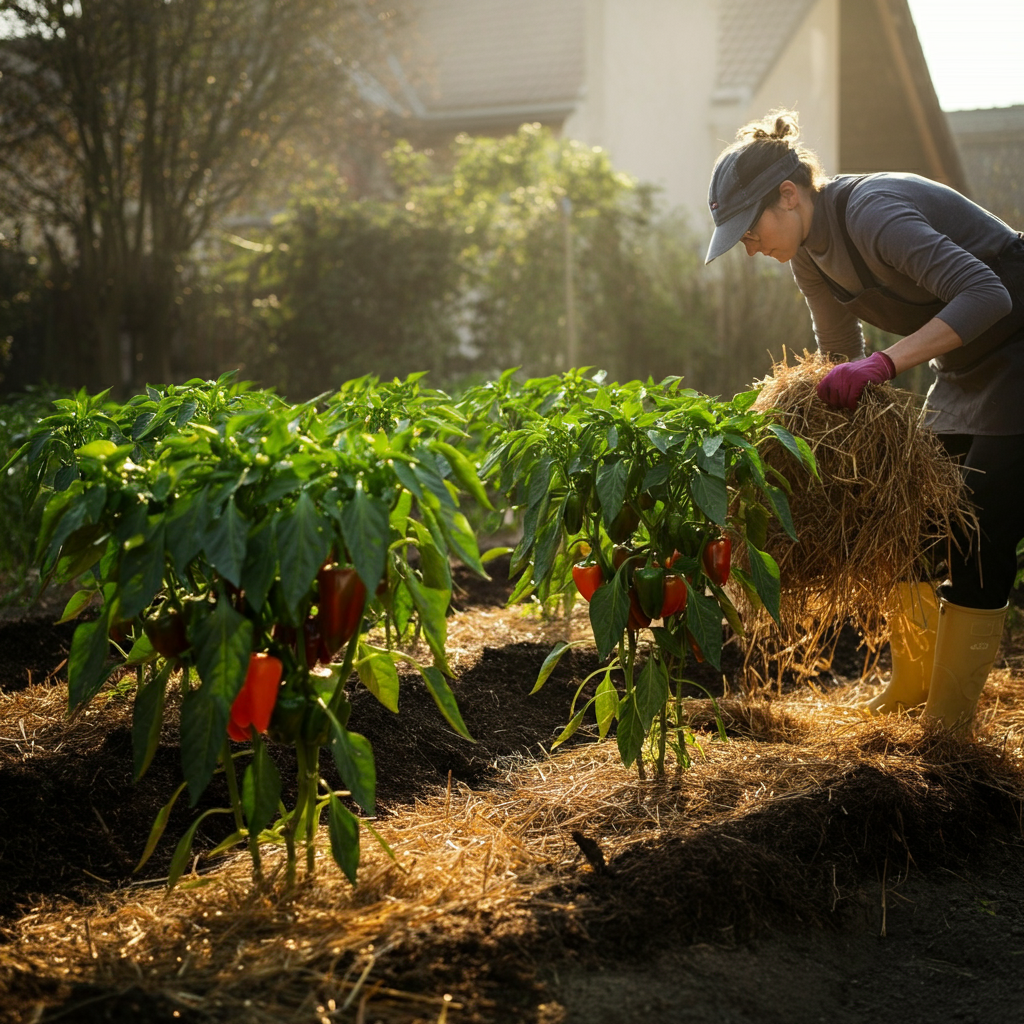
Step 6: Weeding and Mulching
Weeds compete with your plants for water, nutrients, and sunlight. Regularly remove weeds by hand or with a hoe. Apply a layer of mulch around your plants to suppress weed growth, conserve moisture, and regulate soil temperature. Organic mulches, such as straw, wood chips, or shredded leaves, also decompose over time, adding nutrients to the soil.
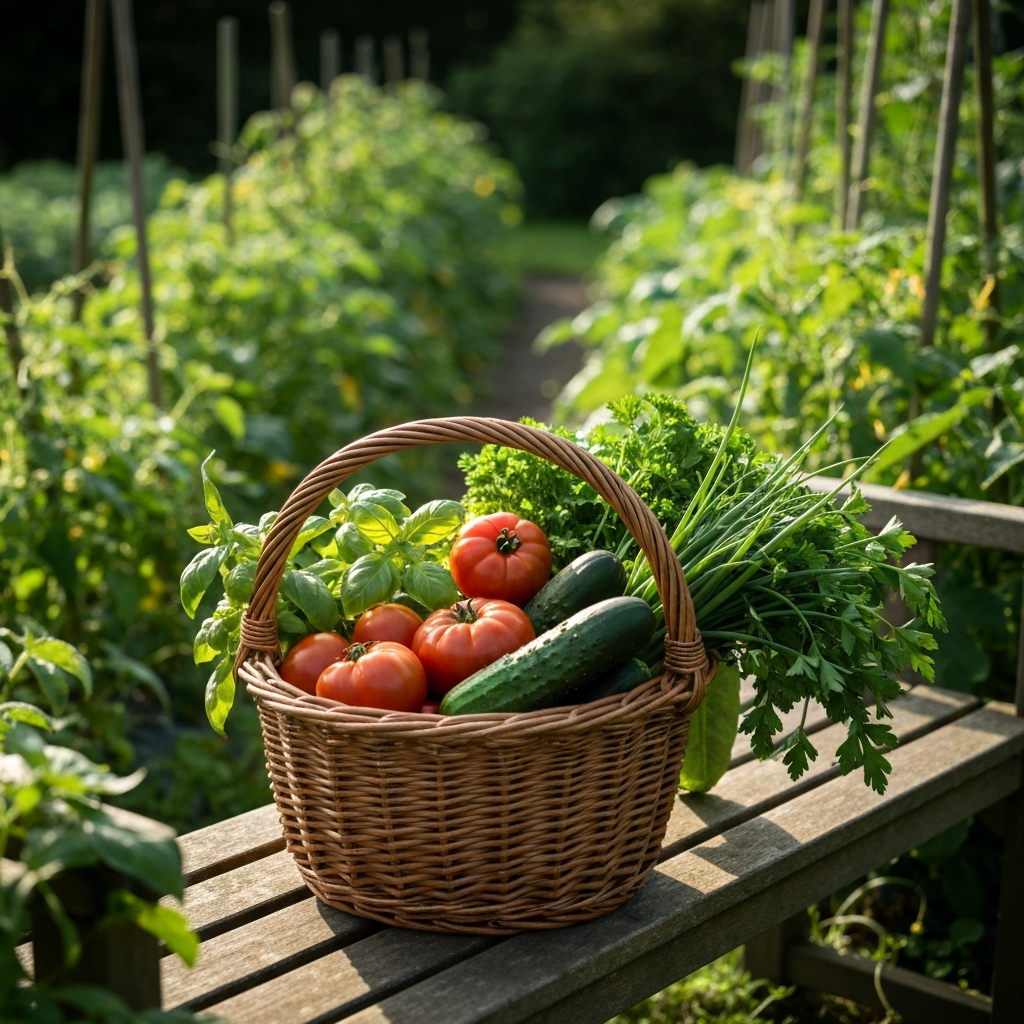
Step 7: Harvesting and Enjoying
Harvest your vegetables, fruits, and herbs when they are ripe and at their peak flavor. Regular harvesting encourages continued production. Share your bounty with friends, family, and neighbors. Preserve your harvest by canning, freezing, or drying. Enjoy the fruits (and vegetables!) of your labor.
Tools or Materials Required
- Gardening gloves
- Trowel
- Hand rake
- Garden fork or tiller
- Watering can or hose
- Fertilizer
- Pest control products
- Mulch
- Seeds or seedlings
- Compost
Common Mistakes to Avoid
- Planting in the wrong location (insufficient sunlight)
- Overwatering or underwatering
- Over-fertilizing
- Ignoring pests and diseases
- Neglecting to weed
- Not planning ahead
Pro Tips
- Keep a gardening journal to track your successes and failures.
- Rotate your crops each year to prevent soil depletion and pest problems.
- Start small and expand your garden gradually.
- Don't be afraid to ask for help from experienced gardeners.
- Join a local gardening club or community garden.
FAQ Section
Q: How often should I water my plants?
A: Water deeply when the top inch of soil feels dry to the touch. The frequency will depend on the weather, soil type, and plant species.
Q: What is the best type of fertilizer to use?
A: Use a balanced fertilizer with equal amounts of nitrogen, phosphorus, and potassium (e.g., 10-10-10). Choose a fertilizer formulated for the specific types of plants you are growing.
Q: How can I prevent pests from damaging my plants?
A: Monitor your plants regularly, handpick pests, use organic pest control methods, and promote beneficial insects.
Conclusion
Gardening like a pro is within reach, even if you're just starting out. By carefully planning, preparing the soil, selecting the right plants, and following essential watering and pest control practices, you can create a thriving garden. Remember to learn from your experiences, experiment with new techniques, and most importantly, enjoy the process. Happy gardening!