Creating a garden that embodies both abundance and serenity requires more than just planting flowers. It involves intentionally designing your outdoor space using the principles of Feng Shui, an ancient Chinese practice that harmonizes individuals with their surrounding environment. A well-feng-shuied garden becomes a sanctuary, attracting positive energy (Qi) and promoting well-being in all aspects of your life.
By strategically arranging elements like plants, water features, and pathways, you can cultivate a space that nourishes your spirit and enhances your prosperity. This guide provides practical steps to transform your garden into a vibrant and balanced ecosystem that supports your intentions. Whether you have a sprawling estate or a small balcony garden, these principles can be adapted to any space.
Feng Shui is not about adhering to rigid rules, but rather about creating a personal connection with your environment. It's about tuning into your intuition and understanding how different elements affect your energy flow. Embrace experimentation and allow your garden to evolve as you deepen your understanding of Feng Shui principles. The result will be a space that truly reflects your inner self and supports your journey towards abundance and serenity.
Step 1: Understanding the Bagua Map
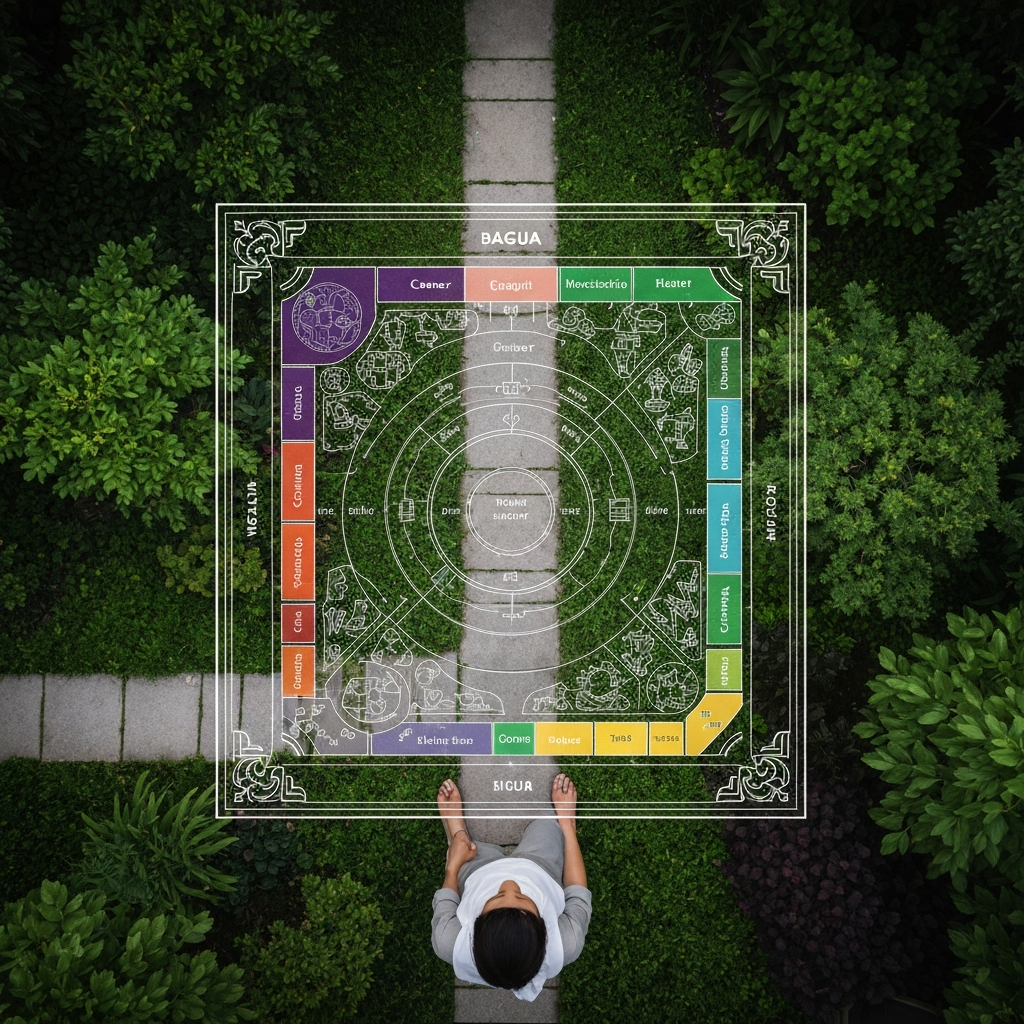
The Bagua map is a fundamental tool in Feng Shui, acting as an energy grid that overlays your garden (or any space). It represents nine key areas of life: Career, Knowledge, Family, Wealth, Fame, Love, Children, Skills and Helpful People. To use it, stand at the entrance to your garden and align the bottom edge of the Bagua with the entrance. This will then reveal which areas of your garden correspond to the different life aspects. Knowing this allows you to strategically enhance specific areas by placing appropriate elements.
Step 2: Clear Clutter and Obstacles
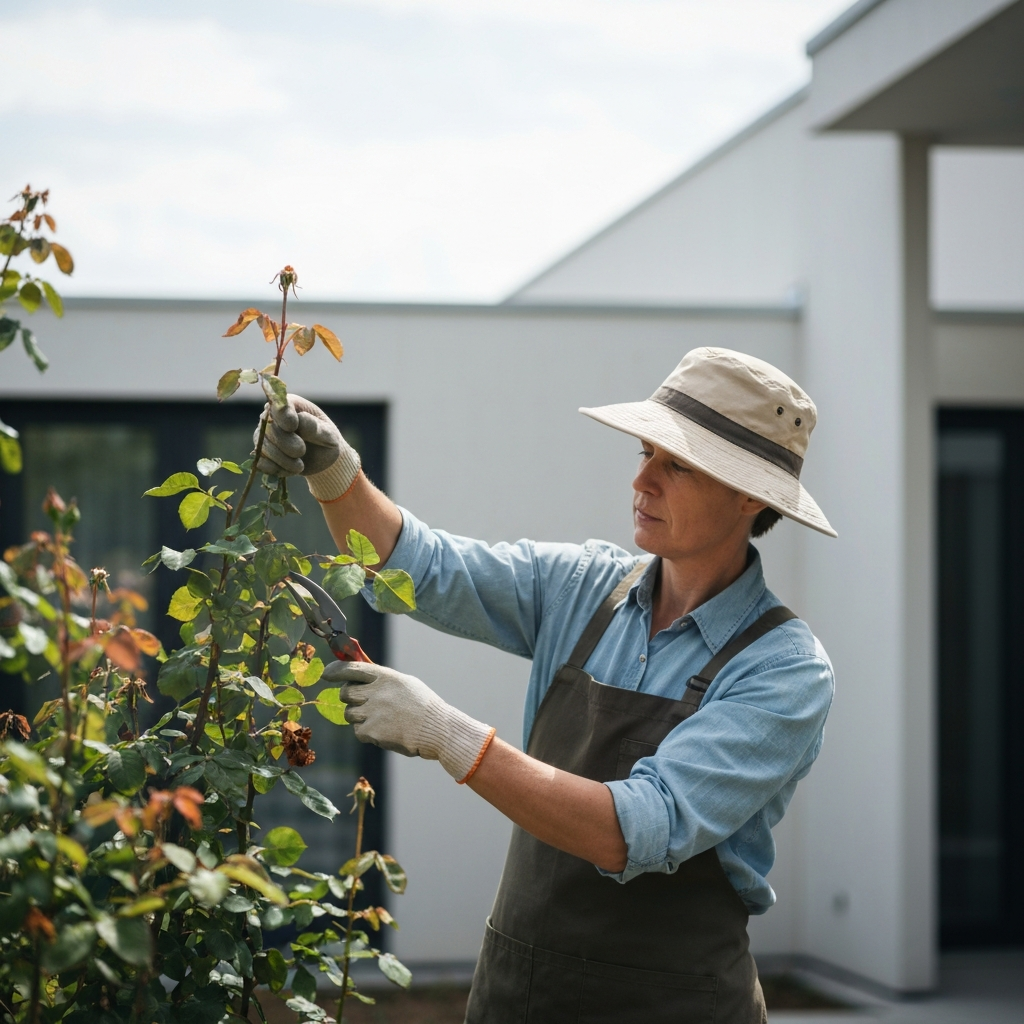
Before implementing any new Feng Shui elements, it’s crucial to clear away any clutter and remove obstacles that may be blocking the flow of Qi. This includes dead plants, overgrown weeds, broken furniture, or any items that no longer serve a purpose. Clutter represents stagnant energy, which can negatively impact your life. A thorough decluttering allows positive energy to circulate freely and revitalizes your garden's overall feel.
Step 3: Incorporate the Five Elements
The Five Elements – Wood, Fire, Earth, Metal, and Water – are essential components of Feng Shui. Each element corresponds to a different direction, color, and shape, and by incorporating all five elements in your garden, you create a balanced and harmonious environment. Wood represents growth and vitality, Fire represents passion and inspiration, Earth represents stability and grounding, Metal represents precision and clarity, and Water represents wisdom and flow. The key is to find ways to subtly integrate each element.
For example, you can incorporate Wood by using wooden benches, fences, or trellises. Fire can be represented by red or orange flowers, or by placing candles or a fire pit in your garden. Earth can be incorporated through the use of stones, terracotta pots, or by creating a raised garden bed. Metal can be represented by metal sculptures, wind chimes, or by using silver or gold-colored accents. Water can be added with a pond, fountain, or birdbath. Avoid an overabundance of any single element. Aim for balance to promote optimal energy flow.

Step 4: Design with Intention: Plant Selection & Placement
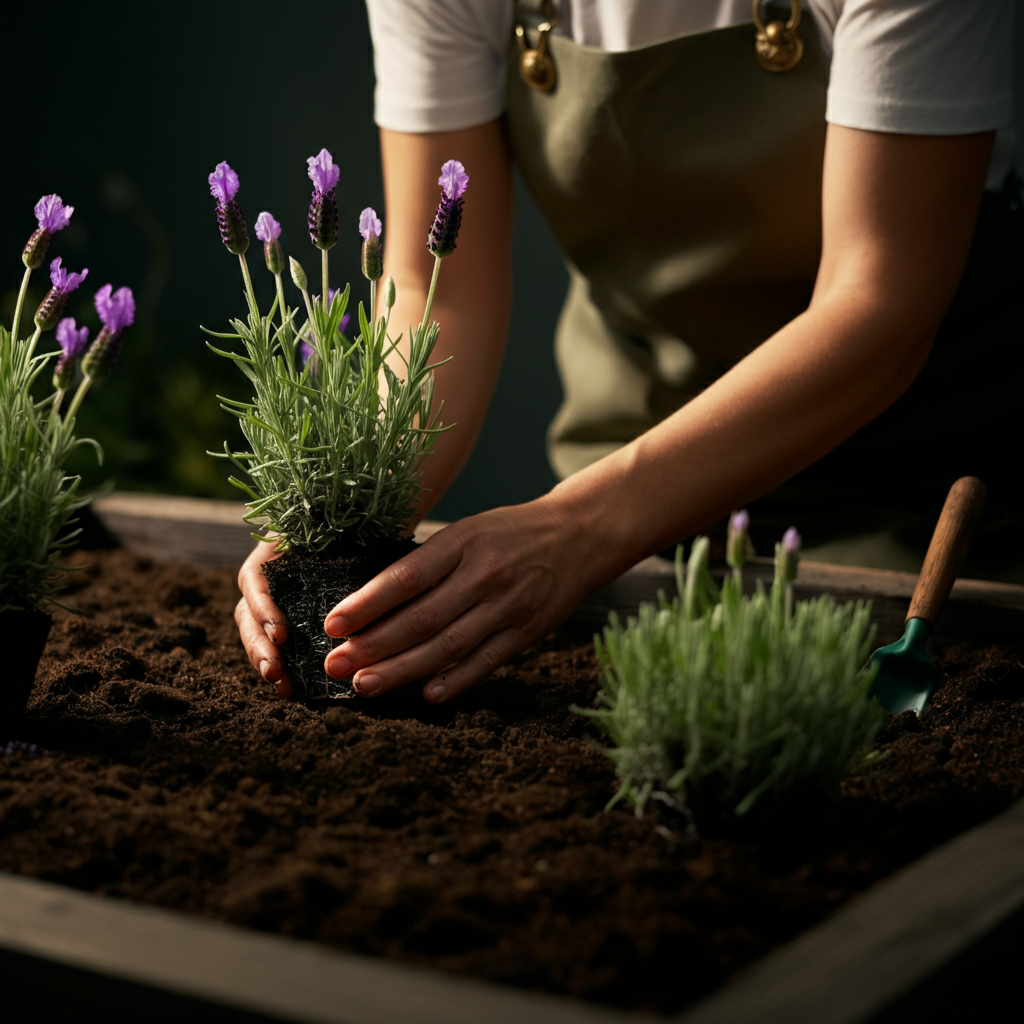
The plants you choose and where you place them significantly impacts the energy of your garden. Consider the symbolism of different plants and select those that align with your intentions. For example, lavender, with its calming scent and purple blooms, is often associated with peace, purity, love, and protection, and can be used for attracting new customers and bringing financial success. Position plants strategically in areas corresponding to their energetic properties on the Bagua map. Ensure that plants are healthy and well-maintained.
Step 5: Create a Flowing Pathway
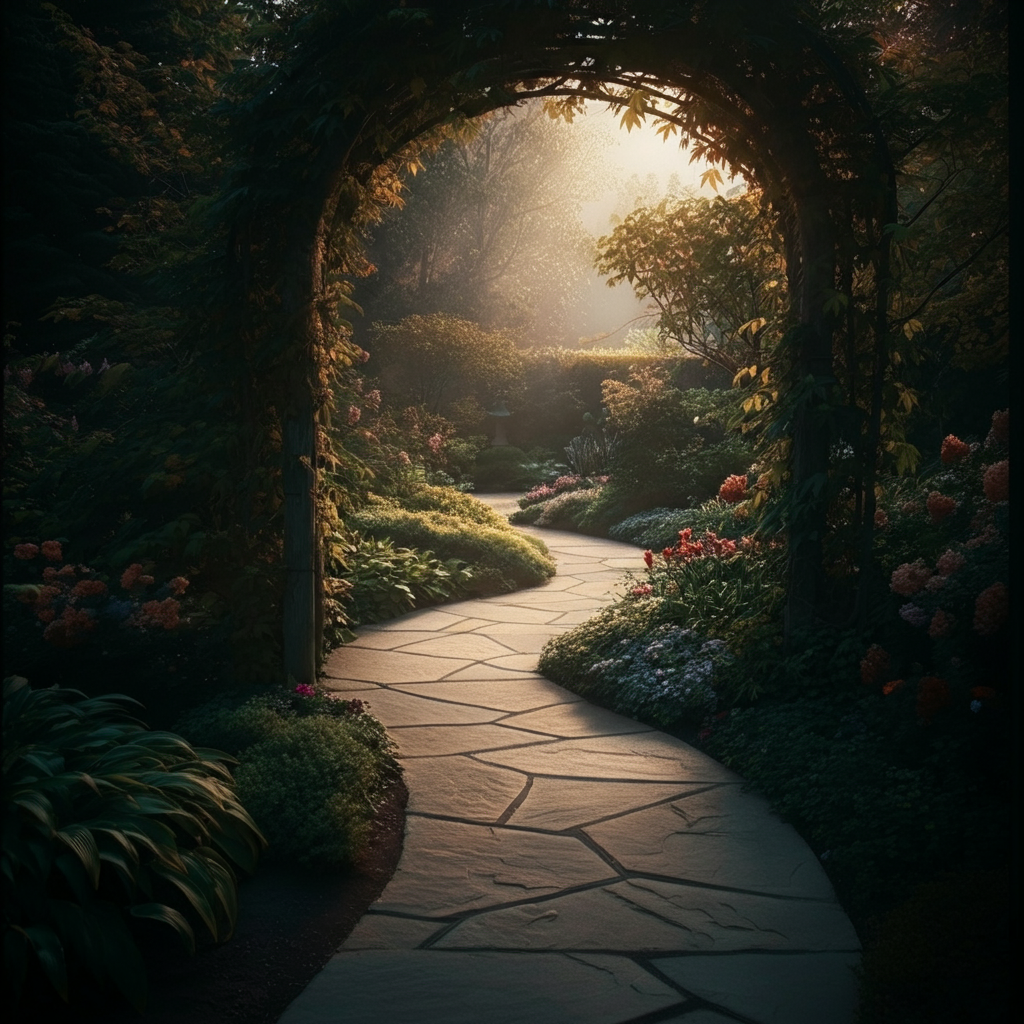
Pathways are crucial for guiding Qi through your garden. A winding pathway that meanders gently through the space is preferable to a straight, direct path. A winding path allows Qi to gather and circulate, rather than rushing straight through. Use natural materials like gravel, stepping stones, or wood chips to create a welcoming and grounding effect. Avoid sharp turns or obstacles that could disrupt the flow of energy.
Step 6: Water Features for Prosperity and Abundance
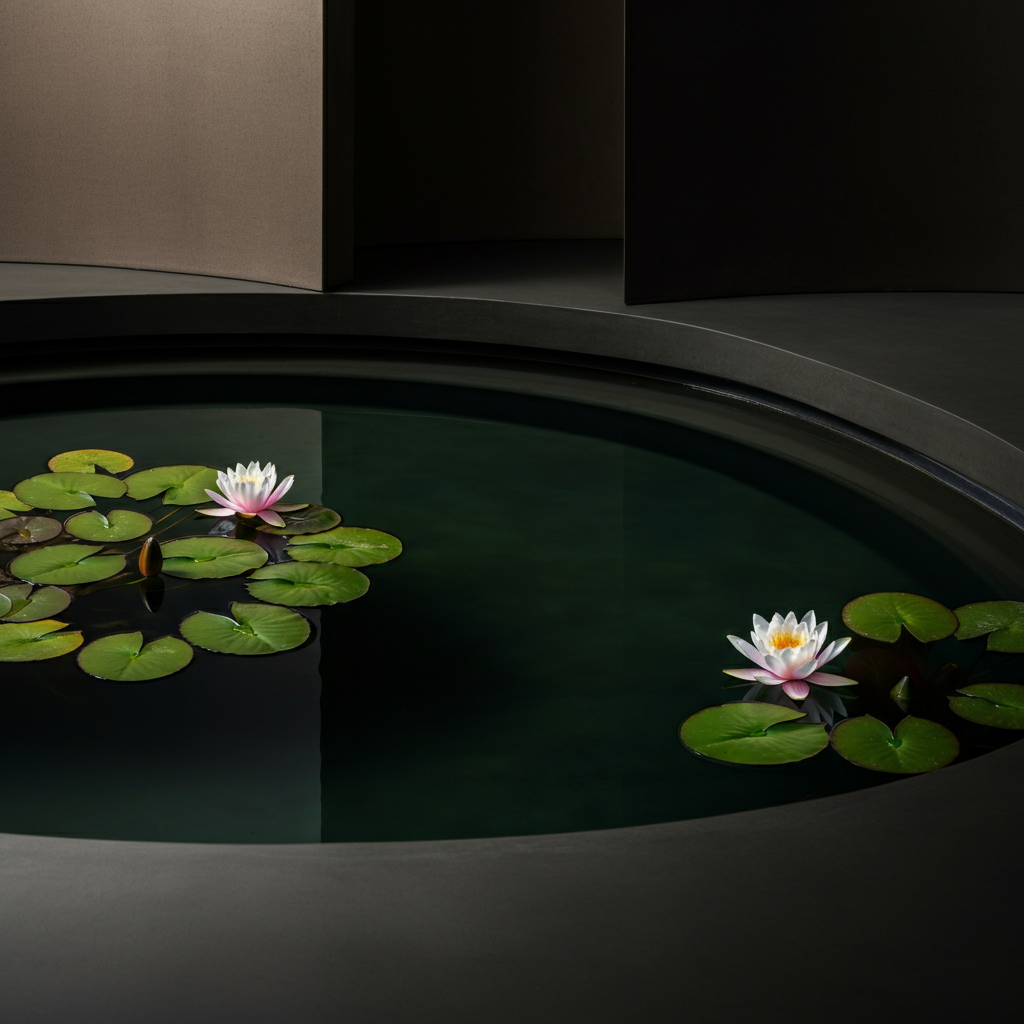
Water is a powerful symbol of wealth and abundance in Feng Shui. Adding a water feature, such as a pond, fountain, or birdbath, can attract positive energy and enhance the flow of prosperity in your life. Place the water feature in the wealth area of your garden (according to the Bagua map) to maximize its effect. Ensure the water is clean and flowing freely to avoid stagnation, which can symbolize financial setbacks.
Step 7: Add Wind Chimes for Harmonious Energy
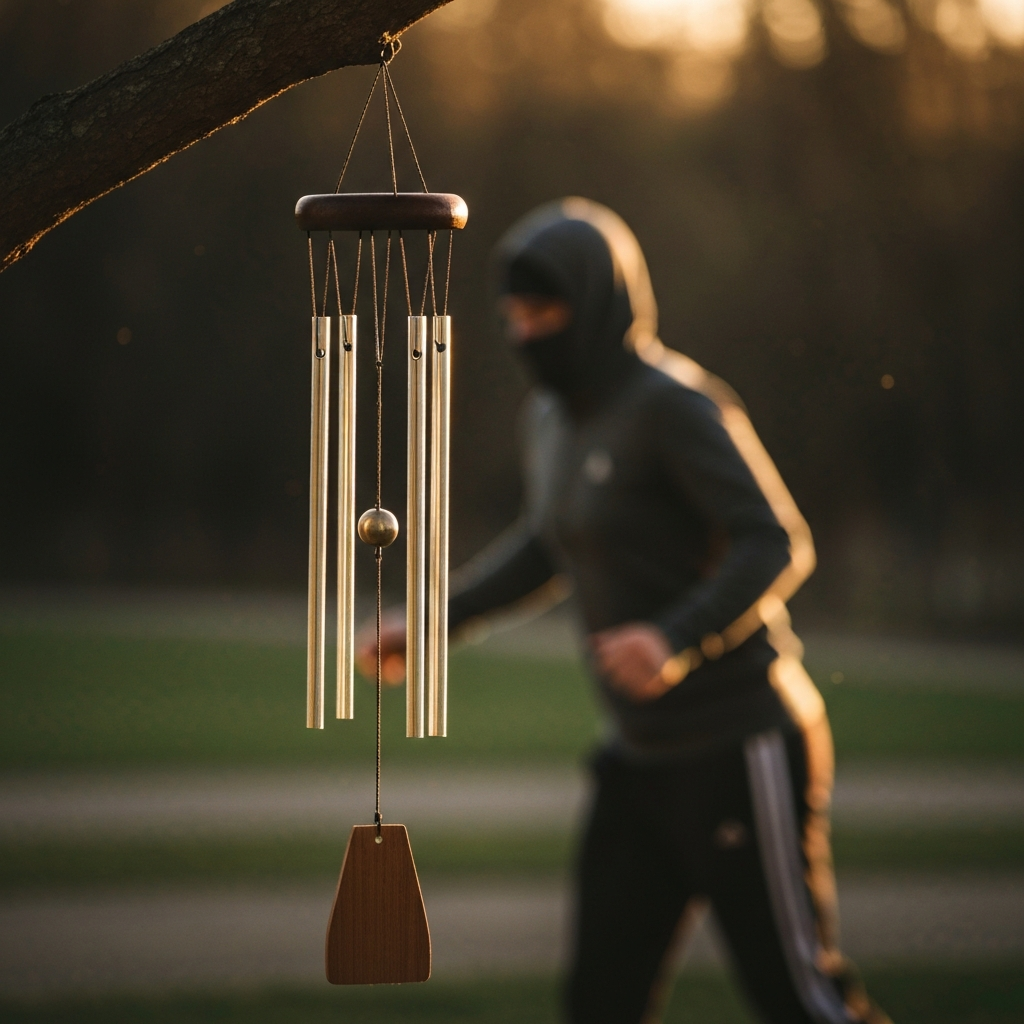
Wind chimes are a great way to activate and harmonize the energy in your garden. The gentle sound of the chimes can soothe the mind and promote a sense of peace and relaxation. Choose wind chimes made from materials that correspond to the element you wish to enhance in a particular area of your garden. For example, metal wind chimes are excellent for the Helpful People area, while wooden chimes are suitable for the Family area. Avoid placing wind chimes directly in front of your entrance, as this can block the flow of Qi.
Step 8: Introduce Garden Art and Statues
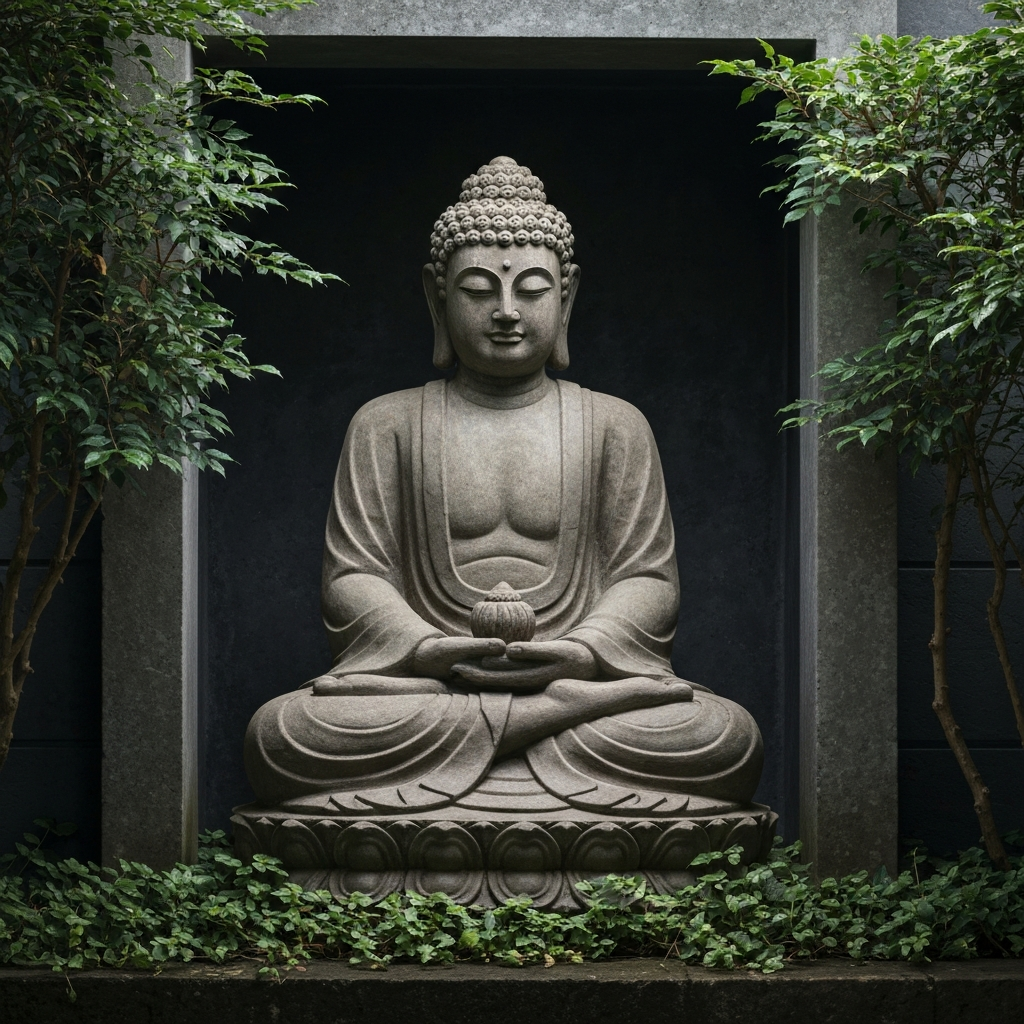
Garden art and statues can add personality and character to your outdoor space, while also enhancing its Feng Shui. Choose pieces that resonate with you and that symbolize the qualities you wish to cultivate in your life. For example, a statue of a Buddha can promote peace and serenity, while a statue of a dragon can represent strength and good fortune. Be mindful of the size and placement of your art, ensuring it is proportionate to the surrounding area and doesn't obstruct the flow of Qi.
Safety Considerations
When implementing Feng Shui principles in your garden, safety should always be a priority. Ensure that pathways are well-lit and free of tripping hazards. If you have a pond or water feature, take precautions to prevent accidents, especially if you have young children or pets. Be mindful of the plants you choose, avoiding those that are poisonous or allergenic. Use natural and non-toxic materials whenever possible to minimize your environmental impact and protect your health.
Conclusion
By following these steps, you can transform your garden into a sanctuary that promotes abundance and serenity. Remember that Feng Shui is a journey, not a destination. Be patient, trust your intuition, and allow your garden to evolve as you deepen your understanding of these principles. With intentional design and mindful attention, your outdoor space can become a powerful source of positive energy and well-being.