Creating a beautiful and thriving garden doesn't have to break the bank, nor does it have to drain precious water resources. A drought-resistant garden, designed with careful planning and thrifty choices, can be both aesthetically pleasing and environmentally responsible. This guide will walk you through the steps to transform your yard into a water-wise oasis, proving that sustainability and affordability can go hand-in-hand.
The key to success lies in understanding your local climate, selecting the right plants, and implementing water-saving techniques. Remember, thoughtful design and resourceful sourcing are your best allies in building your dream garden without exceeding your budget. Let's dive in and explore the possibilities!
This guide will empower you to create a stunning, low-maintenance landscape that conserves water and flourishes in even the driest conditions. From soil preparation to plant selection, we’ll cover the essential steps, offering practical tips and cost-effective strategies to help you achieve your gardening goals.
Step 1: Assess Your Site and Microclimate
Understanding Your Garden's Unique Conditions
Before you even think about planting, take a thorough inventory of your site. Observe the amount of sunlight different areas receive throughout the day. Note the soil type – is it sandy, clayey, or loamy? Consider the prevailing winds and any existing drainage patterns. Knowing your site’s microclimate is crucial for selecting plants that will thrive with minimal water and effort. Areas close to buildings might be sheltered and warmer, while exposed areas will dry out faster.

Step 2: Plan Your Design with Water Conservation in Mind
Create a Scalable and Strategic Design
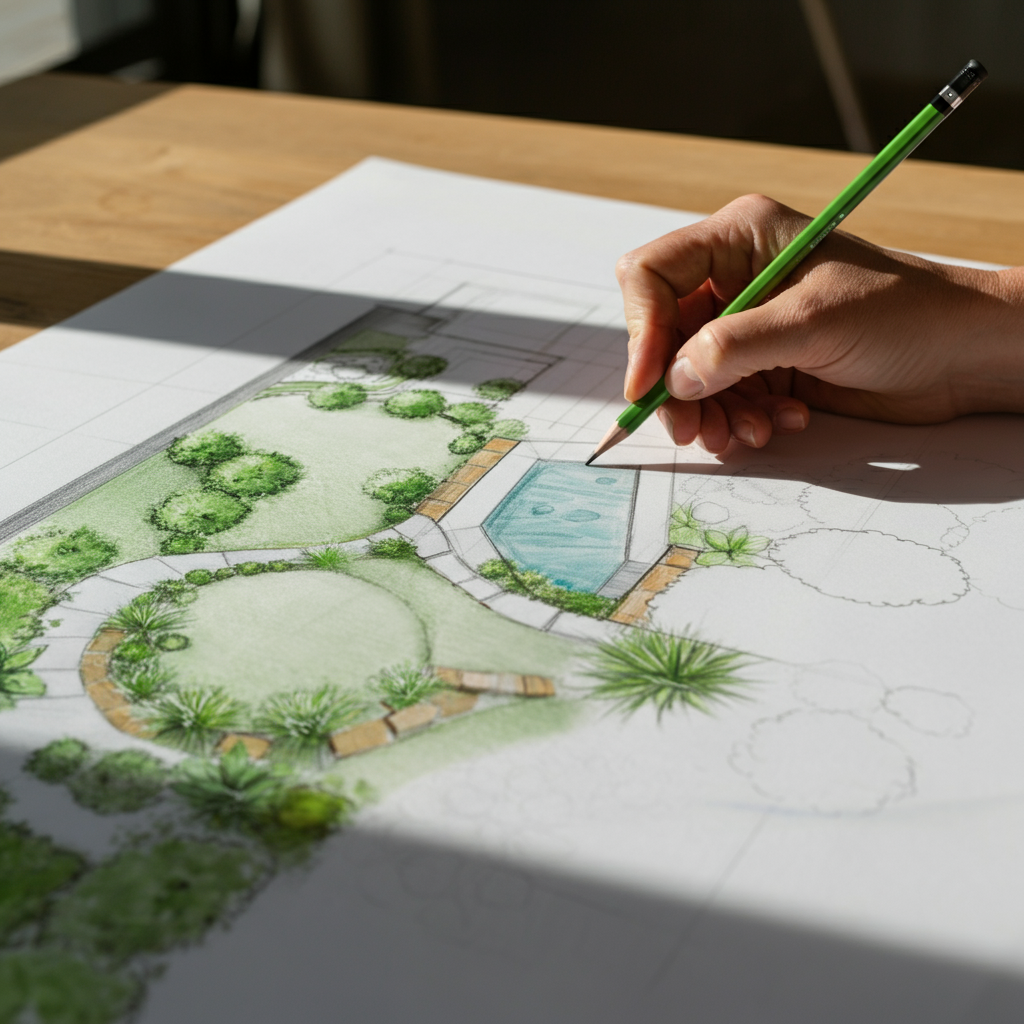
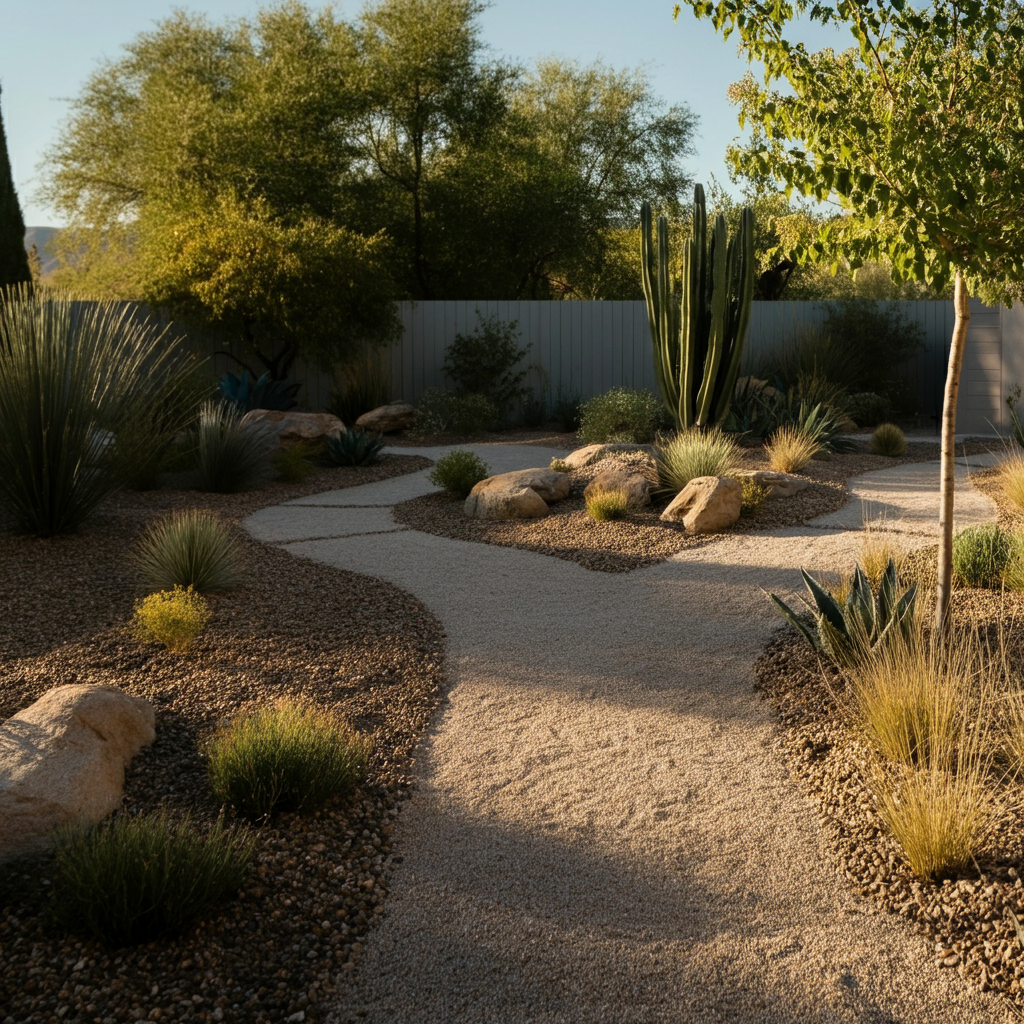
Once you understand your site, it's time to design! Sketch out a rough plan of your garden, designating areas for different plant types. Group plants with similar water needs together – this is known as hydrozoning. Place drought-tolerant plants in the sunniest, driest areas and those requiring more moisture in shadier, protected spots. Consider incorporating hardscaping elements like pathways, patios, and rock features, as these can reduce the amount of area that needs watering. Prioritize functionality and aesthetics in your design to maximize both beauty and water efficiency.
Step 3: Improve Your Soil for Optimal Water Retention
Nourish Your Soil for Thriving Plants
Healthy soil is the foundation of a drought-resistant garden. Amending your soil with organic matter, such as compost, aged manure, or leaf mold, will improve its water-holding capacity. This allows the soil to retain moisture for longer periods, reducing the need for frequent watering. Good soil structure also improves drainage, preventing waterlogging and root rot, which can be detrimental to drought-tolerant plants. Work the organic matter into the top 6-8 inches of soil before planting. You can often find compost at discounted rates from local municipalities or community gardens.

Step 4: Choose Drought-Tolerant Plants Wisely
Selecting the Right Plants for Your Climate
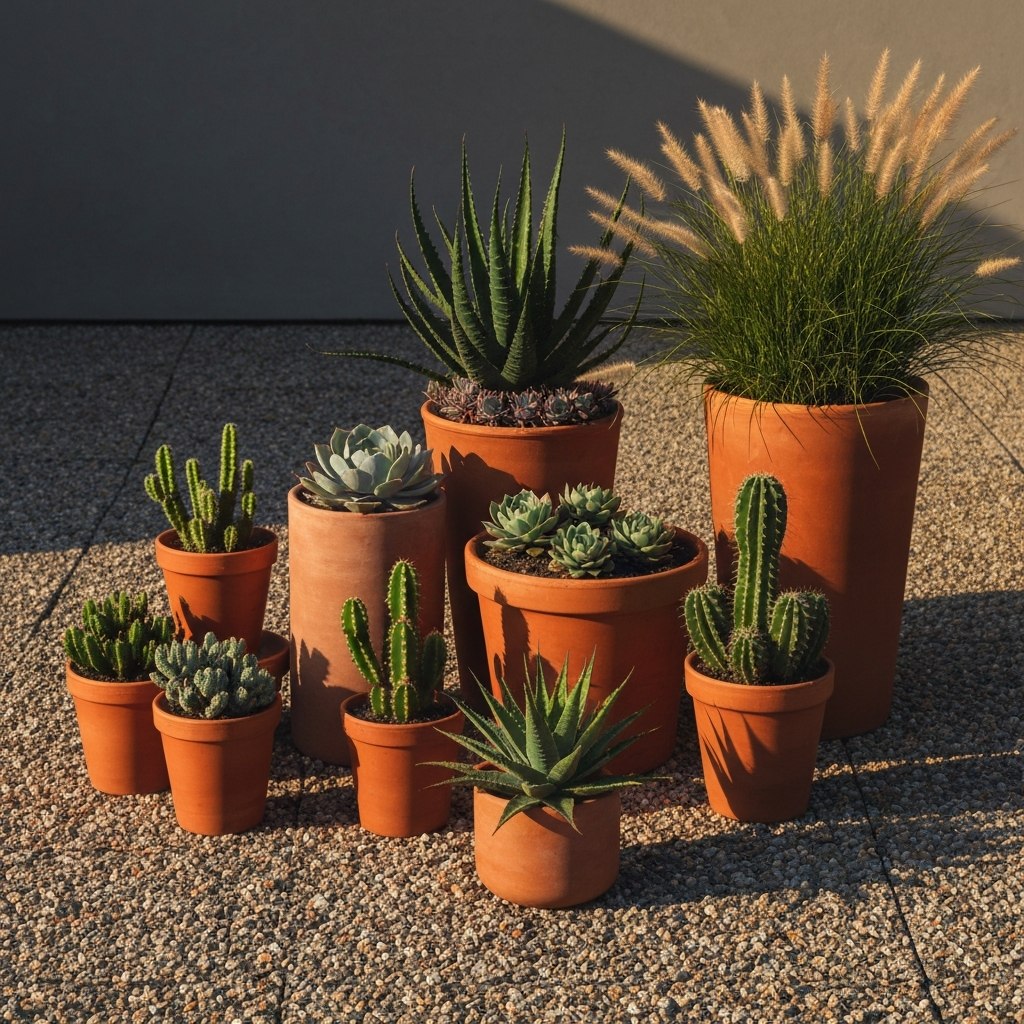
Selecting the right plants is paramount for a drought-resistant garden. Choose native plants whenever possible, as they are naturally adapted to your local climate and require minimal supplemental watering. Succulents, cacti, and ornamental grasses are also excellent choices for dry gardens. Research the specific water needs of each plant before planting to ensure they are compatible with your site conditions. Consider purchasing smaller, less expensive plants, as they will adapt to your garden faster than larger, established ones. Look for sales at local nurseries or propagate plants from cuttings or seeds to save even more money.
Step 5: Implement Efficient Watering Techniques
Water Smart, Not Hard
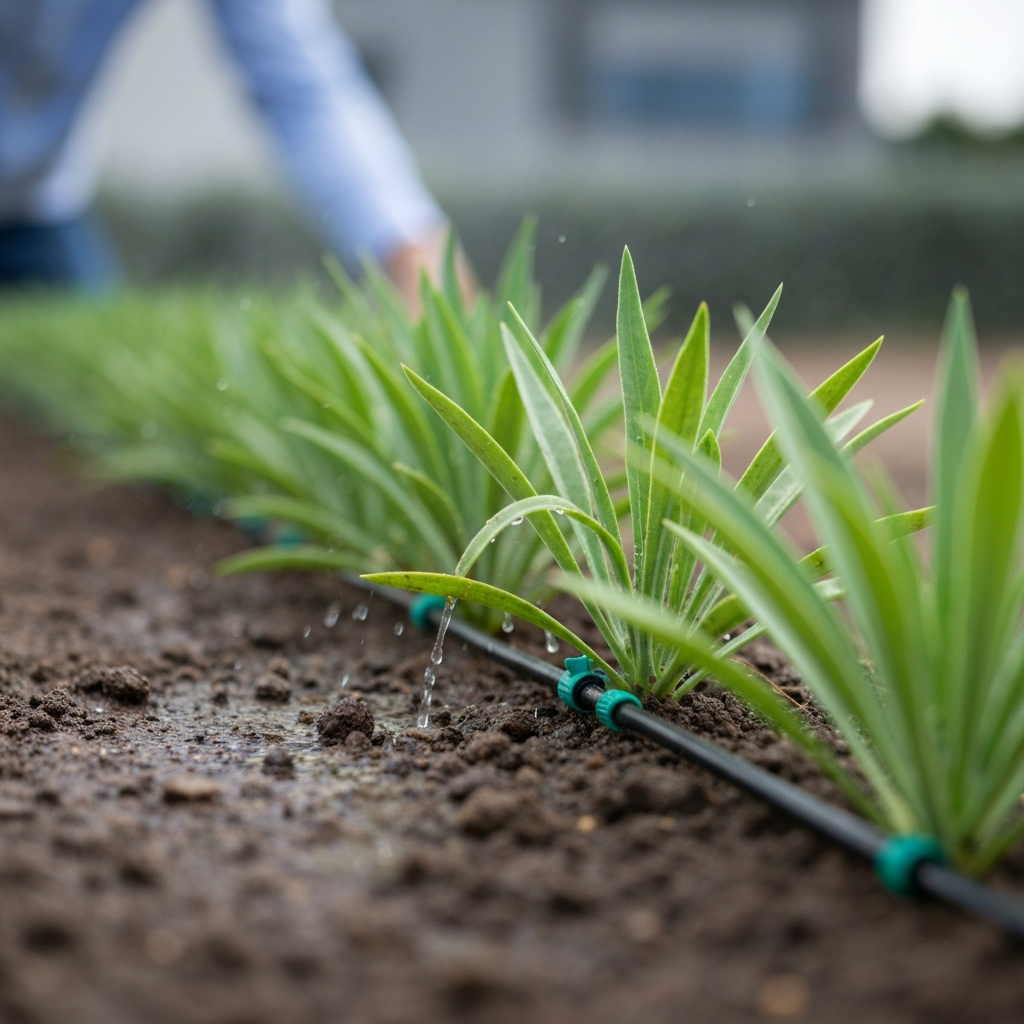
Even drought-tolerant plants need some water, especially when they are first getting established. However, you can significantly reduce your water consumption by using efficient watering techniques. Drip irrigation and soaker hoses deliver water directly to the roots of plants, minimizing water loss from evaporation. Water deeply but infrequently, encouraging plants to develop deep root systems that can access moisture further down in the soil. Water in the early morning or late evening to minimize evaporation and maximize water absorption. Consider installing a rain barrel to collect rainwater for irrigation.
Step 6: Mulch, Mulch, Mulch!
The Power of Mulch
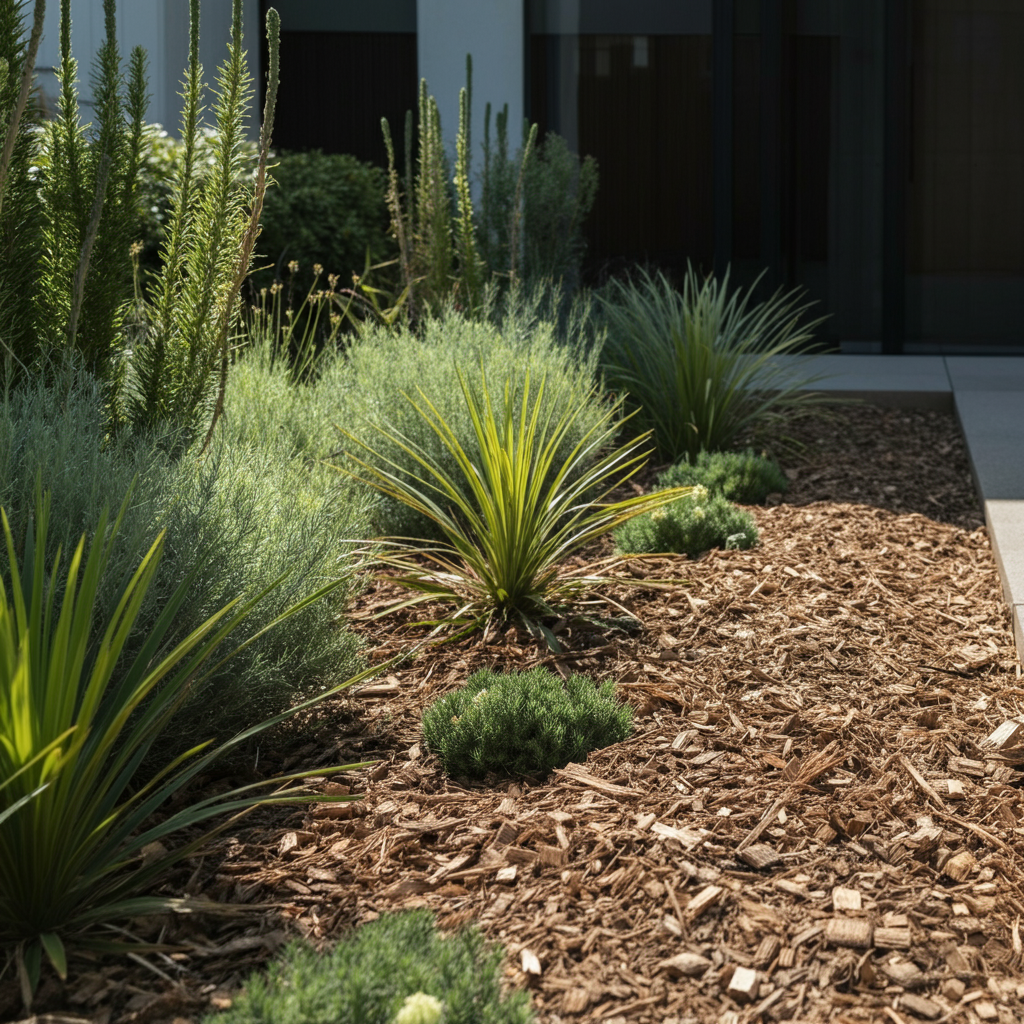
Mulching is one of the most effective ways to conserve water in your garden. A layer of mulch around your plants helps to retain soil moisture, suppress weeds, and regulate soil temperature. Organic mulches, such as wood chips, shredded bark, or straw, also decompose over time, adding valuable nutrients to the soil. Apply a 2-4 inch layer of mulch around your plants, keeping it away from the stems to prevent rot. You can often obtain free mulch from local tree trimming services or by composting your own yard waste.
Step 7: Embrace Xeriscaping Principles
Transform Your Landscape into a Water-Wise Paradise
Xeriscaping is a landscaping method specifically designed to reduce or eliminate the need for irrigation. It involves using drought-tolerant plants, efficient watering techniques, and creative hardscaping to create a beautiful and sustainable garden. Consider replacing traditional lawn with drought-tolerant groundcovers, gravel pathways, or rock gardens. Group plants with similar water needs together to further optimize water usage. Xeriscaping can not only save you money on your water bill but also reduce your environmental impact.
Tools or Materials Required
- Shovel
- Rake
- Trowel
- Gardening Gloves
- Watering Can or Hose
- Mulch (wood chips, shredded bark, or straw)
- Compost or other organic matter
- Drought-tolerant plants
- Drip irrigation system or soaker hoses (optional)
- Rain barrel (optional)
Common Mistakes to Avoid
- Planting plants with conflicting water needs together.
- Overwatering, even drought-tolerant plants.
- Not amending the soil with organic matter.
- Using the wrong type of mulch.
- Planting in the wrong location (e.g., shade-loving plants in full sun).
Safety Considerations
- Wear gloves when gardening to protect your hands.
- Use caution when lifting heavy objects, such as bags of soil or mulch.
- Stay hydrated, especially during hot weather.
- Be aware of potential hazards, such as insects and poisonous plants.
FAQ Section
- How often should I water my drought-tolerant plants?
- Water deeply but infrequently, allowing the soil to dry out between waterings. The frequency will depend on the specific plant and the weather conditions.
- What type of soil is best for a drought-resistant garden?
- Well-draining soil that is rich in organic matter is ideal.
- Can I use recycled water in my drought-resistant garden?
- Yes, greywater (water from showers, sinks, and washing machines) can be used to water your garden, but be sure to follow local regulations and avoid using it on edible plants.
Conclusion
Designing a drought-resistant dream garden on a dime is entirely achievable with careful planning, resourceful sourcing, and a commitment to water-wise practices. By understanding your site, selecting the right plants, and implementing efficient watering techniques, you can create a beautiful and sustainable garden that thrives even in dry conditions. Remember, every small step towards water conservation makes a big difference. Enjoy the process of transforming your yard into a low-maintenance, eco-friendly oasis that you can be proud of.