Creating a beautiful and thriving garden doesn't have to mean excessive water consumption. With careful planning and the right plant choices, you can design a stunning drought-resistant garden that conserves water while still providing beauty and enjoyment. This guide will walk you through the essential steps to transform your outdoor space into a water-wise oasis.
Drought-resistant gardening is about more than just planting succulents. It's a holistic approach that considers soil health, water management techniques, and thoughtful plant selection. By embracing these principles, you can create a sustainable landscape that thrives even during periods of low rainfall. The key is to mimic natural ecosystems that are adapted to arid conditions.
Let's embark on a journey to create a garden that is both beautiful and environmentally responsible. From assessing your site to selecting the perfect plants, this guide will provide you with the knowledge and tools you need to succeed.
Step 1: Assess Your Site and Climate
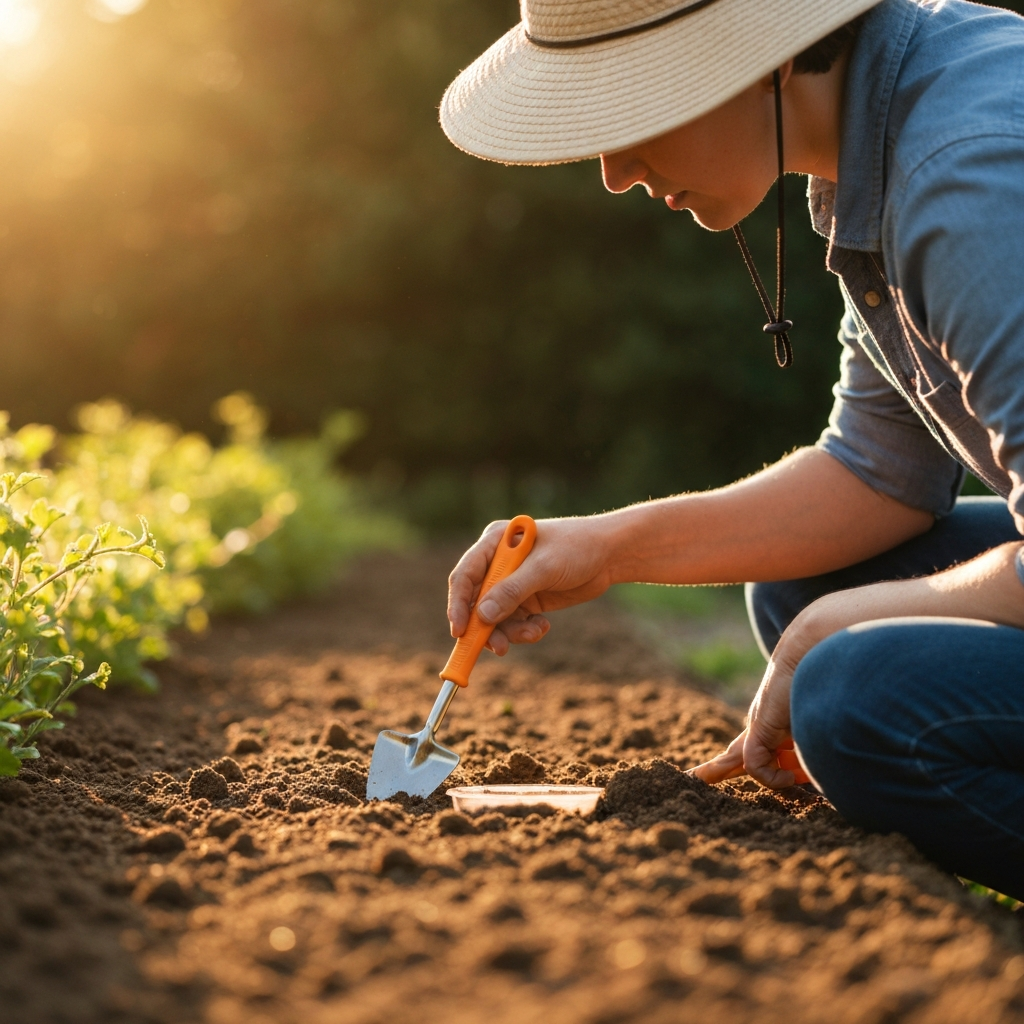
Before you even think about plants, it's crucial to understand your site's specific conditions. This includes analyzing the soil type, sun exposure, and microclimates within your garden. Is your soil sandy, clay, or loamy? How many hours of direct sunlight does each area receive? Are there any areas that tend to be more sheltered or exposed to wind? Understanding these factors will help you choose plants that are well-suited to your location, maximizing their chances of survival and minimizing the need for supplemental watering. Ignoring these factors is the most common mistake in drought-tolerant gardening.
Step 2: Improve Your Soil
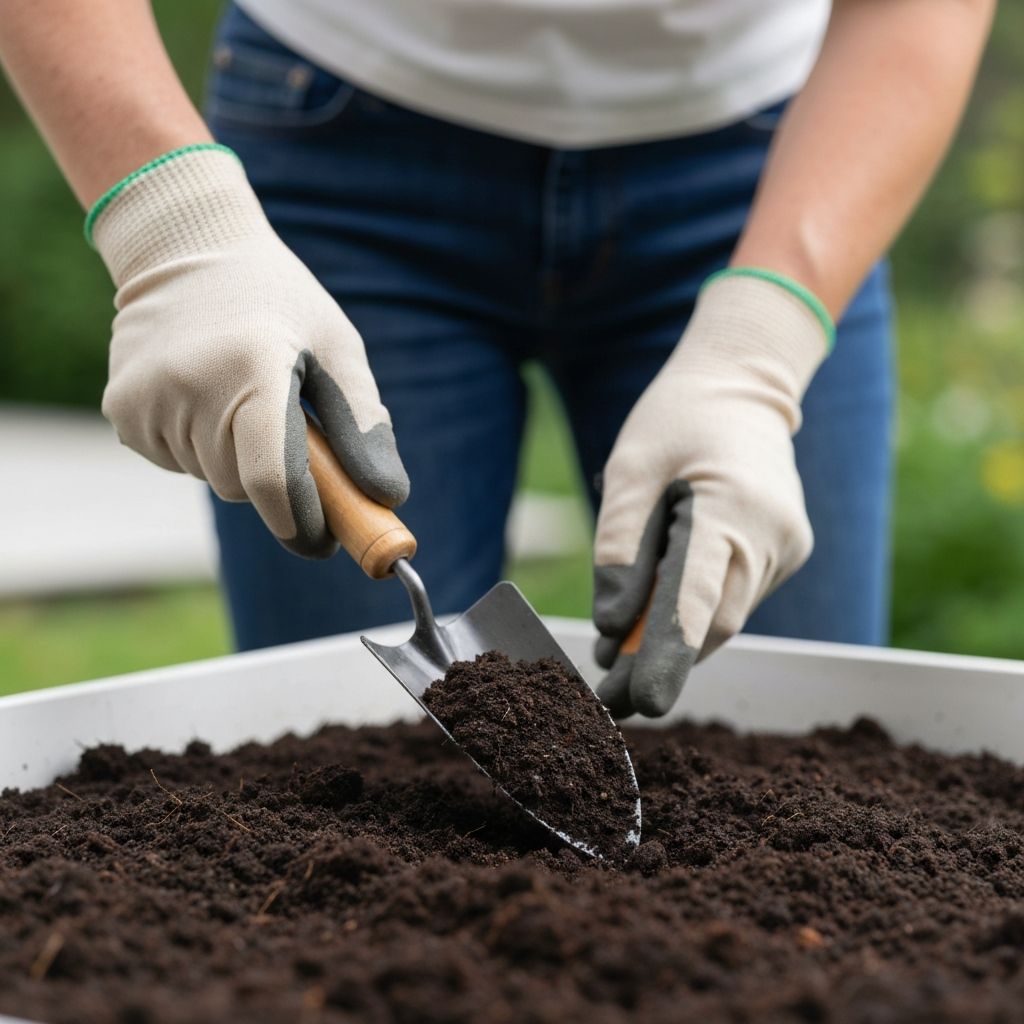
Healthy soil is the foundation of any successful garden, especially a drought-resistant one. Amending your soil with organic matter, such as compost or aged manure, improves its water-holding capacity and drainage. This allows plants to access water more efficiently and reduces the risk of root rot. Clay soils benefit from the addition of coarse sand and organic matter to improve drainage, while sandy soils benefit from organic matter to help retain moisture. Regularly adding mulch helps to keep soil moist and cool, as well as suppressing weeds.
Step 3: Design for Water Conservation
Thoughtful garden design can significantly reduce water waste. Group plants with similar water needs together to create hydrozones. This allows you to water efficiently, providing more water to plants that need it and less to those that don't. Consider incorporating hardscaping elements such as gravel paths, patios, and rock gardens to reduce the amount of lawn area, which typically requires more water than other types of landscaping. Implement strategies such as swales to capture and redirect rainwater, allowing it to soak into the ground and replenish soil moisture.

Step 4: Choose the Right Plants
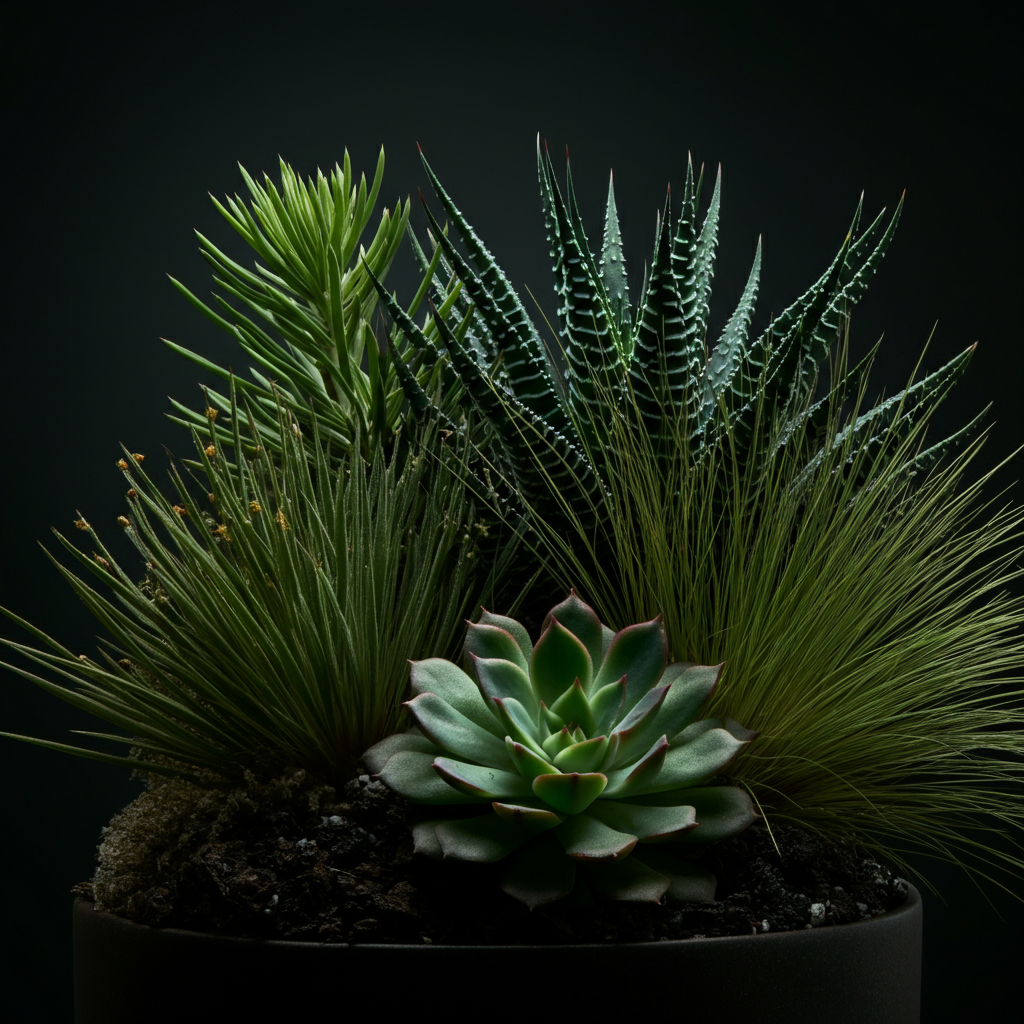
Selecting drought-tolerant plants is the most crucial step in creating a drought-resistant garden. Native plants are often the best choice, as they are already adapted to your local climate and soil conditions. Look for plants with silvery or gray foliage, small or waxy leaves, or deep root systems – these are all adaptations that help them conserve water. Succulents are a popular choice, but there are many other beautiful and interesting drought-tolerant plants to choose from, including ornamental grasses, shrubs, and trees. Examples include Lavender, Yarrow, Coneflowers, and California Poppies. Consider the mature size of plants when planting, and space them accordingly to avoid overcrowding.
Step 5: Install an Efficient Irrigation System
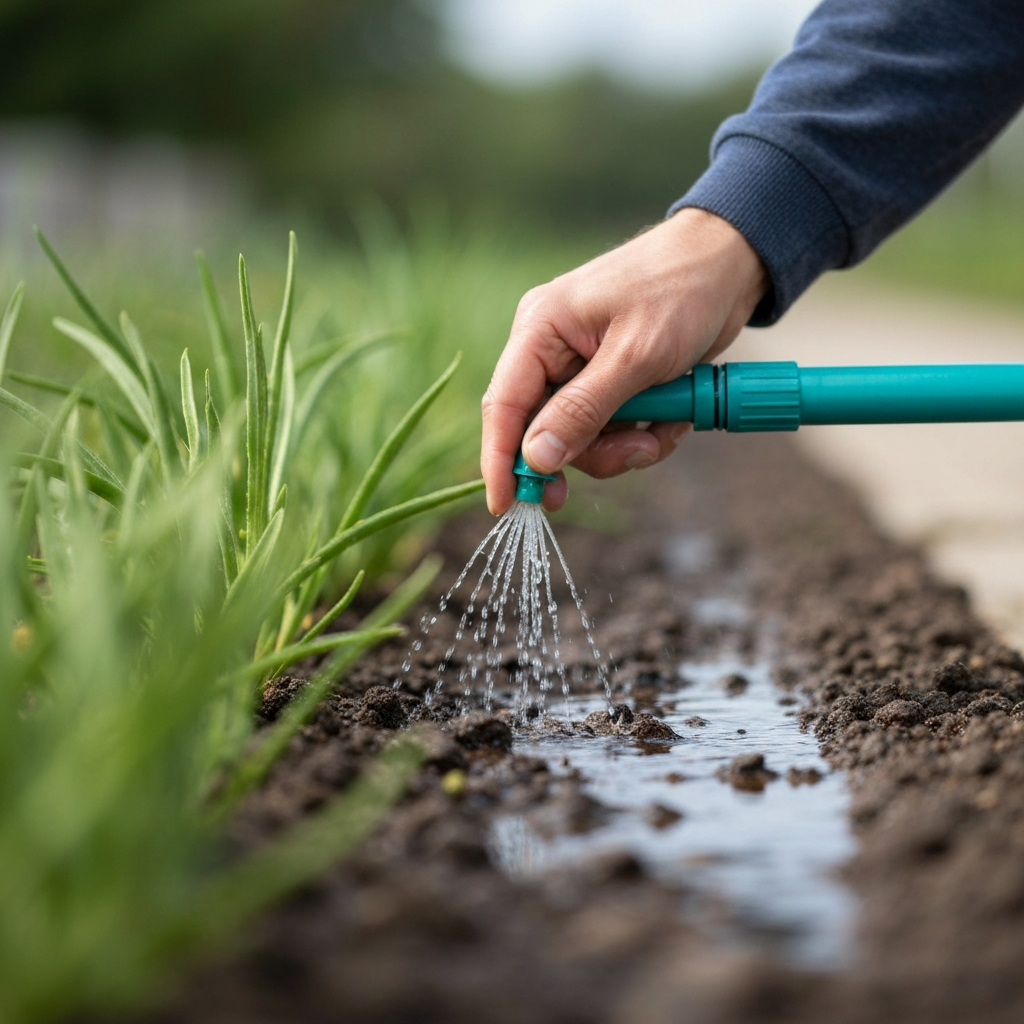
While drought-tolerant plants require less water than traditional garden plants, they still need some irrigation, especially during dry periods. Drip irrigation and soaker hoses are the most efficient ways to water plants, as they deliver water directly to the roots, minimizing water loss through evaporation. Avoid overhead sprinklers, which can waste a significant amount of water. Consider installing a rain barrel or other water harvesting system to collect rainwater for irrigation. Monitor your plants regularly and adjust your watering schedule as needed, based on weather conditions and plant needs.
Step 6: Mulch Generously
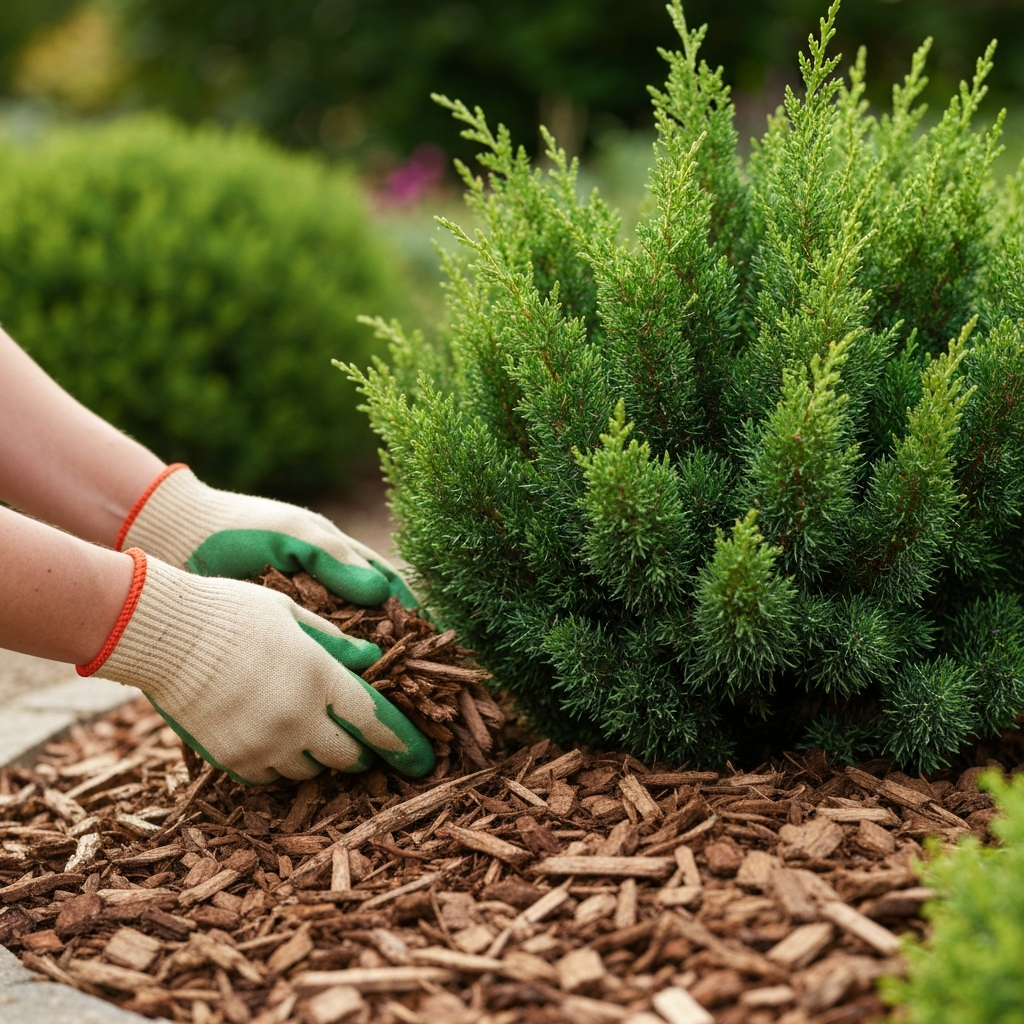
Mulch is your best friend in a drought-resistant garden. A thick layer of mulch, such as wood chips, shredded bark, or gravel, helps to retain soil moisture, suppress weeds, and regulate soil temperature. Apply mulch around plants, but be sure to keep it away from the base of the stems to prevent rot. Replenish mulch as needed to maintain a consistent layer. Organic mulches will also decompose over time, enriching the soil with nutrients. Consider using different types of mulch in different areas of your garden, depending on your aesthetic preferences and the needs of your plants.
Tools or Materials Required
- Soil testing kit
- Compost or aged manure
- Shovel
- Trowel
- Mulch (wood chips, shredded bark, gravel)
- Drip irrigation system or soaker hoses
- Drought-tolerant plants
Common Mistakes to Avoid
- Planting in poorly draining soil
- Overwatering drought-tolerant plants
- Not mulching adequately
- Ignoring site conditions
- Choosing plants that are not suitable for your climate
FAQ Section
Q: How often should I water my drought-tolerant garden?
A: Watering frequency depends on several factors, including the type of plants, soil conditions, and weather. Generally, water deeply but infrequently, allowing the soil to dry out slightly between waterings.
Q: What type of mulch is best for a drought-resistant garden?
A: Wood chips, shredded bark, and gravel are all good options. Choose a mulch that complements your aesthetic preferences and provides adequate moisture retention and weed suppression.
Q: Can I use fertilizer in a drought-resistant garden?
A: Yes, but use fertilizer sparingly. Over-fertilizing can make plants more susceptible to drought stress. Choose a slow-release fertilizer or amend the soil with compost to provide nutrients.
By following these steps, you can create a beautiful and sustainable drought-resistant garden that conserves water and thrives even in challenging conditions. Remember to observe your garden regularly, adjust your watering schedule as needed, and enjoy the beauty of your water-wise oasis.