Bees are vital pollinators, and their populations are declining. Creating a bee-friendly garden is a simple yet powerful way to support these crucial insects. You don't need a sprawling estate or a hefty bank account to make a difference. With a little planning and some resourceful choices, you can transform any outdoor space – even a small balcony – into a haven for bees.
This guide will walk you through the essential steps to creating a vibrant and beneficial bee garden without breaking the bank. We'll cover everything from selecting the right plants and providing water sources to avoiding harmful pesticides and building simple bee shelters. Get ready to roll up your sleeves and create a buzzing paradise that benefits both your garden and the environment.
Remember that every little bit helps! Even a single pot of bee-friendly flowers on a windowsill can make a difference. Let's get started!
Step 1: Assess Your Space and Sunlight
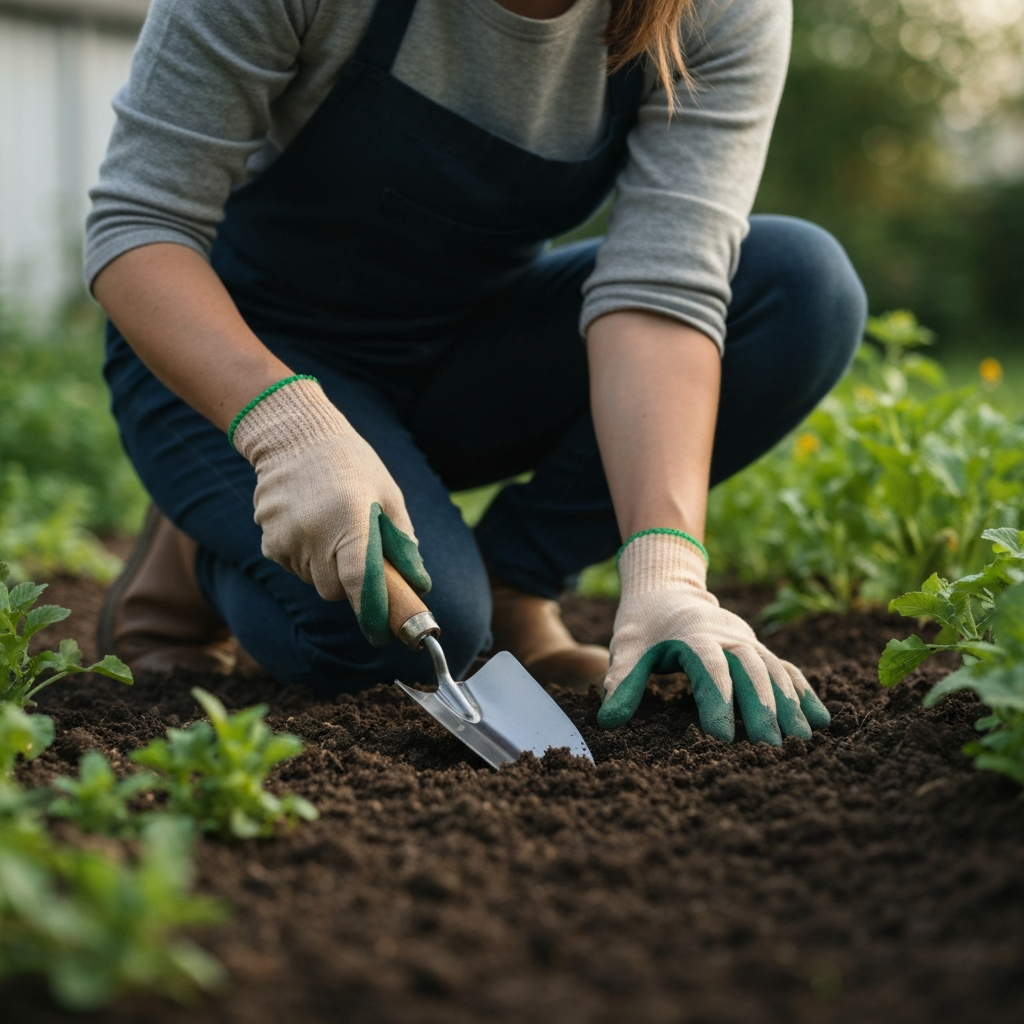
Before you even think about plants, take stock of what you have to work with. How much sunlight does your space receive each day? Is your soil sandy, clay-like, or something in between? Understanding your garden's conditions is crucial for choosing plants that will thrive with minimal intervention (and expense). Observe your space throughout the day to accurately gauge sunlight exposure. Aim for a spot that receives at least six hours of direct sunlight, as most bee-friendly flowers need this to flourish. Even partial shade gardens can still attract bees, but you'll need to choose plants that tolerate lower light levels.
Step 2: Choose the Right Plants
This is where the fun begins! The key to attracting bees is to choose plants that provide them with nectar and pollen throughout the growing season. Opt for native plants whenever possible, as these are often best adapted to your local climate and provide the most nutritious food for native bees. Look for single-petal flowers rather than double blooms, as the latter often have limited or no nectar and pollen available.
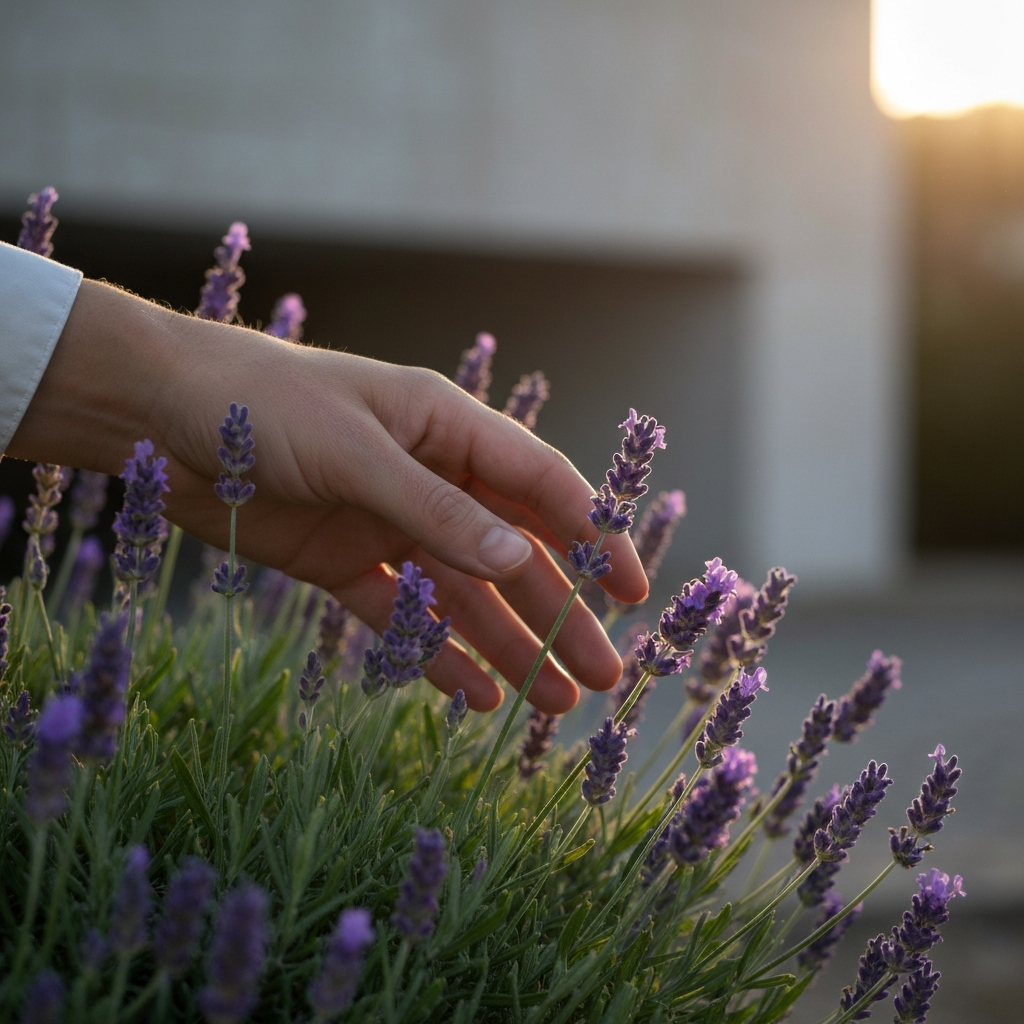
Consider plants like lavender, salvia, borage, bee balm (Monarda), coneflowers (Echinacea), and sunflowers. These are relatively easy to grow, readily available, and highly attractive to bees. Start with seeds or small seedlings to save money. Check your local garden center for end-of-season sales on perennials – you can often find great deals on plants that will come back year after year. Don't overcrowd your plants; give them enough space to grow and thrive. Grouping similar plants together can also make it easier for bees to find them.
Step 3: Provide a Water Source
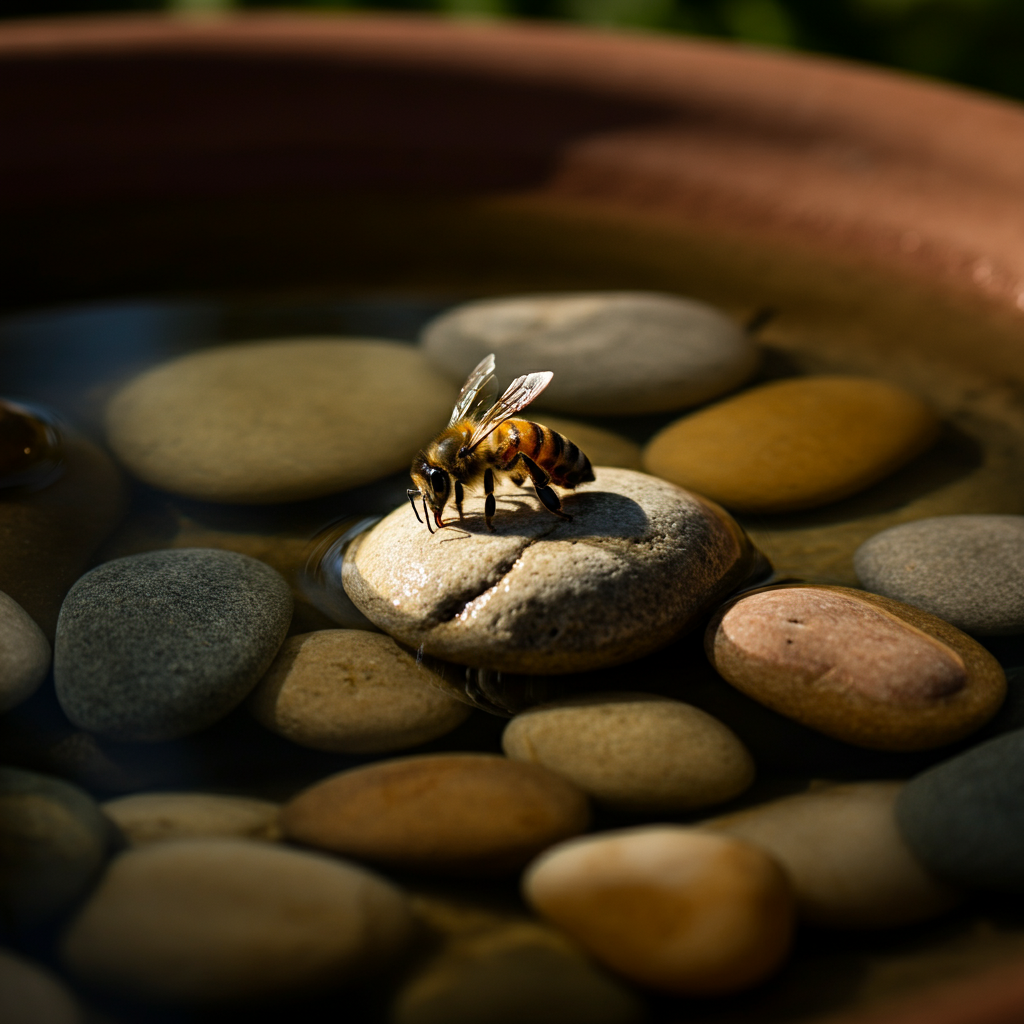
Bees need water just like any other living creature. Providing a shallow water source is an easy and inexpensive way to attract them to your garden. A simple bird bath with pebbles or marbles to provide a safe landing spot works perfectly. You can also use a shallow dish filled with water and stones. Ensure the water is shallow enough so bees don't drown. Change the water regularly to prevent mosquito breeding.
Step 4: Ditch the Pesticides
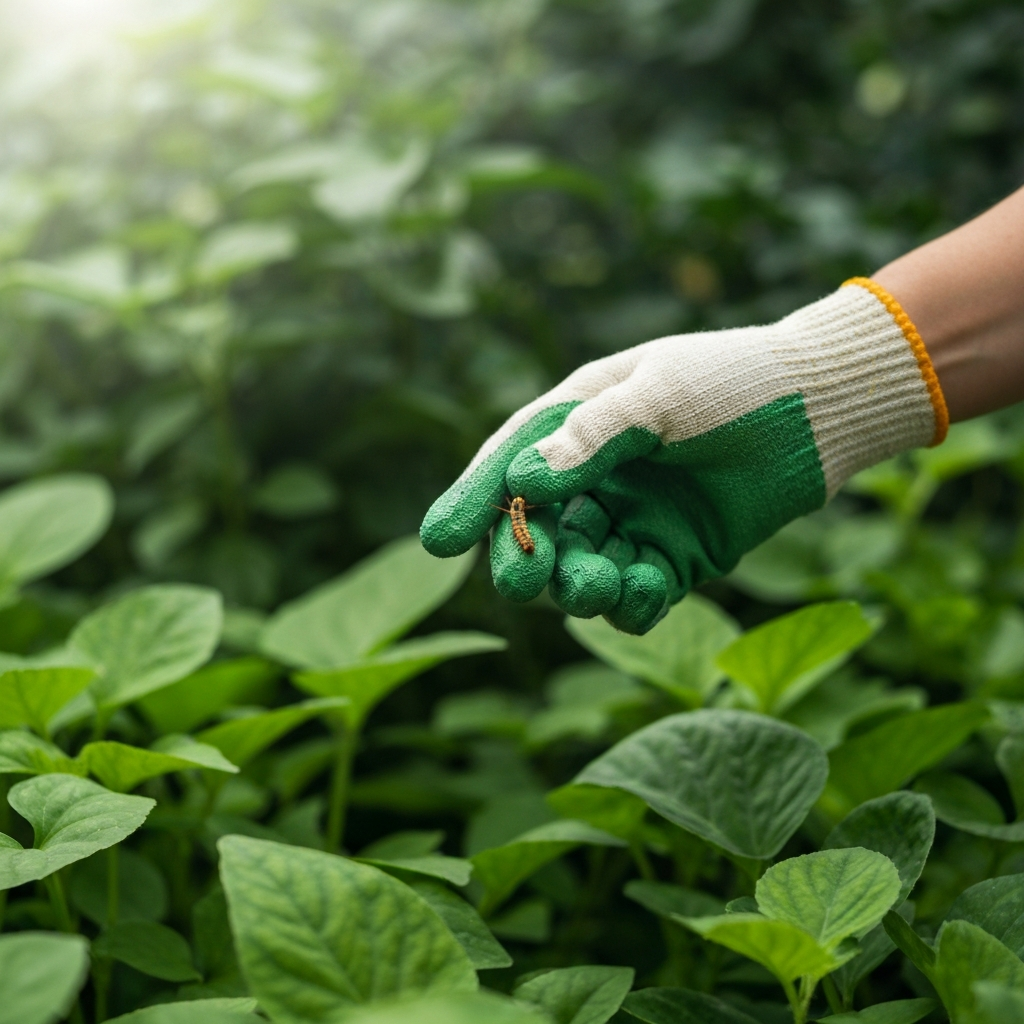
This is non-negotiable. Pesticides, even those labeled "bee-friendly," can be harmful or even fatal to bees. Avoid using any pesticides, herbicides, or fungicides in your garden. Instead, focus on creating a healthy ecosystem that supports natural pest control. Encourage beneficial insects like ladybugs and lacewings by providing them with habitat. Hand-pick pests off your plants whenever possible. Healthy soil also leads to healthy plants that are naturally more resistant to pests and diseases.
Step 5: Build a Simple Bee Shelter (Optional)
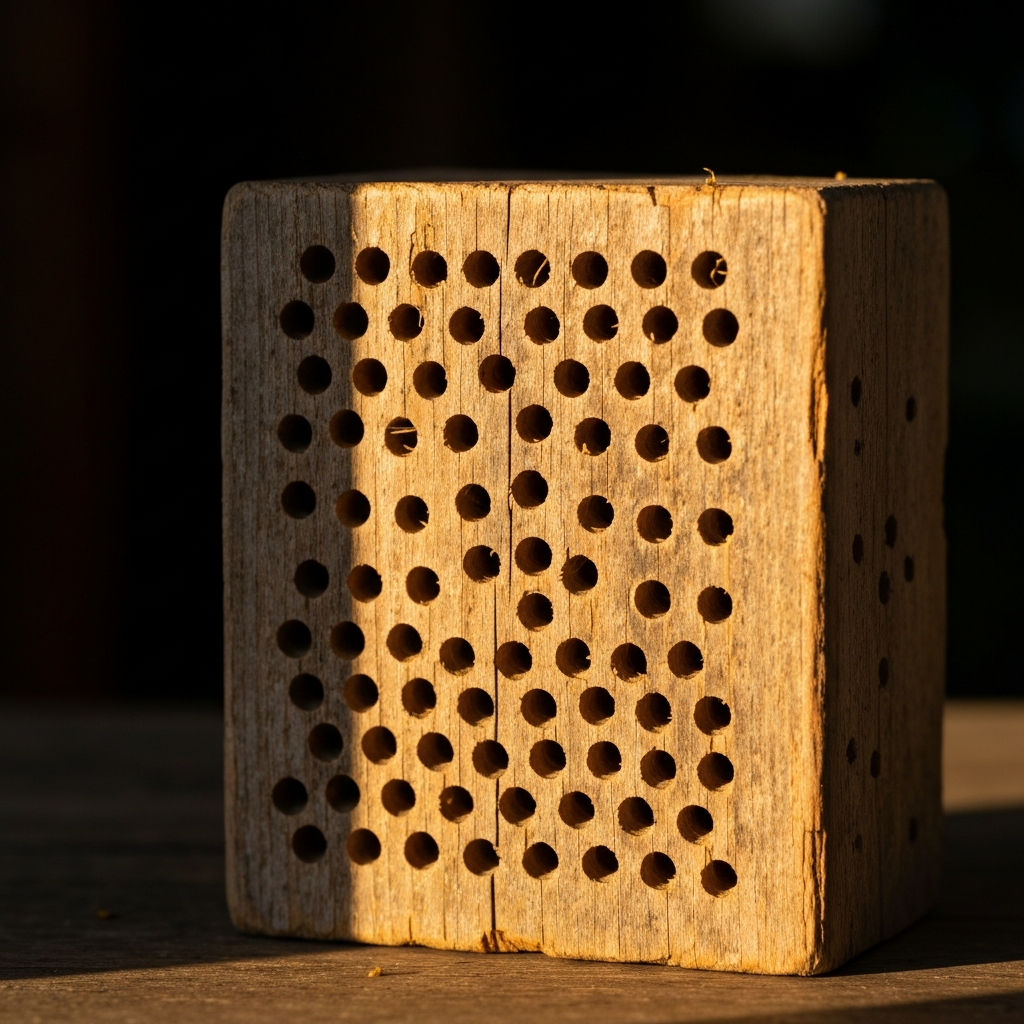
While not strictly necessary, providing a bee shelter can attract solitary bees, which are excellent pollinators. You can easily build a bee hotel by drilling holes of varying sizes (3-10mm) into a block of wood or a stack of bamboo canes. Make sure the holes are clean and smooth to avoid injuring the bees. Place the bee shelter in a sunny, sheltered location, facing south or southeast.
Tools or Materials Required
- Gardening gloves
- Trowel
- Watering can or hose
- Seeds or seedlings of bee-friendly plants
- Bird bath or shallow dish
- Pebbles or marbles
- Drill (for bee shelter)
- Wood block or bamboo canes (for bee shelter)
Common Mistakes to Avoid
- Planting only annuals: Perennials provide a consistent food source for bees year after year.
- Using pesticides: As mentioned before, this is a major threat to bees.
- Overwatering: Soggy soil can lead to root rot.
- Not providing enough sunlight: Bees need energy to fly and forage, and flowers need sunlight to produce nectar and pollen.
- Ignoring your soil type: Amend your soil with compost or other organic matter to improve its drainage and fertility.
Pro Tips
- Choose a variety of plants that bloom at different times of the year to provide a continuous food source for bees.
- Leave some bare patches of soil in your garden for ground-nesting bees.
- Allow some of your herbs and vegetables to flower – bees love them!
- Share your extra plants and seeds with friends and neighbors to create a wider network of bee-friendly gardens.
Conclusion
Creating a bee-friendly garden on a budget is not only possible but also incredibly rewarding. By following these simple steps, you can transform your outdoor space into a thriving habitat for these essential pollinators, contributing to a healthier environment for all. Remember to choose the right plants, provide a water source, avoid pesticides, and consider building a simple bee shelter. Even small actions can make a big difference. Happy gardening!