Stepping into an overgrown garden can feel daunting. What was once a carefully planned space has transformed into a tangle of weeds, unruly shrubs, and forgotten plants. Don't despair! With a systematic approach and a little elbow grease, you can reclaim your garden and transform it back into a haven of beauty and tranquility. This guide will walk you through the essential steps for taming even the wildest garden, providing practical advice and insider tips to help you succeed.
Whether you're a complete beginner or simply overwhelmed by the current state of your outdoor space, this guide is designed to empower you with the knowledge and confidence to tackle the challenge. We'll cover everything from assessing the situation and creating a plan to removing unwanted growth, revitalizing existing plants, and maintaining your newly tamed garden.
Remember, patience is key. Taming a garden jungle is rarely a quick process. Take your time, enjoy the journey, and celebrate your progress along the way. Soon enough, you'll be relaxing in a beautiful, manageable garden that you can be proud of.
Step 1: Assess the Damage and Create a Plan
Before you start hacking away at the undergrowth, take a step back and carefully assess the situation. What areas are most overgrown? What plants do you want to keep, and which need to go? Identify any potential hazards, such as poison ivy, stinging nettle, or unstable structures. Consider the overall aesthetic you want to achieve, and sketch out a rough plan for how you want the garden to look once it's tamed.

Step 2: Clear the Debris
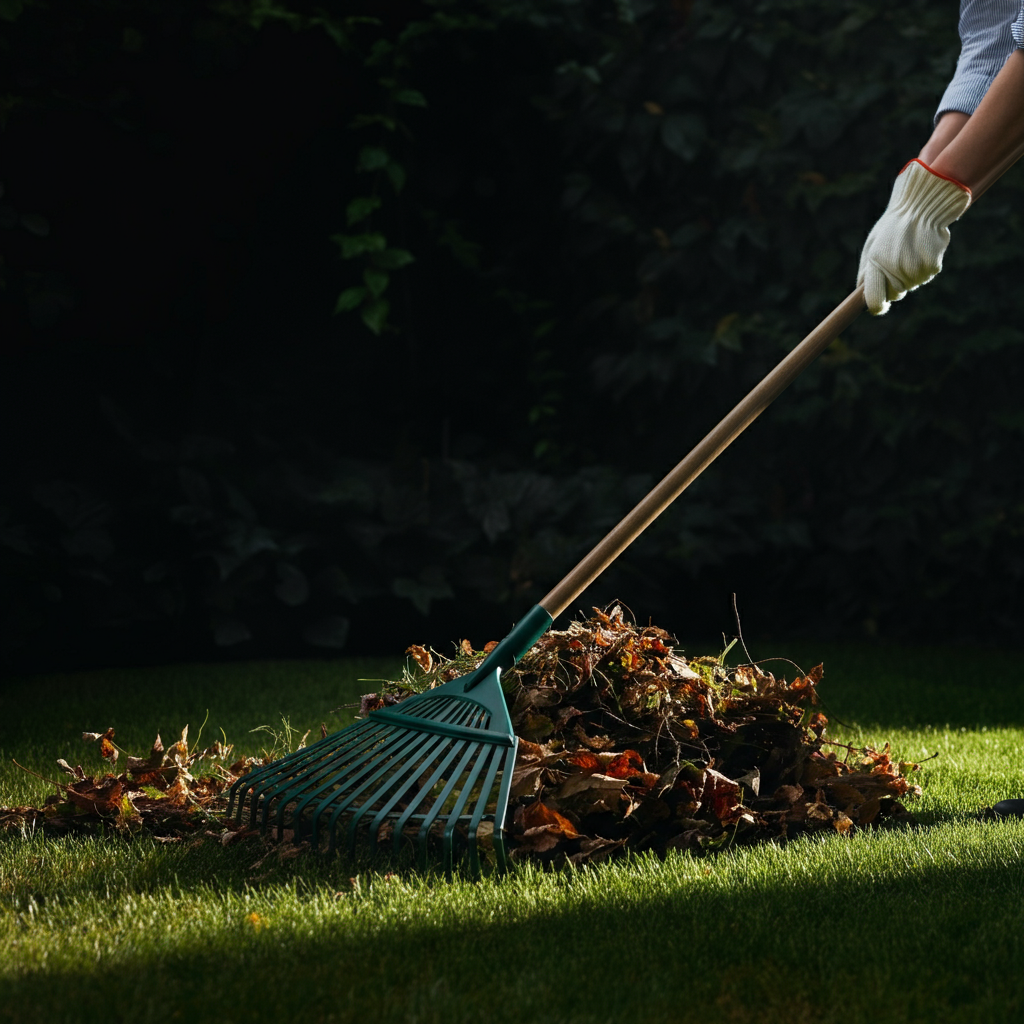
Begin by removing any loose debris, such as fallen leaves, broken branches, and discarded items. This will not only make the garden look tidier but also provide better access to the plants you need to work on. Use a rake, broom, and wheelbarrow to gather the debris and dispose of it properly. Composting organic matter is an excellent way to recycle garden waste and enrich your soil.
Step 3: Tackle the Weeds
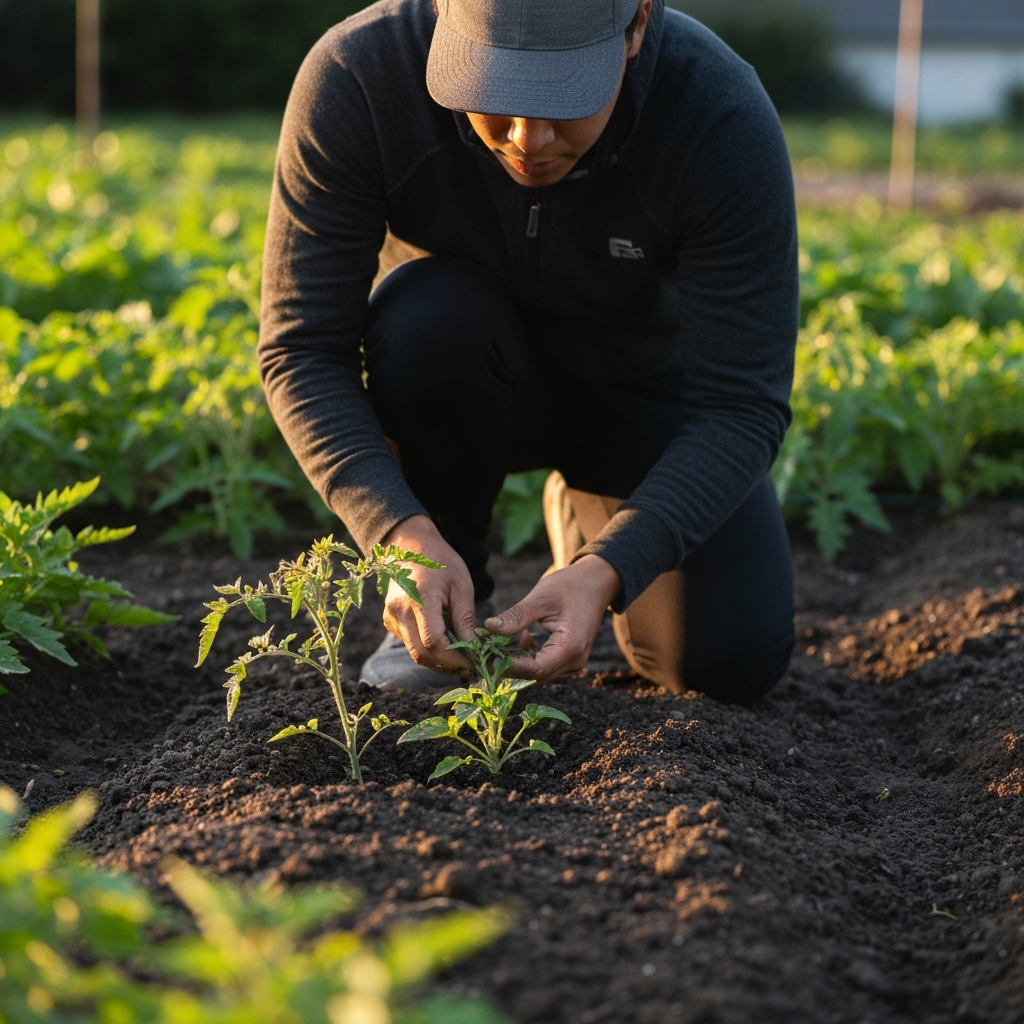
Weeds are often the biggest culprit in an overgrown garden. The most effective way to remove them is by hand-pulling, ensuring you get the entire root system to prevent regrowth. For larger areas or stubborn weeds, consider using a garden fork or hoe. Be careful not to damage the roots of plants you want to keep. Herbicides can be an option, but use them sparingly and according to the manufacturer's instructions. Always wear appropriate safety gear when using herbicides.
Step 4: Prune and Trim Overgrown Plants
Once the weeds are under control, focus on pruning and trimming overgrown plants. Remove dead, diseased, or damaged branches to improve the plant's health and appearance. Shape shrubs and trees to encourage healthy growth and maintain a desired form. Research the specific pruning needs of each plant species to avoid making mistakes that could harm them. Sharp pruning shears or loppers are essential for clean cuts.

Step 5: Revitalize the Soil
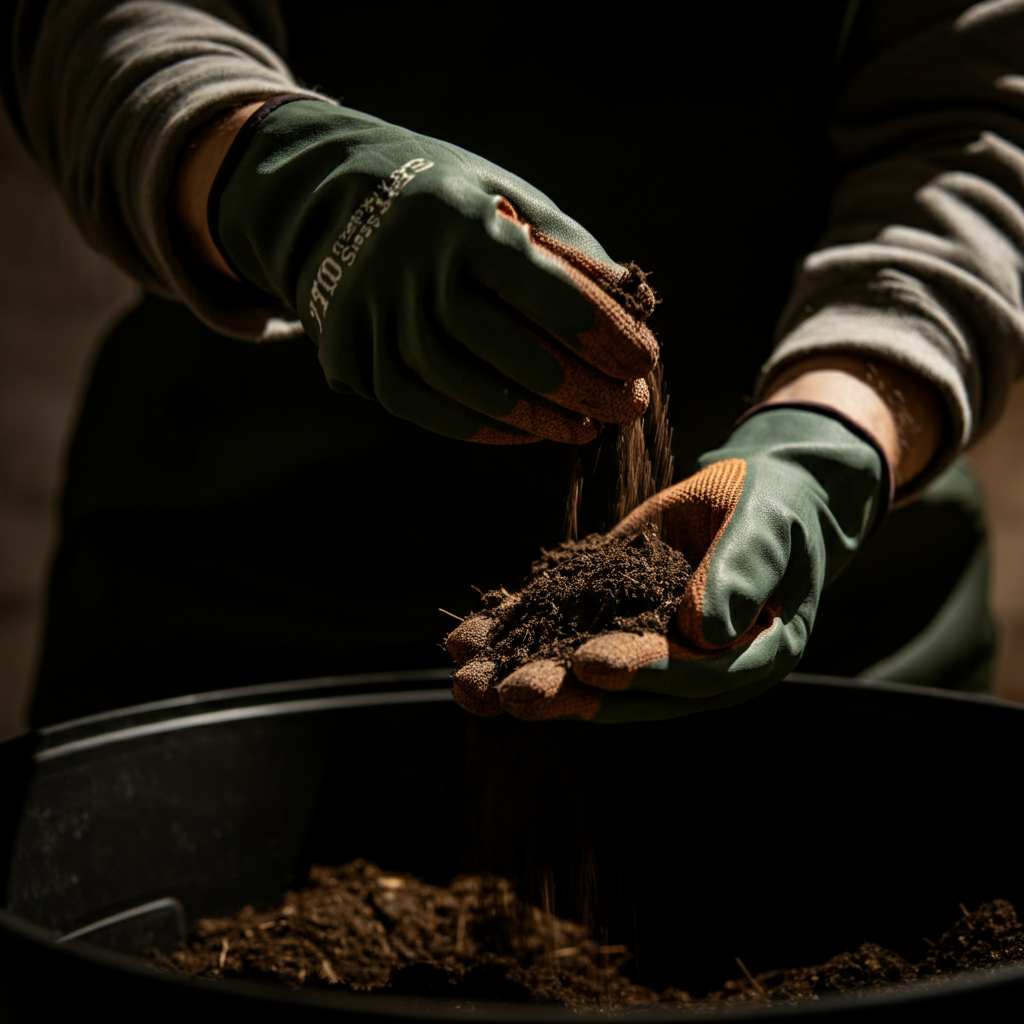
After clearing and pruning, the soil may be compacted or depleted of nutrients. Loosen the soil with a garden fork or tiller to improve drainage and aeration. Amend the soil with compost, aged manure, or other organic matter to enrich it and provide plants with the nutrients they need to thrive. Consider a soil test to determine specific nutrient deficiencies and address them accordingly. Healthy soil is the foundation of a healthy garden.
Step 6: Mulch the Beds
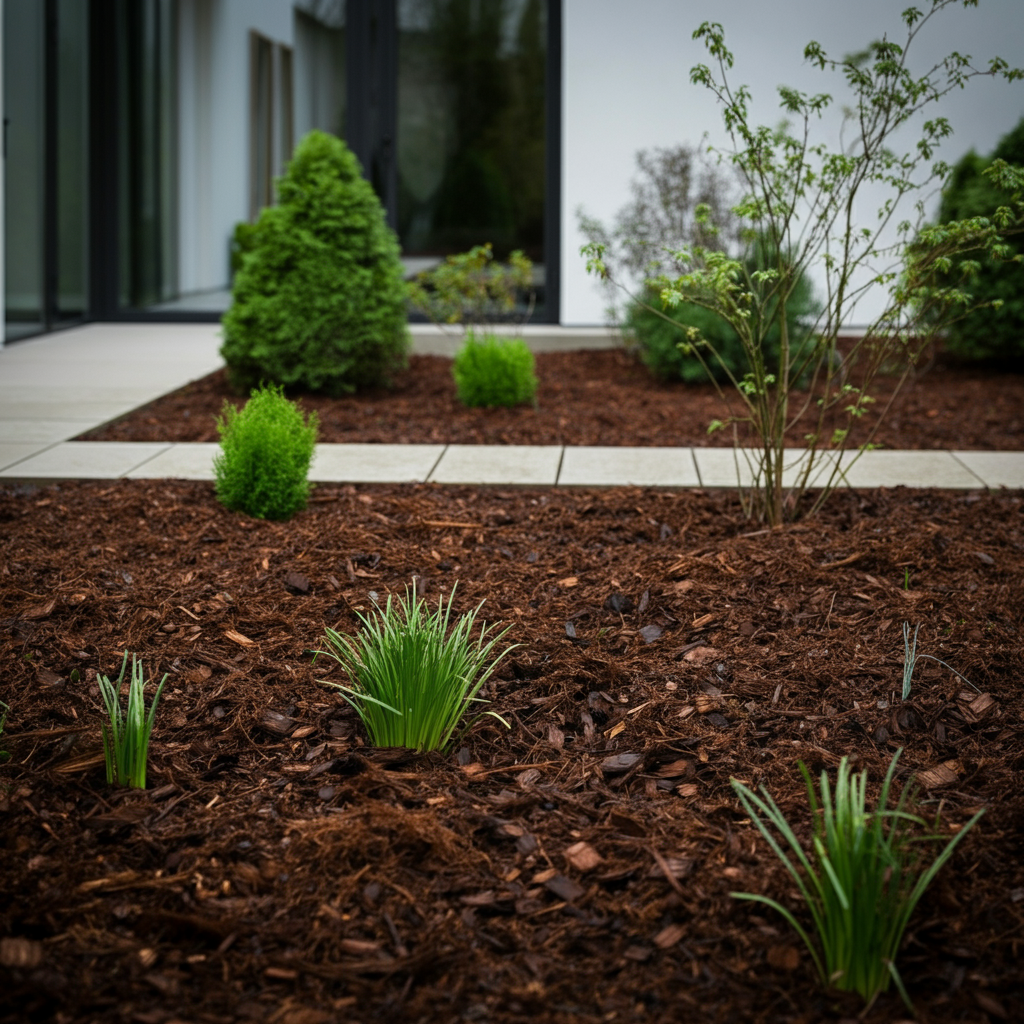
Applying a layer of mulch to your garden beds offers numerous benefits. It helps to suppress weed growth, conserve moisture, regulate soil temperature, and add organic matter to the soil as it decomposes. Use organic mulches such as wood chips, shredded bark, or straw. Avoid piling mulch directly against plant stems, as this can lead to rot.
Step 7: Replant or Divide Existing Plants
Now that the garden is cleared and the soil is revitalized, you can start replanting or dividing existing plants. Transplant plants that have outgrown their current location or are not thriving in their current spot. Divide overcrowded perennials to create more space and encourage healthier growth. When replanting, be sure to dig a hole that is twice as wide as the root ball and amend the soil with compost.
Step 8: Establish a Maintenance Routine
The key to keeping your garden tamed is to establish a regular maintenance routine. This includes weeding regularly, pruning as needed, watering appropriately, and fertilizing as required. Set aside a few hours each week to tend to your garden, and you'll be able to keep it looking its best. Consider using a gardening journal to track your progress and plan future tasks.

Tools or Materials Required
- Gardening Gloves
- Pruning Shears
- Loppers
- Garden Fork
- Hoe
- Rake
- Wheelbarrow
- Compost
- Mulch
- Watering Can or Hose
Common Mistakes to Avoid
- Over-pruning plants.
- Damaging the roots of desirable plants while weeding.
- Using herbicides indiscriminately.
- Ignoring soil health.
- Failing to establish a maintenance routine.
Safety Considerations
- Wear gloves and protective clothing to avoid skin irritation from plants or chemicals.
- Use sharp tools with caution.
- Be aware of potential hazards, such as poison ivy, stinging nettle, or unstable structures.
- Stay hydrated, especially on hot days.
FAQ Section
- Q: How often should I water my garden?
- A: The frequency of watering depends on the type of plants, the climate, and the soil. Check the soil moisture regularly and water when the top inch or two feels dry.
- Q: What's the best way to get rid of weeds?
- A: Hand-pulling is the most effective method, but you can also use a garden fork or hoe. Herbicides can be used as a last resort, but use them sparingly and according to the manufacturer's instructions.
- Q: How do I know if my soil needs amending?
- A: A soil test is the best way to determine nutrient deficiencies. You can also add compost or aged manure to improve soil health.
In conclusion, taming a garden jungle is a rewarding project that requires patience, persistence, and a systematic approach. By following these steps, you can reclaim your outdoor space and create a beautiful, manageable garden that you can enjoy for years to come. Remember to assess the situation, clear the debris, tackle the weeds, prune and trim overgrown plants, revitalize the soil, and establish a maintenance routine. With a little effort, you can transform your garden from a wild jungle into a peaceful oasis.