In today's fast-paced world, our homes and gardens should be sanctuaries – places of peace, rejuvenation, and joy. However, clutter can easily creep in, transforming these spaces into sources of stress and anxiety. This guide provides a comprehensive, step-by-step approach to decluttering and organizing your home and garden, allowing you to cultivate a tranquil and inviting oasis.
We'll delve into practical techniques for tackling clutter, from identifying problem areas to implementing sustainable organizational systems. We will focus not just on removing items, but on creating functional and aesthetically pleasing spaces that promote well-being. By following these guidelines, you'll not only declutter your physical environment but also declutter your mind, fostering a sense of calm and control.
This isn't just about tidying up; it's about transforming your relationship with your belongings and creating a space that supports your lifestyle. Get ready to embark on a journey towards a clutter-free and calming home and garden oasis.
Step 1: Assess and Prioritize Your Spaces
Before you start throwing things away, it's crucial to understand the scope of the clutter and identify your priorities. Walk through your home and garden, taking note of areas that feel particularly overwhelming or disorganized. Ask yourself: Which spaces cause the most stress? Which spaces are most frequently used? Prioritize those areas first. Consider the function of each space and how effectively it serves that purpose. Is your entryway a dumping ground for shoes and bags? Is your garden shed a chaotic jumble of tools? Identifying these problem areas is the first step towards creating a targeted decluttering plan.

Step 2: The Four-Box Method for Home Clutter
The Four-Box Method is a powerful tool for sorting your belongings efficiently. Gather four boxes and label them: "Keep," "Donate," "Trash," and "Relocate." Go through each item in your chosen space, one by one, and decide which box it belongs in. Be honest with yourself about whether you truly need or use each item. If you haven't used something in a year, it's likely a candidate for donation or disposal. The "Relocate" box is for items that belong in a different area of the house. Commit to dealing with each box immediately after sorting a reasonable section. Don't let them sit and become new clutter.

Step 3: Implement the One-In, One-Out Rule
To prevent future clutter, adopt the "One-In, One-Out" rule. Every time you bring something new into your home, commit to getting rid of something similar. This forces you to be more mindful of your purchases and prevents accumulation. For example, if you buy a new shirt, donate an old one. If you acquire a new garden tool, find an old one to discard or give away. This simple rule can have a significant impact on maintaining a clutter-free environment over the long term.

Step 4: Tackle Garden Clutter Systematically
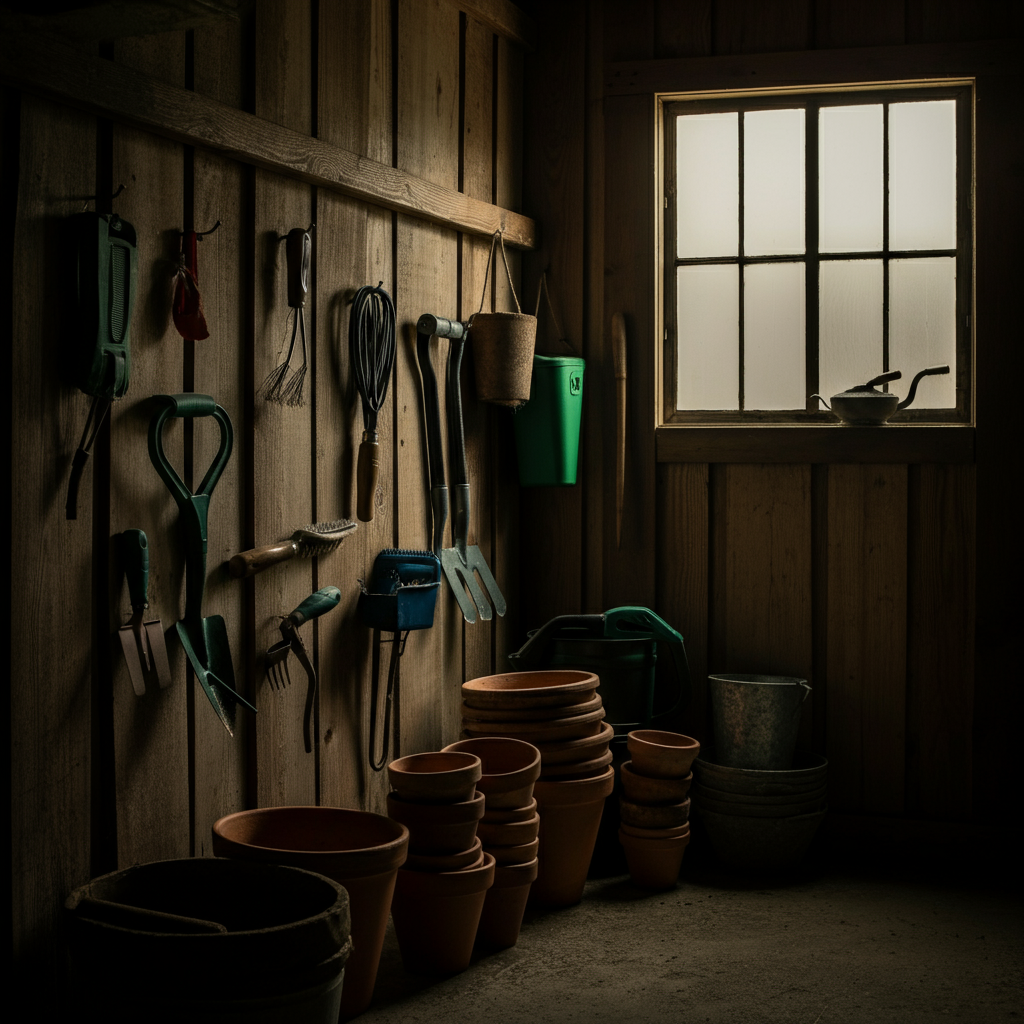
Just like your home, your garden can accumulate clutter over time. Start by clearing out dead plants, weeds, and overgrown vegetation. Organize your garden tools in a designated space, such as a shed or garage. Sharpen tools, repair damaged items, and dispose of anything that's beyond repair. Consider using vertical gardening techniques to maximize space and create visual interest. Label plant pots and containers to easily identify your plants. Regularly sweep paths and patios to maintain a tidy appearance.
Step 5: Create Functional Storage Solutions
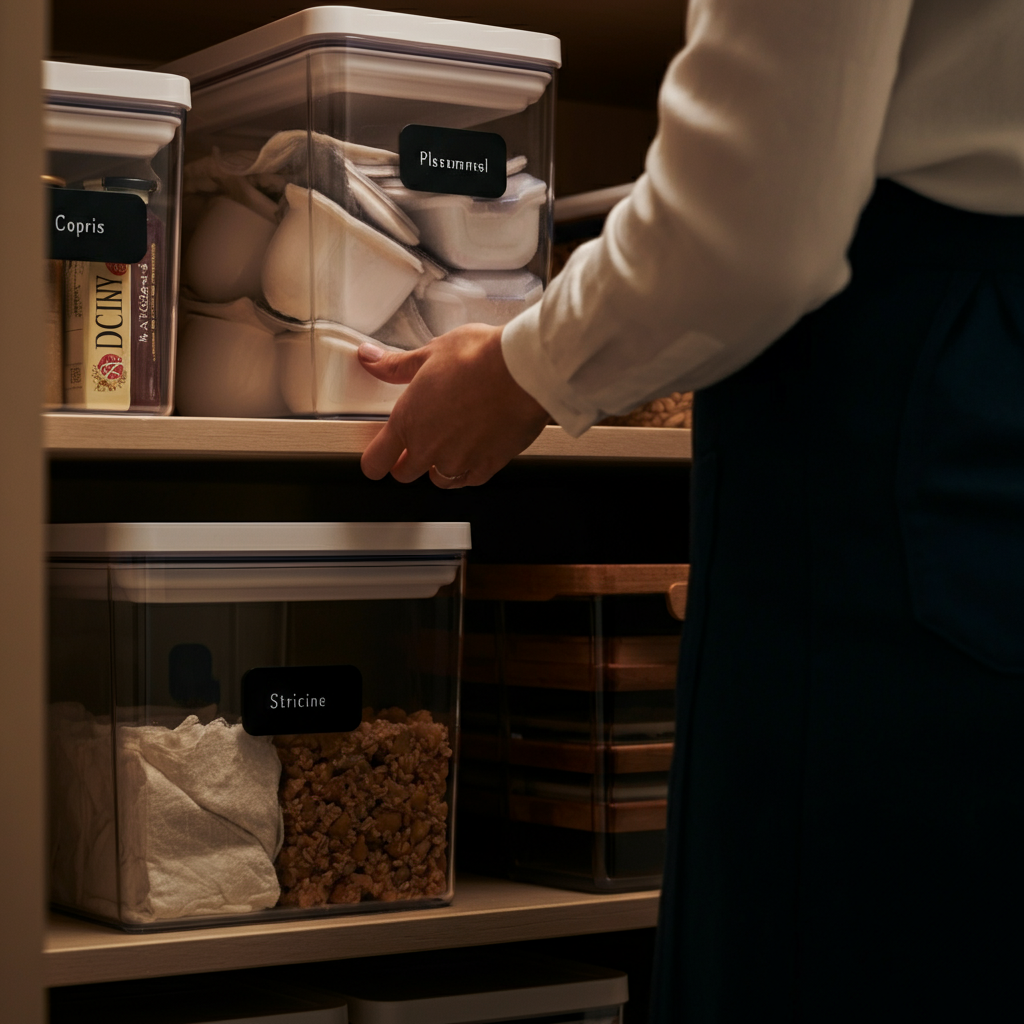
Effective storage is key to maintaining a clutter-free home and garden. Invest in storage solutions that suit your specific needs and style. Use clear containers to easily see what's inside. Utilize vertical space with shelves and wall-mounted organizers. In the garden, consider using raised garden beds to improve drainage and reduce weeds. Use outdoor storage boxes to protect garden furniture and equipment from the elements. Label all storage containers clearly to avoid confusion.
Step 6: Establish a Regular Maintenance Routine
Decluttering is not a one-time event; it's an ongoing process. Establish a regular maintenance routine to prevent clutter from accumulating again. Set aside a few minutes each day or week to tidy up and put things back in their place. Schedule a larger decluttering session every few months to address any areas that have become particularly cluttered. By making decluttering a habit, you can maintain a calm and organized environment year-round.
Tools or Materials Required
- Cardboard boxes
- Trash bags
- Cleaning supplies
- Storage containers
- Labels and markers
- Garden tools (pruners, shovels, rakes)
Common Mistakes to Avoid
- Trying to declutter everything at once
- Not having a clear plan or strategy
- Holding onto items out of guilt or sentimentality
- Not designating a specific place for everything
- Procrastinating on dealing with donations or trash
Pro Tips
- Start small and focus on one area at a time.
- Set realistic goals and celebrate your progress.
- Ask for help from friends or family members.
- Donate or sell items you no longer need.
- Focus on creating a functional and aesthetically pleasing space.
FAQ Section
Q: How do I deal with sentimental items?
A: Create a memory box or scrapbook to store a few select items that hold special meaning. Consider taking photos of sentimental items before donating them to help preserve the memories.
Q: How do I stay motivated during the decluttering process?
A: Remind yourself of the benefits of a clutter-free environment, such as reduced stress, increased productivity, and improved well-being. Set small, achievable goals and reward yourself when you reach them.
By consistently applying these principles, you'll transform your home and garden into the serene oasis you deserve. You'll find you spend less time cleaning and organizing and more time enjoying the peace and comfort of your beautifully maintained spaces. The result is not just a tidier home, but a more tranquil and fulfilling life.