Your roof is your home's primary defense against the elements, and a failing roof can lead to costly damage. Hiring a qualified and reputable roofing contractor is crucial to ensure a long-lasting and effective repair or replacement. However, navigating the roofing industry can be daunting. This guide provides essential information to help you make an informed decision and avoid common pitfalls.
Before you even consider contacting roofers, take the time to understand the scope of your roofing project. Are you dealing with a minor leak, storm damage, or are you looking at a full roof replacement? A clear understanding of your needs will help you communicate effectively with potential contractors and get accurate estimates. Beware of contractors who offer unbelievably low prices, as this is often a sign of subpar materials or shoddy workmanship.
This comprehensive guide outlines the steps you should take to ensure you select the right roofer for your needs. From checking credentials and insurance to understanding warranties and payment terms, we'll cover everything you need to know.
Step 1: Assess Your Roofing Needs and Budget
Before reaching out to roofing contractors, thoroughly assess the current state of your roof. Look for visible signs of damage like missing, cracked, or curling shingles. Inspect the flashing around chimneys, vents, and skylights for any signs of deterioration or gaps. Also, check your attic for leaks or water stains. This initial assessment will give you a better idea of the scope of the project and the materials needed. Don't forget to establish a realistic budget that includes not only the roofing work itself, but also potential costs for permits, disposal of old materials, and unexpected repairs.

Step 2: Check for Licensing and Insurance
This is arguably the most important step. Always verify that the roofing contractor is properly licensed and insured in your state or local area. Licensing ensures that the contractor has met specific requirements and has the necessary knowledge and skills to perform roofing work. Insurance, specifically liability and worker's compensation, protects you from financial responsibility if there are accidents or damage to your property during the roofing project. Ask for proof of both licensing and insurance and verify their validity with the issuing authorities. Don't just take their word for it!

Step 3: Gather Multiple Quotes and Compare Estimates
Obtain quotes from at least three different roofing contractors. Don't automatically go with the lowest bid. Carefully compare each estimate, paying attention to the details of the work to be performed, the materials to be used, and the payment schedule. A comprehensive estimate should include a breakdown of all costs, including labor, materials, permits, and disposal fees. Ask contractors to explain any discrepancies in their estimates and be wary of vague or incomplete proposals.

Step 4: Read Reviews and Check References
Online reviews and testimonials can provide valuable insights into the roofing contractor's reputation and past performance. Check reputable websites like the Better Business Bureau, Yelp, and Angie's List for reviews. Pay attention to both positive and negative reviews and look for patterns or recurring themes. Don't rely solely on online reviews, though. Ask the contractor for a list of references and contact those references to inquire about their experience with the contractor. Ask about the quality of the work, the contractor's communication, and whether the project was completed on time and within budget.

Step 5: Understand the Warranty
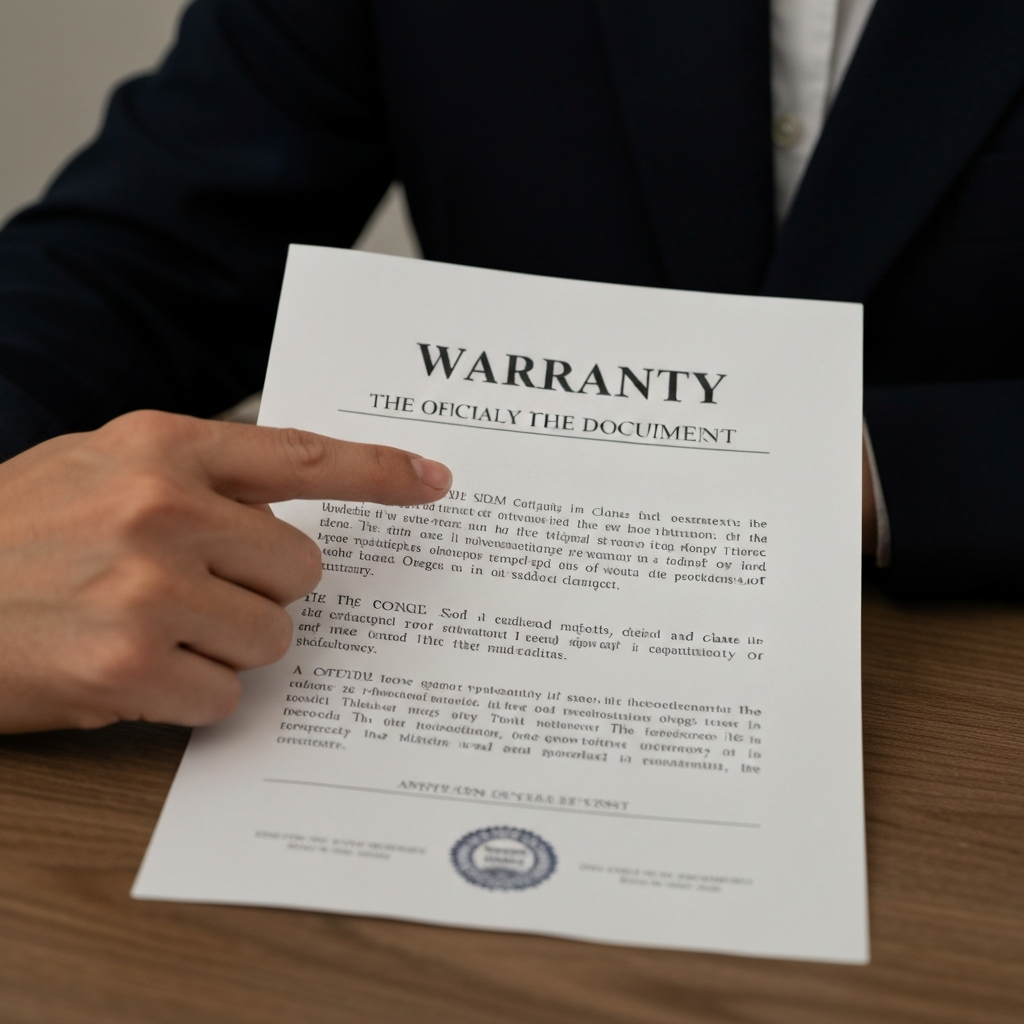
A solid warranty is crucial for protecting your investment. There are typically two types of warranties: a manufacturer's warranty on the roofing materials and a workmanship warranty from the roofing contractor. The manufacturer's warranty covers defects in the materials, while the workmanship warranty covers any issues arising from faulty installation. Carefully review the terms and conditions of both warranties to understand what is covered and for how long. Be sure to get the warranty in writing before signing a contract.
Step 6: Clarify Payment Terms and Contract Details
Before any work begins, have a clear written contract that outlines all aspects of the roofing project. The contract should include the scope of work, materials to be used, total cost, payment schedule, start and completion dates, and warranty information. Avoid paying a large upfront deposit, as this can be a red flag. A reasonable deposit, typically 10-20% of the total cost, is acceptable. The remaining balance should be paid upon satisfactory completion of the project. Make sure the contract includes provisions for handling unforeseen issues or changes in scope.

Common Mistakes to Avoid
- Hiring the cheapest contractor without properly vetting their credentials.
- Failing to check for licensing and insurance.
- Not obtaining multiple quotes and comparing estimates.
- Ignoring online reviews and references.
- Neglecting to read and understand the warranty.
- Paying a large upfront deposit.
- Not having a written contract.
Pro Tips
- Consider asking about the roofer's experience with specific roofing materials you're interested in.
- Inquire about the crew size and their experience.
- Ask about the contractor's process for protecting your property during the roofing project (e.g., protecting landscaping, covering pools).
- Get everything in writing, including any changes or modifications to the contract.
FAQ Section
Q: How long should a new roof last?
A: The lifespan of a roof depends on the materials used and the quality of the installation. Asphalt shingle roofs typically last 15-30 years, while tile roofs can last 50 years or more. Metal roofs often last 40-70 years. Proper maintenance can extend the lifespan of any roof.
Q: Do I need a permit for a roof replacement?
A: Most municipalities require permits for roof replacements. Your roofing contractor should be able to obtain the necessary permits on your behalf. Failing to obtain a permit can result in fines or delays in the project.
Q: What should I do if I have a leak in my roof?
A: Contact a qualified roofing contractor immediately to assess the damage and make necessary repairs. Prompt action can prevent further damage to your home.
Conclusion
Hiring a roofer is a significant decision that requires careful consideration. By following these steps, you can increase your chances of selecting a qualified and reputable contractor who will provide a quality roofing job that protects your home for years to come. Remember to do your research, ask questions, and get everything in writing. Your roof is a vital component of your home, so don't compromise on quality.