Decorating trends are constantly evolving, making it challenging to keep your home stylish and up-to-date. However, blindly following every fleeting fad can lead to a home that feels impersonal and dated quickly. The key is to understand the underlying principles driving these trends and adapt them to your personal style and existing space. This guide will provide you with expert insights into the current decorating landscape, offering practical steps to incorporate trends thoughtfully and create a space that reflects your unique personality.
Instead of succumbing to the pressure of completely overhauling your home, focus on making small, impactful changes that align with your taste. Think of trends as inspiration rather than rigid rules. Learn to discern which elements resonate with you and which ones don't. Remember that good design is timeless, and a well-curated space should feel comfortable and inviting for years to come.
This guide will empower you to navigate the world of decorating trends with confidence, enabling you to create a home that is both stylish and a true reflection of who you are. We will break down current trends, discuss how to implement them effectively, and provide expert tips to avoid common pitfalls. Get ready to transform your living space into a haven of style and comfort.
Understanding the current decorating trends landscape is critical for crafting spaces that resonate with modern sensibilities. This guide will equip you with the knowledge to make informed decorating decisions, ensuring your home remains stylish and inviting.
Step 1: Identifying Current Decorating Trends
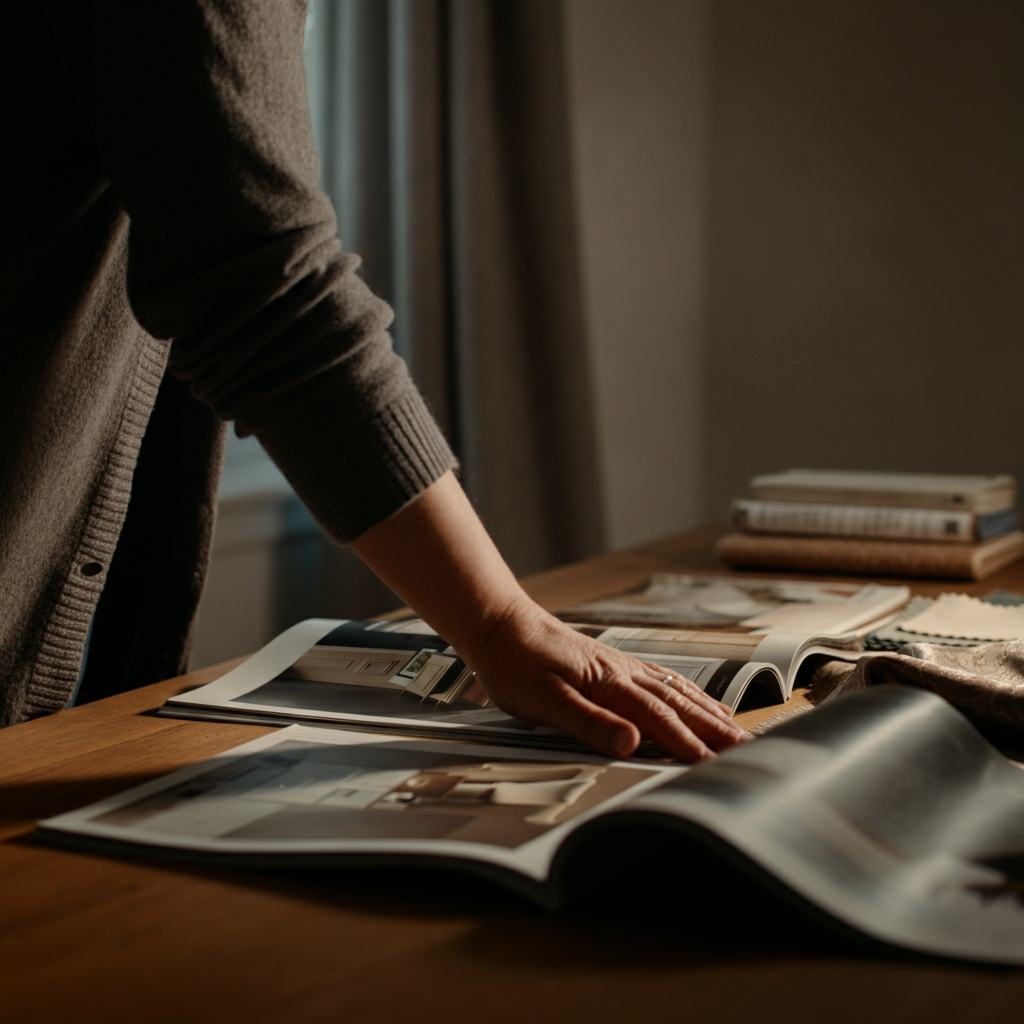
The first step is to identify the current decorating trends. This involves staying informed about what's popular in the design world. Reliable sources include reputable interior design magazines, blogs, and industry websites. Social media platforms like Pinterest and Instagram can also provide inspiration, but it's crucial to filter the information and focus on professional designers and established publications. Pay attention to recurring themes, colors, materials, and styles that are gaining traction.
Step 2: Analyzing Trend Applicability to Your Space
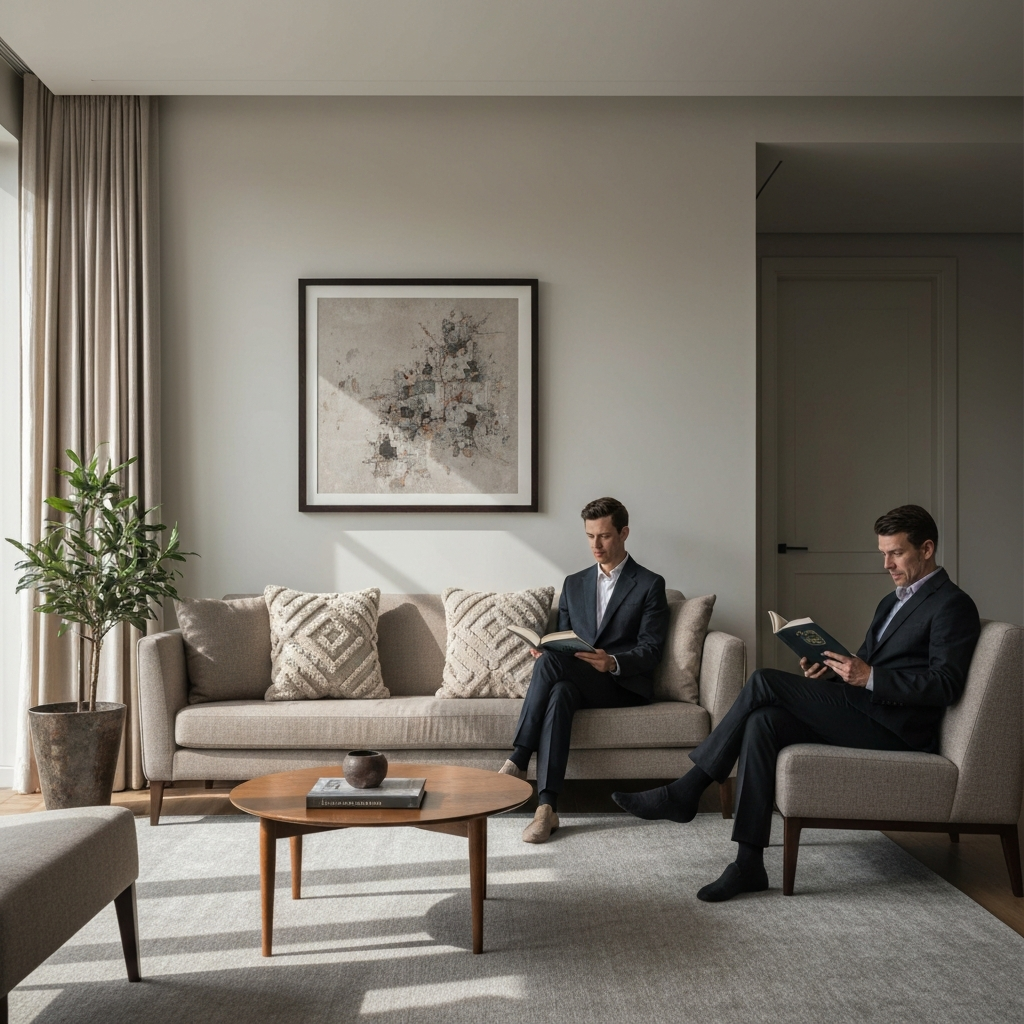
Once you've identified some current trends, the next step is to analyze their applicability to your existing space. Consider your home's architectural style, the size and layout of your rooms, and your existing furniture and décor. A trend that looks stunning in a modern loft might not translate well to a traditional Victorian home. Think about the functionality of the space and how the trend would impact its usability. For example, a minimalist trend might not be suitable for a family with young children who require ample storage and comfortable seating.
Step 3: Prioritizing Personal Style and Comfort
The most crucial step is to prioritize your personal style and comfort. Trends should enhance your existing aesthetic, not replace it entirely. Choose trends that resonate with your personality and create a space that you genuinely enjoy living in. Don't feel pressured to embrace every trend, especially if it clashes with your personal taste. Remember, your home should be a reflection of who you are, not a showroom for the latest design fads. Incorporate elements that make you feel happy and relaxed.

Step 4: Incorporating Trends Through Accessories and Textiles
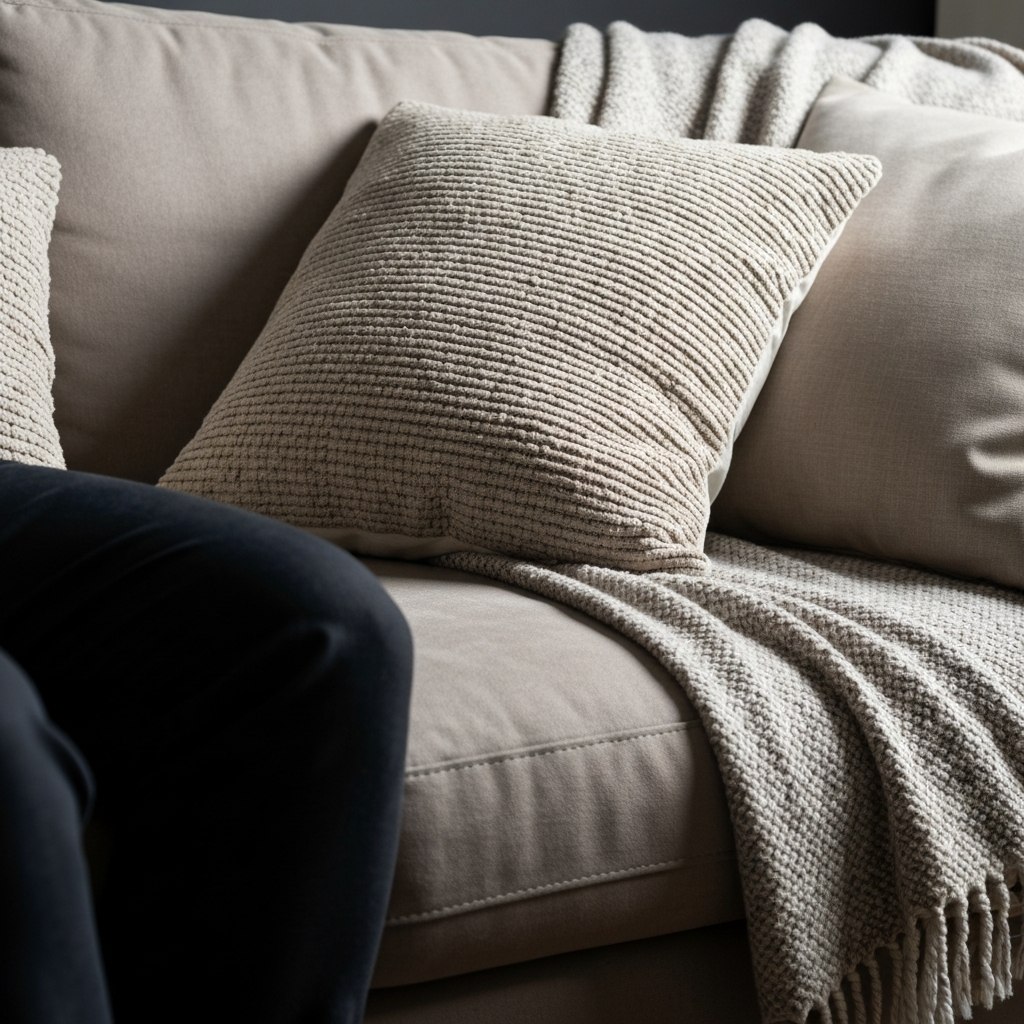
A simple and effective way to incorporate trends is through accessories and textiles. This allows you to update your space without making major renovations or purchasing expensive furniture. Consider adding new throw pillows, blankets, curtains, rugs, or artwork that reflect current color palettes and patterns. These items are relatively inexpensive and easy to swap out when trends change. You can also update smaller décor items like vases, lamps, and decorative objects to incorporate trending materials or styles.
Step 5: Focusing on Sustainable and Timeless Elements
While incorporating current trends, it's essential to focus on sustainable and timeless elements. Choose high-quality materials and furniture pieces that will last for years to come. Opt for classic designs that transcend fleeting trends and can be easily updated with accessories. Consider investing in sustainable materials like reclaimed wood, organic cotton, and recycled glass. This approach ensures that your home remains stylish and environmentally friendly in the long run.
Step 6: Layering in Color and Texture
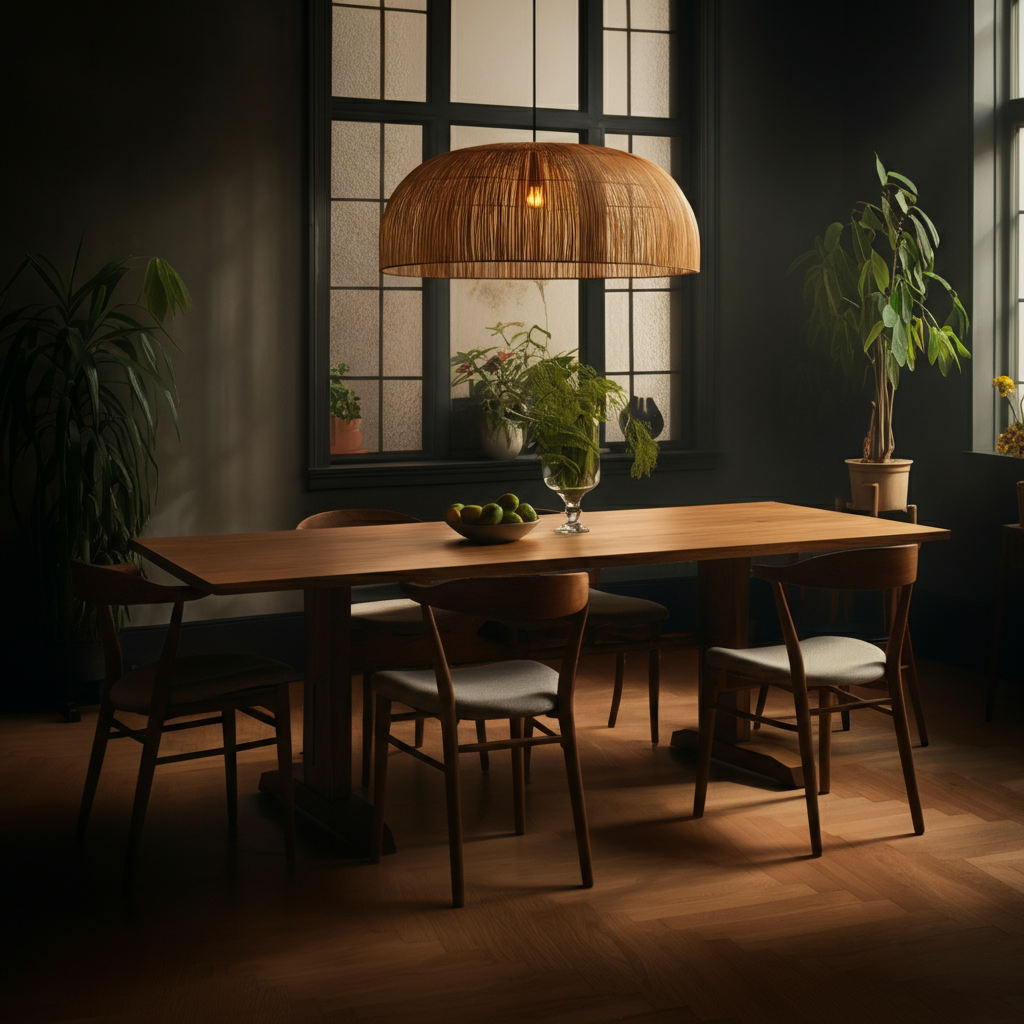
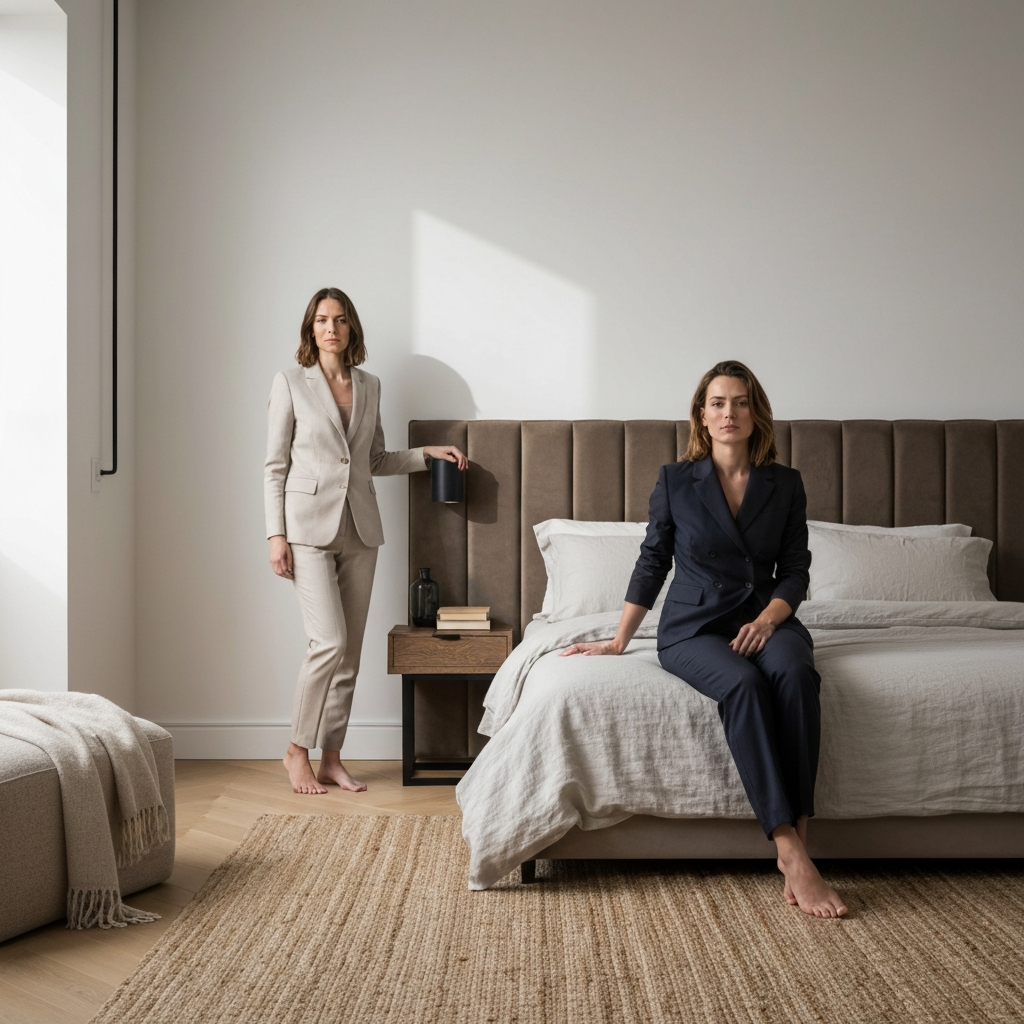
Adding color and texture is critical to bringing depth and visual interest to your space. Incorporating trending color palettes through paint, wallpaper, or textiles is an easy way to refresh your home. However, avoid painting entire rooms in a trendy color unless you are truly committed to it. Instead, use color as an accent. Introduce texture through materials like velvet, linen, wool, and natural stone. Layering different textures creates a more tactile and engaging environment.
Step 7: Experimenting with Statement Pieces
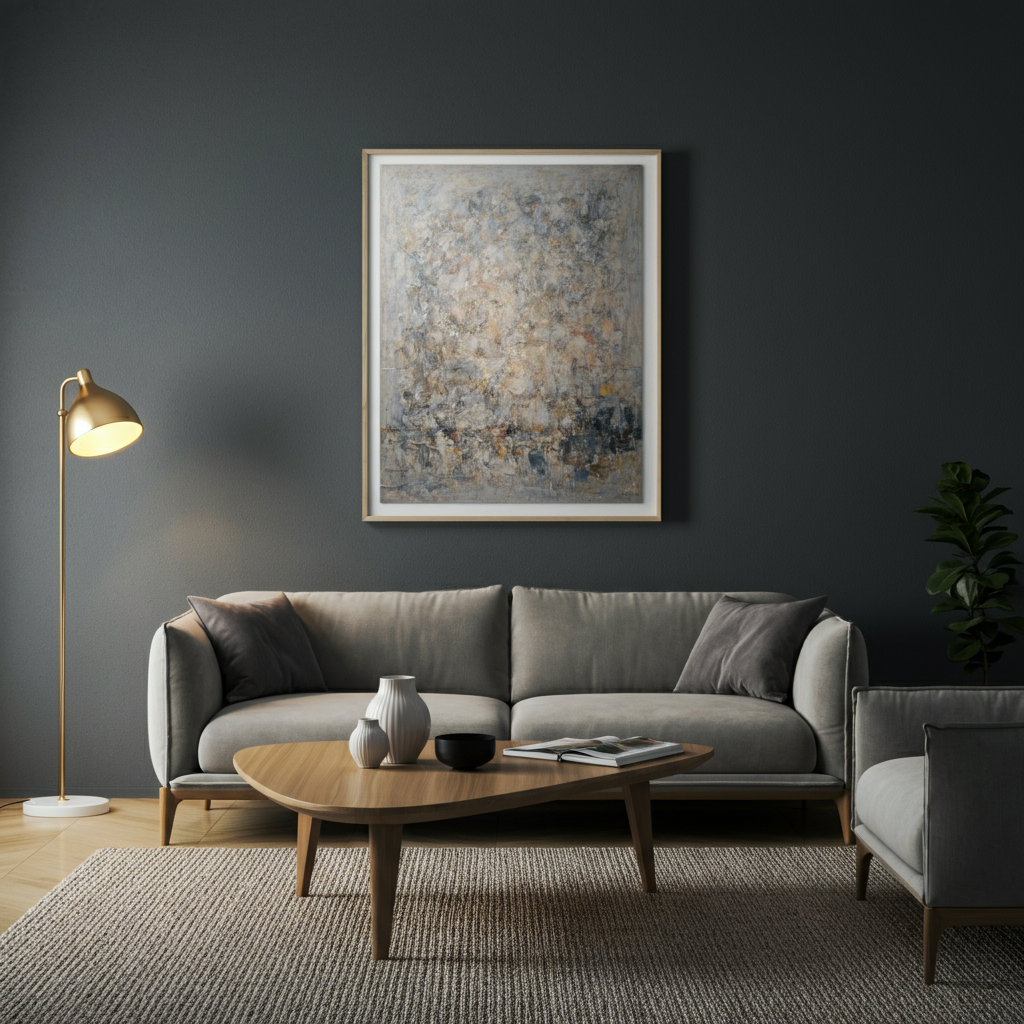
Consider adding a statement piece to your space that reflects a current trend. This could be a piece of artwork, a unique lighting fixture, or a bold piece of furniture. A statement piece can instantly elevate your space and add a touch of personality. However, avoid overcrowding your room with too many statement pieces, as this can create a cluttered and overwhelming effect. Choose one or two focal points that complement your existing décor.
Step 8: Embracing Biophilic Design
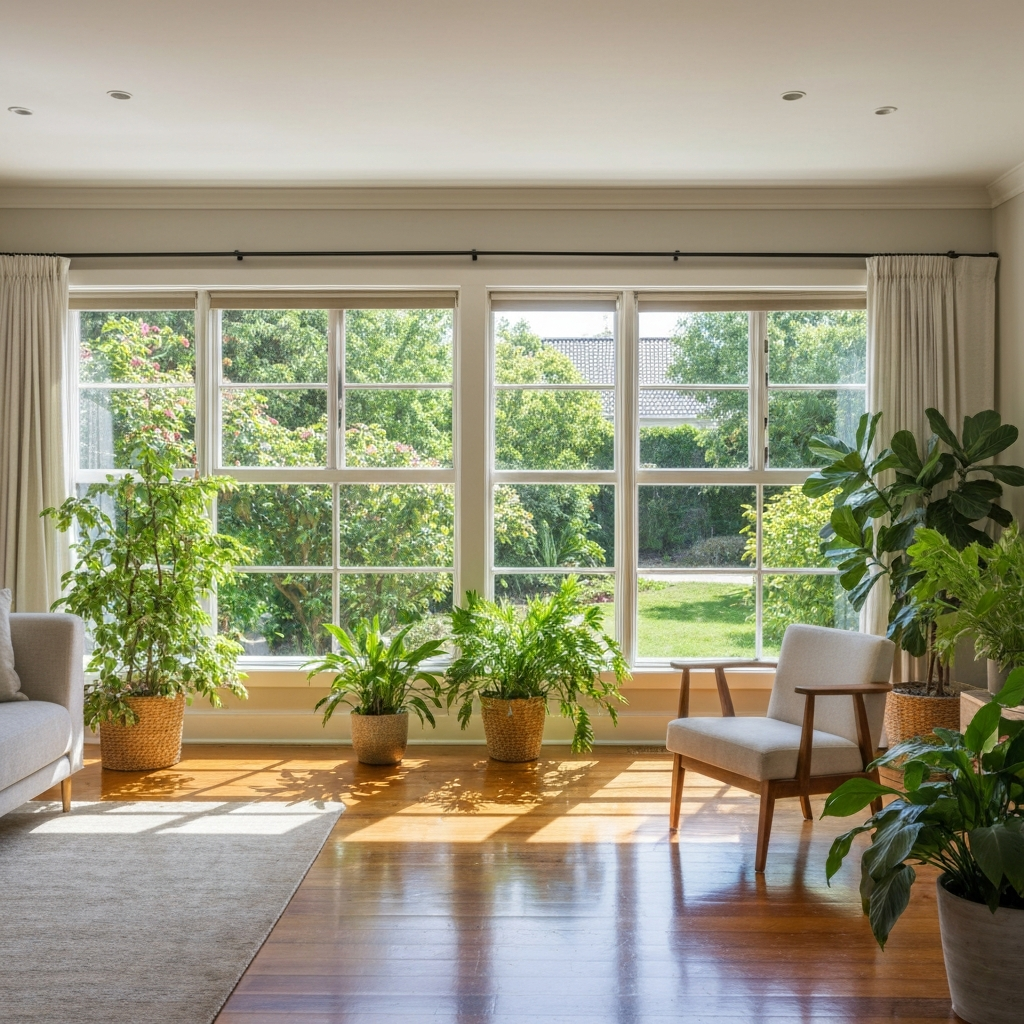
Biophilic design, which focuses on connecting with nature, is a consistently strong decorating trend. Incorporate natural elements into your space, such as plants, natural light, and organic materials. Bring in houseplants to purify the air and add a touch of greenery. Choose furniture and décor made from natural materials like wood, stone, and bamboo. Maximize natural light by opening curtains and blinds, or installing larger windows.
Pro Tips
- Start small: Don't feel pressured to completely overhaul your home. Begin with a few small changes and gradually incorporate more trends as you become comfortable.
- Mix and match: Don't be afraid to combine different styles and trends to create a unique and personalized look.
- Trust your instincts: Ultimately, the best decorating decisions are the ones that make you happy.
Common Mistakes to Avoid
- Overdoing it: Don't try to incorporate too many trends at once. This can lead to a cluttered and overwhelming space.
- Ignoring your personal style: Don't sacrifice your personal taste for the sake of following trends.
- Not considering your budget: Don't overspend on trendy items that you may not love in the long run.
FAQ Section
- How often should I update my décor?
- There is no set rule. Update your décor as needed, focusing on timeless pieces and incorporating trends through accessories.
- Where can I find inspiration for decorating trends?
- Interior design magazines, blogs, industry websites, and social media platforms like Pinterest and Instagram are good sources.
- How can I make my home feel more personal?
- Incorporate items that reflect your personality, such as family photos, travel souvenirs, and artwork that you love.
In conclusion, navigating current decorating trends involves staying informed, analyzing applicability, prioritizing personal style, and incorporating trends thoughtfully. By focusing on sustainable elements, layering in color and texture, and avoiding common mistakes, you can create a home that is both stylish and a true reflection of who you are. Remember that your home is your sanctuary, so embrace the trends that resonate with you and create a space that you love.