Elm trees, with their majestic vase shape and impressive stature, are a beautiful addition to any landscape. Understanding their growth timeline is crucial for proper planning and care. However, patience is key, as these trees require a considerable amount of time to reach their full potential. The growth rate of an elm tree is influenced by several factors, including the specific elm species, soil conditions, climate, and overall tree health.
While a definitive answer on the exact time an elm takes to reach "full height" is complex, this guide offers an in-depth look at the typical growth rates, influential factors, and what you can expect when nurturing your elm tree. We will explore the stages of development and provide practical advice for maximizing growth and ensuring a long and healthy life for your elm.
This guide provides insights for both novice and experienced tree enthusiasts. From selecting the right species to providing proper care, we'll help you understand the journey from sapling to towering elm.
Step 1: Understanding Elm Tree Species and Their Growth Rates
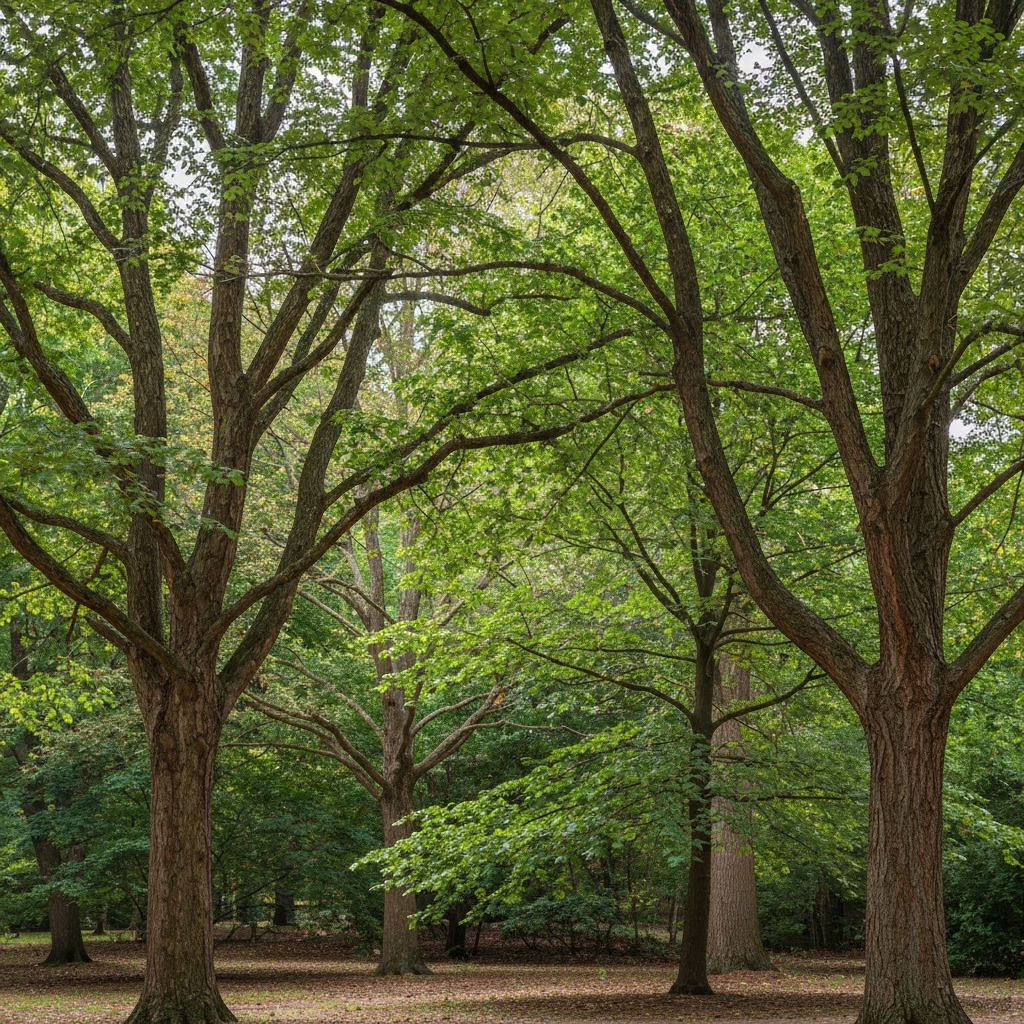
The term "elm tree" encompasses various species, each exhibiting slightly different growth rates and mature sizes. For example, the American Elm (Ulmus americana) can reach heights of 60-80 feet or more, while other elm species might top out at a smaller stature. The Siberian Elm (Ulmus pumila) is known for its rapid growth, sometimes adding several feet per year in ideal conditions, but it's also considered more prone to weaknesses and shorter lifespan. Conversely, a disease-resistant variety of American Elm may grow slower initially but ultimately prove to be a more robust and long-lived tree. When selecting an elm, research the specific species and its known growth characteristics. Consider its mature height and width to ensure it's appropriate for your available space. Neglecting this vital step can result in issues later on.
Step 2: Optimizing Soil Conditions for Elm Tree Growth
Soil quality plays a pivotal role in an elm tree's growth rate and overall health. Elms generally prefer well-drained soil that is rich in organic matter. Before planting, conduct a soil test to determine its pH level and nutrient content. Elms thrive in slightly acidic to neutral soil (pH 6.0-7.0). Amend the soil as needed by adding compost, well-rotted manure, or other organic amendments to improve drainage, aeration, and nutrient availability. Avoid planting in compacted or poorly drained soil, as this can lead to root rot and stunted growth. Regular soil testing (every few years) is recommended to monitor nutrient levels and make necessary adjustments.
Step 3: Proper Planting Techniques for a Strong Start
The planting process significantly impacts an elm tree's ability to establish itself and grow vigorously. Dig a hole that is twice as wide as the root ball and just as deep. Gently remove the tree from its container and loosen any circling roots to encourage outward growth. Position the tree in the hole, ensuring the top of the root ball is level with the surrounding soil. Backfill the hole with the amended soil, gently tamping it down to eliminate air pockets. Water thoroughly after planting. Mulching around the base of the tree (but not touching the trunk) helps retain moisture, suppress weeds, and regulate soil temperature. A layer of 2-3 inches of organic mulch, such as wood chips or shredded bark, is ideal. Remember to water consistently, especially during the first year after planting.
Step 4: Providing Adequate Watering and Fertilization
Consistent watering is essential, especially during the establishment phase and during periods of drought. Young elms need more frequent watering than mature trees. Generally, watering deeply once or twice a week is preferable to shallow, daily watering. Monitor soil moisture levels to avoid overwatering, which can also be detrimental. Fertilize your elm tree in early spring with a balanced fertilizer, following the manufacturer's instructions. Avoid over-fertilizing, as this can damage the roots and lead to excessive foliage growth at the expense of root development. Consider a slow-release fertilizer to provide a steady supply of nutrients over several months. For young trees, a fertilizer with a higher phosphorus content can promote root growth.
Step 5: Pruning for Shape and Health
Regular pruning is crucial for maintaining the shape, health, and structural integrity of your elm tree. Prune during the dormant season (late winter or early spring) to remove dead, damaged, or crossing branches. Proper pruning techniques promote air circulation and sunlight penetration, reducing the risk of disease. Avoid topping the tree, as this weakens its structure and makes it more susceptible to wind damage. Consult with a certified arborist if you are unsure about proper pruning techniques. Pruning young trees to establish a strong central leader will pay dividends down the road.
Step 6: Protecting Your Elm Tree From Pests and Diseases
Elm trees are susceptible to various pests and diseases, most notably Dutch Elm Disease (DED) and Elm Yellows. Monitor your tree regularly for signs of infestation or disease, such as wilting leaves, yellowing foliage, or dieback of branches. Implement preventative measures, such as insecticidal soap or dormant oil sprays, to control pests. Choose disease-resistant elm varieties whenever possible. If you suspect your tree has DED or another serious disease, contact a certified arborist immediately for diagnosis and treatment options. Early detection and prompt treatment can often save the tree.
Step 7: Understanding the Typical Growth Timeline
While it's impossible to provide an exact timeframe for an elm tree to reach "full height," we can establish a general guideline. In optimal conditions, some elm species can grow 2-3 feet per year. However, this rate slows down as the tree matures. It might take 20-30 years or more for an elm tree to reach its full mature height. The initial years are focused on root development, and visible above-ground growth may be slower. Factors like available sunlight, water, and nutrient levels all influence the speed. Remember the 'stub' note earlier? That is very true here. The growth timeline is difficult to quantify exactly. A healthy, well-cared-for elm will obviously grow faster than one struggling with disease or poor conditions.
Pro Tips
- Choose the Right Location: Ensure your elm tree has ample space to grow, both above and below ground. Avoid planting near power lines or underground utilities.
- Protect the Trunk: Use tree guards to protect the trunk from damage from rodents or lawn equipment, especially when young.
- Monitor Soil Moisture: Use a soil moisture meter to accurately assess soil moisture levels and avoid over or under watering.
- Consult an Arborist: For complex issues or concerns, consult with a certified arborist for expert advice.
FAQ Section
Q: How fast do elm trees grow compared to other trees?
A: Elm trees are considered to have a moderate to fast growth rate, depending on the species and conditions. Some species, like the Siberian Elm, are particularly fast-growing. Compared to slow-growing trees like oaks, elms will generally establish and grow to a significant size more quickly.
Q: Can I speed up the growth of my elm tree?
A: While you can't drastically alter the natural growth rate of an elm, you can optimize conditions to promote healthy growth. This includes providing adequate water, fertilizer, and sunlight, as well as protecting the tree from pests and diseases.
Q: What is the average lifespan of an elm tree?
A: The lifespan of an elm tree varies depending on the species and environmental factors. Some elms can live for over 100 years, while others may only live for 50-75 years, particularly if they are susceptible to disease or poor conditions. Disease-resistant varieties offer the best chance for a long lifespan.
Conclusion
Growing an elm tree to its full potential is a long-term commitment, requiring patience, dedication, and proper care. By understanding the different elm species, optimizing soil conditions, providing adequate watering and fertilization, pruning regularly, and protecting against pests and diseases, you can significantly increase the chances of your elm tree thriving and reaching its magnificent full height. Remember that the timeline to reach "full height" is variable, but with the right approach, you can enjoy the beauty and benefits of your elm tree for many years to come.