Your roof is your home's primary defense against the elements, and shingles are a crucial component of that protection. A healthy roof not only safeguards your property but also enhances its curb appeal and overall value. Premature shingle failure can lead to costly repairs, interior damage, and a headache you definitely want to avoid. Fortunately, with the right knowledge and proactive measures, you can significantly extend the lifespan of your shingles and enjoy a worry-free roof for years to come.
This comprehensive guide provides expert insights and practical tips on how to maximize the lifespan of your shingle roof. From regular inspections and proper maintenance to understanding the impact of environmental factors, we'll cover everything you need to know to keep your roof in top condition. Follow these steps to protect your investment and ensure your roof provides reliable protection for decades to come.
Investing time and effort into your roof's upkeep pays dividends in the long run. Neglecting small issues can quickly escalate into major problems requiring extensive repairs or even a complete roof replacement. Let's dive into the strategies you can employ to extend the life of your shingles.
Step 1: Regular Roof Inspections
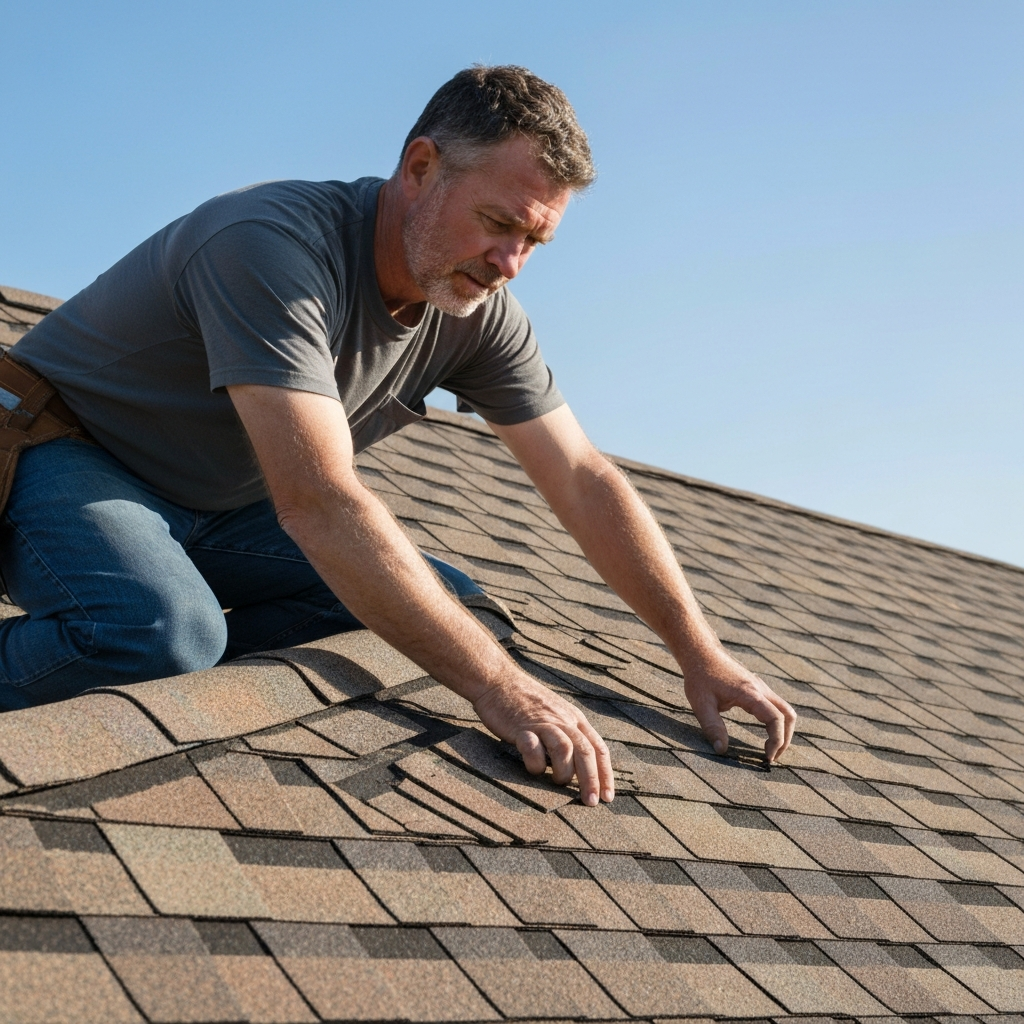
Regular inspections are the cornerstone of proactive roof maintenance. Aim to inspect your roof at least twice a year – once in the spring and again in the fall. After severe weather events like heavy storms, hail, or high winds, an additional inspection is crucial. Visually examine the shingles for signs of damage such as cracking, curling, blistering, or missing granules. Look for loose or damaged flashing around chimneys, vents, and skylights. Check for any signs of leaks or water stains on your interior ceilings and walls. Early detection allows you to address minor issues before they become major problems.
Step 2: Maintain Proper Attic Ventilation
Proper attic ventilation is essential for regulating temperature and moisture levels in your attic. Inadequate ventilation can lead to excessive heat buildup in the summer and moisture condensation in the winter. This can damage the shingles from the underside, causing them to warp, crack, or prematurely deteriorate. Ensure your attic has adequate intake and exhaust vents to promote airflow. Check vents regularly for obstructions such as debris or insulation. Consider adding or upgrading vents if your attic is poorly ventilated. Proper ventilation not only extends the life of your shingles but also reduces energy costs by keeping your home cooler in the summer and warmer in the winter.
Step 3: Keep Your Roof Clean
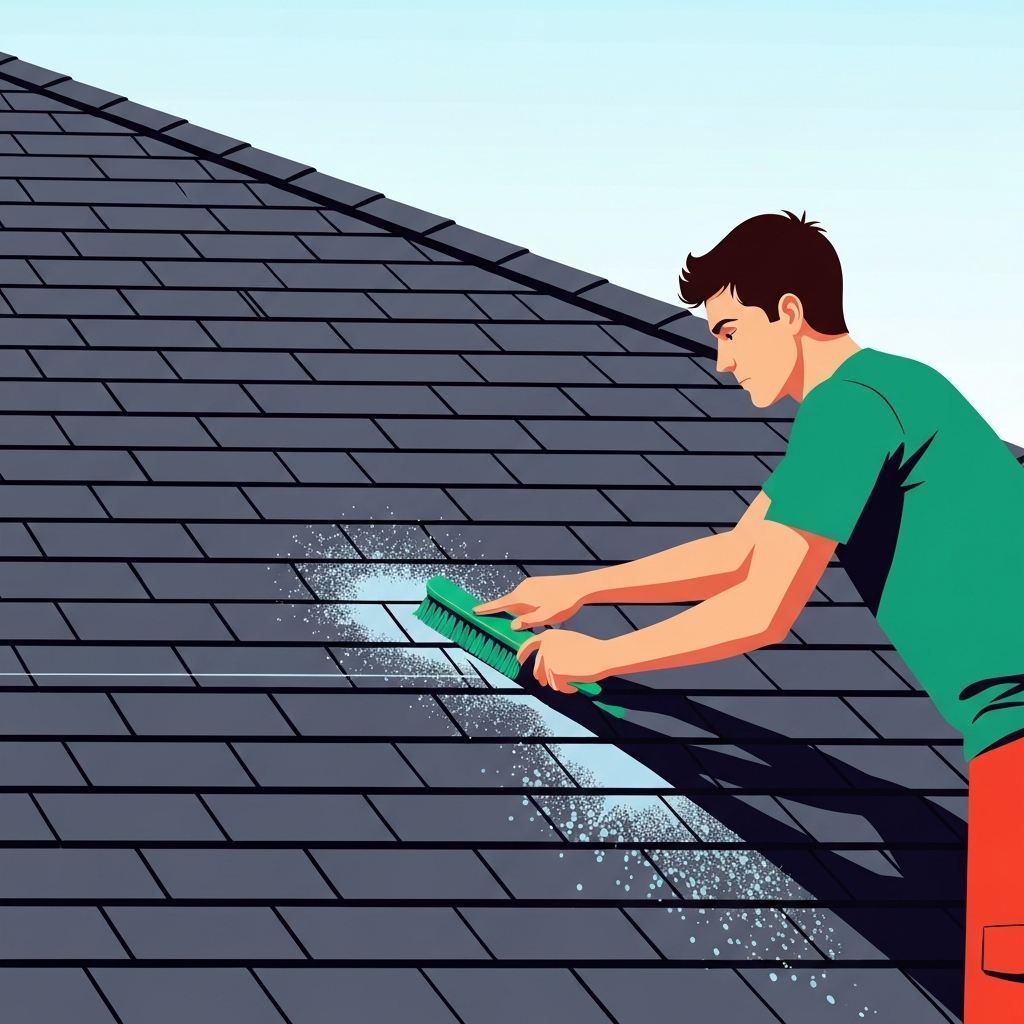
Moss, algae, and lichen growth can trap moisture on the surface of your shingles, leading to deterioration and shortening their lifespan. These organisms can also stain your roof, detracting from its appearance. Regularly clean your roof to remove any organic growth and debris. Use a soft brush and a mild detergent solution to gently scrub the shingles. Avoid using high-pressure washers, as they can damage the shingle granules. Consider applying a roof cleaning solution specifically designed to kill moss and algae. Keeping your roof clean not only enhances its appearance but also protects it from moisture damage and premature wear.
Step 4: Trim Overhanging Trees
Overhanging trees can pose a significant threat to your roof. Branches can rub against the shingles, causing abrasion and removing the protective granules. Falling leaves, pine needles, and other debris can accumulate on the roof, trapping moisture and promoting mold and algae growth. Trim any branches that are hanging over or near your roof to prevent damage and debris buildup. This simple task can significantly extend the lifespan of your shingles and reduce the need for frequent cleaning. Furthermore, trimming trees allows more sunlight to reach your roof, which can help to inhibit the growth of moss and algae.
Common Mistakes to Avoid
- Ignoring leaks: Even small leaks can cause significant damage over time. Address any leaks promptly to prevent further deterioration.
- Using harsh chemicals: Avoid using harsh chemicals or abrasive cleaners on your shingles, as they can damage the protective granules.
- Walking on shingles unnecessarily: Walking on shingles can damage them, especially in hot weather when they are more pliable. Avoid walking on your roof unless absolutely necessary.
Step 5: Promptly Repair Damage
Addressing any damage to your shingles promptly is crucial for preventing further deterioration and extending their lifespan. Replace any missing, cracked, or damaged shingles as soon as possible. Repair any loose or damaged flashing around chimneys, vents, and skylights. Ignoring even minor damage can allow water to penetrate your roof, leading to more extensive and costly problems down the road. If you are not comfortable performing these repairs yourself, hire a qualified roofing contractor to do the work.
Step 6: Consider Professional Maintenance
While you can perform many roof maintenance tasks yourself, consider hiring a professional roofing contractor for periodic inspections and maintenance. A professional can identify potential problems that you might miss and perform necessary repairs to ensure your roof is in optimal condition. A professional inspection will usually cost between $150 and $500, depending on the size and complexity of your roof. However, this expense can save you thousands of dollars in the long run by preventing major problems.
Safety Considerations
- Always use caution when working on your roof. Wear appropriate safety gear, including a harness, non-slip shoes, and eye protection.
- Avoid working on your roof in wet or windy conditions.
- If you are not comfortable working on your roof, hire a qualified roofing contractor.
FAQ Section
Q: How long should my shingles last?
A: The lifespan of shingles varies depending on the type of shingle, the climate, and the quality of installation. Generally, asphalt shingles can last anywhere from 15 to 30 years or even longer.
Q: What are the signs that my shingles need to be replaced?
A: Signs that your shingles may need to be replaced include excessive granule loss, curling or cracking, missing shingles, and leaks.
Q: Can I pressure wash my roof?
A: It is generally not recommended to pressure wash your roof, as it can damage the shingle granules. If you must pressure wash, use a very low setting and a wide nozzle.
Conclusion
Extending the lifespan of your shingles requires a proactive approach to roof maintenance. By following the steps outlined in this guide – regular inspections, proper attic ventilation, keeping your roof clean, trimming overhanging trees, promptly repairing damage, and considering professional maintenance – you can significantly increase the lifespan of your shingles and protect your home from the elements. Remember, a well-maintained roof is a valuable asset that not only safeguards your property but also enhances its curb appeal and overall value. Invest the time and effort to keep your roof in top condition, and you'll enjoy a worry-free roof for years to come.