Hard water, characterized by a high mineral content (primarily calcium and magnesium), is a common household issue. While not a health hazard, hard water can lead to frustrating problems like soap scum, dingy laundry, and mineral buildup in your plumbing. Determining if you have hard water is the first step towards addressing these concerns and potentially investing in a water softening solution.
This guide provides a comprehensive overview of methods you can use to identify hard water in your home, ranging from simple visual cues to more precise testing methods. By following these steps, you can confidently assess your water's hardness level and make informed decisions about water treatment options.
Understanding the signs and symptoms allows you to proactively combat the adverse effects of hard water and maintain the longevity of your appliances and plumbing fixtures.
Step 1: Observe Soap Lathering
Check for Poor Soap Lather
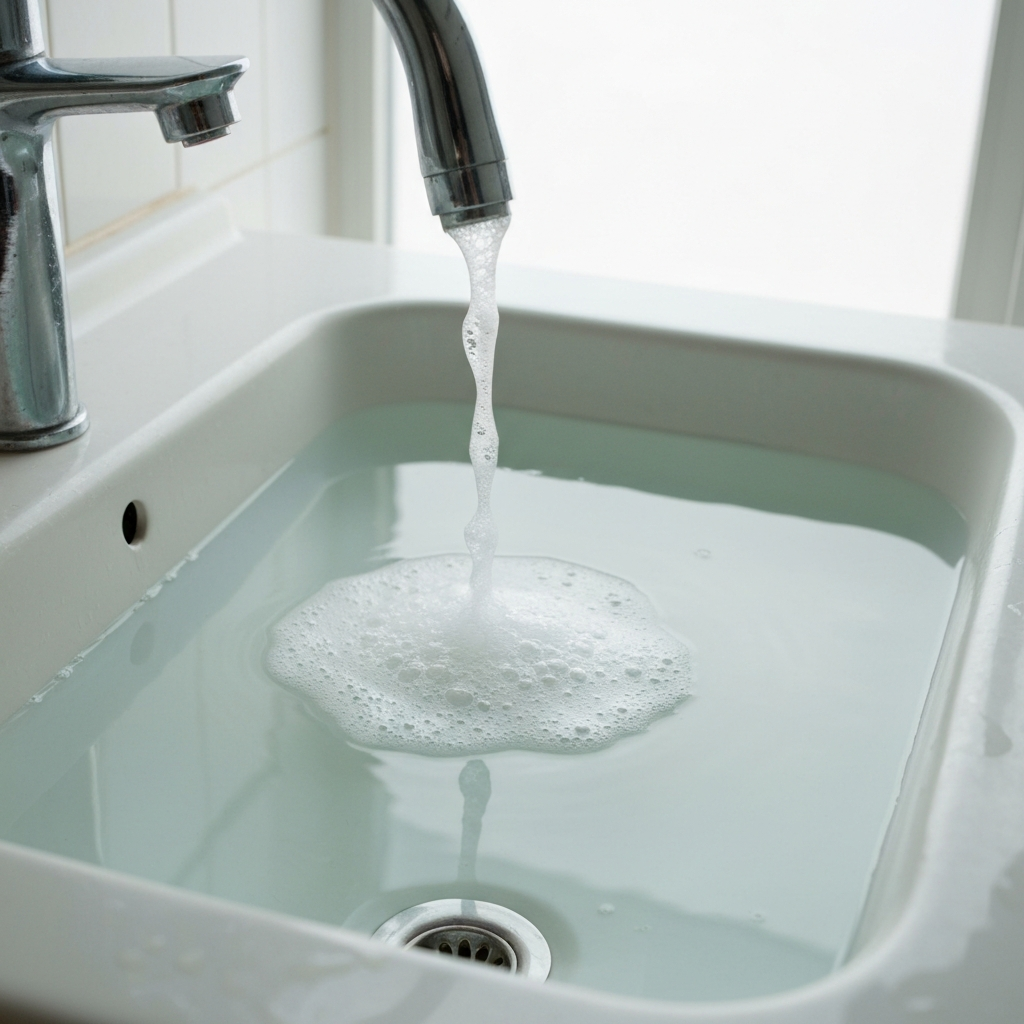
One of the most noticeable signs of hard water is its effect on soap. Hard water inhibits the soap's ability to lather effectively, requiring you to use more soap than you normally would to achieve the same level of suds. Pay attention to how easily your hand soap, dish soap, and laundry detergent produce a rich lather. If you find yourself needing to add more soap or detergent to get a good lather, hard water may be the culprit. This happens because the minerals in hard water bind to the soap, forming soap scum instead of suds.
Step 2: Inspect for Soap Scum
Look for Residue on Surfaces
Soap scum, the unsightly white or gray film that clings to shower walls, tubs, and sinks, is a telltale sign of hard water. The minerals in hard water react with soap to form this insoluble residue. Regularly inspect your bathroom and kitchen fixtures for this film. It can be difficult to remove and often requires specialized cleaning products. If you notice a persistent buildup of soap scum despite regular cleaning, it's a strong indication of hard water.
Step 3: Examine Your Dishes and Glassware
Check for Spots and Film
Hard water can leave unsightly spots and a cloudy film on your dishes and glassware, even after they've been washed in the dishwasher. These spots are typically white or chalky and are caused by mineral deposits left behind as the water evaporates. If you consistently find these spots on your clean dishes, especially glasses and silverware, hard water is likely the cause. Running an empty dishwasher with vinegar can sometimes alleviate this, but the problem will persist if you don't address the hard water issue itself.
Step 4: Evaluate Your Laundry
Assess Fabric Feel and Color
Hard water can affect the feel and appearance of your laundry. Clothes washed in hard water may feel stiff, scratchy, and faded. The minerals in the water can bind to the fabric fibers, making them feel rough and reducing the vibrancy of colors. You might also notice that white clothes become dingy or yellowed over time. If you consistently experience these issues with your laundry, consider hard water as a potential contributing factor.
Step 5: Observe Your Skin and Hair
Notice Dryness and Irritation
Hard water can dry out your skin and hair. The minerals in the water can interfere with your skin's natural oils, leading to dryness, itching, and irritation. Similarly, hard water can leave your hair feeling dull, brittle, and difficult to manage. Some individuals may also experience scalp irritation or dandruff. While these symptoms can have other causes, hard water should be considered if you notice a combination of these skin and hair issues.
Step 6: Perform a Simple DIY Soap Test
The Bottle Test
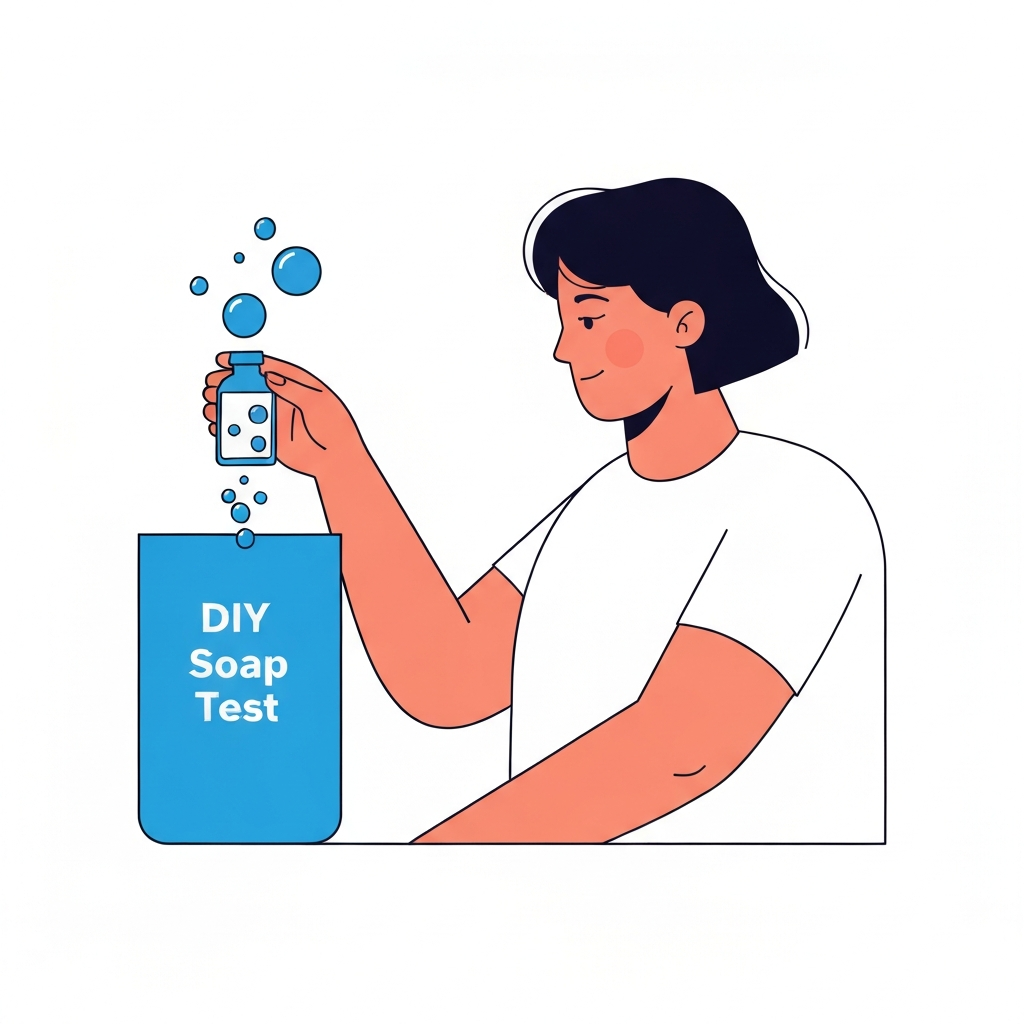
This is a quick and easy way to get a preliminary assessment of your water hardness. Fill a clear bottle (like an empty water bottle) about one-third full with tap water. Add a few drops of liquid soap (dish soap works well). Seal the bottle tightly and shake vigorously for a minute. Observe the contents of the bottle. If the water forms a good amount of suds and remains clear, your water is likely soft. If there are few suds and the water looks cloudy or contains a milky residue, you likely have hard water.
Step 7: Use a Hard Water Test Kit
Purchase a Test Strip or Kit
For a more accurate assessment, purchase a commercially available hard water test kit. These kits typically contain test strips that change color when immersed in water, indicating the hardness level. Follow the instructions provided with the kit carefully. The color change corresponds to a specific range of water hardness, usually measured in parts per million (ppm) or grains per gallon (gpg). These kits are readily available at most hardware stores and online retailers. The cost is typically between $10 and $20.
Step 8: Contact Your Local Water Utility
Request a Water Quality Report
Your local water utility is responsible for monitoring and testing the water supply. Contact them and request a copy of their latest water quality report. This report will provide detailed information about the mineral content of your water, including hardness levels. This is usually free and provides an objective, professional analysis of your water supply. Keep in mind that the report may reflect the overall water supply and not necessarily the water hardness specifically at your home, as conditions can change within the distribution system. Even with potential variations, this offers a good baseline understanding.
Step 9: Hire a Professional Water Testing Service
Professional Lab Analysis
For the most accurate and comprehensive analysis of your water hardness, consider hiring a professional water testing service. These services will collect a sample of your water and send it to a laboratory for analysis. They can provide you with a detailed report outlining the exact mineral content of your water and identify any other potential contaminants. This is the most accurate but also the most expensive option, typically costing between $50 and $200.
Tools or Materials Required
- Clear bottle (for the soap test)
- Liquid soap
- Hard water test kit (optional)
Common Mistakes to Avoid
- Using scented soap for the soap test: Scented soaps can affect the results of the test. Use a plain, unscented soap.
- Misinterpreting test kit results: Read the instructions carefully to ensure you are interpreting the results correctly.
FAQ Section
- Is hard water dangerous?
- No, hard water is not considered dangerous to your health. In fact, it can provide beneficial minerals like calcium and magnesium.
- Can I soften my water?
- Yes, water softeners can be installed to remove the minerals that cause hard water.
- Does boiling water soften it?
- Boiling water can temporarily reduce hardness but won't eliminate it entirely.
Pro Tip: If you live in an area known for hard water, the likelihood of having hard water in your home is high. Consult a local map of water hardness levels for a preliminary assessment.
Conclusion
Determining if you have hard water is a straightforward process that involves observing everyday signs, conducting simple tests, and, if necessary, seeking professional analysis. By following the steps outlined in this guide, you can confidently assess your water's hardness level and take appropriate action to address any issues. Whether you choose to ignore the problem, install a water softener, or simply adjust your cleaning routine, understanding your water's characteristics is essential for maintaining a healthy and efficient home.