Arranging furniture in a small room presents a unique set of challenges. Maximizing space while maintaining functionality and aesthetic appeal requires careful planning and a strategic approach. The key is to think vertically, utilize multi-functional pieces, and create a sense of openness. Don't let limited square footage cramp your style; with a few expert tips and tricks, you can transform a cramped space into a comfortable and stylish haven.
This guide provides a step-by-step approach to furniture layout in small rooms, focusing on space optimization, visual balance, and practical solutions. We'll explore key principles, common mistakes to avoid, and pro tips to help you create a room that feels both spacious and inviting. Get ready to unlock the full potential of your small space!
Step 1: Measure Your Space and Inventory Your Furniture
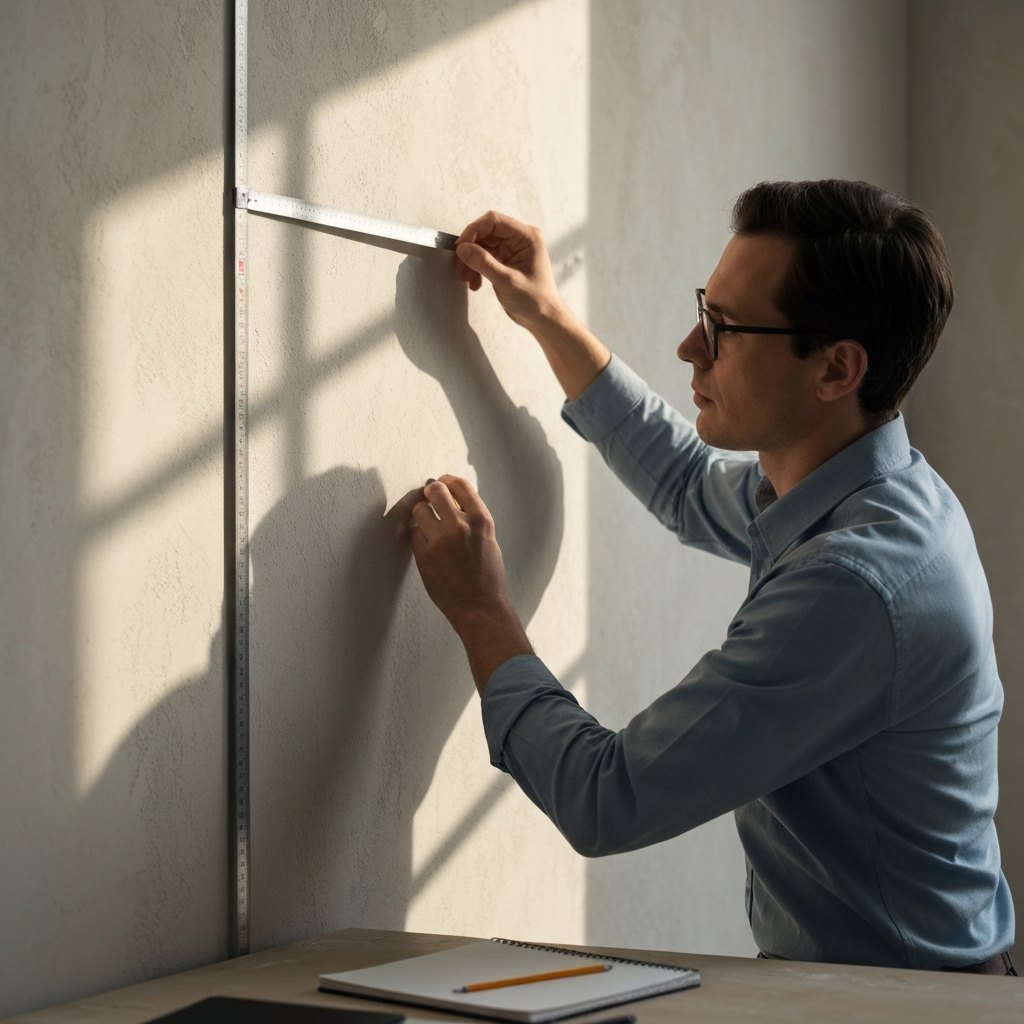
Before you even think about moving furniture, meticulously measure the dimensions of your room, including the height. Note the location of windows, doors, radiators, and electrical outlets. Then, create a detailed inventory of your furniture, recording the dimensions of each piece. This crucial first step will prevent you from making costly mistakes and ensure that your furniture fits comfortably within the available space.Consider the flow of traffic within the room. You need enough space to move comfortably around the furniture.
Step 2: Create a Floor Plan
With your measurements in hand, it's time to create a floor plan. You can use graph paper, a digital room planner, or even simply sketch it out. The goal is to visualize different furniture arrangements before you start physically moving anything. Cut out scaled representations of your furniture pieces and experiment with various layouts. Don't be afraid to try unconventional arrangements and consider all possible orientations.

Step 3: Prioritize Functionality and Focal Points
Determine the primary function of the room. Is it a living room for relaxing and entertaining, or a bedroom for sleeping and storage? Identify the focal point of the room, such as a window with a view, a fireplace, or a television. Arrange your furniture to emphasize the focal point and create a natural flow of traffic. Consider placing larger items like sofas and beds against walls to maximize open space. Think about how you will be using the space on a daily basis.
Step 4: Utilize Vertical Space
In small rooms, vertical space is your best friend. Maximize storage and visual interest by incorporating tall bookshelves, wall-mounted shelves, and vertical storage units. Hang artwork or mirrors high on the walls to draw the eye upward and create a sense of height. Choose curtains that extend from the ceiling to the floor to elongate the walls. Consider installing floating shelves to keep the floor clear.

Step 5: Choose Multi-Functional Furniture
Opt for furniture that serves multiple purposes. A sofa bed can transform a living room into a guest room, while a coffee table with built-in storage provides a place to stash blankets and magazines. Choose ottomans with hidden storage, nesting tables, and folding chairs to maximize space efficiency. Look for pieces that can easily be moved or reconfigured to adapt to your changing needs.
Step 6: Create an Illusion of Space
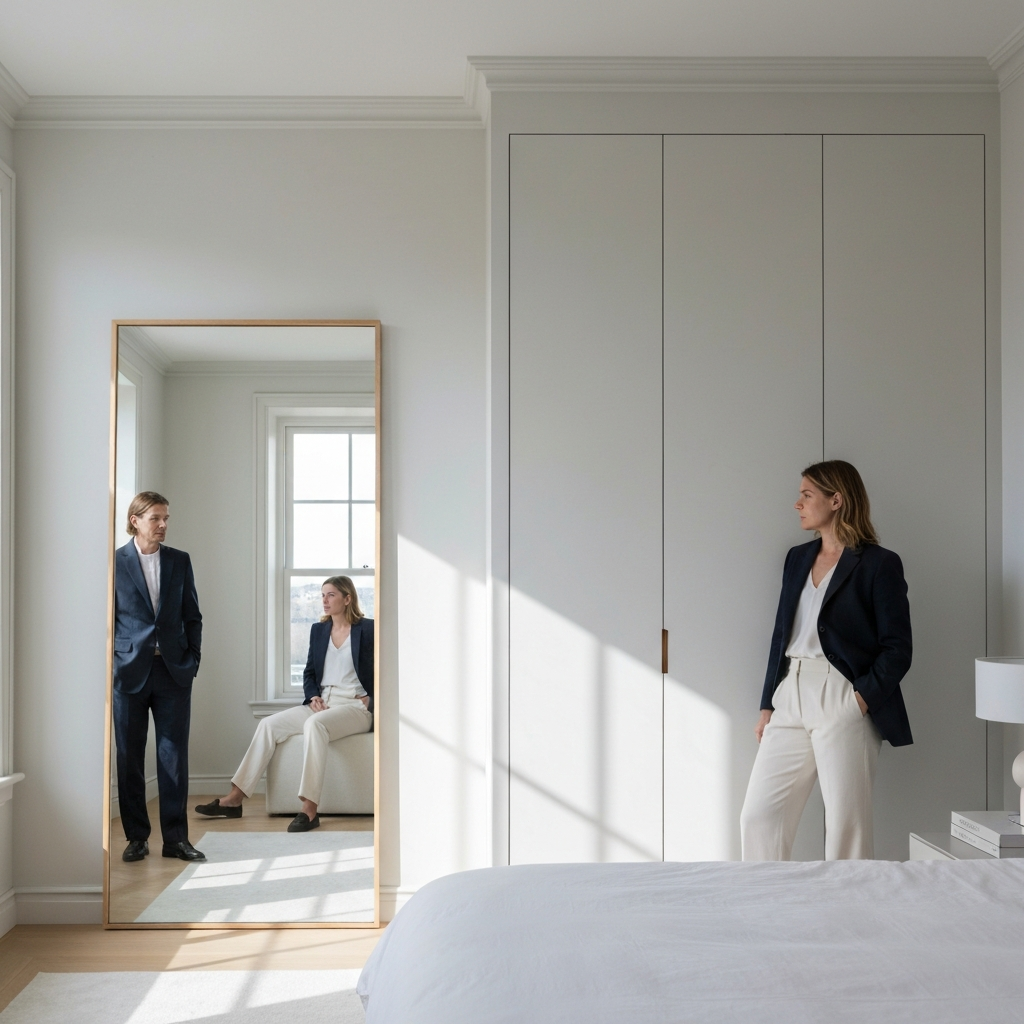
Use mirrors strategically to reflect light and create the illusion of a larger space. Place a large mirror on a wall opposite a window to maximize natural light and visually expand the room. Choose light and airy colors for walls and furniture to create a sense of openness. Avoid clutter and keep surfaces clear to minimize visual noise. Use rugs to define different areas within the room and add warmth and texture.
Step 7: Edit and Declutter Ruthlessly
Be honest with yourself about what you truly need and use. The less clutter you have, the more spacious your room will feel. Donate, sell, or discard items that you no longer need or love. Store seasonal items and infrequently used belongings in less accessible areas of your home. Regularly declutter your space to maintain a sense of order and tranquility. Consider vertical storage options to keep items off the floor.

Common Mistakes to Avoid
- Overcrowding the room: Resist the urge to fill every corner with furniture. Less is often more.
- Choosing furniture that is too large: Scale your furniture to the size of the room.
- Blocking natural light: Position furniture to allow maximum natural light to enter the room.
- Ignoring traffic flow: Create clear pathways for easy movement throughout the room.
- Neglecting vertical space: Utilize walls and ceilings for storage and visual interest.
Pro Tips
- Use light-colored paint to make the room feel larger.
- Hang curtains high to create the illusion of taller ceilings.
- Incorporate plants to add life and freshness to the room.
- Use rugs to define different areas within the room.
- Add personal touches to make the space feel like your own.
FAQ Section
- Q: What is the best color to paint a small room?
- A: Light and neutral colors like white, cream, and light gray are ideal for making a small room feel larger and brighter.
- Q: How can I make a small room look taller?
- A: Hang curtains high, use vertical stripes, and incorporate tall bookshelves or artwork to draw the eye upward.
- Q: What type of furniture is best for a small room?
- A: Choose multi-functional furniture, such as sofa beds, storage ottomans, and nesting tables, to maximize space efficiency.
By following these expert tips, you can transform your small room into a stylish and functional space that you'll love. Remember to prioritize functionality, utilize vertical space, and create an illusion of spaciousness. With careful planning and a strategic approach, even the smallest room can feel comfortable and inviting. Don't be afraid to experiment with different layouts and add personal touches to make the space your own. Happy decorating!