Choosing the right freezer can feel overwhelming. There are so many types, sizes, and features available, it's hard to know where to start. But fear not! With a little planning and some expert advice, you can select a freezer that perfectly meets your needs and saves you money in the long run. A freezer is an investment, so it's crucial to do your homework before making a purchase.
This guide will walk you through the essential steps of choosing a freezer, from assessing your storage needs to understanding energy efficiency. We'll cover the different types of freezers, key features to look for, and some common mistakes to avoid. By the end, you'll be equipped with the knowledge to confidently pick the perfect freezer for your home or business.
Think of your freezer as a long-term partner in preserving food and saving you trips to the grocery store. A well-chosen freezer will provide reliable storage for years to come, so let’s get started!
Step 1: Assess Your Storage Needs
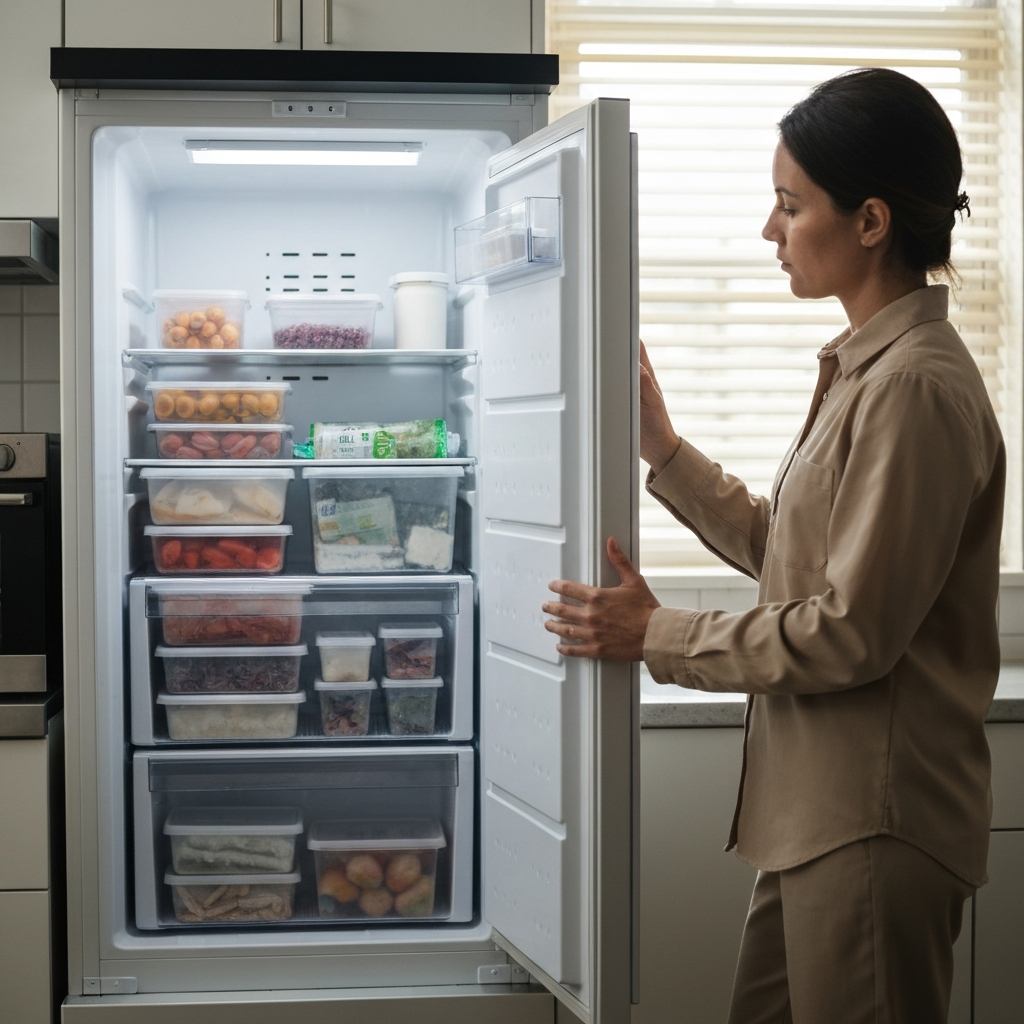
Before you even start looking at freezers, take the time to realistically assess your storage needs. Consider how much frozen food you typically store, and how much you anticipate storing in the future. Overestimating is better than underestimating, but don't go overboard. Think about whether you plan to freeze bulk purchases, store leftovers, or freeze garden produce. Also, consider the size of your household. A single person will likely need a much smaller freezer than a family of five.
Step 2: Choose a Freezer Type
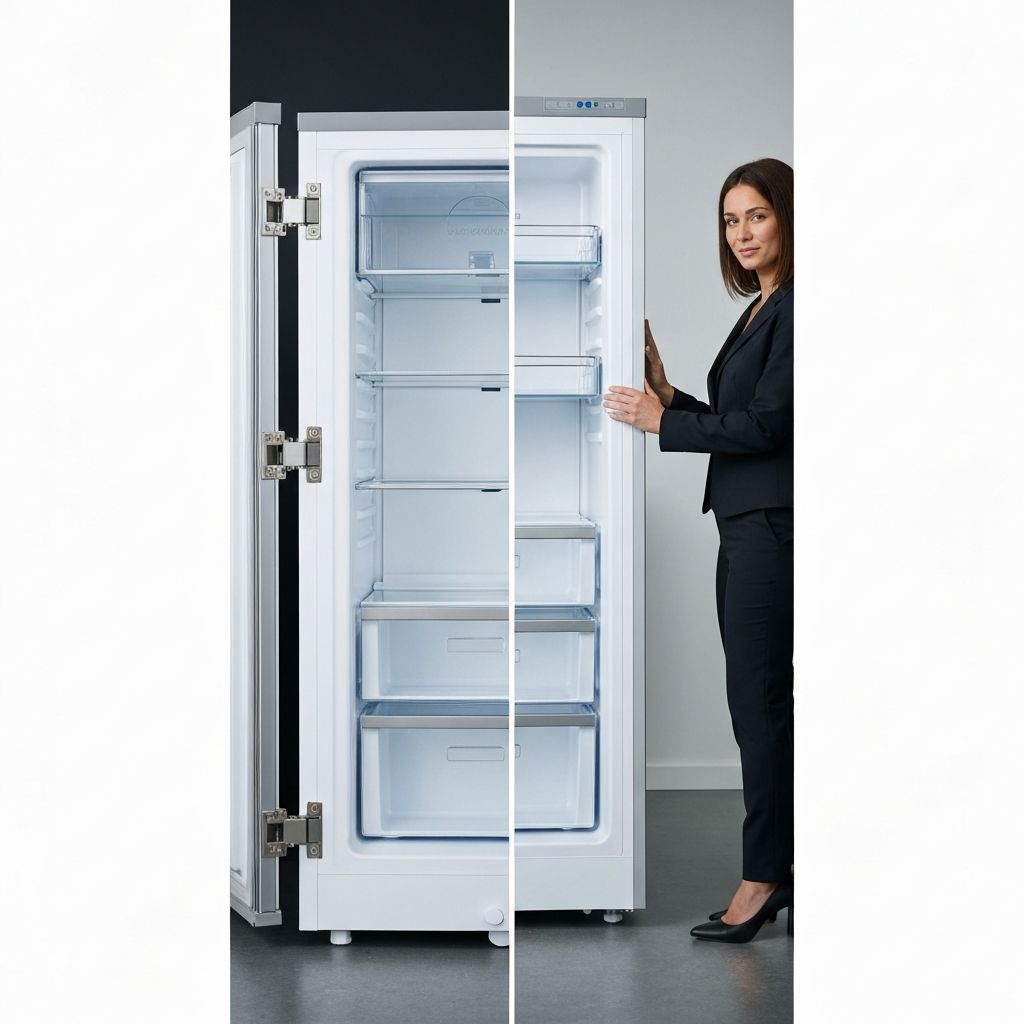
There are primarily two types of freezers for residential use: chest freezers and upright freezers. Chest freezers are typically more energy-efficient and offer more usable storage space for their size. They're great for storing large, bulky items, but they can be difficult to organize, as items tend to get buried at the bottom. Upright freezers, on the other hand, are easier to organize and access, similar to a refrigerator. They take up less floor space, but are generally less energy-efficient and can be more prone to frost buildup. Consider your available space and organization preferences when making your decision. You may also find drawer freezers, which are integrated into the kitchen, and are considered a smaller variety, designed for very little space.
Step 3: Consider the Freezer Size
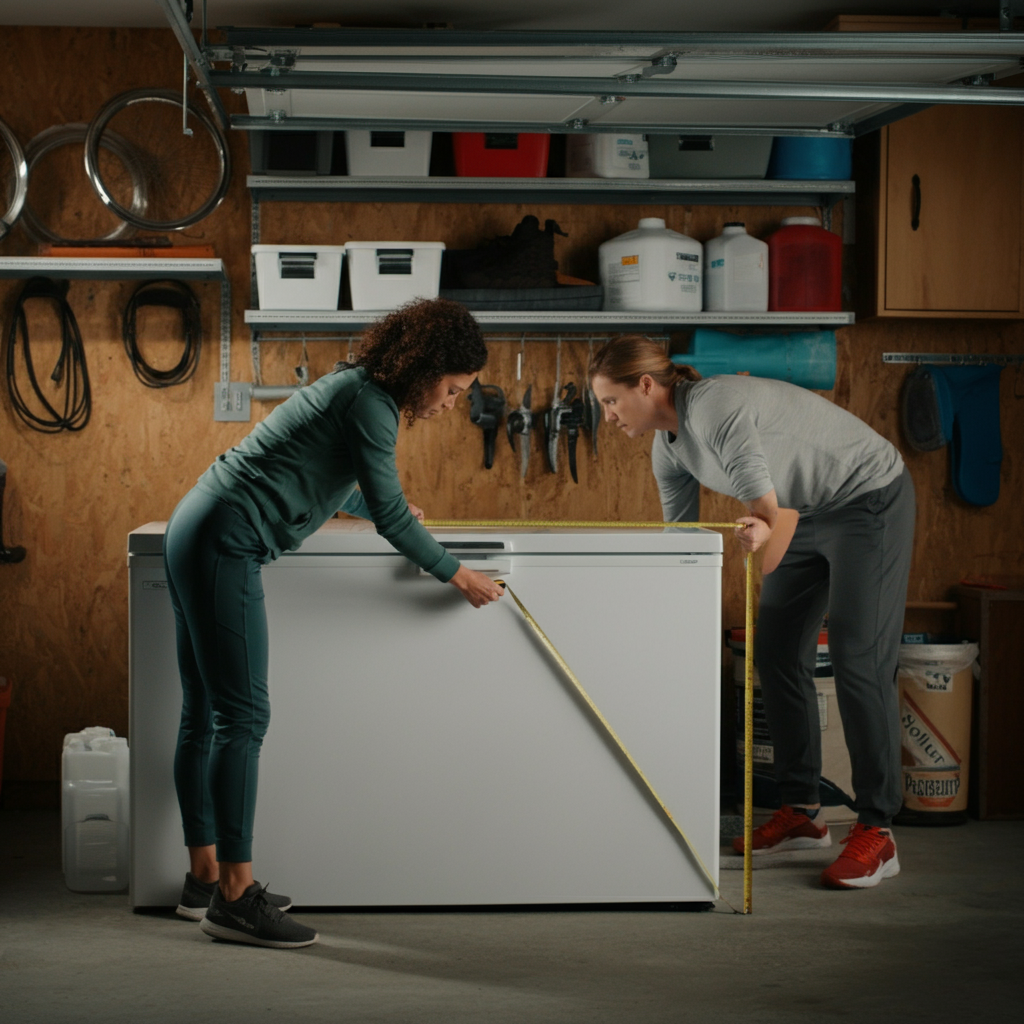
Freezer size is measured in cubic feet. A general guideline is to allocate 1.5 to 2 cubic feet of freezer space per person in your household. However, this is just a starting point. If you frequently freeze large quantities of food, you may need more space. Chest freezers typically range from 5 to 25 cubic feet, while upright freezers range from 10 to 20 cubic feet. Measure the space where you plan to put the freezer and make sure to leave enough room for proper ventilation. Remember to account for the door swing if you're considering an upright model. Also, check if you have a suitable electrical outlet nearby.
Step 4: Evaluate Energy Efficiency
Freezers are constantly running, so energy efficiency is a crucial factor to consider. Look for freezers with the Energy Star label, which indicates that they meet strict energy-efficiency guidelines set by the EPA. Energy Star-certified freezers can save you money on your electricity bill over the long term. Check the EnergyGuide label to compare the estimated annual energy consumption and operating cost of different models. Chest freezers are generally more energy-efficient than upright freezers because they lose less cold air when the door is opened. Features like automatic defrost can also impact energy consumption. Manual defrost freezers are more efficient but require periodic defrosting.
Step 5: Look for Desirable Features
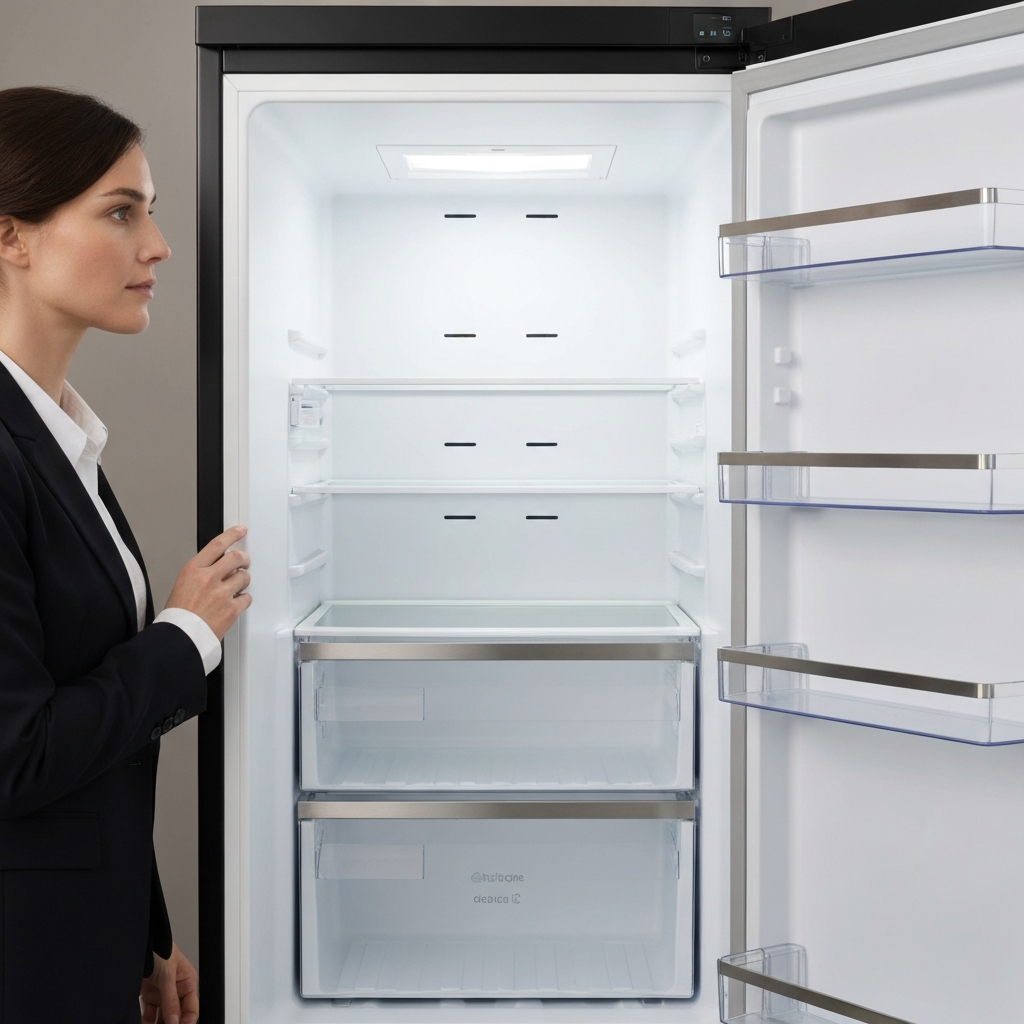
Several features can enhance the convenience and functionality of your freezer. Consider adjustable shelves or baskets for flexible storage options. A power-on indicator light lets you know at a glance that the freezer is running. A temperature alarm alerts you if the temperature rises to unsafe levels. A manual defrost drain makes defrosting easier. Some freezers also offer features like fast freeze, which quickly lowers the temperature to freeze fresh food rapidly. Also consider the type of shelving the freezer has; wire shelves may not be as sturdy as solid shelves, particularly in upright freezers.
Step 6: Consider the Climate
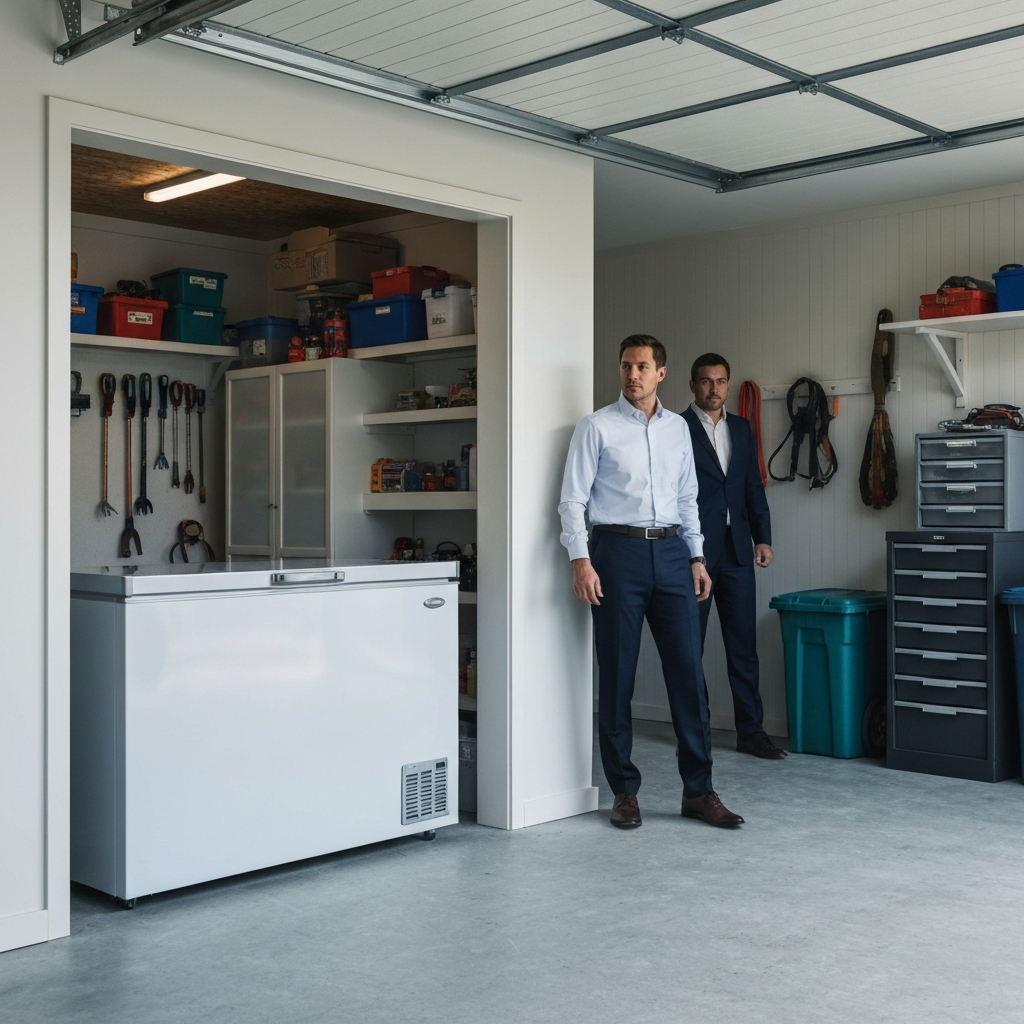
The location of your freezer can affect its performance. If you plan to keep the freezer in a garage or basement that is not climate-controlled, make sure the freezer is designed to operate within the temperature range of that environment. Some freezers are not designed to operate efficiently in extremely cold or hot temperatures. Consult the manufacturer's specifications to ensure that the freezer is suitable for its intended location. This can also have an effect on the energy efficiency of the freezer.
Step 7: Read Reviews and Compare Prices
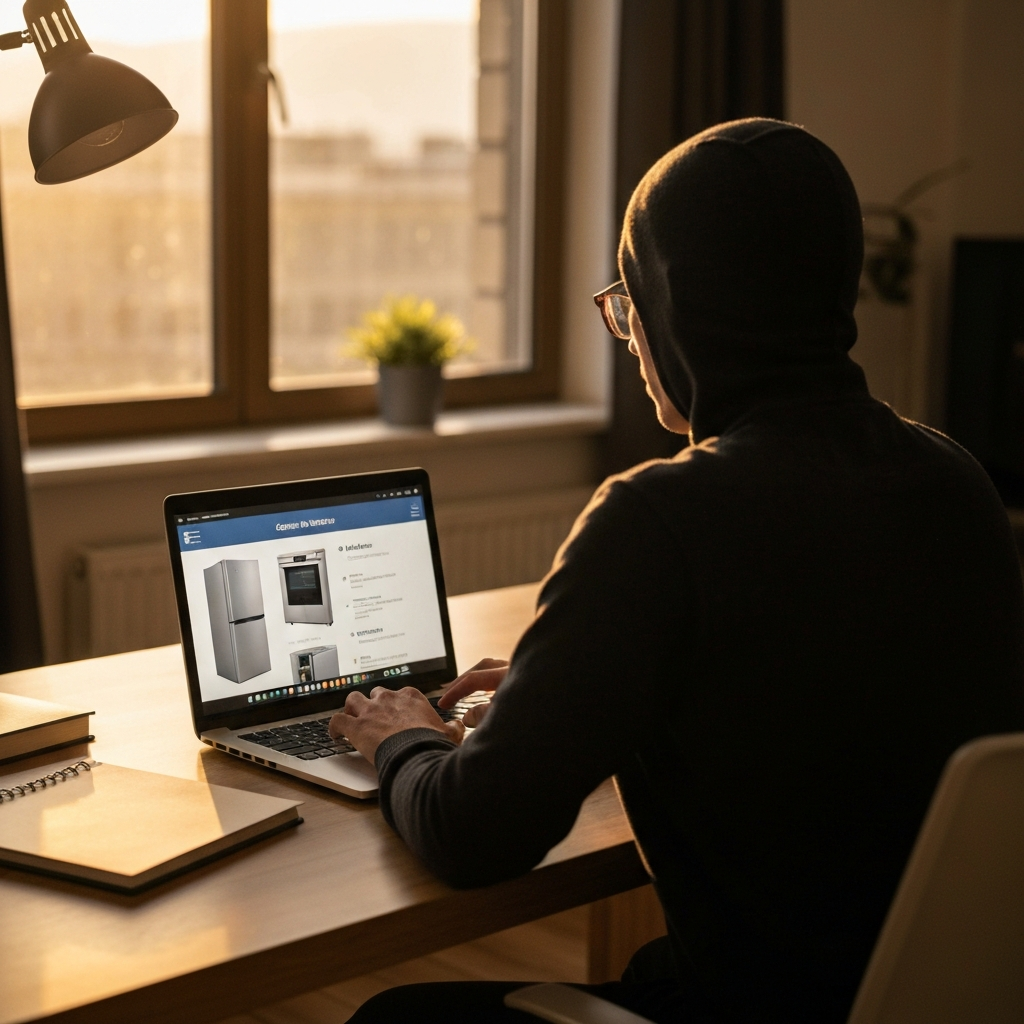
Before making a final decision, read online reviews from other customers. Pay attention to reviews that mention reliability, performance, and customer service. Compare prices from different retailers to find the best deal. Consider whether to purchase an extended warranty for added peace of mind. Don't solely base your decision on price; prioritize features and quality.
Safety Considerations
When choosing and using a freezer, keep safety in mind. Ensure the freezer is placed on a level surface. Avoid overloading the freezer, as this can impede airflow and affect performance. Never use sharp objects to remove frost, as this could damage the cooling system. Always unplug the freezer before cleaning or defrosting. Never allow children to play inside or around the freezer. Teach children about the dangers of entrapment. Proper ventilation is crucial to prevent overheating.
Common Mistakes to Avoid
One common mistake is buying a freezer that is too small. Another is neglecting to defrost the freezer regularly, which can reduce its efficiency. Failing to organize the freezer properly can lead to food spoilage and wasted space. Ignoring the temperature settings can also affect food quality and safety. Also, placing a freezer in direct sunlight or near a heat source will drastically reduce its efficiency and life span.
FAQ Section
Q: How often should I defrost my freezer?
A: Manual defrost freezers should be defrosted when the frost buildup is about 1/4 inch thick.
Q: Can I put a freezer in an unheated garage?
A: It depends on the model. Check the manufacturer's specifications to ensure the freezer is designed to operate in cold temperatures.
Q: How can I organize my freezer effectively?
A: Use baskets or bins to group similar items together. Label and date all frozen foods. Rotate your stock regularly to ensure that older items are used first.
Conclusion
Choosing the right freezer is an important decision that can impact your food storage habits and your energy bill. By assessing your needs, considering the different types and sizes, evaluating energy efficiency, and looking for desirable features, you can confidently select a freezer that meets your requirements. Remember to prioritize safety and avoid common mistakes to ensure that your freezer provides reliable and efficient performance for years to come. Happy freezing!