Your roof is your home's first line of defense against the elements, and the shingles are the unsung heroes of that defense. Replacing a roof is a significant investment, so maximizing the lifespan of your shingles is crucial for both financial and structural security. This guide provides actionable steps and expert insights to help you protect your roof and extend its longevity.
Understanding the factors that contribute to shingle deterioration is the first step in preventative maintenance. Environmental stressors like extreme temperatures, UV radiation, and moisture, coupled with poor ventilation and neglect, can drastically shorten a roof's lifespan. By implementing the strategies outlined below, you can mitigate these risks and ensure your roof stands the test of time.
This guide focuses on practical, hands-on advice, informed by years of roofing experience. From regular inspections to proper maintenance techniques, we'll equip you with the knowledge to keep your shingles in top condition.
Step 1: Conduct Regular Roof Inspections
Visual Assessment for Early Detection
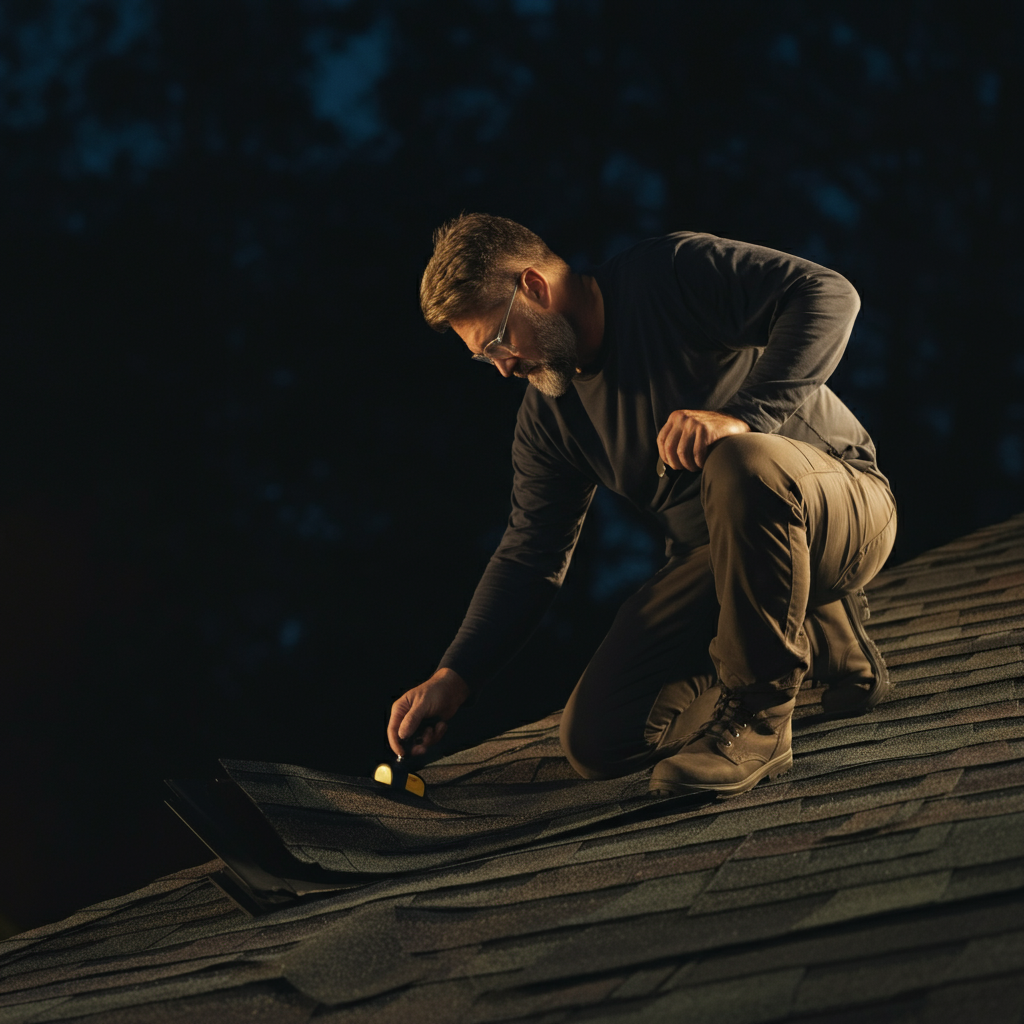
Regular roof inspections are paramount for identifying potential problems before they escalate. Aim to inspect your roof at least twice a year – once in the spring and once in the fall. Look for signs of damage, such as cracked, curled, or missing shingles. Pay close attention to areas around vents, chimneys, and other roof penetrations, as these are common spots for leaks to develop. Also, examine the condition of your flashing, the metal material installed around these features, ensuring it's secure and free from corrosion.
Step 2: Maintain Proper Attic Ventilation
Ensuring Balanced Airflow
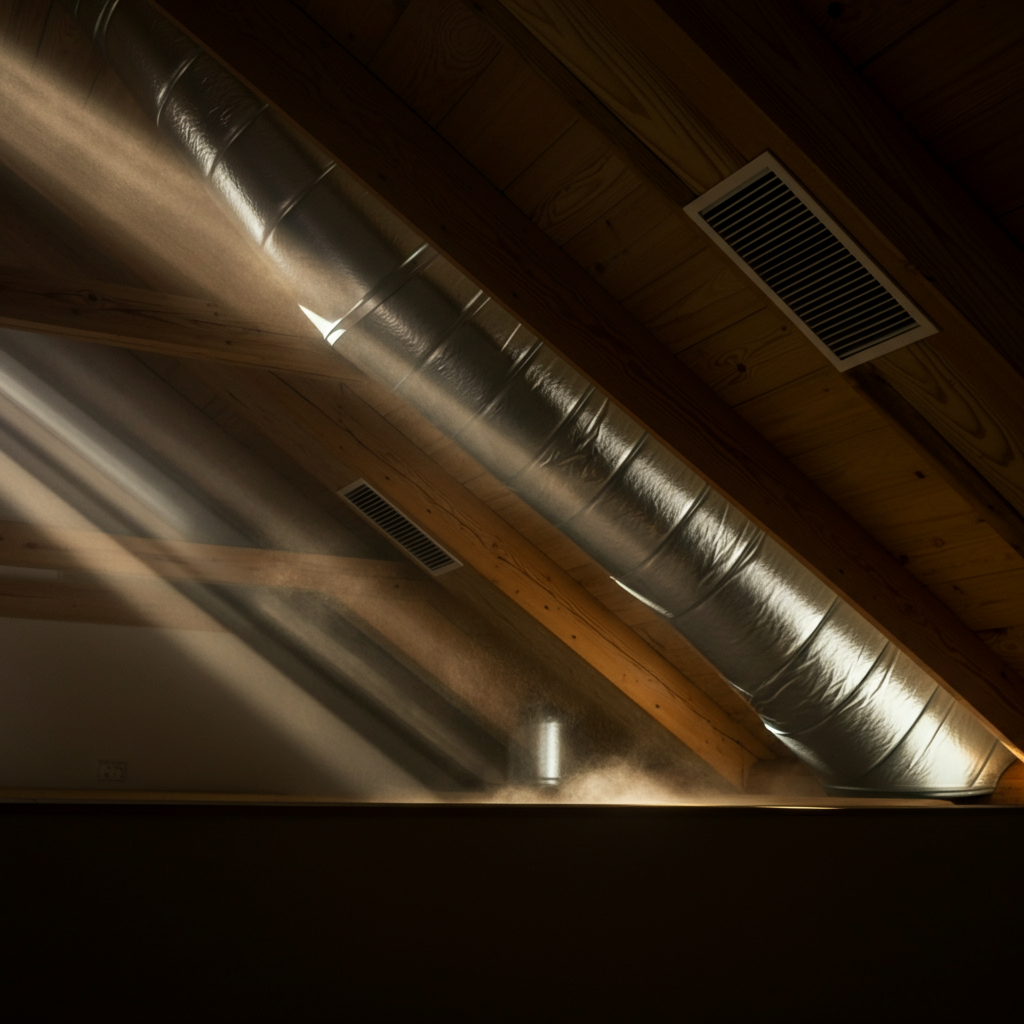
Proper attic ventilation is critical for preventing moisture buildup and regulating temperature. Inadequate ventilation can lead to excessive heat in the summer and moisture condensation in the winter, both of which can damage shingles. Ensure your attic has sufficient intake vents (usually located in the soffits) and exhaust vents (typically ridge vents or gable vents). If you suspect poor ventilation, consult with a roofing professional to assess and improve the airflow in your attic. Consider installing a powered attic vent if natural ventilation is insufficient.
Step 3: Clean Gutters and Downspouts Regularly
Preventing Water Damage
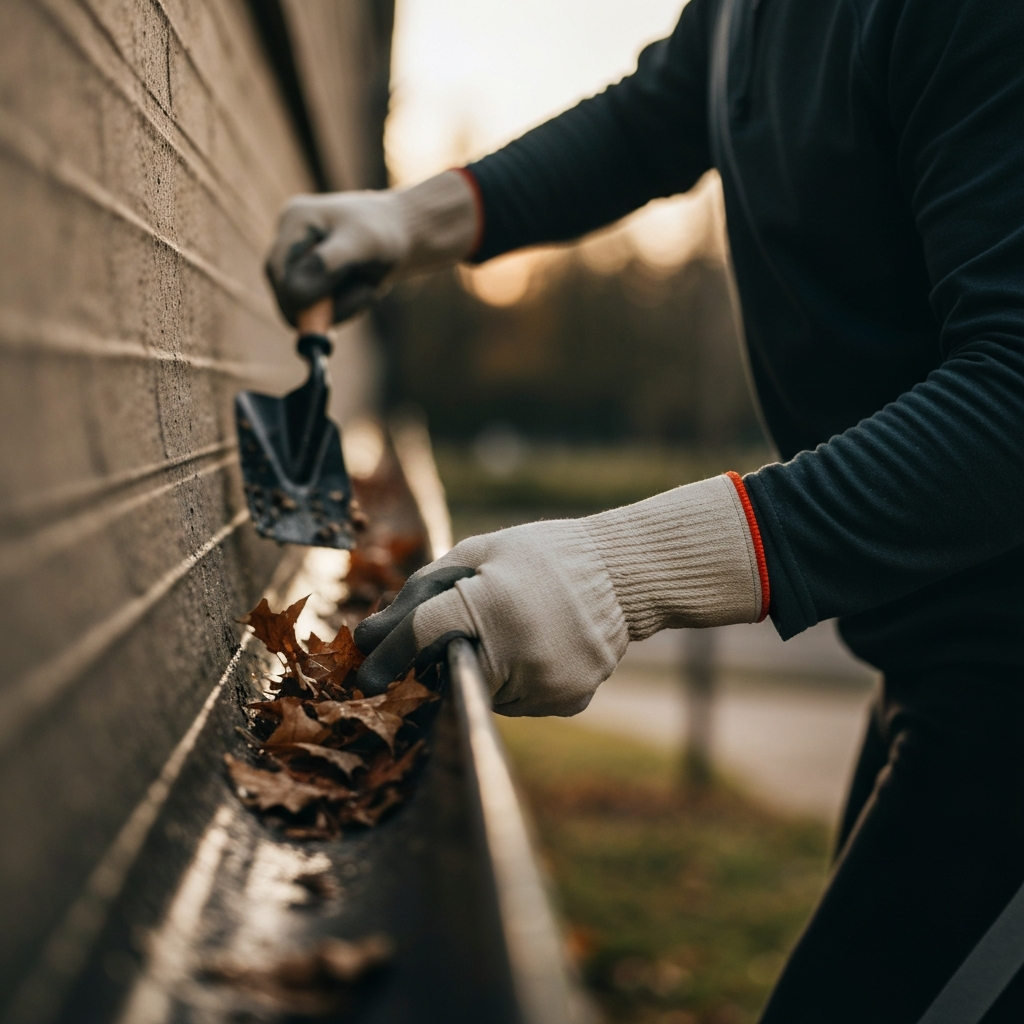
Clogged gutters and downspouts can cause water to back up onto the roof, leading to water damage and premature shingle deterioration. Make it a habit to clean your gutters at least twice a year, preferably in the spring and fall, to remove leaves, debris, and other obstructions. Ensure downspouts are properly directed away from the foundation of your home to prevent water from pooling around the base.
Step 4: Trim Overhanging Trees
Reducing Physical Damage
Overhanging tree branches can pose a significant threat to your roof shingles. Branches can rub against the shingles, causing abrasion and granule loss. In addition, falling branches can cause significant impact damage. Regularly trim overhanging trees to keep branches at least 6-10 feet away from your roof. This simple step can prevent considerable damage and prolong the life of your shingles.

Step 5: Address Moss and Algae Growth
Controlling Biological Deterioration
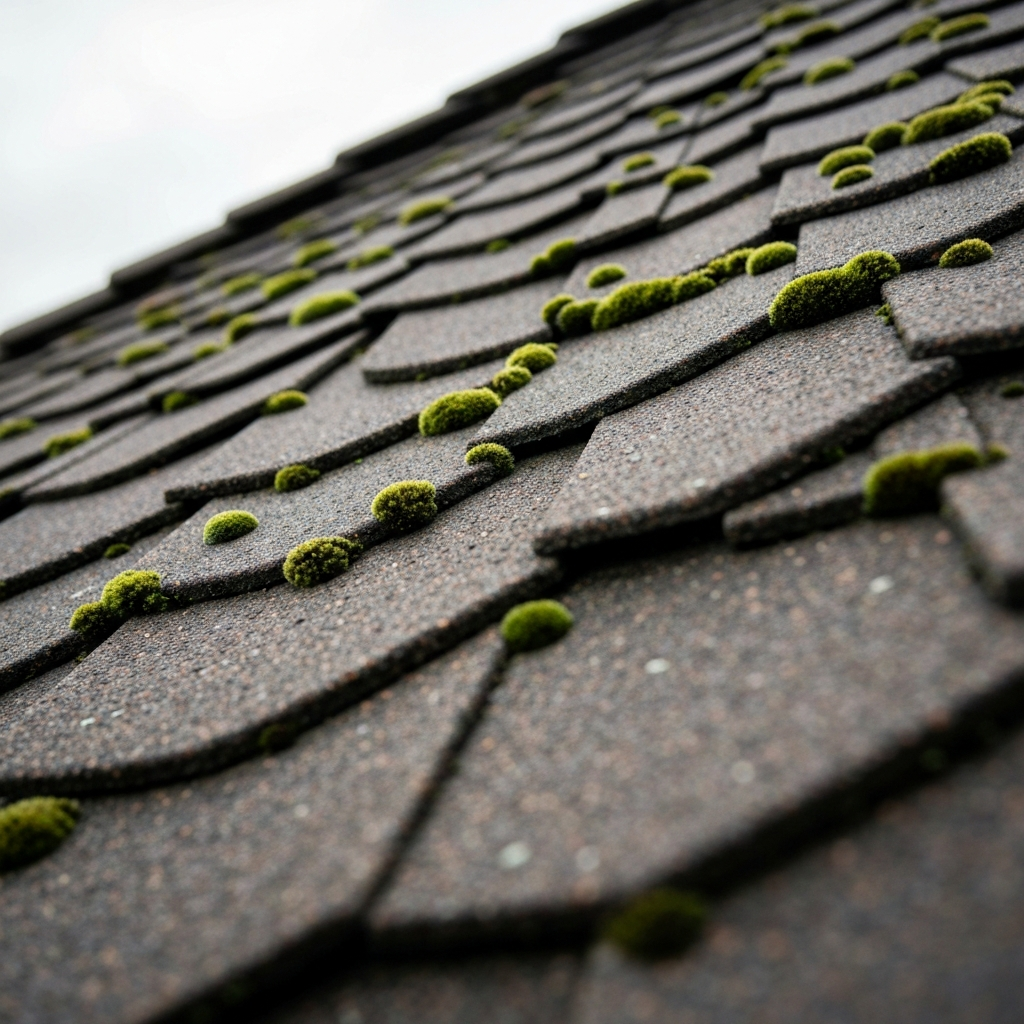
Moss and algae can thrive on roof shingles, particularly in damp or shaded areas. These organisms retain moisture, which can lead to shingle deterioration and staining. If you notice moss or algae growth on your roof, consider using a zinc sulfate or copper sulfate solution to kill the growth and prevent its return. Apply the solution according to the manufacturer's instructions, and be cautious not to damage surrounding vegetation. Professional roof cleaning services are also available.
Tools or Materials Required
- Ladder (stable and in good condition)
- Safety Glasses
- Work Gloves
- Roofing Shoes (for traction)
- Soft-bristled Brush
- Garden Hose with Adjustable Nozzle
- Zinc Sulfate or Copper Sulfate Solution (for moss/algae treatment)
- Trowel or Gutter Scoop (for cleaning gutters)
Safety Considerations
- Never work on a roof during wet or windy conditions.
- Use a stable ladder and ensure it is properly secured.
- Wear appropriate safety gear, including safety glasses and work gloves.
- If you are not comfortable working on a roof, hire a professional.
Step 6: Repair Damaged Shingles Promptly
Preventing Further Problems
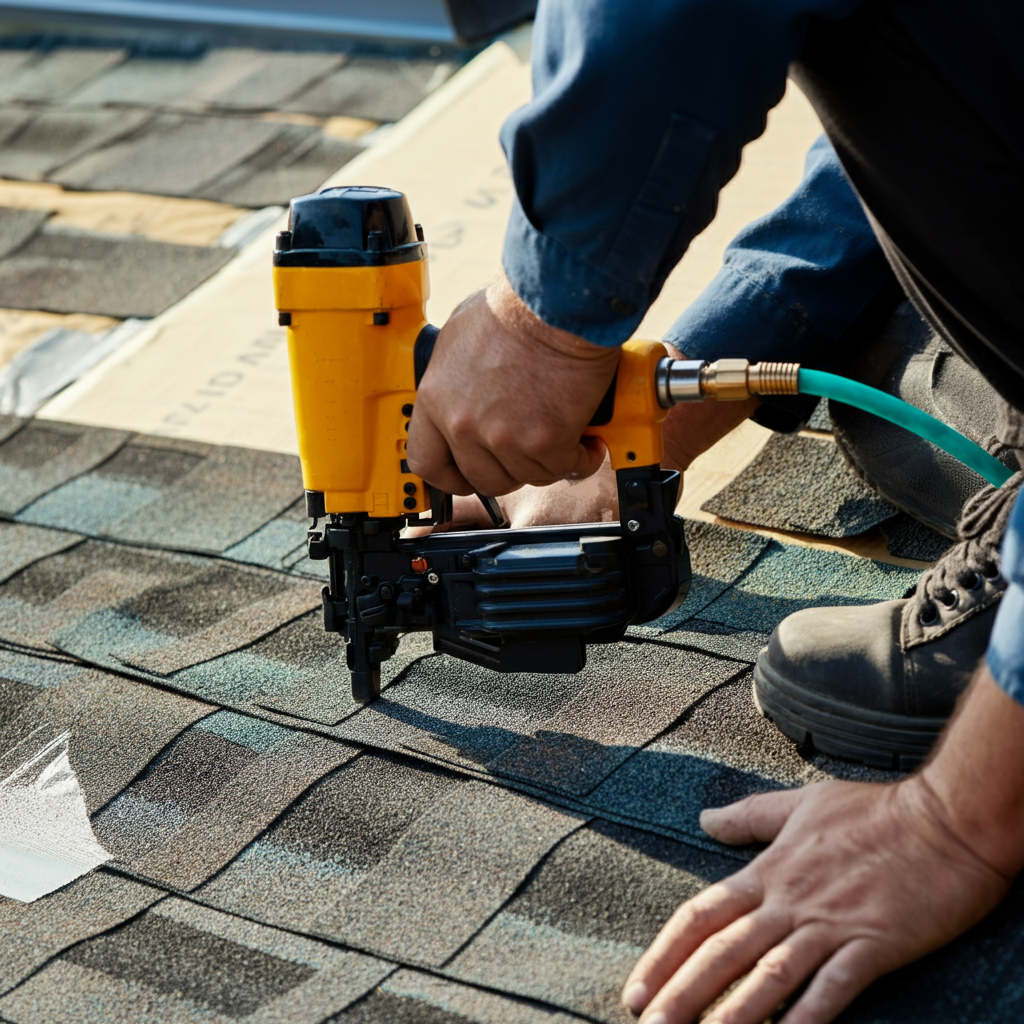
Any damaged shingles should be repaired or replaced as soon as possible. Ignoring damaged shingles can lead to leaks, which can cause significant structural damage to your home. Minor repairs, such as sealing small cracks or replacing missing granules, can often be done yourself. However, for more extensive damage, it's best to consult with a roofing professional.
Common Mistakes to Avoid
- Using high-pressure washers to clean shingles (can remove granules).
- Walking on shingles unnecessarily (can cause damage).
- Ignoring minor repairs (can lead to major problems).
- Using incorrect roofing materials (can void warranties).
Step 7: Consider Professional Roof Maintenance
Expert Care and Long-Term Value
While many roof maintenance tasks can be performed by homeowners, professional roof maintenance services offer a valuable layer of protection. A roofing contractor can conduct thorough inspections, identify potential problems, and perform necessary repairs with expertise and efficiency. Regular professional maintenance can extend the lifespan of your shingles and prevent costly repairs down the line.

FAQ Section
Q: How often should I have my roof professionally inspected?
A: It is recommended to have your roof professionally inspected every three to five years, or after any major weather events.
Q: Can I pressure wash my roof shingles?
A: No, pressure washing can damage your shingles by removing the protective granules. Use a soft-bristled brush and a garden hose with a gentle spray nozzle.
Q: What type of shingles last the longest?
A: Architectural shingles (also known as dimensional or laminated shingles) generally last longer than traditional 3-tab shingles due to their thicker construction and greater durability.
Pro Tips
- Choose high-quality shingles that are designed for your climate.
- Ensure proper installation by hiring a reputable roofing contractor.
- Keep records of all roof inspections, repairs, and maintenance.
By following these steps and prioritizing regular maintenance, you can significantly extend the lifespan of your roof shingles and protect your home from the elements. Remember that a well-maintained roof is a valuable asset that contributes to the overall safety and value of your property. Don't neglect this critical component of your home.