Hardwood floors add warmth and elegance to any home, but keeping them clean requires a delicate balance. Harsh chemicals and improper techniques can damage the finish, leaving you with dull, scratched floors. This guide provides expert-backed methods for effectively cleaning your hardwood floors while preserving their beauty and longevity. We'll focus on routine maintenance and tackling more challenging cleaning tasks.
The key to beautiful hardwood floors is prevention. Regular sweeping and vacuuming will remove dirt and grit before they can scratch the surface. Avoid using steam mops on hardwood floors, as the moisture can penetrate the wood and cause warping or damage to the finish. Let's dive into the specifics of how to properly care for your hardwood floors.
This comprehensive guide covers everything from identifying your floor's finish to the best cleaning solutions and techniques. We'll help you maintain your hardwood floors so they stay gleaming for years to come.
Step 1: Identify Your Floor's Finish
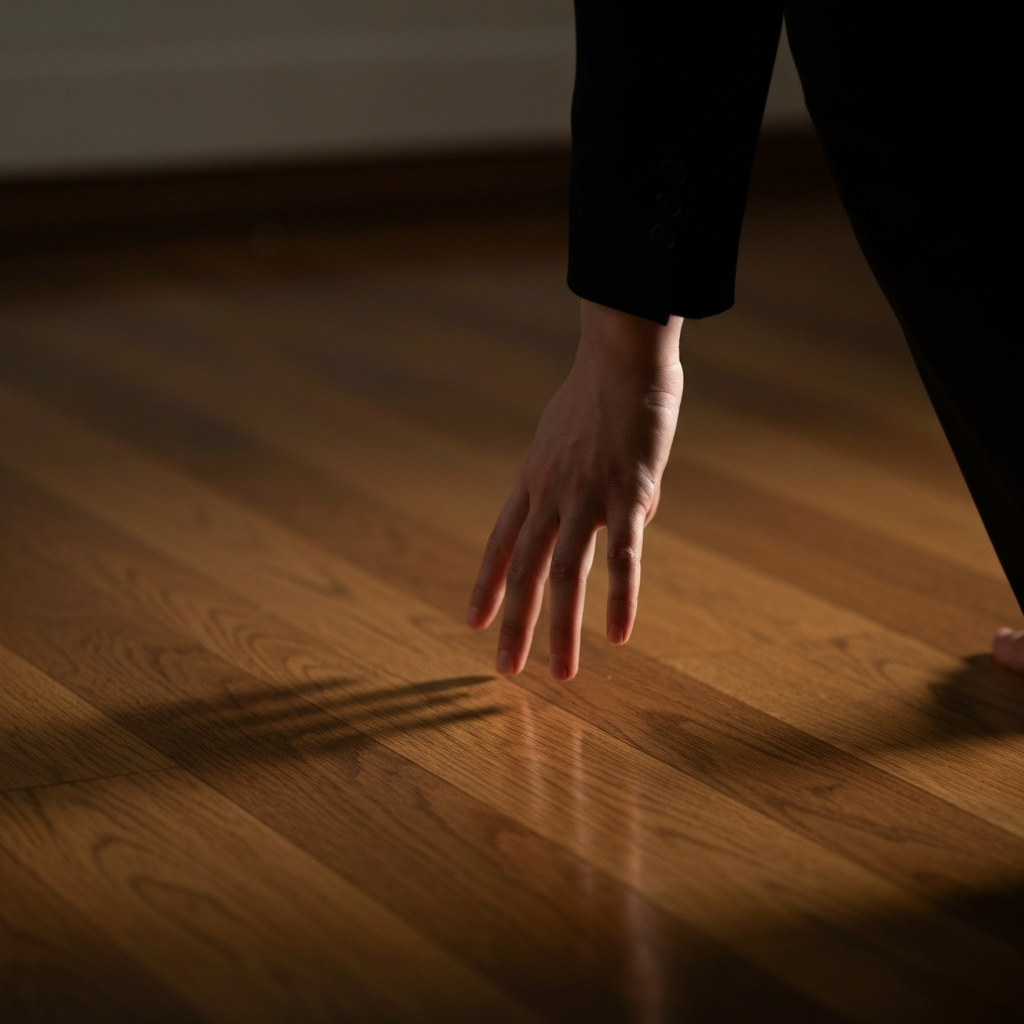
Before you start cleaning, it's crucial to determine the type of finish on your hardwood floors. Most modern hardwood floors have a polyurethane finish, which is durable and water-resistant. However, older floors might have a wax or oil finish, which requires different cleaning methods. You can usually tell by rubbing your finger across the floor – if it feels slightly tacky, it's likely a wax finish. If water beads up on the surface, it's probably polyurethane. If the water soaks in it needs resealing.
Step 2: Sweep or Vacuum Regularly
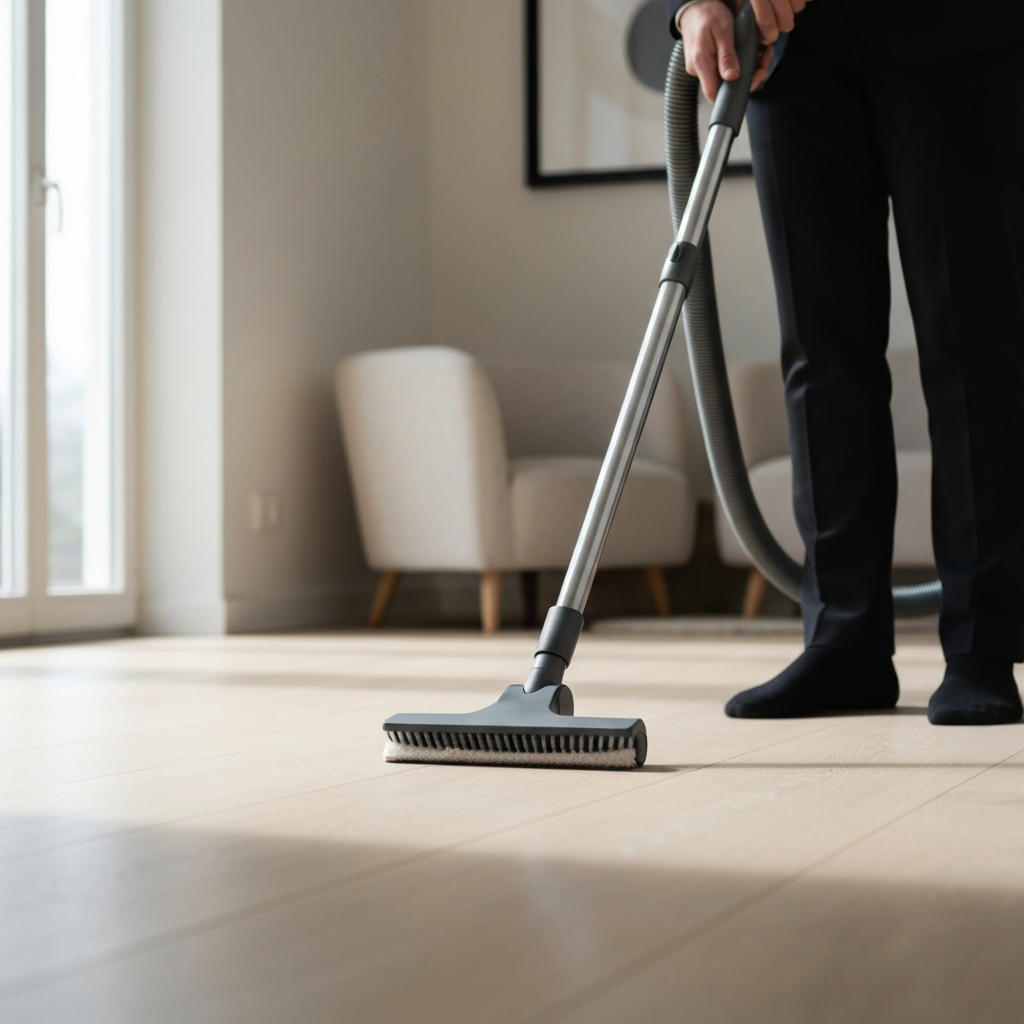
The first line of defense against dirt and scratches is regular sweeping or vacuuming. Use a soft-bristled broom or a vacuum cleaner with a hardwood floor attachment to avoid scratching the surface. Pay close attention to areas with high foot traffic, such as entryways and hallways. Sweep or vacuum at least once a week, or more often if needed.
Step 3: Prepare Your Cleaning Solution
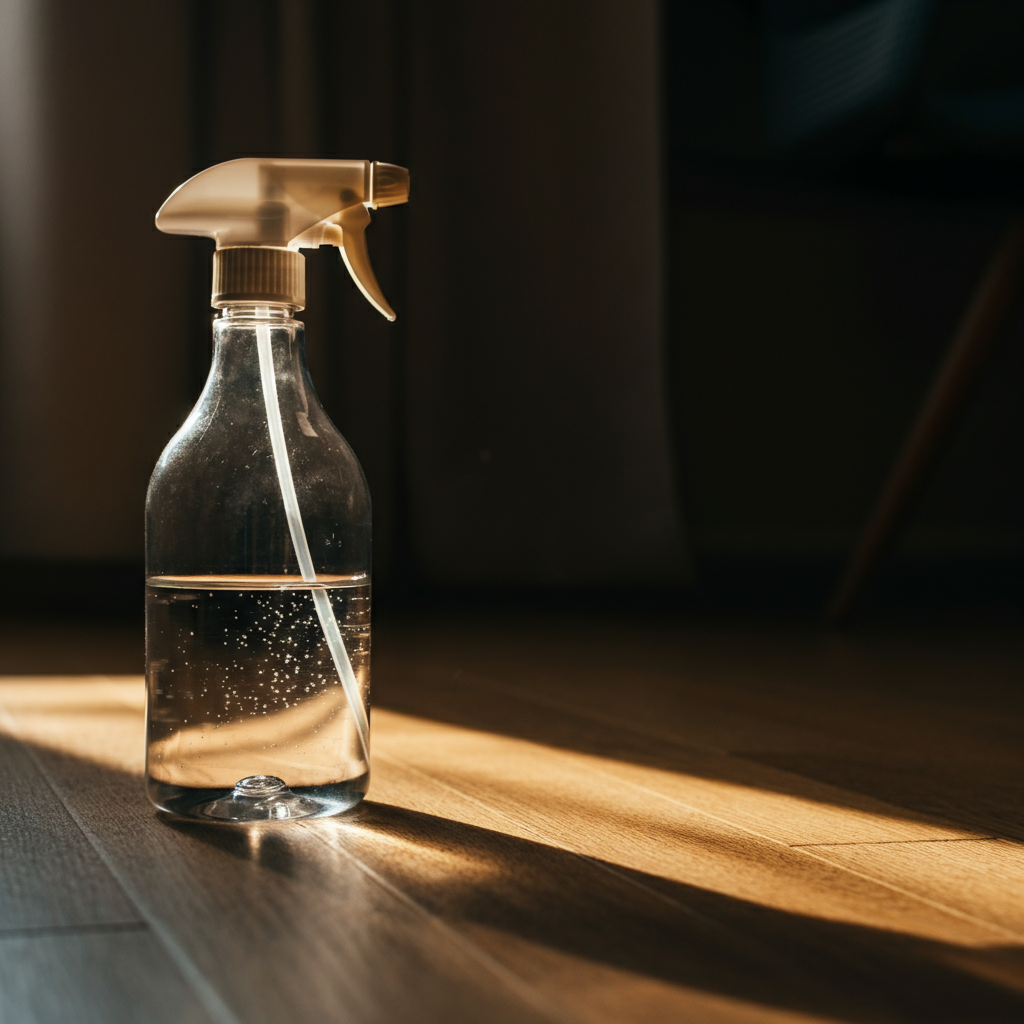
For polyurethane-finished floors, you can use a mild cleaning solution made with water and a pH-neutral hardwood floor cleaner. Avoid using vinegar, ammonia, or abrasive cleaners, as they can dull or damage the finish. Follow the manufacturer's instructions for diluting the cleaner. For wax-finished floors, use a cleaner specifically designed for wax finishes.
Step 4: Damp Mop Your Floors
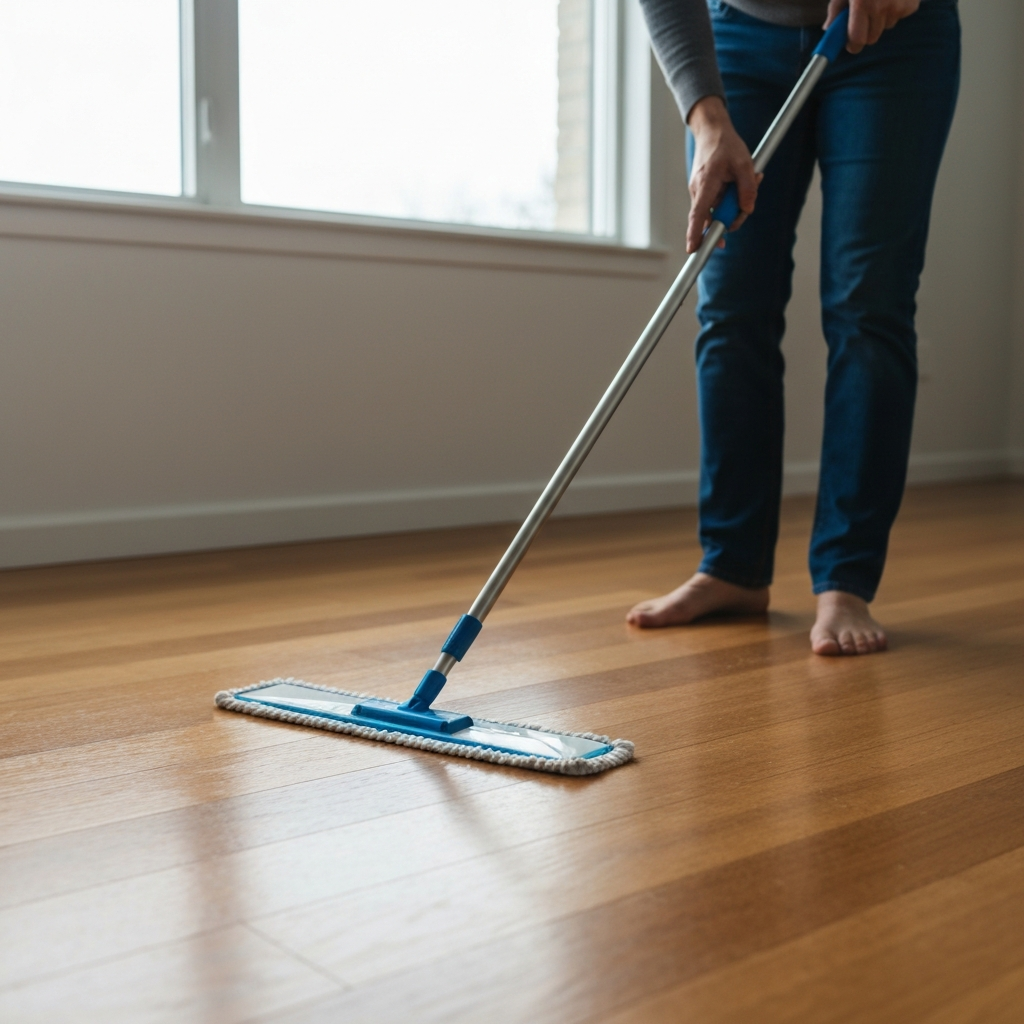
Damp mopping is the most effective way to clean hardwood floors. Use a microfiber mop and wring it out thoroughly so that it's only damp, not wet. Excess water can seep into the seams and cause damage. Mop in the direction of the wood grain, and rinse the mop frequently in clean water.
Step 5: Dry the Floor Immediately
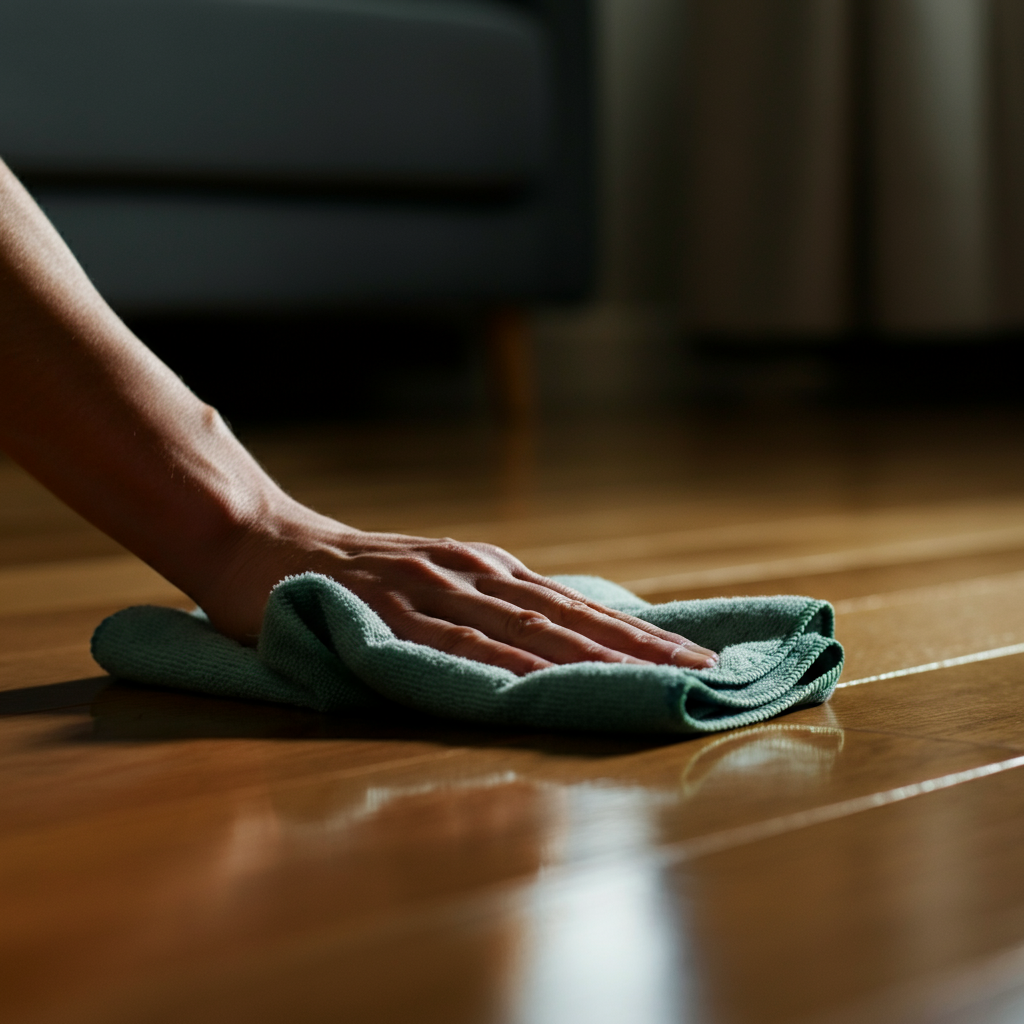
After mopping, dry the floor immediately with a clean, dry microfiber cloth. This will prevent water spots and help to maintain the shine. Pay particular attention to areas where water may have pooled, such as near baseboards or furniture legs. Consider using a fan to help circulate air and speed up the drying process.
Tools or Materials Required
- Soft-bristled broom or vacuum cleaner with hardwood floor attachment
- Microfiber mop
- Two Buckets
- pH-neutral hardwood floor cleaner or cleaner for wax-finished floors
- Clean, dry microfiber cloths
Common Mistakes to Avoid
- Using too much water when mopping
- Using harsh or abrasive cleaners
- Failing to dry the floor immediately after mopping
- Using a steam mop
- Ignoring spills and stains
Safety Considerations
Always read and follow the manufacturer's instructions for cleaning products. Keep children and pets away from the area while cleaning, and ensure the floor is completely dry before allowing anyone to walk on it. Be careful not to slip on wet floors.
Pro Tips
- Place mats at entryways to trap dirt and debris.
- Use furniture pads under furniture legs to prevent scratches.
- Clean up spills immediately to prevent staining.
- Consider using a hardwood floor refinisher every few years to restore the finish.
FAQ Section
Q: How often should I clean my hardwood floors?
A: Sweep or vacuum weekly. Damp mop every 1-2 months, or more often if needed.
Q: Can I use vinegar to clean my hardwood floors?
A: Vinegar is not recommended for polyurethane-finished floors as it can dull the finish. It might be used in a heavily diluted form for older floors, but proceed with extreme caution and test in an inconspicuous area first. Always prioritize a pH-neutral cleaner.
Q: How do I remove scuff marks from my hardwood floors?
A: Try gently rubbing the scuff mark with a clean tennis ball or a pencil eraser. You can also use a hardwood floor cleaner specifically designed for removing scuff marks.
Conclusion
Cleaning hardwood floors effectively requires the right tools, techniques, and knowledge. By following these expert tips and avoiding common mistakes, you can keep your hardwood floors looking beautiful for years to come. Remember, prevention is key. Regular sweeping and prompt cleanup of spills will go a long way in preserving the beauty and longevity of your floors. Enjoy your gleaming hardwood floors!