Homeopathy, a system of medicine based on the principle of "like cures like," can be a valuable tool for managing various ailments at home. However, selecting the correct remedy is crucial for its effectiveness. This guide provides a step-by-step approach to diagnosing and choosing appropriate homeopathic remedies for common conditions, empowering you to take a more active role in your family's well-being.
Before embarking on self-diagnosis, it's essential to understand the fundamental principles of homeopathy. It involves matching the totality of your symptoms – physical, emotional, and mental – to the symptom picture of a specific remedy. This process requires careful observation, a willingness to learn, and a healthy dose of caution. Remember, self-treatment is not a substitute for professional medical advice, especially for serious or persistent health concerns.
This guide will equip you with the knowledge to navigate the world of homeopathic remedies and make informed decisions about their use. We'll delve into symptom analysis, remedy selection, and dosage guidelines, ensuring you approach homeopathy with confidence and clarity. Let's begin!
Step 1: Observe and Document Your Symptoms
Detailed Symptom Assessment
The cornerstone of homeopathic diagnosis is meticulously observing and documenting your symptoms. Don't just focus on the primary complaint; consider every detail, no matter how seemingly insignificant. Pay attention to the location, sensation, modalities (what makes it better or worse), and concomitants (accompanying symptoms). For example, if you have a headache, note where it is located (forehead, temples, back of the head), the type of pain (throbbing, sharp, dull), what triggers it (stress, lack of sleep, certain foods), and what provides relief (darkness, cold compress, rest). Also, note any accompanying symptoms, such as nausea, dizziness, or visual disturbances.
Practical details matter. Note the time of day the symptoms are worst. What makes them better? What makes them worse? Are you thirstier than normal? Are you unusually irritable? Record everything. This detailed information is crucial for narrowing down the potential remedies. Be as specific as possible.

Step 2: Consult a Homeopathic Materia Medica or Repertory
Utilizing Reference Materials
Once you have a comprehensive list of your symptoms, the next step is to consult a homeopathic Materia Medica or Repertory. A Materia Medica is a detailed compendium of remedies, describing the symptom picture of each remedy. A Repertory, on the other hand, is an index of symptoms, listing the remedies associated with each symptom. Both resources are invaluable for identifying potential remedies. There are many online resources as well, but be sure to use reliable, reputable sources, such as those based on classical homeopathic principles. Compare the symptoms you've documented to the symptom pictures in the Materia Medica or use the Repertory to find remedies that match your symptoms.
Real-world consideration: Materia Medicas can be dense and complex. Start with a smaller, more user-friendly version if you're a beginner. Several good options are available, both in print and online. Common mistake: Trying to match every single symptom perfectly. It's more important to find a remedy that covers the most characteristic and peculiar symptoms.

Step 3: Differentiate Between Remedies
Narrowing Down Your Options
After consulting the Materia Medica or Repertory, you'll likely have a list of several potential remedies. The next step is to differentiate between them and select the one that most closely matches your individual symptom picture. This requires careful comparison of the remedies, paying attention to the nuances and specific characteristics of each. Consider the intensity, duration, and peculiar aspects of your symptoms. Look for the "characteristic" symptoms – those that are unusual, strange, or peculiar to your case. These are the symptoms that will help you distinguish between remedies. For example, two remedies might both cover headaches, but one might be specific for headaches that are worse in the morning, while the other is specific for headaches that are worse in the evening.
Pro Tip: If you are using a Repertory, pay attention to the grading of the remedies. Remedies are graded based on their frequency of appearance for a particular symptom. A remedy with a higher grade is more likely to be the correct one. However, don't rely solely on the grading; always confirm your choice with the Materia Medica.

Step 4: Select the Appropriate Potency and Dosage
Understanding Potency and Administration
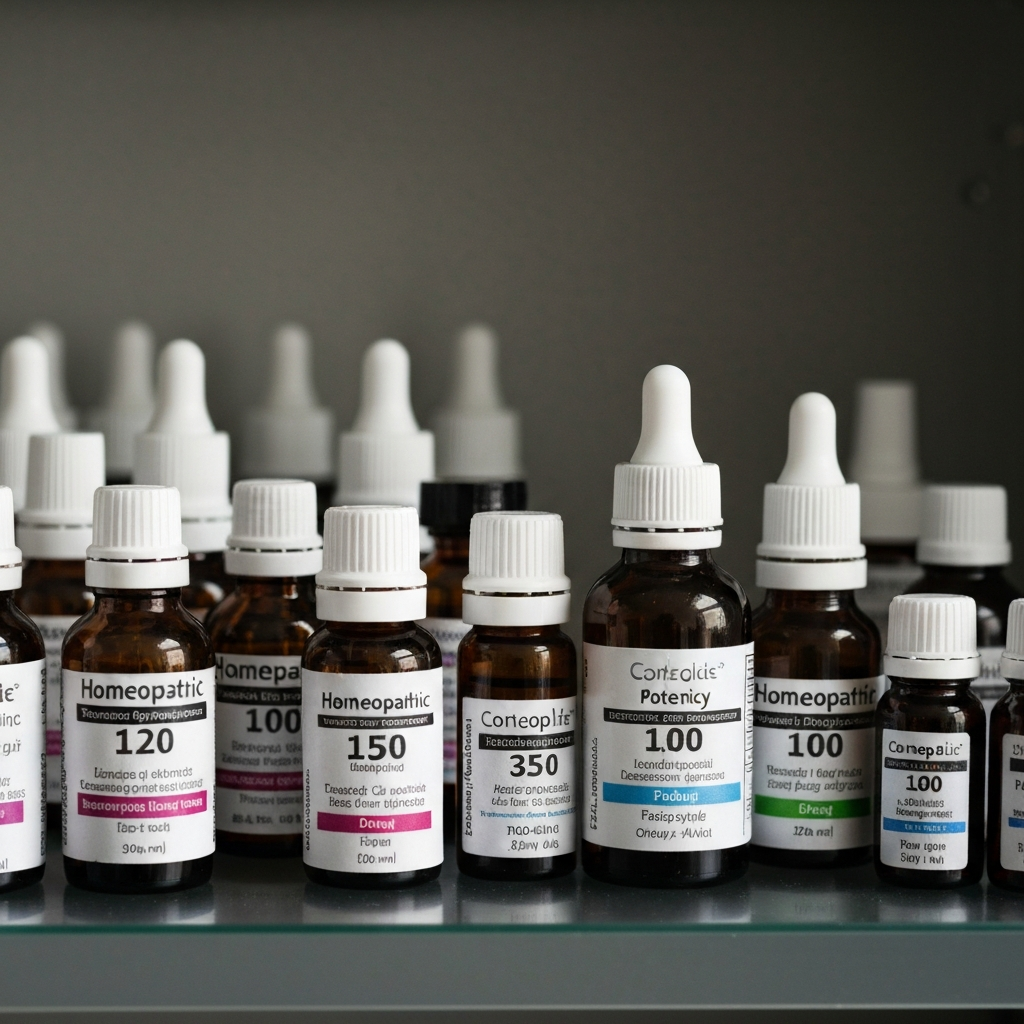
Once you've chosen a remedy, the next step is to select the appropriate potency and dosage. Potency refers to the strength of the remedy. Homeopathic remedies are typically available in a range of potencies, such as 6X, 30C, and 200C. The choice of potency depends on the nature of your condition. For acute conditions (sudden onset, short duration), lower potencies (6X or 30C) are often sufficient. For chronic conditions (long-standing, persistent), higher potencies (200C or higher) may be required. As for dosage, follow the instructions on the remedy label or consult with a qualified homeopath. A general guideline is to take one dose of the remedy and observe the reaction. If there is improvement, wait and repeat the dose only when the symptoms start to return. If there is no improvement, reassess your symptom picture and consider a different remedy.
Safety Considerations: If you are unsure about the appropriate potency or dosage, it's always best to start with a lower potency and consult with a qualified homeopath.
Step 5: Observe the Reaction and Adjust Accordingly
Monitoring and Fine-tuning
After taking the remedy, carefully observe your reaction. Homeopathic remedies can sometimes cause a temporary aggravation of symptoms before improvement occurs. This is known as a "homeopathic aggravation" and is generally a positive sign that the remedy is working. However, if the aggravation is severe or prolonged, stop taking the remedy and consult with a qualified homeopath. If you experience significant improvement in your symptoms, continue taking the remedy as needed, repeating the dose only when the symptoms start to return. If you experience no improvement after a reasonable period (e.g., a few days for an acute condition, several weeks for a chronic condition), reassess your symptom picture and consider a different remedy.
Common Mistakes to Avoid: Continuing to take a remedy that is not working. Homeopathy is about finding the right match. If a remedy isn't helping, it's time to try something else.

FAQ Section
Frequently Asked Questions About Homeopathic Remedies
Q: Can I use homeopathic remedies alongside conventional medications?
A: In many cases, yes. However, it's always best to inform your doctor about any homeopathic remedies you are taking, especially if you have a serious health condition or are taking prescription medications.
Q: How long does it take for homeopathic remedies to work?
A: The time it takes for homeopathic remedies to work can vary depending on the individual, the nature of the condition, and the potency of the remedy. Acute conditions often respond more quickly than chronic conditions. Some people experience improvement within hours, while others may take several days or weeks.
Q: Are there any side effects to homeopathic remedies?
A: Homeopathic remedies are generally considered safe, with few side effects. However, some people may experience a temporary aggravation of symptoms after taking a remedy. This is usually a sign that the remedy is working.
Conclusion
Diagnosing homeopathic remedies at home requires careful observation, diligent research, and a willingness to learn. By following the steps outlined in this guide, you can empower yourself to make informed decisions about your health and well-being. Remember to always prioritize your safety and consult with a qualified healthcare professional for serious or persistent health concerns. With practice and patience, you can unlock the potential of homeopathy to support your journey to optimal health.