Hard water is a common household issue, affecting everything from how well your soap lathers to the lifespan of your appliances. It's characterized by a high mineral content, primarily calcium and magnesium, which can lead to a host of noticeable problems. While not a health hazard, hard water can be a nuisance, causing scale buildup, reducing the effectiveness of cleaning products, and even affecting the taste of your water.
Understanding whether you have hard water is the first step towards addressing these issues. This guide provides a comprehensive overview of the telltale signs, simple tests you can perform at home, and professional methods for confirming your suspicions. By the end, you'll be well-equipped to determine if hard water is impacting your home and what steps you can take to mitigate its effects.
We'll explore both the obvious and subtle indicators, helping you differentiate between hard water symptoms and other common household problems. Armed with this knowledge, you can make informed decisions about water softening solutions and protect your plumbing and appliances from the long-term effects of mineral buildup.
Step 1: Observe Soap Scum and Residue
One of the most easily observable signs of hard water is the presence of soap scum and residue. This occurs because the minerals in hard water react with soap, forming an insoluble film that sticks to surfaces. Pay close attention to your shower walls, shower doors, sinks, and bathtubs. If you notice a persistent, dull film that's difficult to remove, even after cleaning, it's a strong indicator of hard water. Also, note if your soap, shampoo, or dish soap doesn't lather well; hard water hinders the formation of suds.

Step 2: Check for Mineral Deposits on Faucets and Fixtures
Hard water leaves behind mineral deposits, often appearing as white or chalky buildup on faucets, showerheads, and other plumbing fixtures. These deposits, primarily composed of calcium and magnesium, are a clear visual cue. Examine the aerators on your faucets and the nozzles on your showerheads; these are common areas for mineral buildup. If you find a scaly or crusty accumulation, it's highly probable you have hard water. This buildup can also restrict water flow over time.

Step 3: Inspect Your Dishes and Glassware
After washing dishes, especially in a dishwasher, look for spots and streaks on your glassware, silverware, and plates. Hard water prevents detergents from rinsing completely, leaving behind mineral deposits that manifest as these unsightly marks. If your dishes consistently appear cloudy or spotted, even after thorough cleaning, it's a strong sign of hard water. While these spots are harmless, they can be aesthetically displeasing and a nuisance to remove.
Step 4: Evaluate Your Laundry
Hard water can impact the feel and appearance of your laundry. Clothes washed in hard water may feel stiff, scratchy, or faded. The minerals can also prevent detergents from working effectively, leading to dingy or dull-looking garments. If your clothes don't feel as soft or clean as they should, even after using ample detergent and fabric softener, hard water could be the culprit. You might also notice a gray or white residue on dark-colored clothing.

Step 5: Observe Your Skin and Hair
The minerals in hard water can dry out your skin and hair, leading to irritation, itchiness, and a dull appearance. After showering or bathing, pay attention to how your skin feels. If your skin feels tight, dry, or itchy, or if your hair feels brittle, heavy, or difficult to manage, hard water may be the cause. Some people may also experience increased dandruff or scalp irritation. Hard water can also leave a film on your skin and hair, making it difficult to rinse off soap and shampoo completely.

Step 6: Perform a Simple Soap Test
This simple test provides a quick indication of water hardness. Fill a clear bottle about one-third full with water from your tap. Add a few drops of liquid dish soap (not detergent). Secure the lid tightly and shake vigorously for several seconds. If the water produces abundant, fluffy bubbles that last for several minutes, your water is likely soft. If there are few bubbles, and the water appears cloudy or milky, you likely have hard water. This test isn't definitive but offers a good initial assessment.
Step 7: Utilize a Hard Water Test Kit
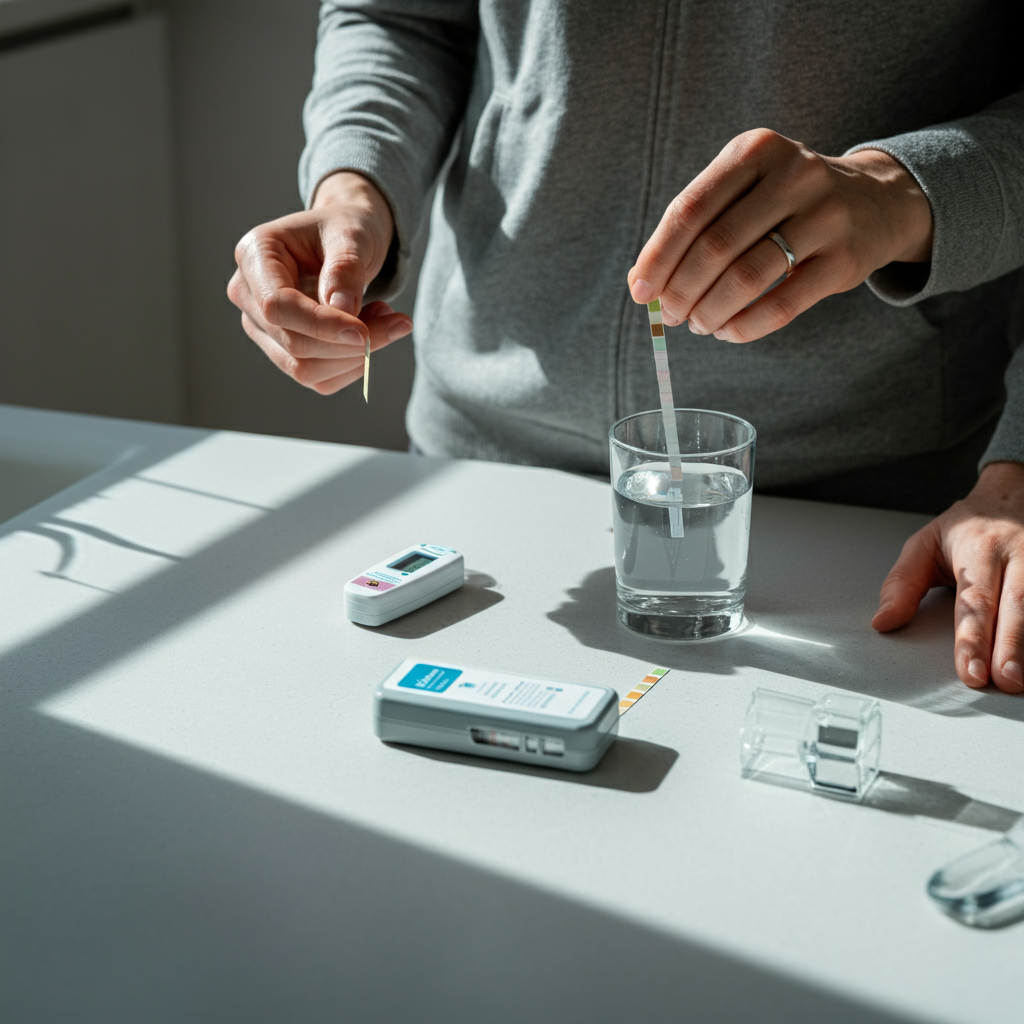
For a more accurate assessment, purchase a commercially available hard water test kit. These kits typically include test strips or liquid reagents that react with the minerals in your water, providing a measurable hardness level. Follow the instructions carefully. These kits often provide a color chart that corresponds to different hardness levels, usually measured in grains per gallon (GPG) or parts per million (PPM). Compare your results to the scale provided to determine the severity of your hard water.
Step 8: Contact Your Local Water Utility
Your local water utility provider regularly tests the water supply for various parameters, including hardness. Contact them and request a copy of their latest water quality report. This report will provide detailed information about the mineral content of your water, including calcium and magnesium levels, which are the primary contributors to hardness. The report may also include other relevant data, such as pH levels and the presence of other contaminants.

FAQ Section
Q: Is hard water dangerous to drink?
A: No, hard water is not generally considered dangerous to drink. In fact, some studies suggest that the calcium and magnesium in hard water can be beneficial for your health.
Q: Can hard water damage my appliances?
A: Yes, over time, hard water can cause mineral buildup in your appliances, such as water heaters, dishwashers, and washing machines, reducing their efficiency and lifespan.
Q: Will boiling water soften it?
A: Boiling water can reduce *temporary* hardness (caused by bicarbonates of calcium and magnesium) by precipitating out some of the minerals. However, it will not address permanent hardness caused by other dissolved minerals.
Q: What are the long-term effects of using hard water?
A: Long-term effects can include reduced appliance lifespan, increased energy consumption, higher soap and detergent usage, and plumbing problems due to mineral buildup.
Common Mistakes to Avoid
One common mistake is to rely solely on one indicator, such as spots on dishes, to determine if you have hard water. It's essential to consider multiple signs and, ideally, conduct a water test for confirmation. Another mistake is confusing hard water with other water quality issues, such as high iron content, which can also cause staining. Finally, avoid neglecting regular maintenance of your appliances, such as flushing your water heater, to prevent mineral buildup, regardless of whether you have hard water.
Conclusion
Determining whether you have hard water involves observing a combination of visual cues, conducting simple tests, and potentially consulting with your local water utility or a professional. By paying attention to the signs discussed in this guide, you can accurately assess your water hardness and take appropriate action, whether it's installing a water softener, using specialized cleaning products, or simply adjusting your soap and detergent usage. Addressing hard water issues can improve the efficiency of your appliances, enhance the cleanliness of your home, and improve your overall quality of life.