Understanding gear ratios is crucial in various mechanical applications, from automotive engineering to robotics. A gear ratio essentially describes the relationship between the rotational speeds and torques of interconnected gears. By determining the gear ratio, you can predict how changes in one gear's speed or torque will affect another, enabling you to design efficient and effective mechanical systems.
This guide provides a comprehensive, step-by-step approach to calculating gear ratios in different scenarios. We'll cover simple two-gear systems, complex gear trains with idler gears, and how to use gear ratios to predict the rotational speeds of gears. Whether you're a student, hobbyist, or seasoned engineer, this guide will equip you with the knowledge and skills to confidently determine gear ratios in any application.
Let's dive in and unlock the secrets of gear ratios! By following these instructions carefully, you can apply this knowledge to real-world situations.
Step 1: Identifying the Gears and Determining the Number of Teeth
Before you can calculate a gear ratio, you need to identify the drive and driven gears. The drive gear is the gear that receives the input power, typically from a motor or engine. The driven gear, on the other hand, is the gear that transmits the power to the output or load. Once you've identified these gears, the next step is to accurately determine the number of teeth on each gear. This can be done by physically counting the teeth, looking for markings on the gear itself, or consulting technical drawings or specifications.

Step 2: Calculating Gear Ratio for a Two-Gear System
For a simple two-gear system, calculating the gear ratio is straightforward. The gear ratio is defined as the number of teeth on the driven gear divided by the number of teeth on the drive gear. Gear Ratio = (Number of Teeth on Driven Gear) / (Number of Teeth on Drive Gear). This ratio tells you how much the rotational speed changes between the two gears. For example, if the drive gear has 20 teeth and the driven gear has 40 teeth, the gear ratio is 40/20 = 2. This means the driven gear rotates half as fast as the drive gear.

Step 3: Understanding the Impact of Gear Ratio on Speed and Torque
The gear ratio has a direct impact on both the speed and torque of the driven gear. A gear ratio greater than 1 (driven gear has more teeth) results in a speed reduction and a torque increase. Conversely, a gear ratio less than 1 (driven gear has fewer teeth) results in a speed increase and a torque reduction. This trade-off between speed and torque is fundamental to gear systems. Understanding this relationship is vital for selecting the appropriate gear ratio for a given application.
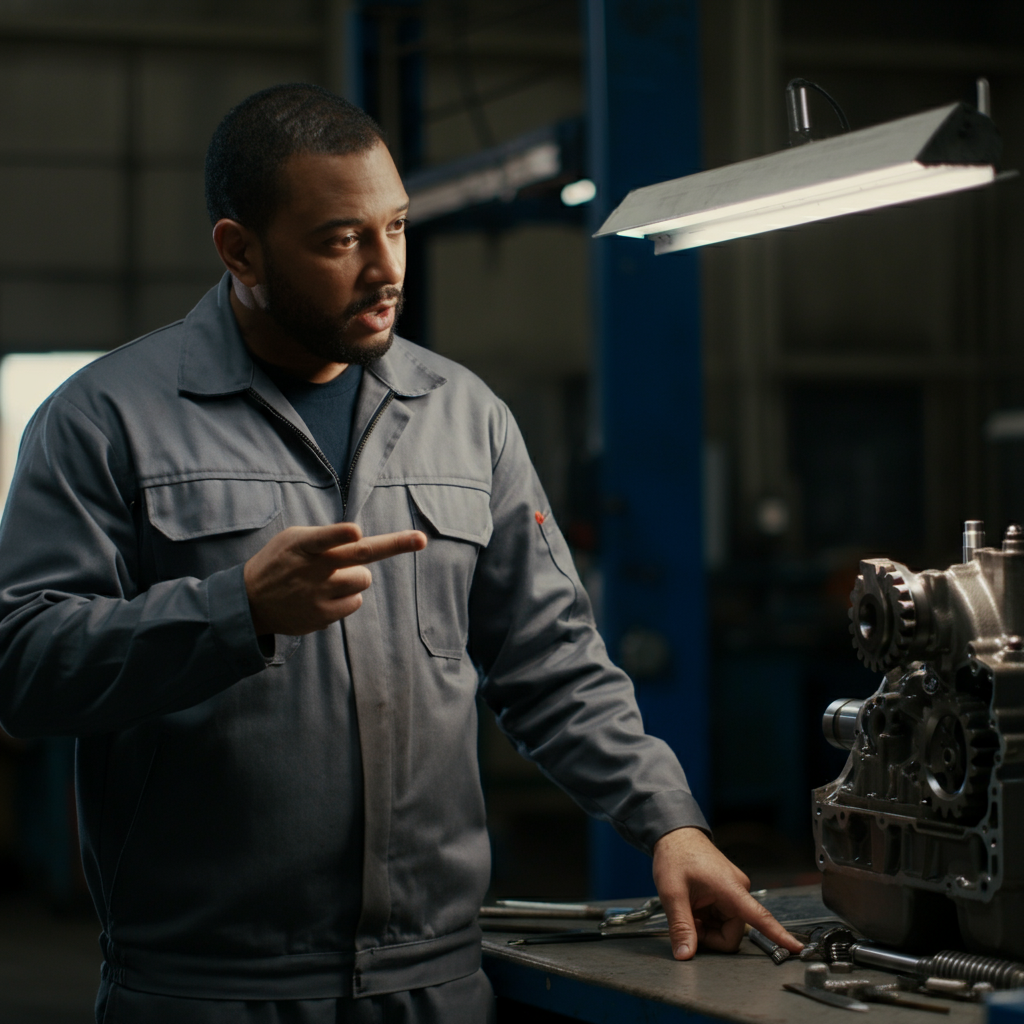
Step 4: Handling Gear Trains with Idler Gears
Gear trains can involve more than just two gears. An idler gear is a gear placed between the drive and driven gears to change the direction of rotation or to achieve a desired spacing between the drive and driven gears. Interestingly, idler gears do not affect the overall gear ratio of the system. To calculate the overall gear ratio in a gear train, you only need to consider the number of teeth on the drive and driven gears.

Step 5: Calculating Gear Ratio for Complex Gear Trains
For more complex gear trains with multiple stages or reductions, the overall gear ratio is calculated by multiplying the individual gear ratios of each stage. If you have a system with multiple drive and driven gear pairs, calculate the gear ratio for each pair, and then multiply those ratios together. For instance, if stage 1 has a ratio of 2:1 and stage 2 has a ratio of 3:1, the overall gear ratio is 2 * 3 = 6:1. This principle allows you to design sophisticated gear systems with precise speed and torque control.

Tools or Materials Required
- Ruler or Caliper (for measuring gear dimensions, if needed)
- Screwdriver set (for disassembling and accessing gears)
- Wrench set (for disassembling and accessing gears)
- Technical drawings or specifications (if available)
- Calculator or spreadsheet software
Common Mistakes to Avoid
- Miscounting the number of teeth on a gear. Double-check your count.
- Forgetting to consider the units when calculating gear ratios. Ensure consistency.
- Ignoring the presence of idler gears when calculating the overall gear ratio in complex systems. Remember, idler gears do not affect the overall ratio.
- Applying the wrong formula for calculating gear ratios. Use: (Number of Teeth on Driven Gear) / (Number of Teeth on Drive Gear)
FAQ Section
- What happens if the gears are different materials?
- The material of the gears doesn't affect the gear ratio calculation itself. However, it can significantly impact the durability and performance of the gear system.
- Can I use gear ratios to calculate the output speed of a gearbox?
- Yes! The gear ratio, combined with the input speed, allows you to accurately calculate the output speed using the formula: Output Speed = Input Speed / Gear Ratio.
- What is a "reduction" in gear terminology?
- A "reduction" refers to a gear ratio greater than 1. This means the output speed is reduced compared to the input speed, resulting in an increase in torque.
Safety Considerations
When working with gears, always ensure that the power is disconnected to prevent accidental movement. Wear appropriate safety gear, such as safety glasses and gloves, to protect yourself from potential hazards. Be mindful of sharp edges and pinch points. If disassembling gearboxes, consult the manufacturer's instructions to avoid damaging any components.
Pro Tips
- Always double-check your tooth counts to ensure accuracy.
- When working with complex gear trains, break the system down into smaller, manageable sections.
- Use CAD software to simulate gear systems and verify your calculations.
Conclusion
Determining gear ratios is a fundamental skill for anyone working with mechanical systems. By following the steps outlined in this guide, you can confidently calculate gear ratios for simple and complex systems. Remember to pay close attention to detail, avoid common mistakes, and always prioritize safety. With practice, you'll become proficient in analyzing and designing gear systems for a wide range of applications. Understanding these principles is key to efficient and effective mechanical design.