Watching our beloved pets grow old is a bittersweet experience. While we cherish the years of companionship and unconditional love, witnessing their decline can be emotionally challenging. The key to navigating this phase is to focus on providing the best possible care and support, while also preparing ourselves for the inevitable changes. This guide will offer practical advice and insights to help you cope with the joys and difficulties of caring for an elderly pet.
From adjusting their environment to managing health issues and emotional needs, there are many aspects to consider. Remember that your pet is relying on you to advocate for their well-being and ensure their comfort during this stage of their life. By taking proactive steps, you can enhance their quality of life and create precious memories that will last a lifetime. Embrace the present moment and find joy in the simple pleasures of your shared bond.
This journey, while often difficult, can also be incredibly rewarding. Witnessing the resilience and unwavering love of an aging pet can be a profound and humbling experience. By understanding their needs and providing consistent support, you can navigate this chapter with grace and compassion, ensuring that their final years are filled with comfort, dignity, and love.
Step 1: Adjusting Their Environment
As pets age, their mobility and senses may decline. This means that simple tasks like navigating the house can become challenging. One of the first steps in caring for an elderly pet is to adjust their environment to make it more accessible and comfortable. This could involve adding ramps or steps to help them reach their favorite spots, providing non-slip surfaces to prevent falls, and ensuring that their food and water bowls are easily accessible. Consider moving their bed to a warmer location, especially if they suffer from arthritis or other joint problems. Remember that small changes can make a big difference in their overall comfort and safety.

Step 2: Providing Appropriate Nutrition
An aging pet's nutritional needs often change. They may require a diet that is easier to digest, lower in calories, or supplemented with specific nutrients to support joint health or cognitive function. Consult with your veterinarian to determine the best diet for your pet's individual needs and health condition. Many senior pet foods are formulated to address common age-related issues, such as decreased kidney function or dental problems. If your pet is having difficulty chewing, you may need to soften their food with water or broth. Ensure they have constant access to fresh, clean water, as dehydration can exacerbate health problems in older animals.

Step 3: Managing Health Issues
Regular veterinary check-ups are crucial for managing the health of an aging pet. Older pets are more susceptible to a variety of health issues, such as arthritis, heart disease, kidney disease, and cancer. Early detection and treatment can significantly improve their quality of life and extend their lifespan. Be vigilant about monitoring your pet for any signs of illness or discomfort, such as changes in appetite, weight loss, lethargy, or difficulty moving. Work closely with your veterinarian to develop a comprehensive treatment plan that addresses their specific health needs. Be prepared to administer medications, provide supportive care, and make difficult decisions about their treatment options.

Step 4: Addressing Cognitive Decline
Just like humans, pets can experience cognitive decline as they age. This can manifest as confusion, disorientation, changes in sleep patterns, and decreased responsiveness to commands. Cognitive dysfunction syndrome (CDS) is a common condition in older dogs and cats. While there is no cure for CDS, there are treatments that can help manage the symptoms and improve your pet's cognitive function. These may include medications, dietary changes, and environmental enrichment. Provide your pet with plenty of mental stimulation through interactive toys, puzzles, and training exercises. Maintain a consistent routine to help them feel secure and reduce anxiety.

Step 5: Providing Emotional Support
Aging pets often require more emotional support and reassurance. They may become more anxious, clingy, or fearful. Spend extra time with your pet, providing them with plenty of love, attention, and affection. Speak to them in a calm, soothing voice and reassure them that they are safe and loved. Avoid making sudden changes to their routine or environment, as this can exacerbate their anxiety. If your pet is experiencing significant anxiety or behavioral changes, consult with your veterinarian or a veterinary behaviorist. They may recommend medications or behavioral therapies to help them cope.
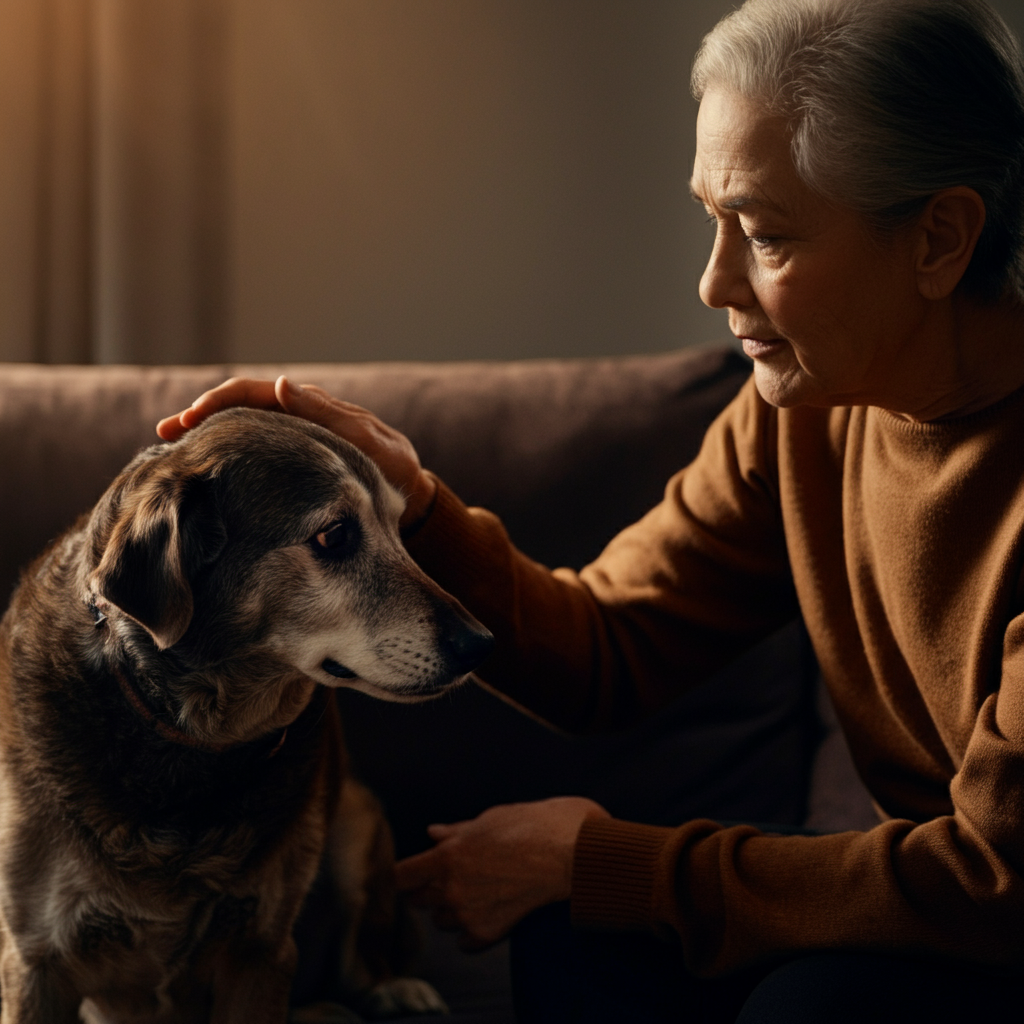
Step 6: Preparing for End-of-Life Decisions
One of the most difficult aspects of caring for an aging pet is making end-of-life decisions. It's essential to have open and honest conversations with your veterinarian about your pet's quality of life and prognosis. Consider creating a quality-of-life scale to help you track your pet's physical and emotional well-being. When their quality of life declines to the point where they are experiencing more pain and suffering than joy, it may be time to consider euthanasia. This is a deeply personal decision, and it's important to make it with compassion and in the best interests of your pet. Discuss all of your options with your veterinarian and seek support from friends, family, or a pet loss support group.

FAQ Section
Q: How do I know if my pet is in pain?
A: Signs of pain in pets can include changes in appetite, reluctance to move, limping, panting, whimpering, or hiding. If you suspect your pet is in pain, consult with your veterinarian immediately.
Q: What are some ways to enrich my senior pet's life?
A: You can enrich your senior pet's life by providing them with interactive toys, puzzles, gentle exercise, and plenty of opportunities for social interaction. Tailor activities to their physical abilities and cognitive function.
Q: How often should I take my senior pet to the vet?
A: Senior pets should typically be seen by a veterinarian at least twice a year for routine check-ups and vaccinations. More frequent visits may be necessary if your pet has underlying health conditions.
Common Mistakes to Avoid
- Ignoring subtle signs of illness or discomfort.
- Failing to adjust their environment to accommodate their needs.
- Not providing appropriate nutrition for their age and health condition.
- Neglecting their emotional needs and social interaction.
- Delaying end-of-life discussions with your veterinarian.
Caring for an aging pet is a challenging but rewarding experience. By understanding their needs, providing consistent support, and advocating for their well-being, you can ensure that their final years are filled with comfort, dignity, and love. Remember to cherish the precious moments you share and focus on creating positive experiences for both you and your beloved companion. The bond you've built over the years will provide strength and comfort during this difficult time.