A fear of dogs, clinically known as cynophobia, is a surprisingly common phobia affecting people of all ages. This fear can range from mild anxiety around unfamiliar dogs to a debilitating panic that significantly impacts daily life. Whether your fear stems from a past negative experience, learned behavior, or simply a general apprehension, it's important to know that overcoming this fear is possible.
This guide provides a structured and compassionate approach to conquering your fear of dogs. We'll explore practical steps, grounded in expert advice, that will help you understand your triggers, manage your anxiety, and gradually build positive interactions with canines. Remember, progress is not always linear, and patience is key. It’s okay to take your time and celebrate each small victory along the way.
By following these steps, you can regain control over your emotional responses and potentially even develop a healthy appreciation for these wonderful animals. Let’s begin your journey toward a life free from the constraints of cynophobia.
Step 1: Understand Your Fear
The first step in overcoming any phobia is to understand its roots. Take some time to reflect on the origins of your fear of dogs. Was there a specific incident that triggered it, such as a dog bite or an aggressive encounter? Or did you learn to fear dogs from a parent or guardian? Identifying the source of your fear will help you tailor your approach and address the underlying issues.
Consider keeping a journal to document your feelings and thoughts about dogs. Note specific situations that trigger your anxiety, as well as the physical and emotional symptoms you experience. This self-awareness is crucial for developing effective coping mechanisms. Understanding whether you fear all dogs, or only specific breeds or behaviors (barking, jumping) will provide crucial insights. Also, analyze your existing beliefs. Are they based on facts or generalized assumptions?

Step 2: Gradual Exposure - Start Small
Exposure therapy is a cornerstone of phobia treatment, and it involves gradually exposing yourself to the object of your fear in a safe and controlled environment. The key is to start small and progress at your own pace. Don't try to rush the process, as this can be counterproductive and reinforce your fear.
Begin with the least anxiety-provoking situations, such as looking at pictures or videos of dogs. Once you feel comfortable with that, you can move on to observing dogs from a distance, perhaps at a dog park or from your car. Next, consider watching dogs through a closed window, then a partially opened window. From there, a doorway, then outside the doorway. The goal is to gradually increase your proximity to dogs while managing your anxiety levels. This is how you build tolerance and learn to associate dogs with safety instead of fear. Eventually, you will want to work towards seeing a dog (on a leash) in the next room, then in the same room.

Step 3: Relaxation Techniques: Deep Breathing
Anxiety and fear often manifest physically, leading to symptoms like a racing heart, shortness of breath, and muscle tension. Learning relaxation techniques can help you manage these symptoms and regain a sense of control. One effective technique is deep breathing. When you feel anxious, your breathing tends to become shallow and rapid, which can exacerbate your fear. Deep breathing helps to slow your heart rate and calm your nervous system.
To practice deep breathing, find a comfortable position, either sitting or lying down. Place one hand on your chest and the other on your stomach. Inhale slowly through your nose, allowing your stomach to rise while keeping your chest relatively still. Hold your breath for a few seconds, then exhale slowly through your mouth. Repeat this process several times, focusing on the sensation of your breath moving in and out of your body. Practicing regularly, even when you're not feeling anxious, will make it easier to use this technique in triggering situations. Take one slow deep breath in through your nose while counting to 4, holding your breath while counting to 7, then exhaling through your mouth and counting to 8.

Step 4: Controlled Interaction with a Calm Dog
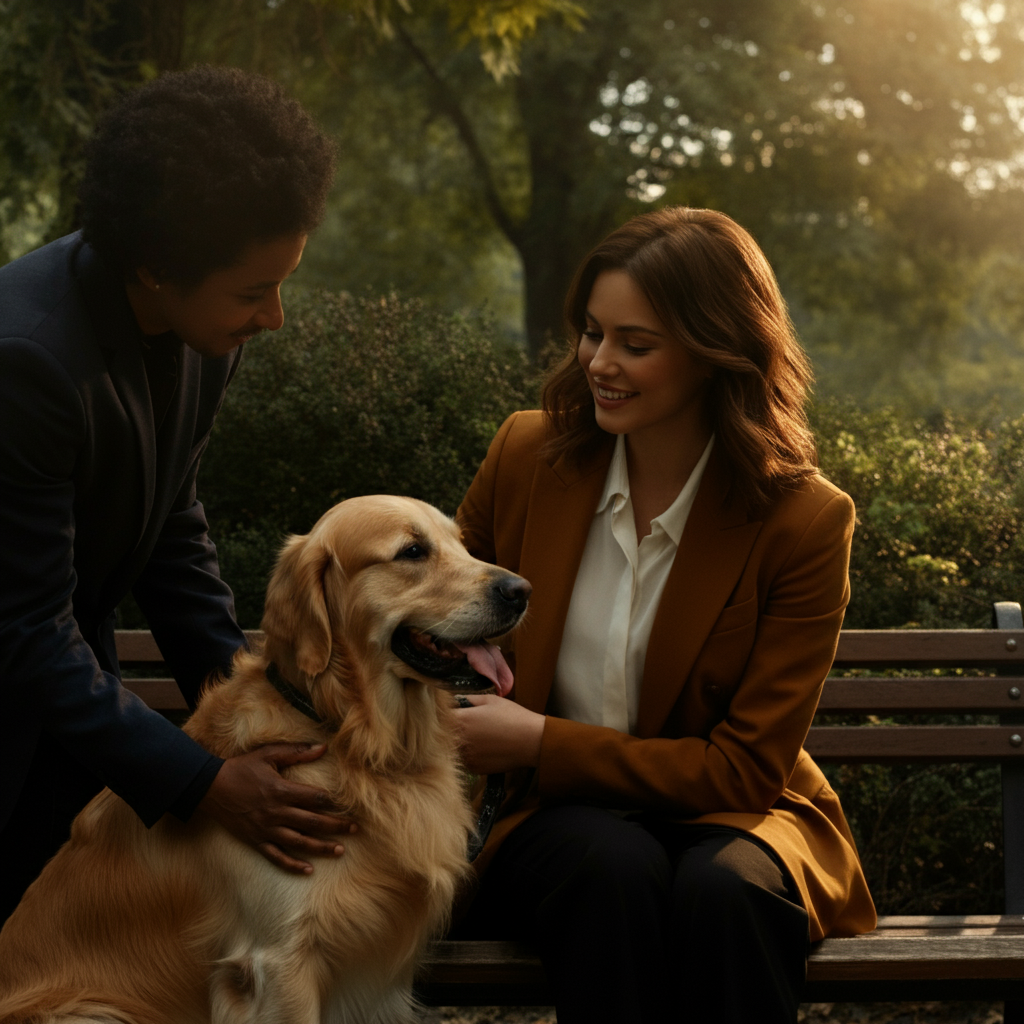
Once you've made progress with gradual exposure and relaxation techniques, you can consider interacting with a calm, well-behaved dog under controlled circumstances. It is vital that you have the right dog and the right owner. Choose a dog that is known to be gentle and patient, and ensure that the owner is present and capable of managing the dog's behavior. Before the interaction, discuss your fears and concerns with the owner, and agree on a plan that feels comfortable for you.
Start by simply being in the same room as the dog, maintaining a safe distance. Observe the dog's body language and behavior, paying attention to any signs of aggression or discomfort. If the dog appears relaxed and friendly, you can gradually decrease the distance between you, always respecting your own comfort level. Avoid direct eye contact, as this can be perceived as threatening. The next step might be sitting beside the dog. If you feel comfortable, you can offer the dog a treat, but only if the owner approves. Finally, you might pet the dog. Begin with a gentle touch on the back or side, avoiding the head or face. Remember, you can always retreat to a safe distance if you start to feel overwhelmed.
Step 5: Cognitive Restructuring
Many phobias, including cynophobia, are rooted in irrational thoughts and beliefs. Cognitive restructuring involves identifying and challenging these negative thought patterns, replacing them with more realistic and balanced ones. For example, you might believe that all dogs are dangerous and unpredictable. However, this is clearly not true; many dogs are gentle, loving, and well-trained.
By challenging these irrational beliefs, you can begin to change your emotional response to dogs. When you find yourself thinking a negative thought about dogs, ask yourself: Is there evidence to support this thought? Is there an alternative explanation? What would a more balanced perspective be? This process takes time and effort, but it can be a powerful tool for overcoming your fear. It is important to go into cognitive restructuring with an open and willing mind. Don't assume you'll never be able to overcome your fear of dogs.

Step 6: Professional Help: Consider Therapy
While self-help strategies can be effective, some individuals may benefit from professional guidance. A therapist specializing in anxiety disorders can provide personalized support and teach you evidence-based techniques, such as Cognitive Behavioral Therapy (CBT) and exposure therapy. A therapist can help you identify and address the underlying causes of your fear, develop coping strategies, and safely guide you through the exposure process.
If your fear of dogs is significantly impacting your daily life, or if you're struggling to make progress on your own, don't hesitate to seek professional help. Consider searching for a therapist in your area using the Anxiety and Depression Association of America's (ADAA) website. A therapist will also be able to help you overcome your fear and anxiety through psychotherapy. Therapists have a very high success rate treating people with phobias. They can also use exposure therapy to help you regain control of your emotions when in the presence of dogs.

Safety Considerations
When overcoming your fear of dogs, safety should always be your top priority. Never approach a dog without the owner's permission, and always respect the dog's personal space. Be aware of the dog's body language and avoid any actions that could be perceived as threatening. If a dog appears aggressive or uncomfortable, back away slowly and calmly. If you have any concerns about your safety, seek guidance from a qualified dog trainer or behaviorist.
Common Mistakes to Avoid
- Rushing the Process: Gradual exposure is key. Don't try to do too much too soon.
- Ignoring Warning Signs: Pay attention to a dog's body language. If it seems stressed or uncomfortable, back away.
- Forcing Interactions: Never force a dog to interact with you if it's not willing.
- Comparing Yourself to Others: Everyone progresses at their own pace. Focus on your own journey.
FAQ Section
Q: How long will it take to overcome my fear of dogs?
A: There is no one-size-fits-all answer. It depends on the severity of your fear, your commitment to the process, and the effectiveness of your coping strategies. Some people may see significant progress in a few weeks, while others may need several months or even years.
Q: What if I have a setback?
A: Setbacks are normal. Don't get discouraged. Simply acknowledge the setback, learn from it, and get back on track.
Q: Can I overcome my fear of dogs completely?
A: It's possible to significantly reduce or even eliminate your fear of dogs. However, it's also important to be realistic and accept that you may always feel some level of apprehension around certain dogs or in certain situations.
Conclusion
Overcoming a fear of dogs is a challenging but ultimately rewarding process. By understanding your fear, gradually exposing yourself to dogs, practicing relaxation techniques, challenging negative thought patterns, and seeking professional help when needed, you can regain control over your emotional responses and improve your quality of life. Remember to be patient with yourself, celebrate your progress, and never give up on your goal. You deserve to live a life free from the constraints of fear.