Losing a beloved cat is an incredibly painful experience. The decision to bury your feline friend at home can offer solace and a sense of continued connection. This guide provides a comprehensive, step-by-step approach to respectfully burying your cat, ensuring you honor their memory while adhering to best practices. Remember to prioritize both your emotional well-being and environmental safety throughout the process.
Burying your cat is a personal choice, but it's crucial to consider all aspects before proceeding. Local regulations, property ownership, and your capacity to handle the physical and emotional demands of the task are all essential factors. This guide aims to provide clear, actionable advice to navigate these considerations and perform the burial with dignity and care. We will cover everything from legal considerations to selecting a burial site and holding a memorial.
Saying goodbye is never easy, but by following these steps, you can create a peaceful final resting place for your cherished companion. This process can be an important part of grieving and healing. We hope this guide brings you comfort during this difficult time.
Step 1: Determining the Legality and Timing
Before anything else, it is crucial to determine if burying your cat is legal in your specific area. Many municipalities have regulations regarding pet burials, often varying by county or even city. Contact your local courthouse, Department of Natural Resources, or animal control to inquire about local ordinances. Ignoring these regulations can result in significant fines. Also, aim to bury your cat within 24-48 hours of their passing to minimize decomposition, especially in warmer climates.

Step 2: Selecting a Suitable Burial Location
Choose a location in your yard that is at least 50 feet away from any bodies of water, wells, or property lines to prevent potential contamination. The burial site should also be away from frequently used areas or children's play areas. Consider a spot that held special significance for your cat, such as a favorite napping spot or a place they loved to explore. Avoid areas prone to flooding or excessive rainfall, as this could lead to the body being unearthed.

Step 3: Preparing the Burial Container
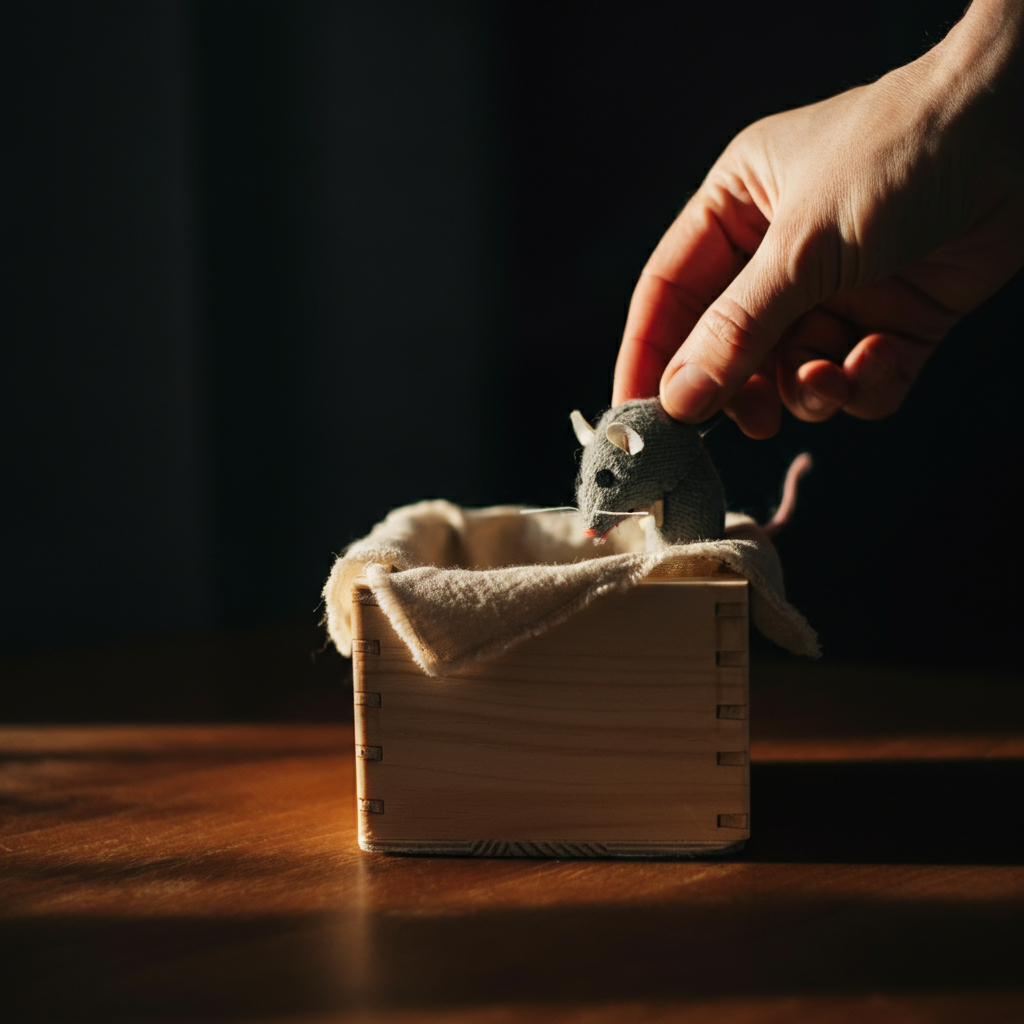
Select a biodegradable coffin, container, or wrapping for your cat's remains. Acceptable options include a wooden or cardboard box, a wicker basket, or wrapping them in a natural fiber blanket or towel. Avoid using plastic bags, metal containers, or non-biodegradable materials, as these will not decompose and can harm the environment. You may wish to include a few of their favorite toys or a comforting item with them.
Step 4: Digging the Grave
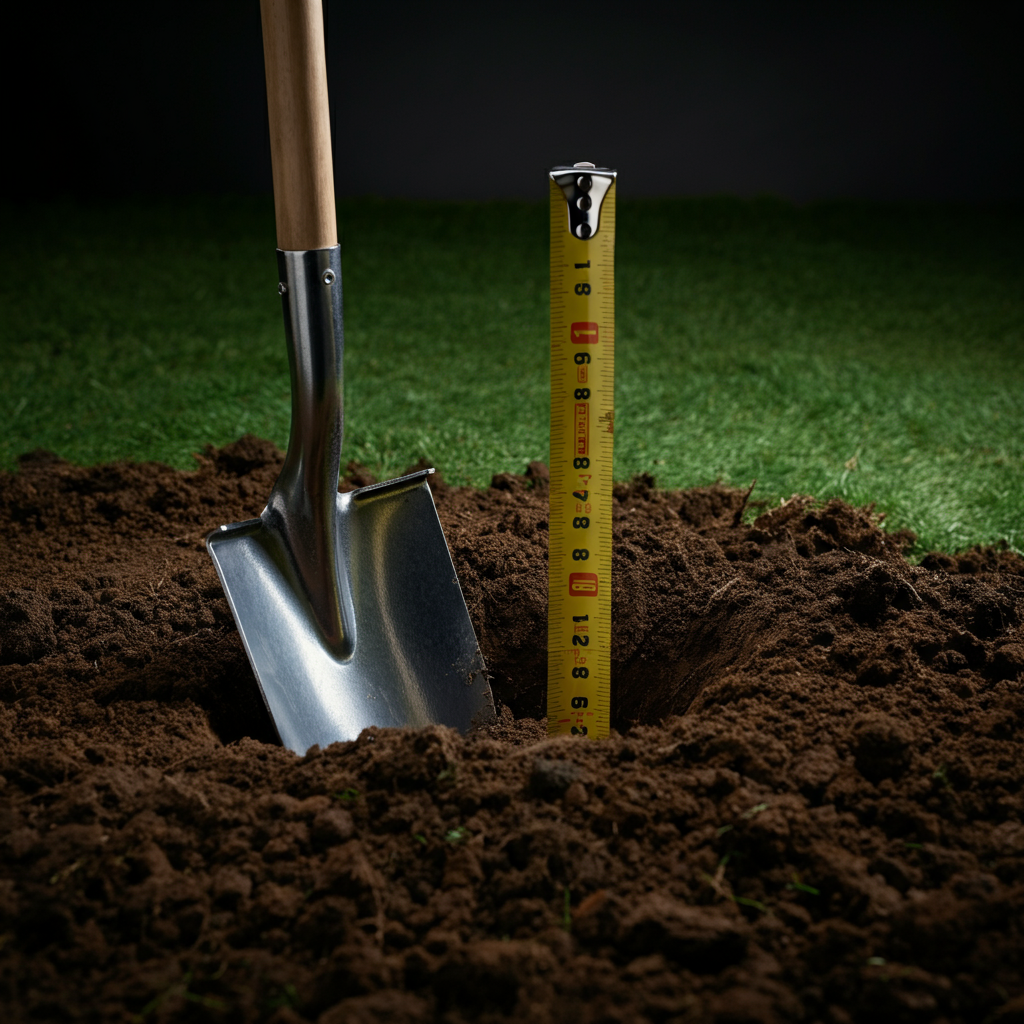
Dig a hole that is at least 3 to 5 feet deep. This depth is crucial for preventing scavengers from disturbing the burial site and ensuring proper decomposition. The hole should be wide enough to comfortably accommodate the chosen container or wrapping. Call 811 before digging to ensure you are not disturbing any underground utilities. Sprinkle a layer of lime in the bottom of the hole to aid in decomposition and reduce odors.
Step 5: Lowering and Covering the Remains
Gently lower your cat into the hole. Take a moment to say a few words or reflect on your memories together. Once ready, carefully refill the hole with the excavated soil, packing it down firmly to prevent settling and deter animals. Ensure the soil is compacted evenly to create a stable surface. Be mindful to avoid causing damage to surrounding vegetation.

Step 6: Marking the Grave
Create a grave marker to remember your cat. This could be a simple stone with their name written on it, a purchased headstone, or a planted tree or shrub. You can also decorate the area with flowers, plants, or other meaningful objects. Ensure the marker is secure and will withstand weather conditions. Consider adding a small fence or border to further protect the site.

Step 7: Holding a Memorial
Consider holding a small memorial service to honor your cat's life. This can be a simple gathering with family and friends where you share memories, photos, or stories. Reading a poem, singing a song, or simply speaking from the heart can provide comfort and closure. Allow yourself and others to grieve openly and honestly. Remember that grief is a personal journey, and there is no right or wrong way to feel.

Tools or Materials Required
- Shovel
- Biodegradable container or wrapping
- Gloves
- Lime (optional)
- Grave marker
- Measuring tape
- Phone to call 811 (before digging)
Common Mistakes to Avoid
- Burying the cat too shallow
- Using non-biodegradable materials
- Failing to check local regulations
- Choosing a location near water sources
- Not compacting the soil properly
Safety Considerations
- Wear gloves when handling the cat's remains.
- Wash your hands thoroughly after the burial.
- Be mindful of underground utilities when digging.
- Avoid burial if you have any health conditions that could be compromised.
FAQ Section
Q: How deep should I bury my cat?
A: At least 3-5 feet deep to prevent scavengers and ensure proper decomposition.
Q: What can I use as a burial container?
A: A biodegradable wooden box, cardboard box, wicker basket, or a natural fiber blanket.
Q: Is it legal to bury my cat in my backyard?
A: Regulations vary by location. Contact your local courthouse or Department of Natural Resources to confirm.
Conclusion
Burying your cat is a deeply personal and emotional process. By following these steps, you can ensure a respectful and safe burial that honors your beloved companion's memory. Remember to prioritize both your emotional well-being and environmental considerations throughout the process. Allow yourself time to grieve and cherish the memories you shared with your cat. This final act of love can provide comfort and closure during a difficult time.