Choosing a cutting board might seem trivial, but it's a crucial decision that impacts both your knife's lifespan and your kitchen hygiene. The ideal cutting board should be gentle on your knives, easy to clean, and durable enough to withstand daily use. With so many materials, sizes, and styles available, knowing where to start can be overwhelming. This guide will break down the essential factors to consider, ensuring you select the best cutting board for your culinary needs.
From the type of material to the board's size and maintenance requirements, each element plays a vital role in its performance and longevity. Understanding the pros and cons of different cutting board options will help you make an informed decision. Whether you're a seasoned chef or a beginner cook, this guide will provide the knowledge you need to confidently choose the right cutting board and elevate your cooking experience.
Ultimately, the best cutting board is the one that suits your specific needs and preferences. Let's dive in and explore the world of cutting boards to help you find the perfect match for your kitchen.
Step 1: Selecting the Right Material
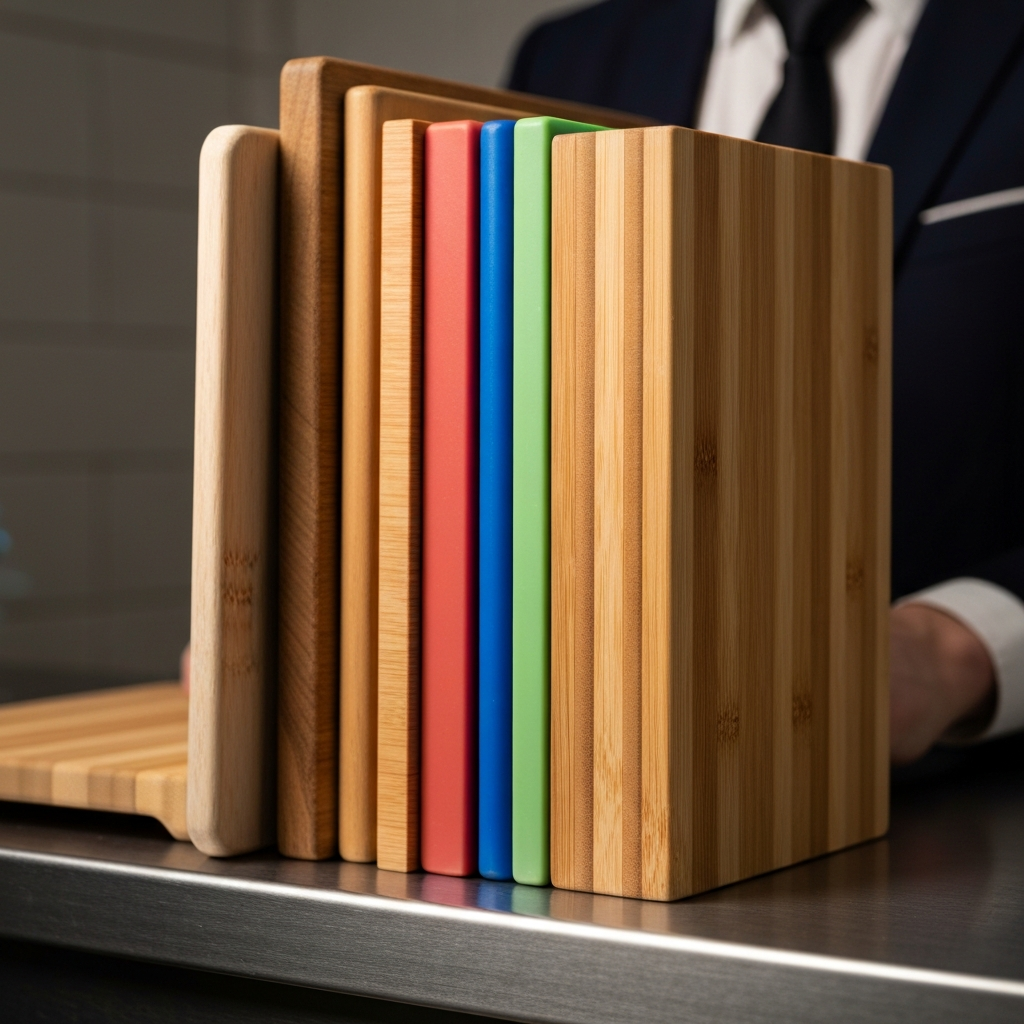
The material of your cutting board is the most important factor to consider. Different materials offer varying degrees of durability, hygiene, and knife-friendliness. Options include wood, plastic, bamboo, and even glass, but not all are created equal. Prioritize materials that are gentle on your knife's edge and easy to sanitize. Avoid porous materials that can harbor bacteria, and consider the overall lifespan of the board.
Step 2: Avoiding Glass and Other Hard Surfaces
While glass cutting boards might look appealing, they are notoriously bad for your knives. Glass, marble, granite, ceramic, and composite materials can quickly dull your knives, sometimes after just a few uses. These hard surfaces offer no give, forcing the knife's edge to wear down prematurely. If you already own a glass cutting board, consider repurposing it as a serving platter or cheese board instead of using it for cutting.

Step 3: Considering Plastic Cutting Boards
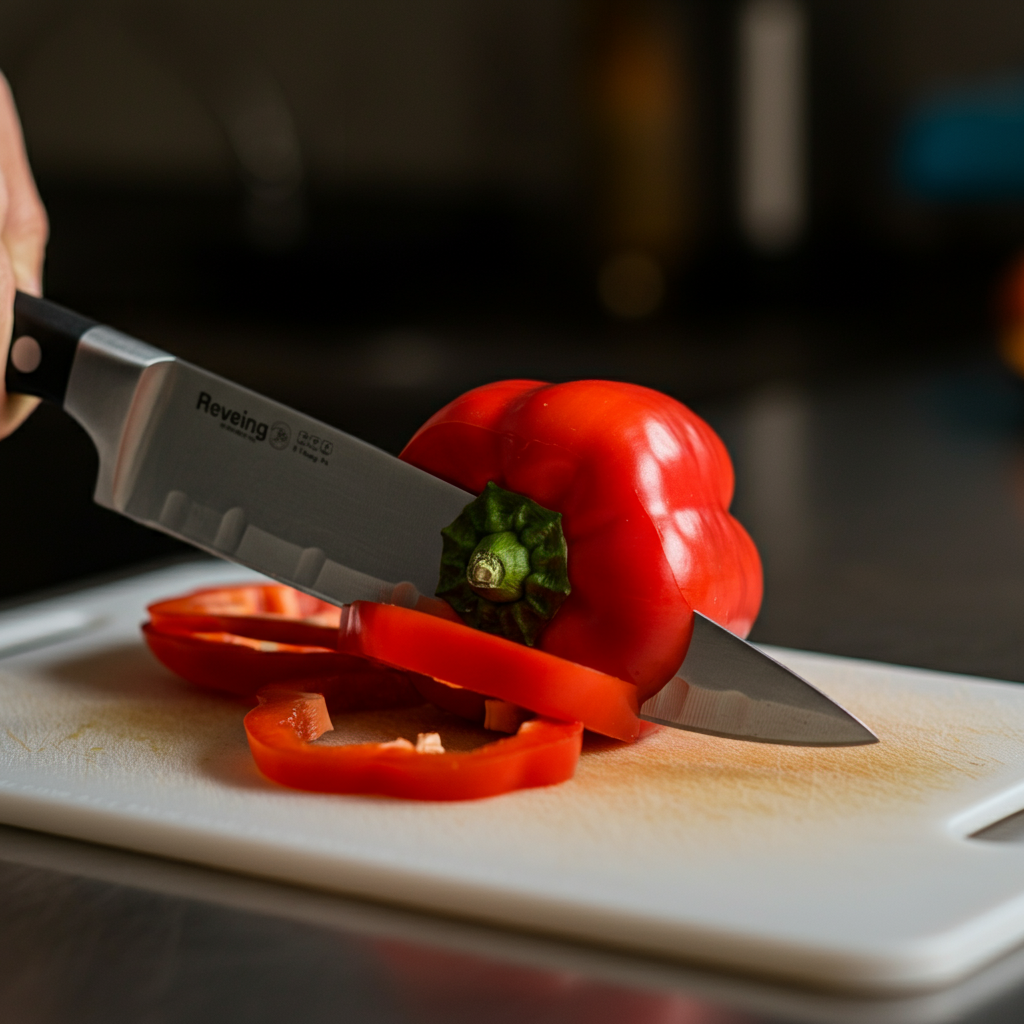
Plastic cutting boards are a popular choice due to their affordability and ease of cleaning. They are generally dishwasher safe and resist staining. However, not all plastic boards are created equal. Avoid slick or smooth plastic surfaces, as they can cause knives to slip, posing a safety hazard. Acrylic plastic should also be avoided as it can damage knives. Opt for plastic cutting boards made of polyethylene or polypropylene; these are more forgiving on your knives and provide a better cutting surface.
Step 4: Opting for Wood Cutting Boards
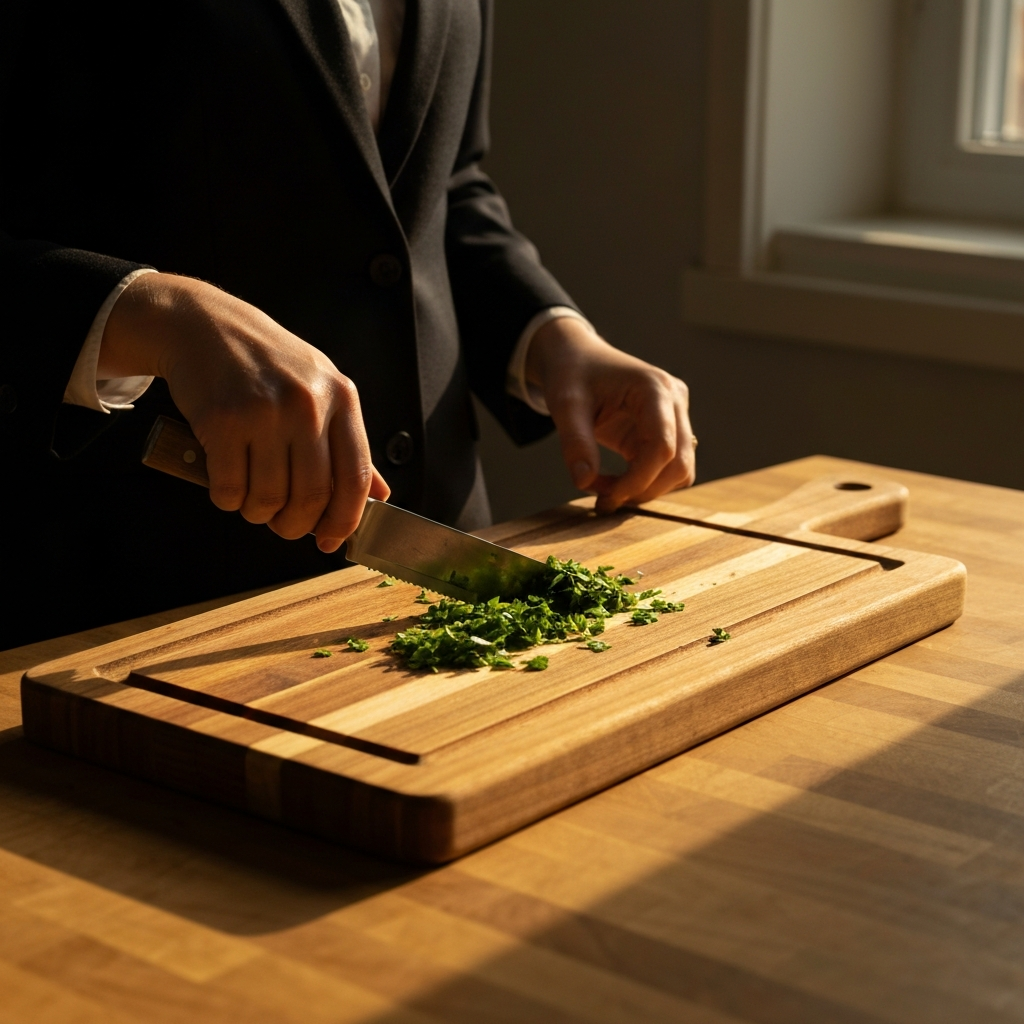
Wood cutting boards are a classic choice favored by both professional chefs and home cooks. They offer a good balance of durability, knife-friendliness, and aesthetic appeal. Wood possesses natural antimicrobial properties, making it a hygienic option when properly maintained. Consider different types of wood such as maple, oak, or teak, each offering unique characteristics. Teak, for example, is known for its water resistance.
Step 5: Exploring Bamboo Cutting Boards
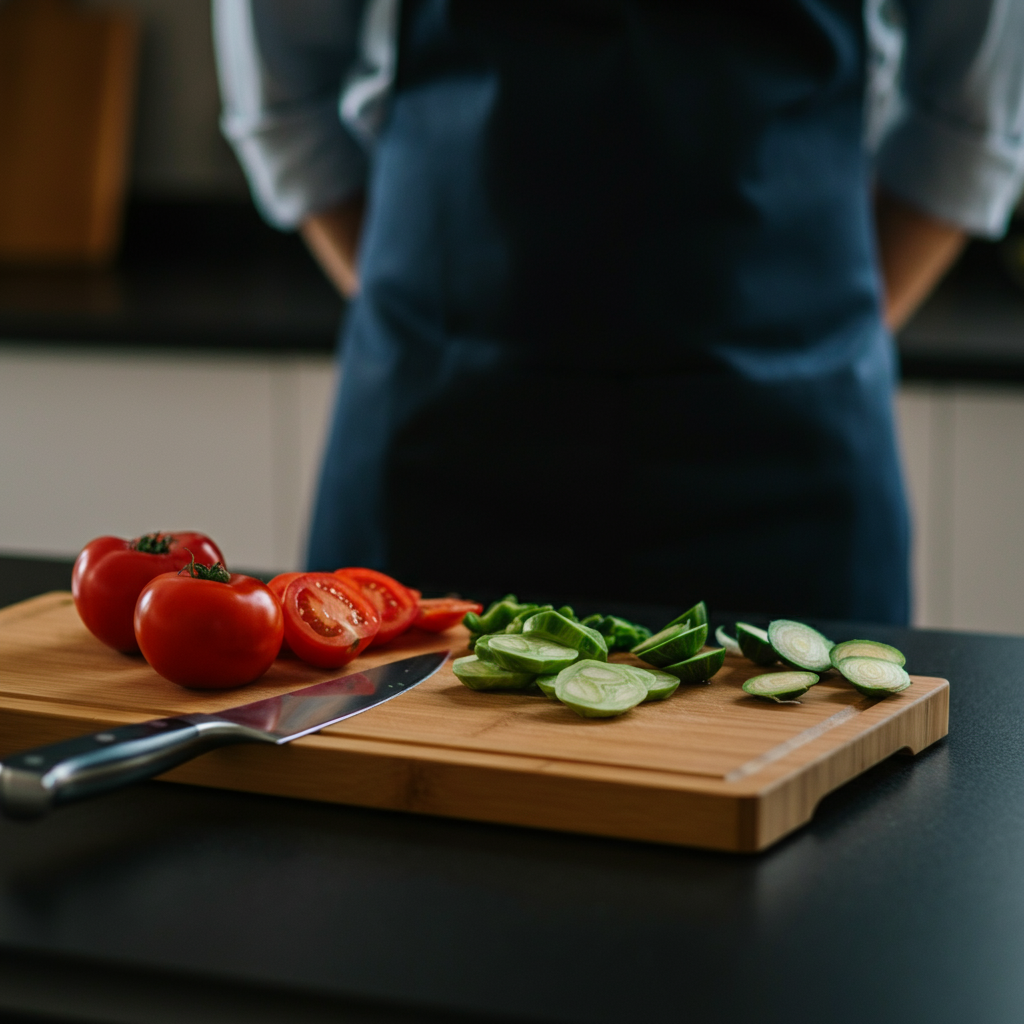
Bamboo cutting boards are an eco-friendly alternative to traditional wood boards. Bamboo is a fast-growing, highly renewable resource, making it a sustainable choice. Bamboo boards are typically lighter than wood boards and require less frequent oiling. They are also gentle on knives and relatively durable, offering a good compromise between cost and performance. They are similar to wood boards in terms of maintenance and care.
Step 6: Dedicating Boards for Different Foods
To prevent cross-contamination, it's best practice to use separate cutting boards for different types of food. Keep one cutting board specifically for raw meat and fish, and another for fruits and vegetables. This helps minimize the risk of spreading harmful bacteria from raw protein to foods that will be eaten raw. A simple color-coding system can help you remember which board to use for which type of food.
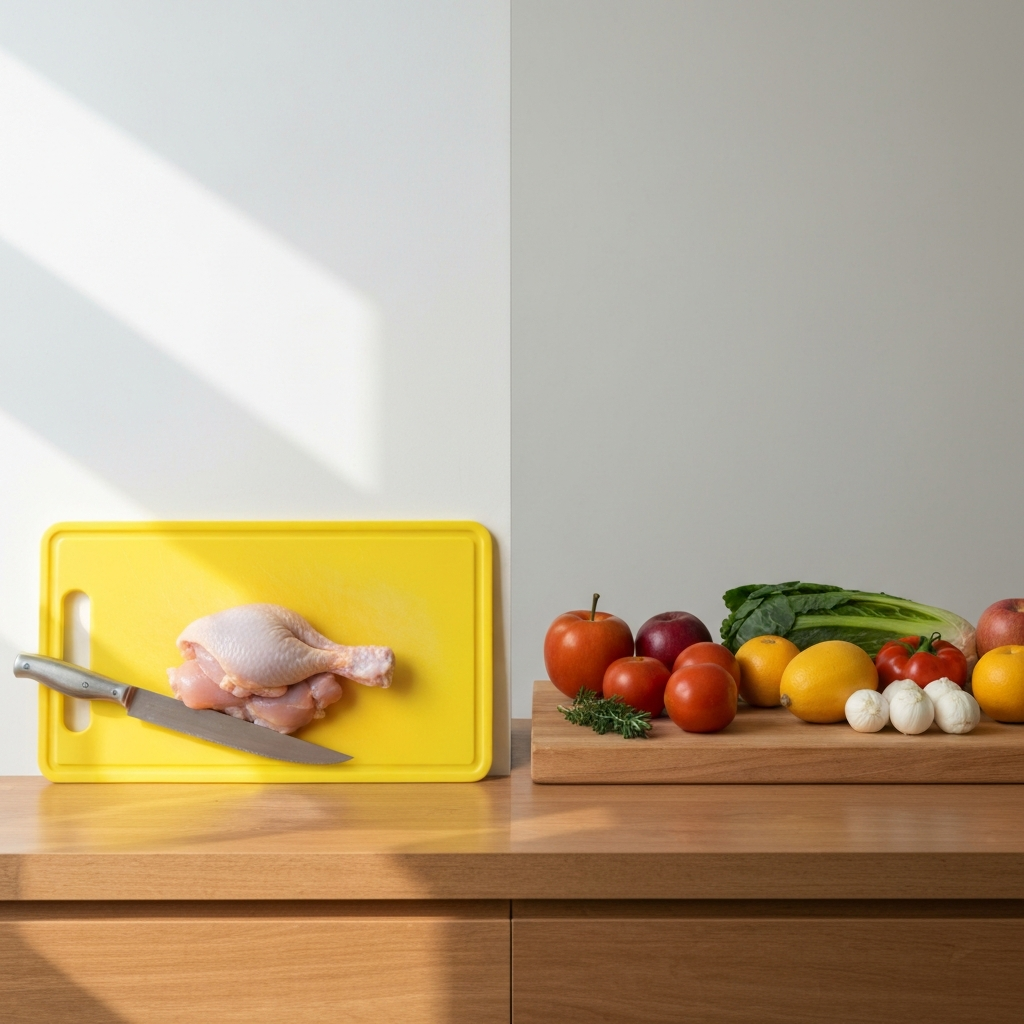
Step 7: Using Plastic for Meat and Fish
Plastic cutting boards are often recommended for raw meat and fish due to their non-porous surface, which makes them easier to sanitize. The oils from fish can sometimes seep into wood fibers, leaving a lasting odor, so plastic is a preferable choice for these foods. After use, thoroughly wash the plastic board with hot, soapy water, or place it in the dishwasher for optimal sanitation.
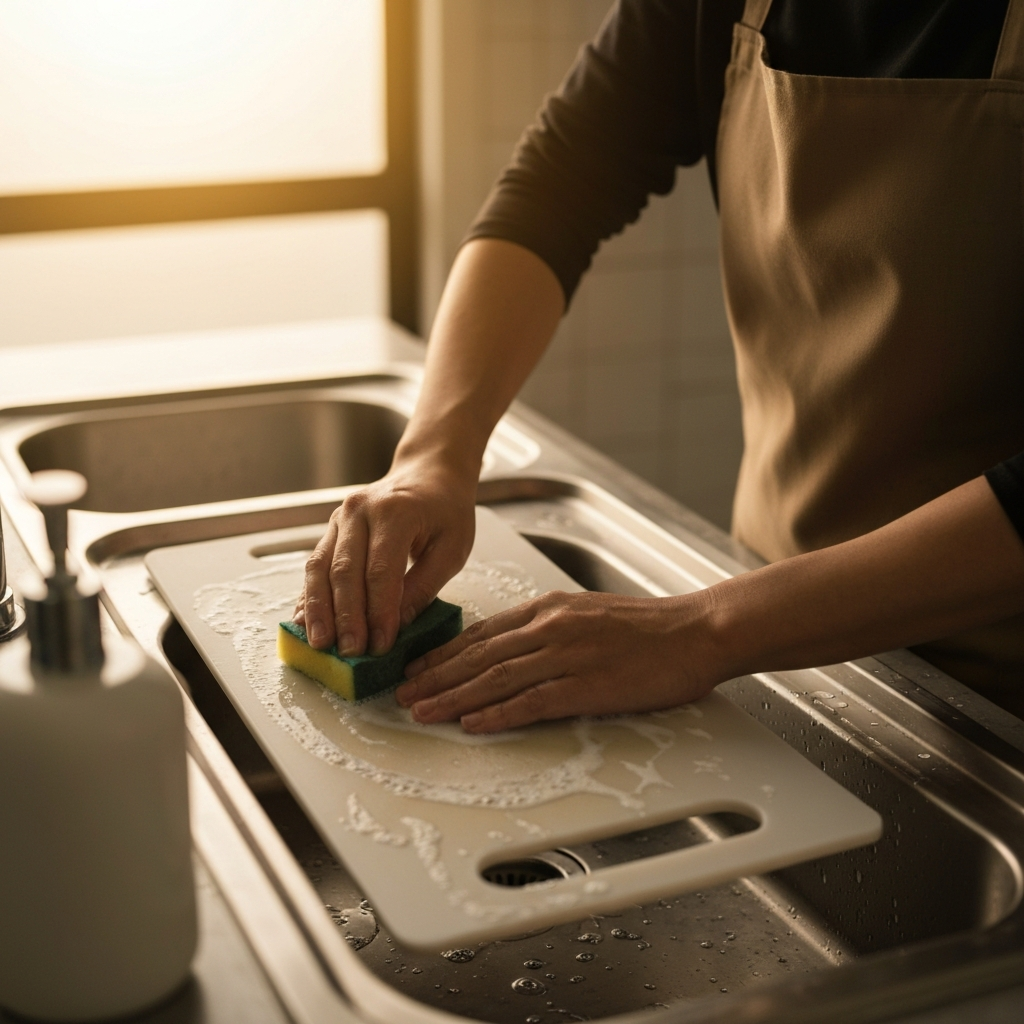
Step 8: Utilizing Wood or Bamboo for Produce
Wood and bamboo cutting boards are excellent choices for fruits and vegetables. Their smooth surfaces are gentle on knives and help maintain their sharpness. Properly maintained wood and bamboo boards also have natural antimicrobial properties, making them a hygienic option for preparing produce. Remember to regularly oil your wood or bamboo board to prevent it from drying out and cracking.
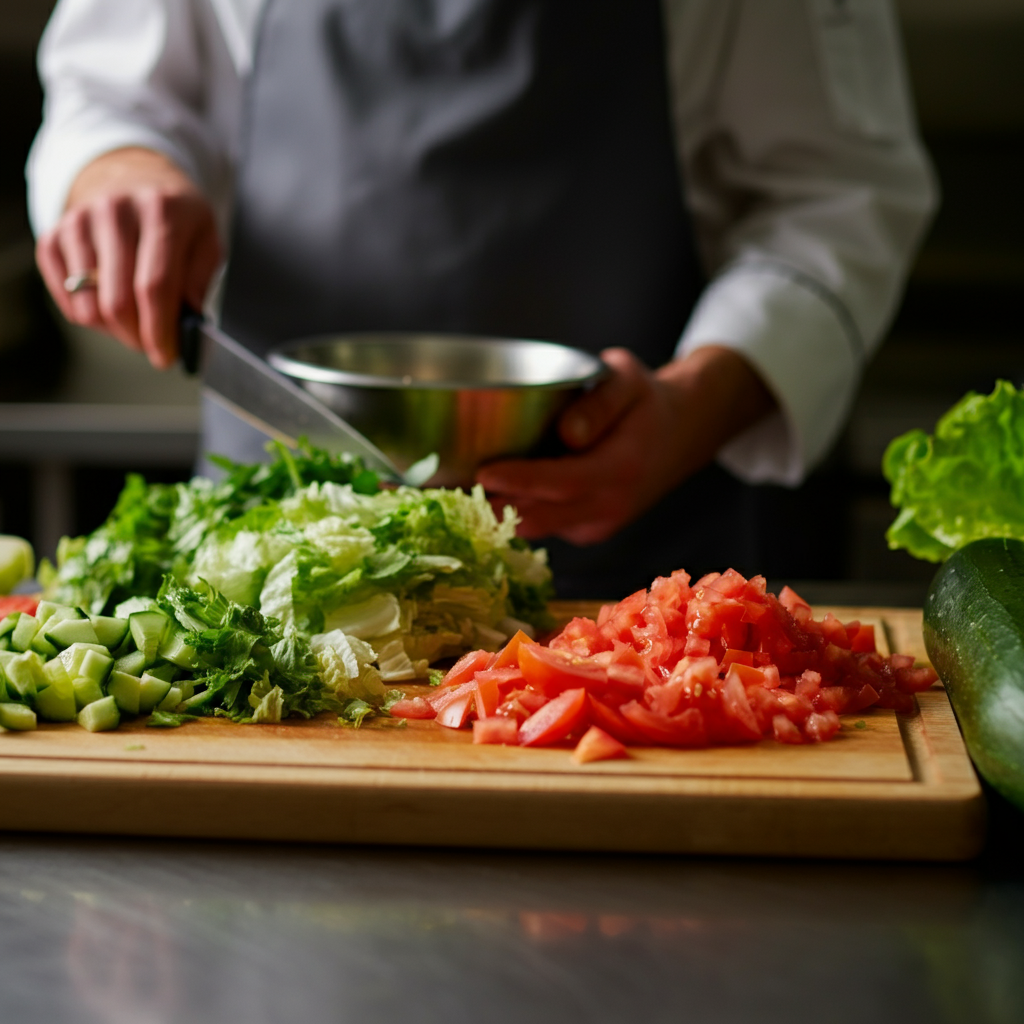
Step 9: Avoiding Cutting Boards with "Feet"
To maximize the use of your cutting board, opt for a reversible design without "feet" or other attachments on the bottom. A reversible cutting board allows you to use both sides, effectively doubling its lifespan and providing a clean surface if one side becomes contaminated or heavily used. This simple feature can significantly increase the value and versatility of your cutting board.
Step 10: Choosing the Right Size
The size of your cutting board should be appropriate for the type of tasks you typically perform in the kitchen. While smaller boards might be easier to store, they can limit your workspace and increase the risk of food falling off the edges. Experts often recommend a cutting board that is approximately 15 by 20 inches (38 to 50 cm) to provide ample room for safe and efficient cutting.
Step 11: Selecting Between End-Grain and Edge-Grain
When choosing a wood or bamboo cutting board, you'll encounter two main grain orientations: end-grain and edge-grain. End-grain boards are constructed from small pieces of wood arranged in a checkerboard pattern, while edge-grain boards are made from strips of wood laid side-by-side. End-grain boards are generally considered to be easier on knives, as the knife slides between the wood fibers rather than cutting across them. However, edge-grain boards are often more affordable and durable.
Step 12: Considering the Level of Maintenance Required
The level of maintenance required for a cutting board varies depending on the material. Wood and bamboo boards require regular oiling to prevent them from drying out and cracking. Plastic boards, on the other hand, are typically dishwasher safe and require minimal maintenance. If you're short on time or prefer a low-maintenance option, a plastic cutting board might be a better choice for you.
Safety Considerations
Always ensure your cutting board is stable and secure on your countertop to prevent it from slipping while cutting. Use a damp cloth or a non-slip mat underneath the board to provide extra stability. Keep your knives sharp to reduce the risk of accidents. Dull knives require more force, which can increase the likelihood of slipping and cutting yourself. Also, use a clean cutting board every time to avoid cross contamination. Wash your cutting boards with hot, soapy water after each use.
Common Mistakes to Avoid
One common mistake is using the same cutting board for both raw meat and produce. Another mistake is neglecting to clean and sanitize your cutting board properly after each use. Failing to oil your wood or bamboo cutting board regularly can also lead to cracking and warping. Avoid using harsh chemicals or abrasive cleaners on your cutting board, as these can damage the surface and leave behind harmful residues.
Pro Tips
To extend the life of your wood or bamboo cutting board, consider using a cutting board conditioner that contains beeswax and mineral oil. This will help seal the wood and protect it from moisture. If your wood or bamboo cutting board develops a foul odor, try scrubbing it with a mixture of lemon juice and salt. For plastic cutting boards, use a solution of bleach and water to disinfect them and remove stubborn stains.
FAQ Section
Q: How often should I oil my wood cutting board?
A: It's recommended to oil your wood cutting board every few weeks, or whenever it starts to look dry.
Q: Can I put my wood cutting board in the dishwasher?
A: No, wood cutting boards should never be put in the dishwasher, as the high heat and harsh detergents can damage the wood.
Q: How can I remove stains from my plastic cutting board?
A: Try using a solution of bleach and water to disinfect the board and remove stubborn stains.
Conclusion
Choosing the right cutting board is an essential step in creating a safe and efficient kitchen environment. By considering the material, size, grain orientation, and maintenance requirements, you can select a cutting board that meets your specific needs and preferences. Remember to prioritize hygiene and safety by using separate cutting boards for different types of food and keeping your knives sharp. With the right cutting board in hand, you'll be well-equipped to tackle any culinary task with confidence.