Tandoori Chicken Pasta is a delightful fusion dish that brings together the creamy comfort of Italian pasta and the vibrant, spicy flavors of Indian Tandoori chicken. This recipe is surprisingly easy to make and is sure to impress your family and friends with its unique and delicious taste. This dish offers a unique twist on classic comfort food, perfect for a weeknight dinner or a special occasion. The key to a successful Tandoori Chicken Pasta lies in balancing the spice level and ensuring the chicken is cooked to perfection.
Pasta, a beloved Italian staple, boasts diverse shapes, sizes, and flavors. Popular lore credits Marco Polo with introducing it to Italy in the late 13th century after his travels to China. Since then, pasta has evolved into a global culinary component, adapted and transformed across different cultures. This particular recipe marries the comforting richness of Italian cuisine with a tantalizing hint of South Asian spices.
This guide will walk you through each step, from preparing the ingredients to plating the final dish. Whether you are a seasoned cook or a beginner, this recipe is designed to be approachable and rewarding. So, gather your ingredients, put on your apron, and let's get cooking!
Step 1: Prepare the Chicken Stock
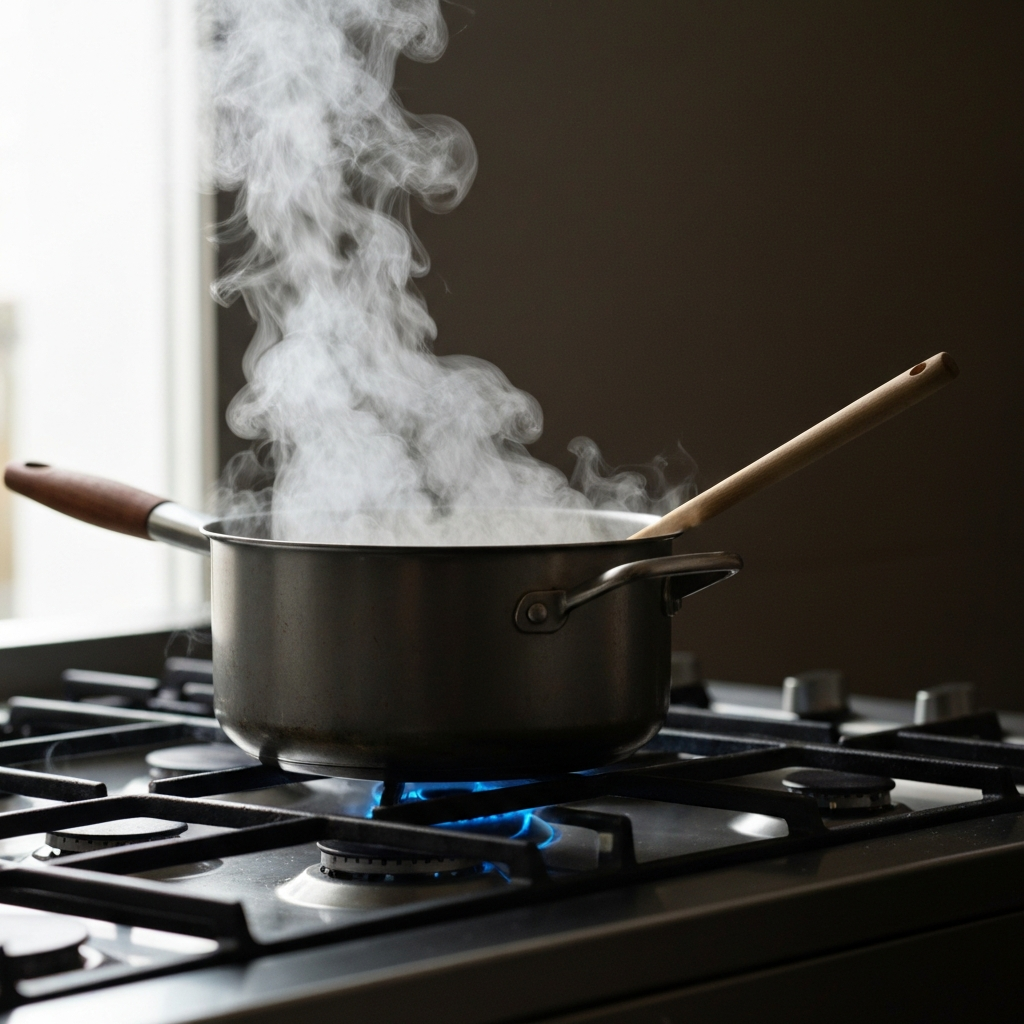
First, you'll need to create a flavorful chicken stock. In a medium-sized pot, combine 4 cups of water (approximately 1 liter) with 1 whole chicken. Add ½ teaspoon of cumin seeds and ½ teaspoon of coriander seeds to infuse the stock with aromatic spices. Bring the mixture to a boil, then reduce the heat to medium-low and let it simmer for 1 hour. The simmering process allows the flavors to meld and create a rich base for the pasta sauce. After simmering, carefully drain out 1 cup of the liquid and set it aside. Discard the chicken and spices.
Step 2: Boil the Penne Pasta
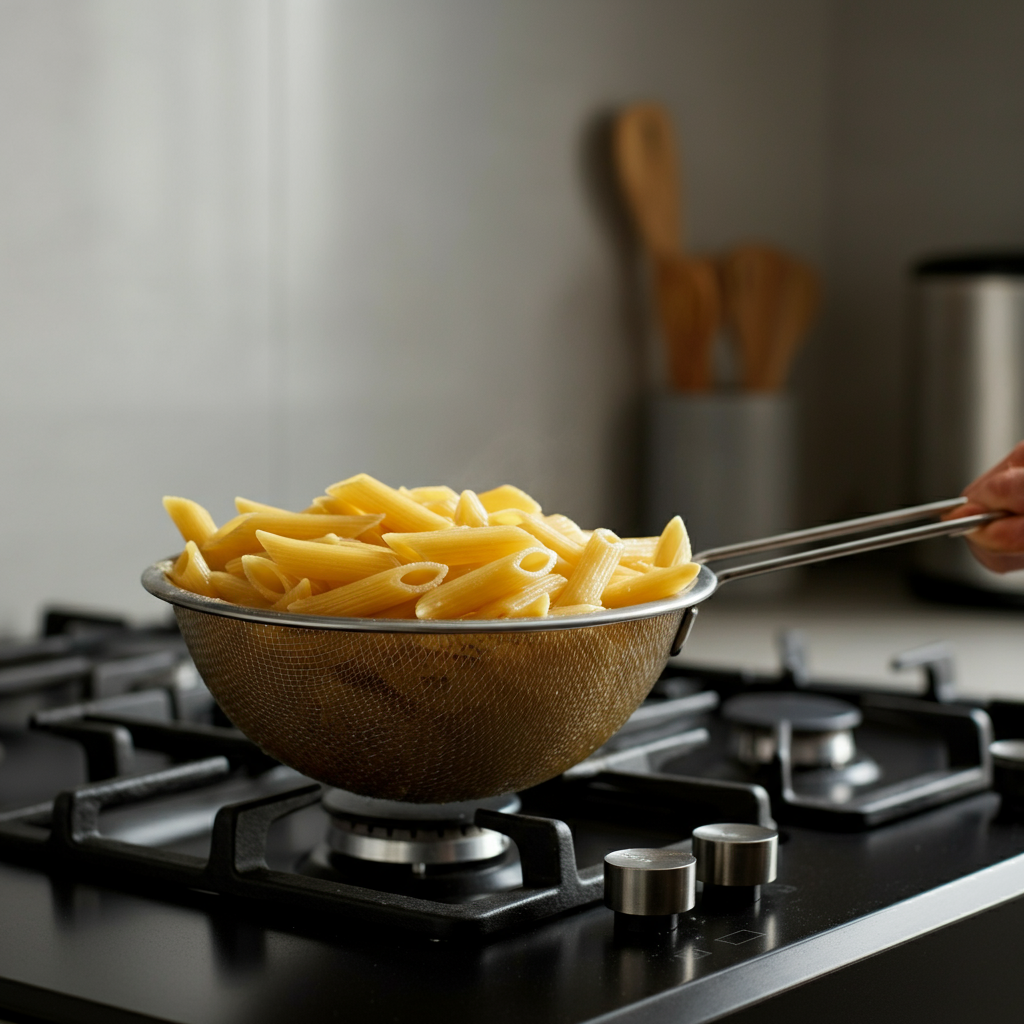
Now, let’s prepare the pasta. Fill a large pot with four quarts of water and bring it to a rolling boil. Once boiling, add one packet of Penne pasta and cook uncovered on medium to high heat until the pasta is tender but still firm to the bite, also known as al dente. Stir the pasta occasionally to prevent it from sticking together. The cooking time will vary depending on the type of pasta you're using, typically around 15-20 minutes. Once cooked, remove the pot from heat and drain the water, setting the pasta aside.
Step 3: Prepare the Garlic Paste
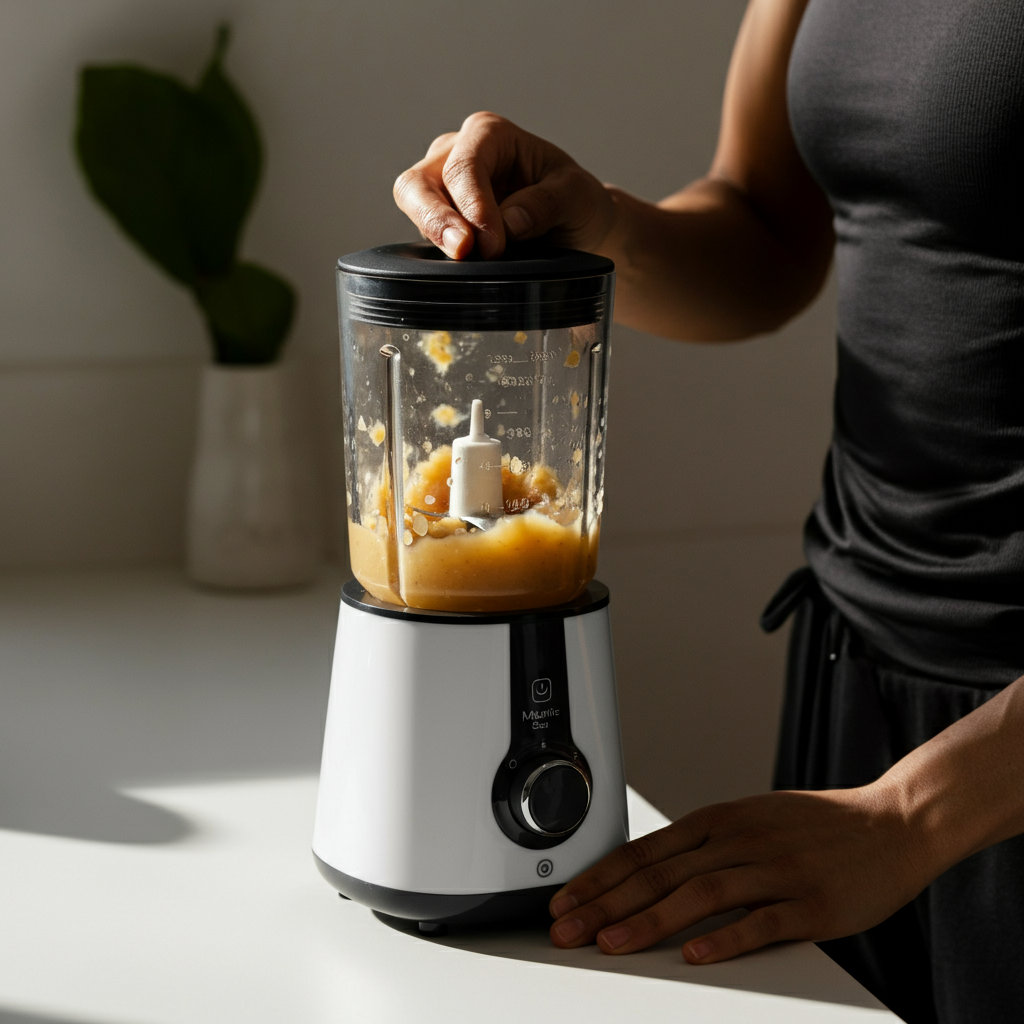
The next step is to prepare the garlic, a crucial element in adding depth of flavor to the dish. Blend 6 cloves of garlic with 1 teaspoon of water in a blender until it forms a smooth paste. Adding a little water helps the garlic blend more easily. If you prefer, you can use store-bought garlic paste as a convenient alternative.
Step 4: Chop the Onion
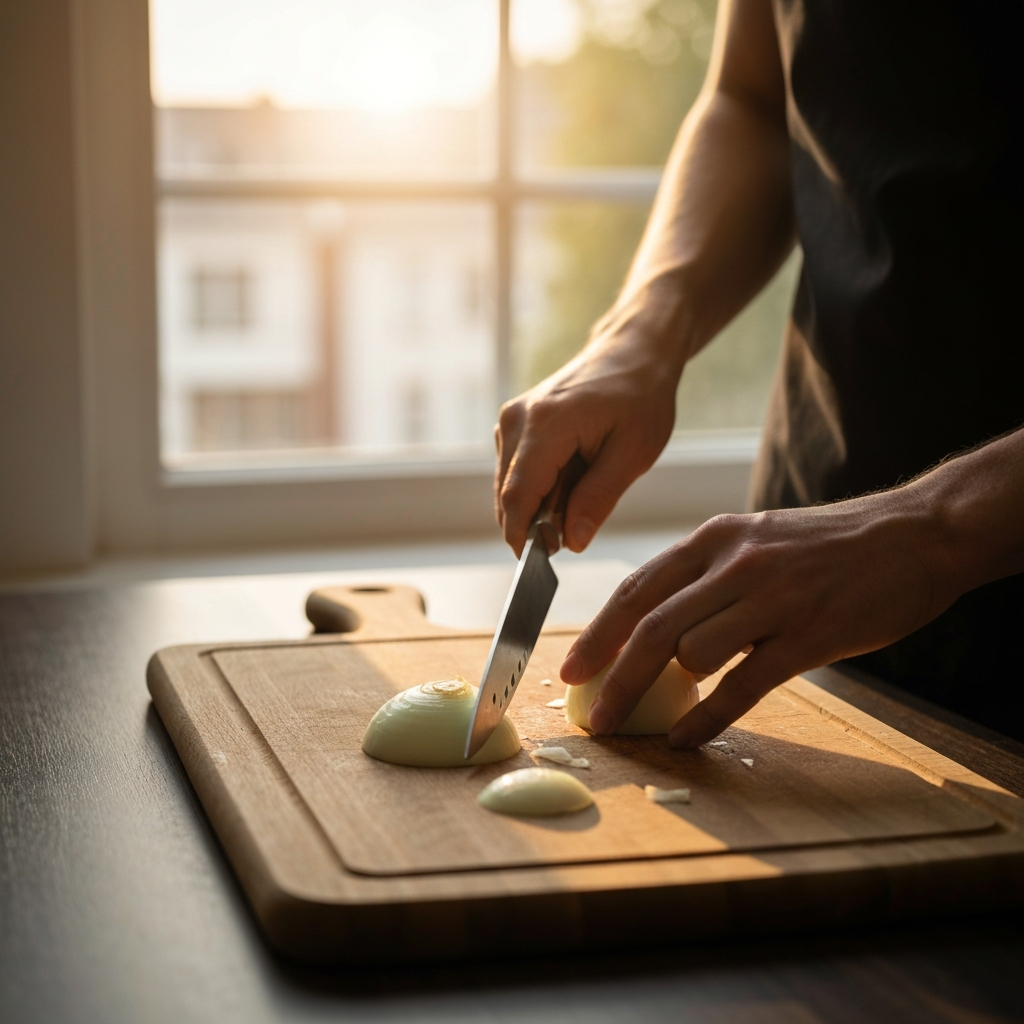
Next, chop one small onion. The size of the diced onion will impact the overall texture of the sauce. To chop the onion, first cut it in half, then place each half facedown on your cutting board. Slice each half about ¾ inch thick. Finally, place the sliced halves flat and slice again to create chopped pieces. Any type of onion can be used, depending on your preference.
Step 5: Cut the Chicken into Strips
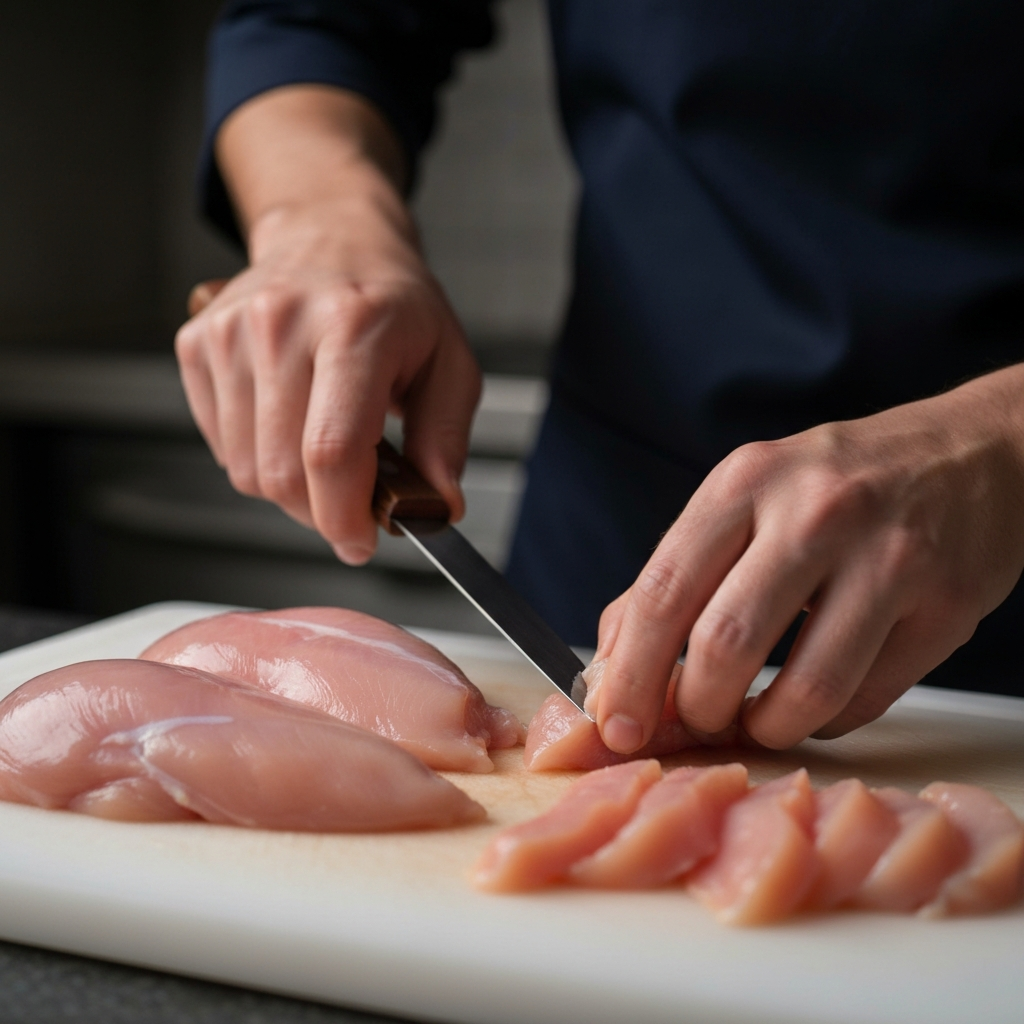
Prepare the boneless chicken by cutting it into strips. The recommended size is approximately 2 inches in length and ½ inch in width. Uniformly sized chicken strips will ensure even cooking. If you are a practicing vegetarian, you can skip this step and use a plant-based protein substitute, such as tofu or paneer, cut into similar sized pieces.
Step 6: Squeeze the Lemon
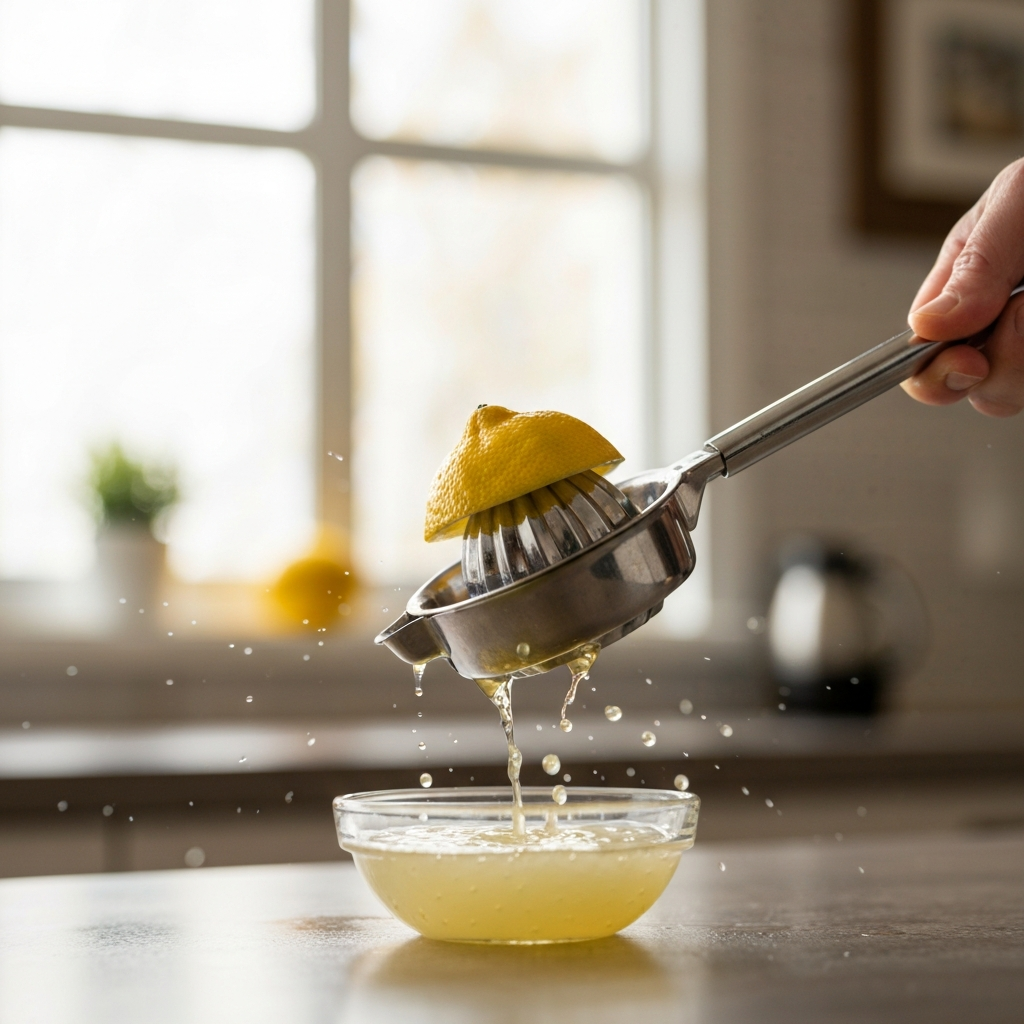
Fresh lemon juice adds a bright, acidic note to the dish, balancing the richness of the sauce. Squeeze one lemon using any lemon squeezer or juicer, and set aside 2 tablespoons of fresh lemon juice. Freshly squeezed lemon juice provides a superior flavor compared to store-bought alternatives. If necessary, you can use store-bought lemon juice as an alternative, but be sure to adjust the quantity to taste.
Step 7: Chop the Fresh Parsley
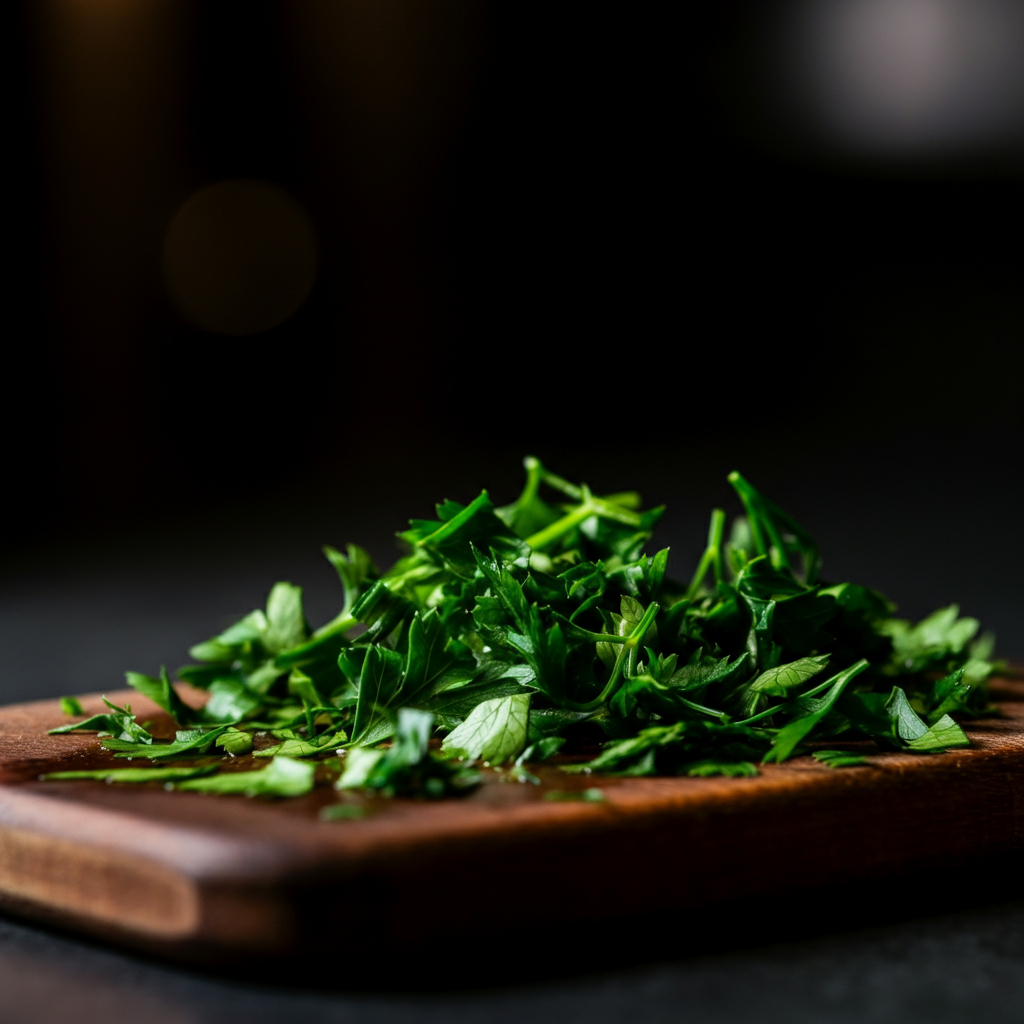
Finally, chop one bunch of fresh parsley. Parsley adds a fresh, herbaceous element to the dish and serves as an attractive garnish. Set aside about 1 teaspoon of chopped parsley for garnishing. Fresh parsley is essential for adding a vibrant touch to the finished dish.
Step 8: Sauté the Garlic Paste
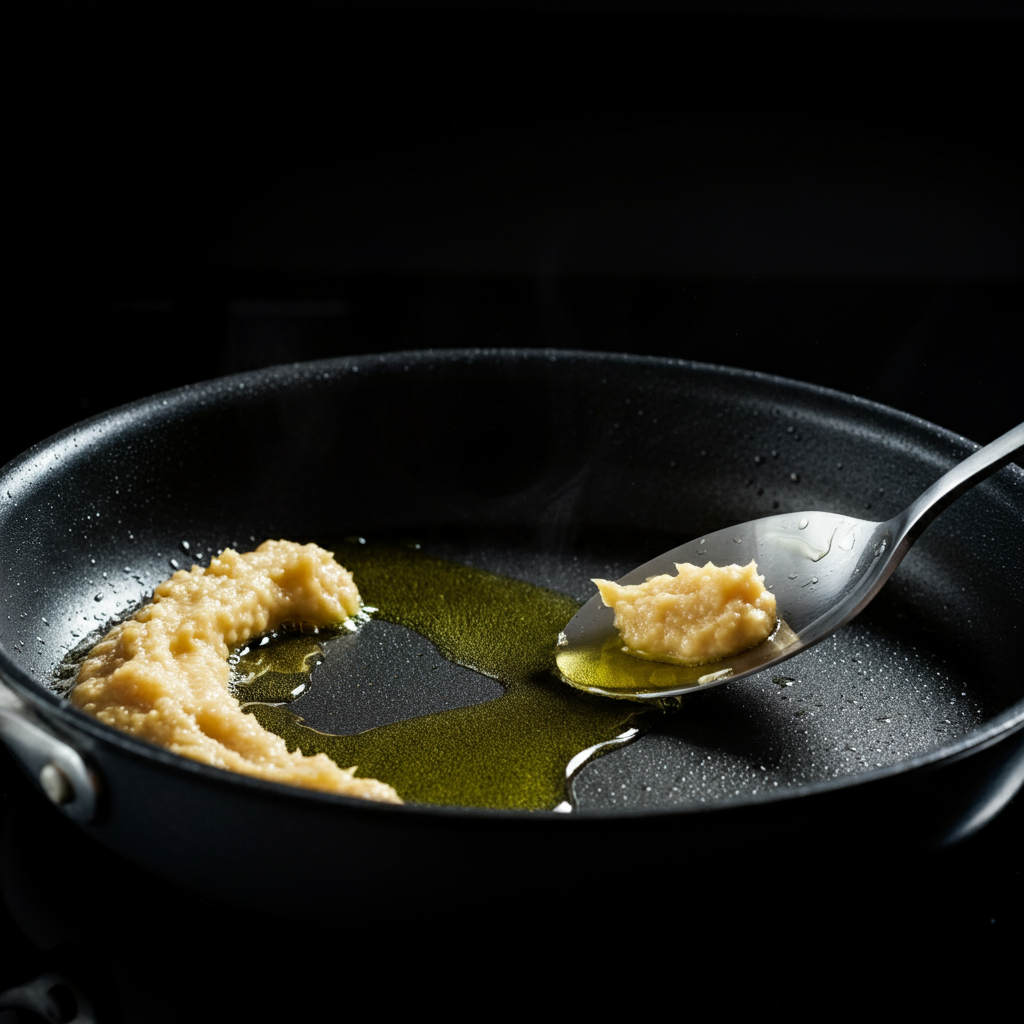
Now, let's begin cooking. Heat 2 tablespoons of oil (olive oil is preferred) in a medium-sized pan or skillet over medium heat. Add the prepared garlic paste and combine well with the oil. Sauté the garlic for about ½ minute, or until it becomes fragrant. Be careful not to burn the garlic, as it can become bitter. The goal is to lightly cook the garlic to release its aroma and flavor.
Step 9: Add the Onion
Add the chopped onion to the pan and stir-fry until the color turns translucent. This usually takes about 3-5 minutes. Cooking the onion until translucent mellows its flavor and allows it to blend seamlessly into the sauce. Be sure to stir frequently to prevent the onion from burning.
Step 10: Add the Chicken and Salt
Add the chicken strips and 1 tablespoon of salt to the pan. Combine the chicken well with the onion and garlic paste until the chicken changes color, turning from pink to white. The chicken will release water during this process, which is normal. Cover the pan and cook until the chicken slightly shrinks in size and the water is dry. The chicken should be tender and cooked through.
Step 11: Add the Spices
Now, it’s time to infuse the dish with those signature Tandoori flavors! Add the Tandoori Chicken masala spice (1 ½ tablespoons), oregano or mixed herbs (1 teaspoon), and red chili flakes (1 teaspoon for normal spice, or 2 teaspoons for slightly milder spice). Combine the spices well with the chicken and vegetables, ensuring everything is evenly coated. Adjust the amount of red chili flakes to suit your preferred spice level.
Step 12: Create the Sauce Base
To create the sauce base, add ½ cup of tomato paste, 2 tablespoons of lemon juice, and 1 cup of chicken stock (or vegetable stock) to the pan. Combine all the ingredients well and cook for about 3 minutes on low heat. This step allows the flavors to meld together and create a cohesive sauce. Simmering the sauce on low heat prevents it from splattering and ensures the flavors develop fully.
Step 13: Add the Penne Pasta
Add the cooked Penne pasta to the pan and combine it thoroughly with the sauce base. Ensure that the pasta is evenly coated with the sauce, allowing each strand to absorb the flavorful Tandoori seasonings. Gently toss the pasta to prevent it from breaking or becoming mushy.
Step 14: Simmer and Serve
Cover the pot and set it to low heat for about 5 minutes to allow the pasta to fully absorb the flavors of the sauce. After simmering, remove the pot from the heat. Dish out the Tandoori Chicken Pasta onto a new plate and serve it immediately, garnished with fresh parsley. Serving the pasta hot ensures the best flavor and texture. Enjoy!
Tools or Materials Required
- Medium-sized pot
- Large pot
- Blender
- Cutting board
- Chef's knife
- Lemon squeezer or juicer
- Medium-sized pan or skillet
Common Mistakes to Avoid
- Burning the garlic: Sauté the garlic over low heat and watch it carefully to prevent it from burning.
- Overcooking the pasta: Cook the pasta al dente, or firm to the bite, to avoid a mushy texture.
- Using too much spice: Adjust the amount of red chili flakes to suit your preferred spice level.
Pro Tips
- Add a pinch of salt to the boiling water for the pasta to enhance its flavor.
- Rinse the cooked pasta with cold water to prevent it from sticking together.
- Marinate the chicken in Tandoori spices for at least 30 minutes before cooking for a more intense flavor.
Conclusion
Congratulations! You've successfully created a delicious and unique Tandoori Chicken Pasta. This fusion dish is a testament to the versatility of pasta and the exciting possibilities of combining flavors from different cultures. Remember to adjust the spice level to your liking and experiment with different vegetables or protein sources to customize the recipe. With a little practice, you'll be able to whip up this crowd-pleasing dish in no time.