Embarking on a fitness journey often starts with equipping your home gym. However, brand-new fitness equipment can be a significant investment. A savvy alternative is purchasing used equipment, which can offer substantial savings without compromising your fitness goals. But navigating the used market requires careful consideration to ensure you acquire quality, functional, and safe equipment. This comprehensive guide provides the expert knowledge you need to make informed decisions and avoid potential pitfalls when buying used fitness equipment.
From treadmills and ellipticals to weights and benches, the secondary market is filled with options. However, not all used equipment is created equal. Factors like usage, maintenance history, brand reputation, and overall condition significantly impact the value and longevity of your purchase. By following our detailed steps, you’ll be able to identify hidden issues, negotiate effectively, and ultimately build your dream home gym without breaking the bank.
We'll walk you through finding reputable sources, evaluating the equipment's condition, and understanding the key considerations for different types of fitness gear. Let’s get started on the path to a fitter you – and a healthier budget!
Step 1: Identify Your Fitness Needs and Space
Before diving into the used equipment market, it's crucial to define your fitness goals and assess your available space. What types of workouts do you enjoy? Are you focused on cardio, strength training, or a combination of both? Knowing your preferences will help you narrow down the specific equipment you need. Consider your long-term fitness aspirations; choose equipment that will support your evolving goals.
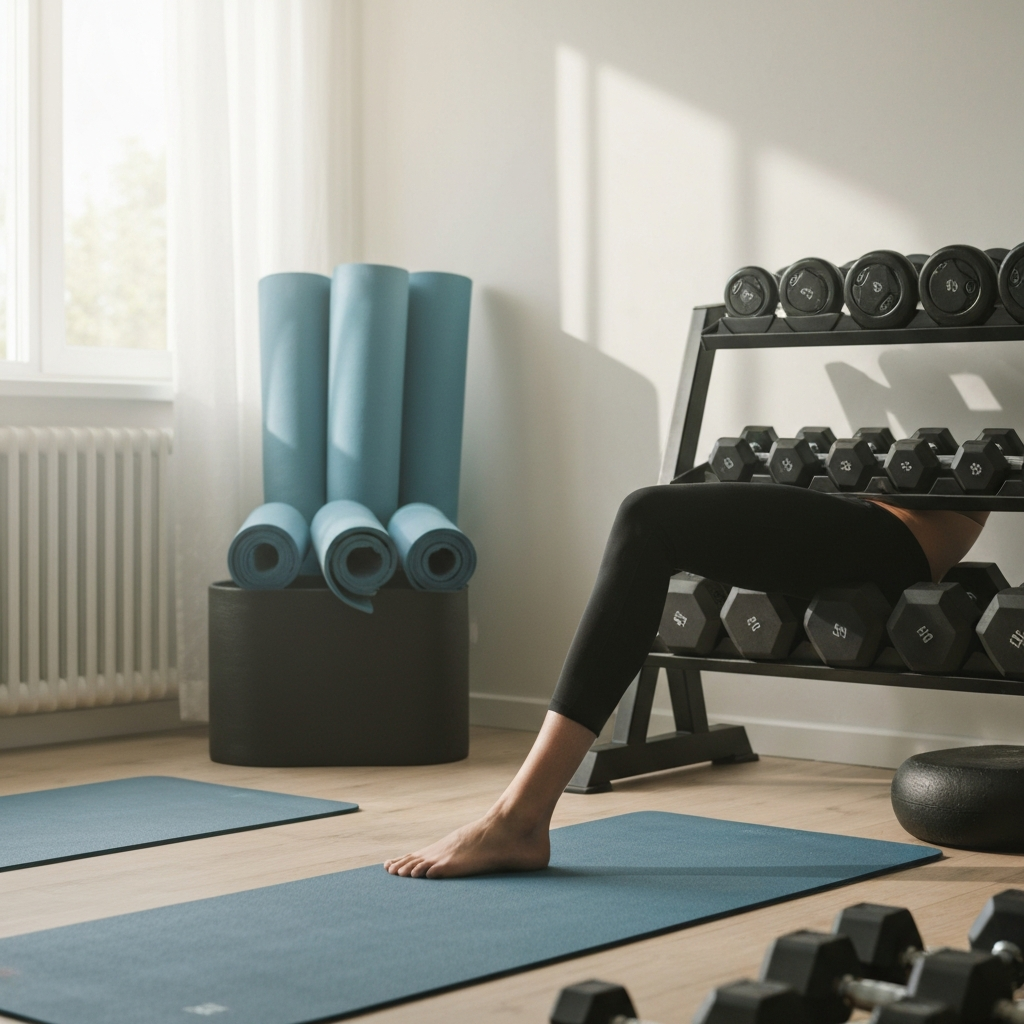
Once you have a clear idea of your fitness objectives, measure the area where you plan to set up your home gym. Account for the equipment's footprint and allow ample space for movement and safety. A treadmill, for example, requires significantly more space than a set of dumbbells. Visualize the layout and ensure a comfortable and functional workout environment. Avoid impulse buys based on appealing prices; prioritize items that align with your needs and fit your space.
Step 2: Research Equipment Models and Brands
Knowledge is power when buying used fitness equipment. Thoroughly research the models and brands you’re interested in. Look for reputable brands known for their durability and performance. Read online reviews and compare different models to understand their strengths, weaknesses, and common issues. Websites like Consumer Reports and fitness equipment review sites can provide valuable insights.
Pay attention to the equipment's original price and features. A higher original price often indicates better quality and more advanced features, even in a used condition. Check for recalls or safety warnings associated with specific models. Understanding the equipment's history and potential problems will help you make an informed decision and avoid costly repairs down the line.
Step 3: Find Reliable Sources for Used Equipment
Locating reliable sources is paramount to a successful purchase. Start by exploring local options, such as used fitness equipment stores or sporting goods retailers that offer trade-in programs. These businesses typically inspect and refurbish equipment before reselling it, offering a degree of assurance. Always inquire about warranties or return policies, even on used items.
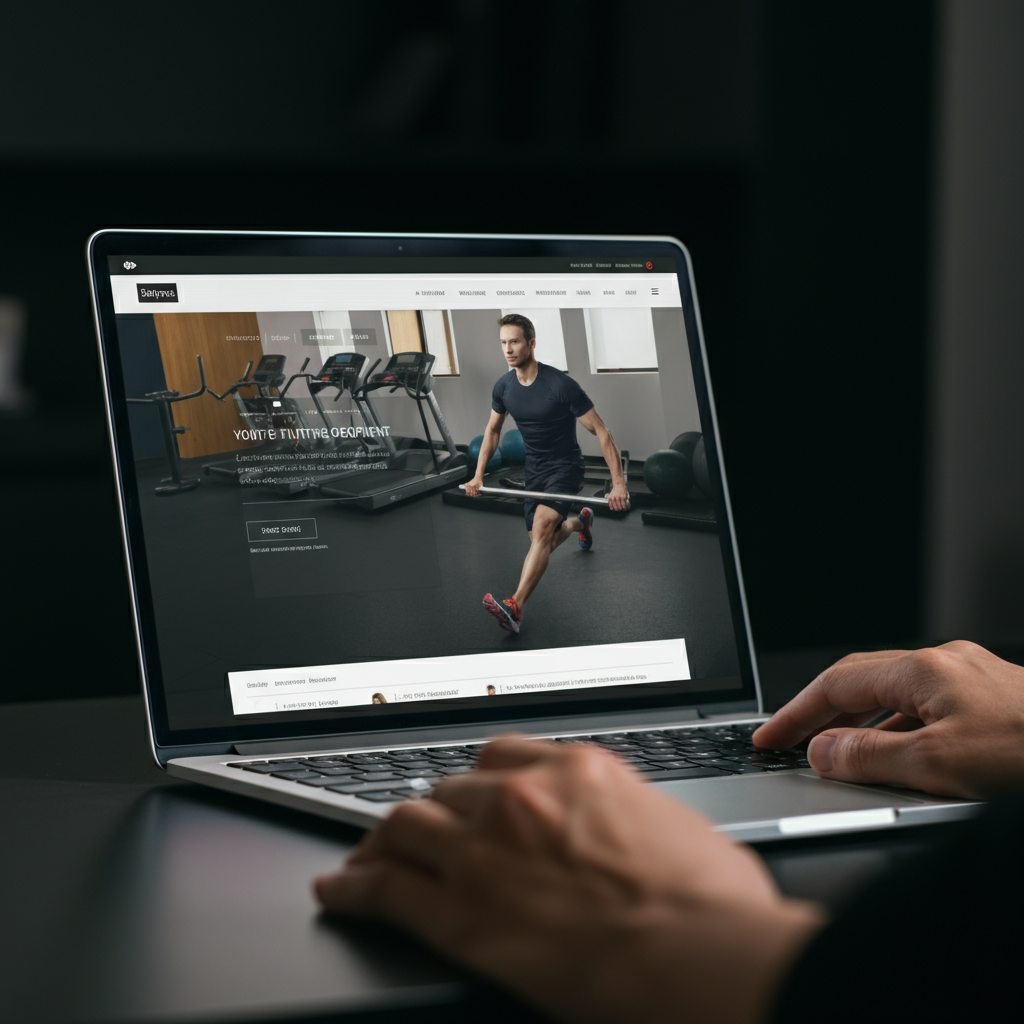
Online marketplaces like Craigslist, Facebook Marketplace, and eBay can also be fruitful sources, but exercise caution. Thoroughly vet sellers, read reviews, and insist on inspecting the equipment in person before committing to a purchase. Consider reaching out to local gyms that may be upgrading their equipment or closing down; they often sell off their used equipment at discounted prices. Networking within your community can also uncover hidden gems.
Step 4: Inspect the Equipment Thoroughly
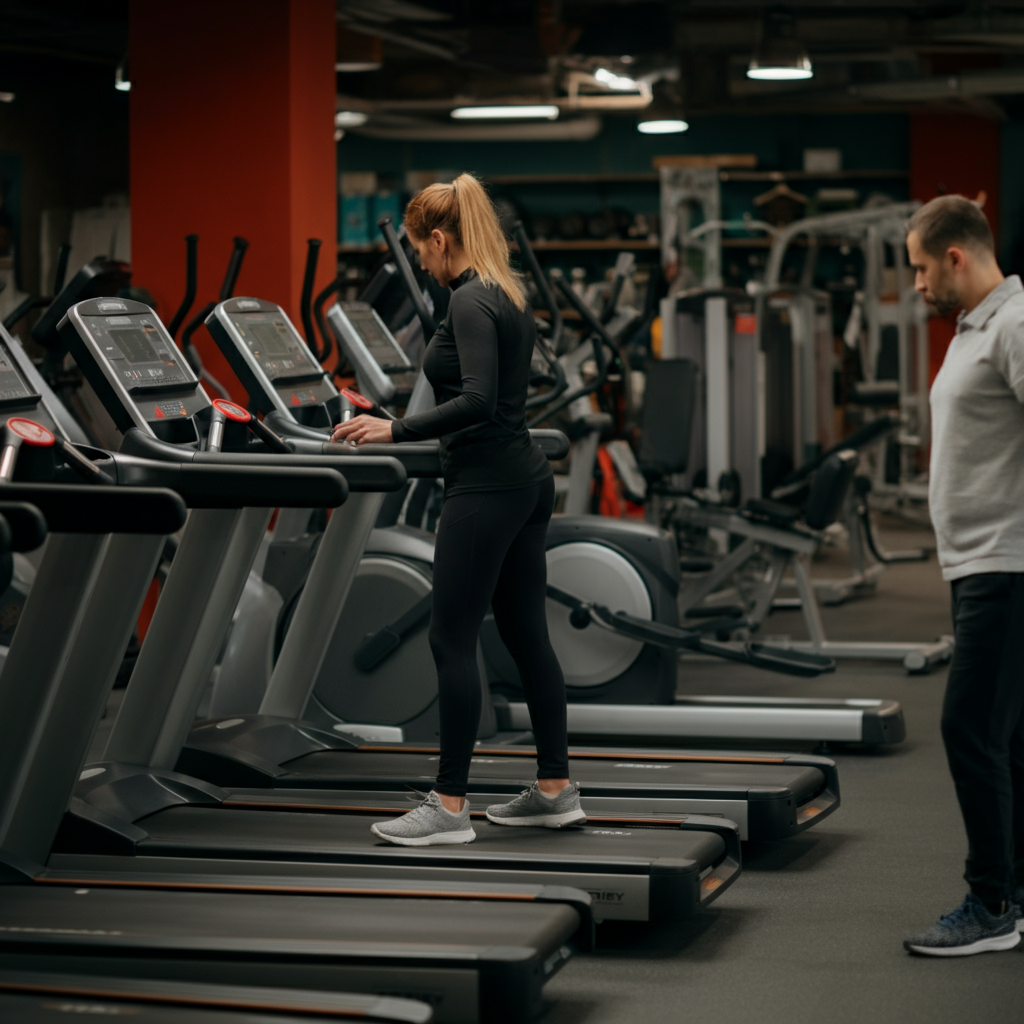
A hands-on inspection is non-negotiable when buying used fitness equipment. Schedule a time to examine the equipment in person and bring a friend for added safety and objectivity. Start by visually assessing the overall condition. Look for signs of excessive wear and tear, rust, cracks, or damage. Pay close attention to high-stress areas, such as joints, hinges, and cables.
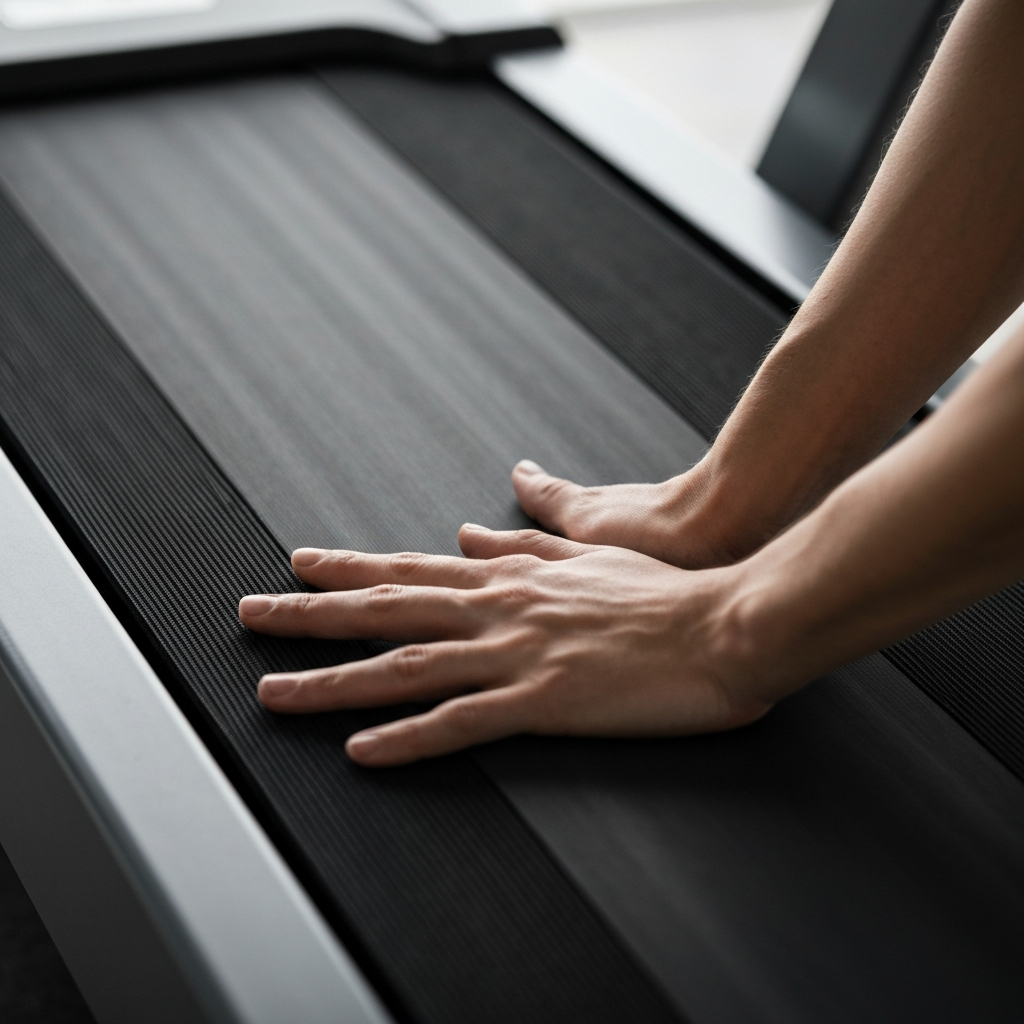
Test all the equipment's functions. Turn it on, adjust the settings, and listen for unusual noises or vibrations. On treadmills, test the speed and incline functions. On weight machines, check the resistance and cable movement. If possible, perform a short workout to assess the equipment's performance under load. Don't hesitate to ask the seller questions about the equipment's history, maintenance, and any known issues. Trust your instincts; if something seems off, it's best to walk away.
Step 5: Negotiate the Price and Finalize the Purchase
Once you’re satisfied with the equipment's condition, it’s time to negotiate the price. Research comparable listings to get an idea of the fair market value. Point out any flaws or necessary repairs to justify a lower price. Be prepared to walk away if the seller is unwilling to negotiate reasonably.
Before finalizing the purchase, clarify the terms of sale, including payment methods, delivery arrangements, and any warranties or guarantees. Obtain a written receipt that includes the seller's contact information, a description of the equipment, and the agreed-upon price. For online transactions, use secure payment methods and avoid sending money through untraceable channels. Arrange for transportation and, if necessary, disassembly and reassembly of the equipment. With careful planning and execution, you can secure a great deal on quality used fitness equipment and elevate your home workout experience.

Tools or Materials Required
- Measuring tape
- Flashlight
- Cleaning wipes
- Screwdriver (various sizes)
- Wrench set
- Multimeter (for electrical equipment)
Common Mistakes to Avoid
- Skipping the inspection
- Ignoring warning signs
- Overpaying for equipment
- Neglecting transportation logistics
- Failing to negotiate
Safety Considerations
- Inspect electrical cords for damage.
- Ensure all safety features are functional.
- Consult a professional for repairs.
- Use proper lifting techniques when moving equipment.
- Supervise children around fitness equipment.
Pro Tips
- Consider purchasing used equipment from reputable fitness equipment retailers for added peace of mind.
- Look for equipment that has been well-maintained and lightly used.
- Factor in the cost of potential repairs or maintenance when negotiating the price.
- Read online forums and communities dedicated to fitness equipment for valuable insights and advice.
FAQ Section
Q: Is it safe to buy used treadmills?
A: Yes, as long as you thoroughly inspect the treadmill for any signs of wear and tear or electrical problems. Test all functions, including speed, incline, and safety features.
Q: How can I clean used fitness equipment?
A: Use a mild soap and water solution to clean the equipment's surfaces. Avoid harsh chemicals or abrasive cleaners that can damage the finish. Disinfect frequently touched areas.
Q: What should I do if the used equipment breaks down?
A: If the equipment is still under warranty, contact the manufacturer for repairs. Otherwise, consult a qualified technician. DIY repairs can be dangerous.
Conclusion
Buying used fitness equipment can be a smart and cost-effective way to build your home gym. By following these expert guidelines, you'll be well-equipped to navigate the used market, find quality equipment, and achieve your fitness goals without breaking the bank. Remember to research, inspect, negotiate, and prioritize safety. With careful planning and execution, you can create a functional and affordable home gym that will support your fitness journey for years to come.