Choosing the right snowmobile helmet is a critical decision that can significantly impact your safety and enjoyment on the trails. More than just an accessory, a quality helmet is your first line of defense against potential head injuries, extreme weather, and other hazards. The risks of snowmobiling, from high-speed impacts to unexpected obstacles, necessitate a helmet designed specifically for this activity.
This guide will walk you through the essential steps to selecting a snowmobile helmet that offers optimal protection, comfort, and performance. We'll cover safety certifications, fit considerations, visibility enhancements, and other vital factors that will help you make an informed choice. Remember, investing in a good helmet is investing in your well-being.
Whether you're a seasoned snowmobiler or a beginner eager to explore the winter landscapes, understanding the nuances of helmet selection is crucial. Let's delve into the world of snowmobile helmets and ensure you're equipped with the best possible gear for your adventures.
Step 1: Understand Safety Standards and Certifications
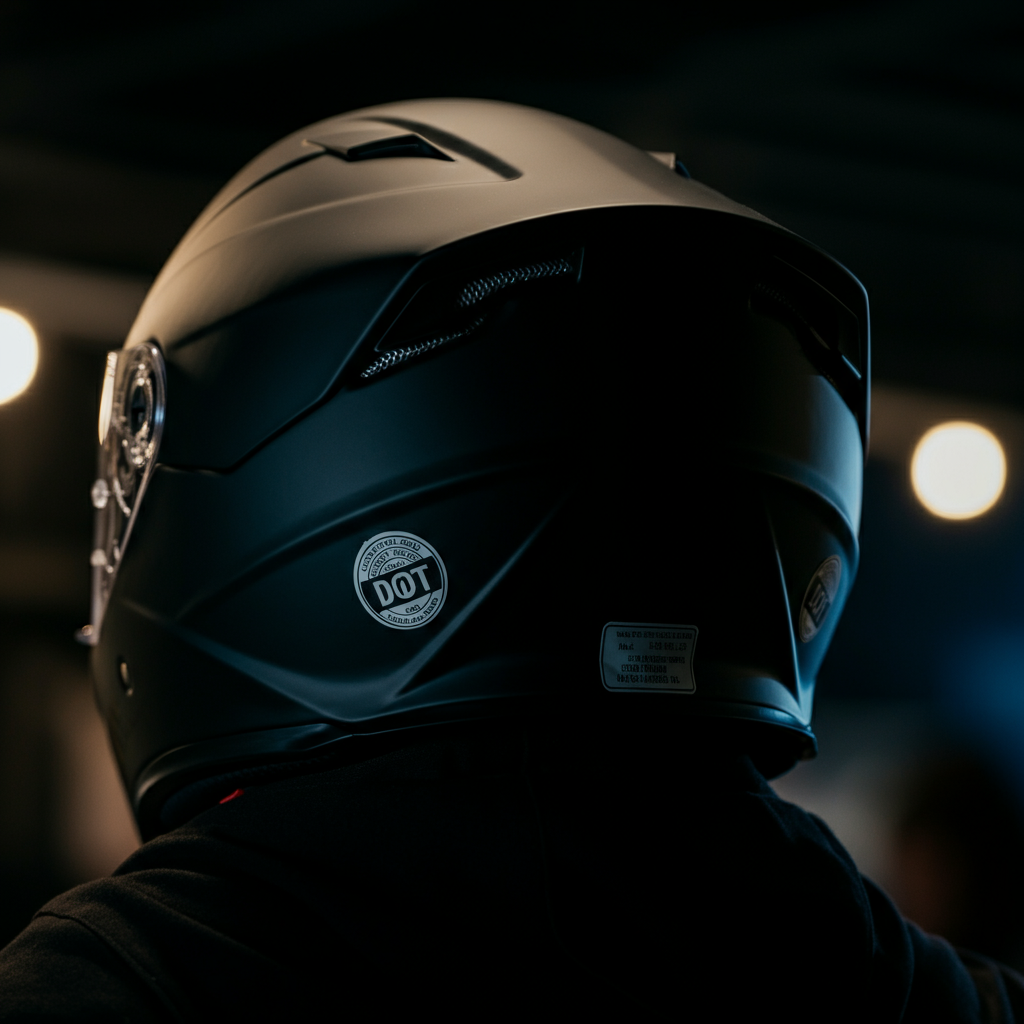
Safety should be your paramount concern when selecting a snowmobile helmet. Look for helmets that meet or exceed established safety standards. In the United States, the Department of Transportation (DOT) certification is the minimum requirement. However, the Snell Memorial Foundation standard offers a more rigorous testing process and provides an extra layer of protection. Ensure the helmet you choose displays a DOT or Snell sticker on the back. Don't rely solely on the sticker; research the manufacturer and model to verify its safety credentials. A helmet's safety rating is only valid if the helmet is in good condition, properly fitted, and hasn't sustained any impacts.
Step 2: Determine the Correct Fit
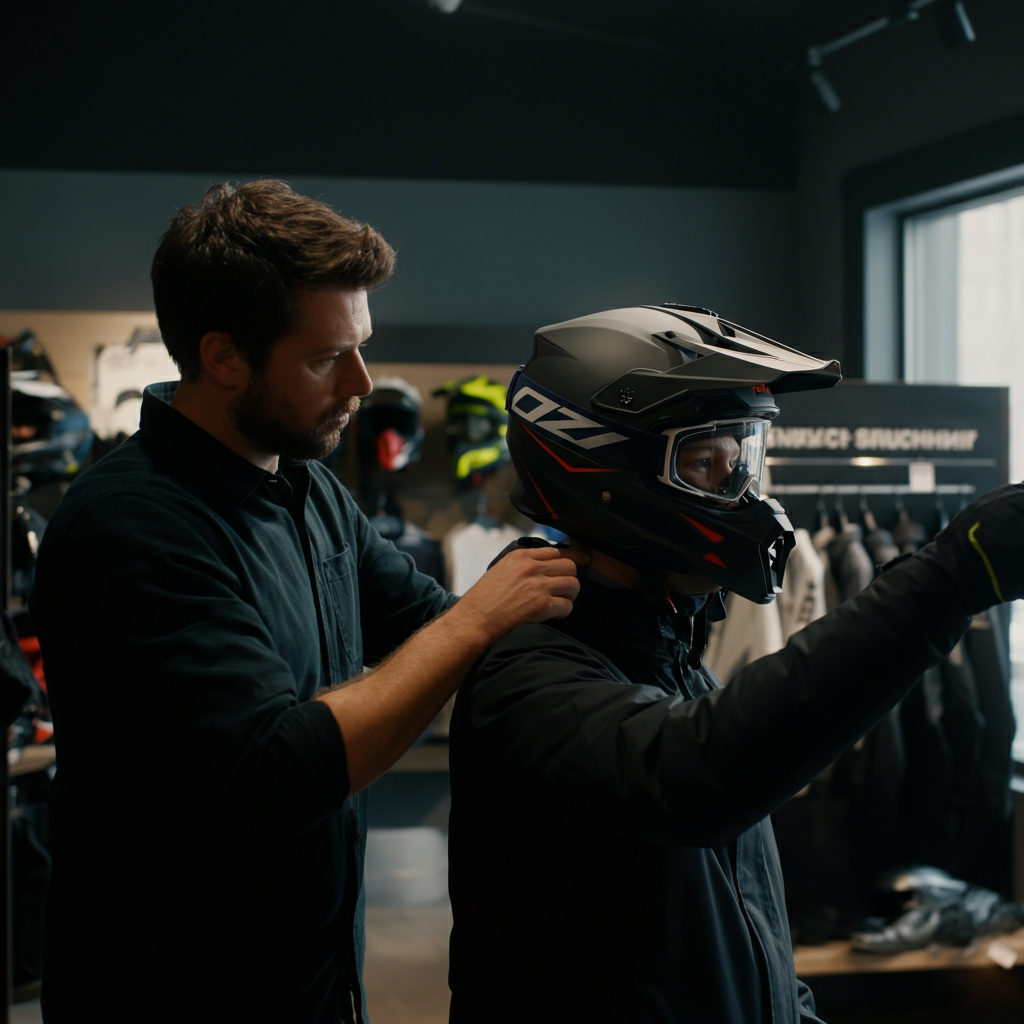
A properly fitted helmet is crucial for effective protection. To determine your size, measure the circumference of your head approximately one inch above your eyebrows using a flexible measuring tape. Compare this measurement to the manufacturer's sizing chart. Keep in mind that sizing can vary slightly between brands and models. When trying on a helmet, it should feel snug but not overly tight. It should not move freely on your head when you shake your head from side to side or up and down. If you can easily insert more than one finger between the helmet and your head, it's likely too large. Conversely, if you experience pressure points or discomfort, the helmet is too small.
Step 3: Choose a Helmet Style That Suits Your Riding Style
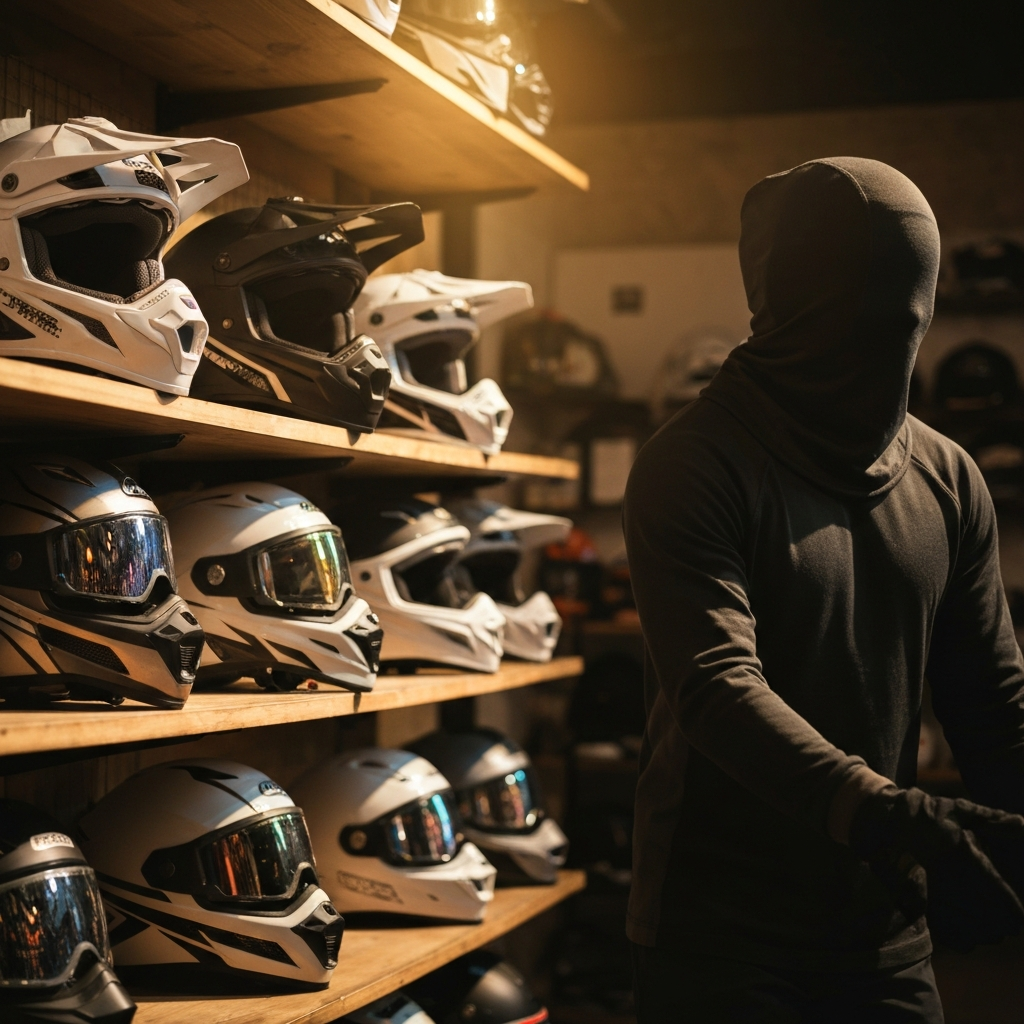
Snowmobile helmets come in several styles, each offering different levels of protection and features. Full-face helmets provide the most comprehensive coverage, protecting the entire head and face. Modular helmets offer the convenience of flipping up the face shield and chin bar, making them suitable for short stops or conversations. Open-face helmets, while offering less protection, provide greater ventilation and visibility. Consider your typical riding conditions and preferences when selecting a style. For example, if you frequently ride in extremely cold weather, a full-face helmet is likely the best option. If you value convenience and versatility, a modular helmet might be a better choice. Don't sacrifice safety for style; prioritize the style that offers the best protection for your riding habits.
Step 4: Assess Visibility Features
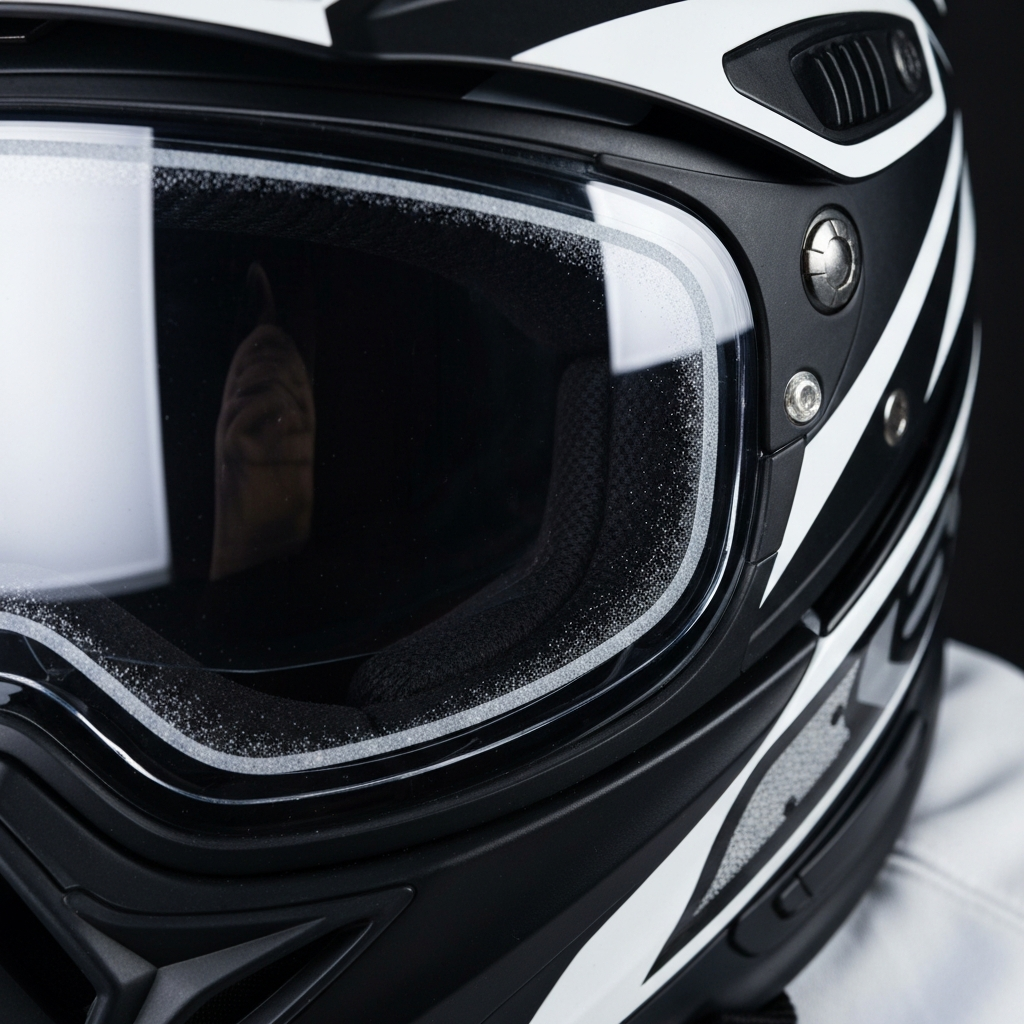
Clear visibility is essential for safe snowmobiling. Look for helmets with a wide field of view and anti-fog coatings. Fogging can severely impair your vision, especially in cold and humid conditions. Some helmets come with dual-pane visors, which offer superior fog resistance. Consider a helmet with a heated visor for extreme cold weather riding. Also, ensure the visor is scratch-resistant to maintain clear vision over time. A tinted visor or integrated sun shield can reduce glare on sunny days, while a clear visor is best for nighttime riding. Always carry a spare visor in case of damage or changing weather conditions.
Step 5: Evaluate Ventilation and Comfort
Proper ventilation is important for comfort and to prevent fogging. Look for helmets with adjustable vents that allow you to regulate airflow based on weather conditions. Good ventilation helps to keep you cool in warmer weather and prevents moisture buildup inside the helmet. A helmet with a removable and washable liner is essential for maintaining hygiene. Over time, sweat and dirt can accumulate inside the liner, leading to discomfort and odors. Check the thickness and quality of the padding; thicker padding generally provides better comfort and impact absorption. Pay attention to the chin strap; it should be comfortable and secure.

Step 6: Consider Extra Features and Accessories
Some snowmobile helmets come with additional features that can enhance your riding experience. Built-in communication systems allow you to stay connected with other riders or listen to music. Heated shields can prevent fogging in extremely cold conditions. Breath boxes or deflectors can help to redirect your breath away from the visor, reducing fogging. Evaluate these features based on your individual needs and preferences. While extra features can be appealing, don't let them overshadow the fundamental aspects of safety and fit. Ensure that any accessories you add do not compromise the helmet's safety performance.

Common Mistakes to Avoid
- Buying a used helmet: Used helmets may have sustained damage that is not visible, compromising their protective capabilities.
- Choosing a helmet based solely on price: Prioritize safety over cost; a cheaper helmet may not offer adequate protection.
- Neglecting to try on the helmet before buying: A proper fit is essential for effective protection.
- Failing to replace the helmet after an impact: Even if there is no visible damage, the helmet's structure may be compromised.
Safety Considerations
Always inspect your helmet before each ride for any signs of damage. Ensure the chin strap is properly fastened and adjusted. Never modify the helmet in any way, as this can compromise its safety performance. Replace your helmet every 3-5 years, even if it hasn't been involved in an accident. The materials in the helmet degrade over time, reducing its ability to absorb impact energy. Store your helmet in a cool, dry place away from direct sunlight. Avoid exposing your helmet to harsh chemicals or solvents.
Conclusion
Selecting the right snowmobile helmet is a crucial step in ensuring your safety and enjoyment on the trails. By understanding safety standards, prioritizing a proper fit, and considering your riding style and needs, you can make an informed decision that will protect you from potential hazards. Remember to regularly inspect and maintain your helmet, and replace it when necessary. Investing in a quality snowmobile helmet is an investment in your well-being, allowing you to ride with confidence and peace of mind.