Have you ever wondered why your dog wags its tail furiously when you scratch behind its ears, or why your cat starts purring the moment you stroke its back? It's a simple question with a surprisingly complex and fascinating answer. Petting animals isn't just a pleasant experience for us; it's often deeply rewarding for them too. But what's the science behind this interspecies affection? This guide delves into the reasons why animals enjoy being pet, exploring the neurological and behavioral underpinnings that make these interactions so special.
Understanding why animals like being pet allows us to interact with them in a more meaningful and respectful way. It's not just about providing physical pleasure; it's about building trust, strengthening bonds, and enhancing their overall well-being. By learning the nuances of animal communication and body language, we can become better companions and create positive, enriching experiences for our beloved creatures. This knowledge is invaluable for pet owners and anyone interested in animal behavior.
This guide will take you through the scientific explanations, practical considerations, and essential tips for petting animals in a way that maximizes their enjoyment and strengthens your relationship. Get ready to deepen your understanding of the fascinating world of animal affection!
Step 1: The Pleasurable Sensation of Gentle Touch
The Activation of Special Nerve Cells
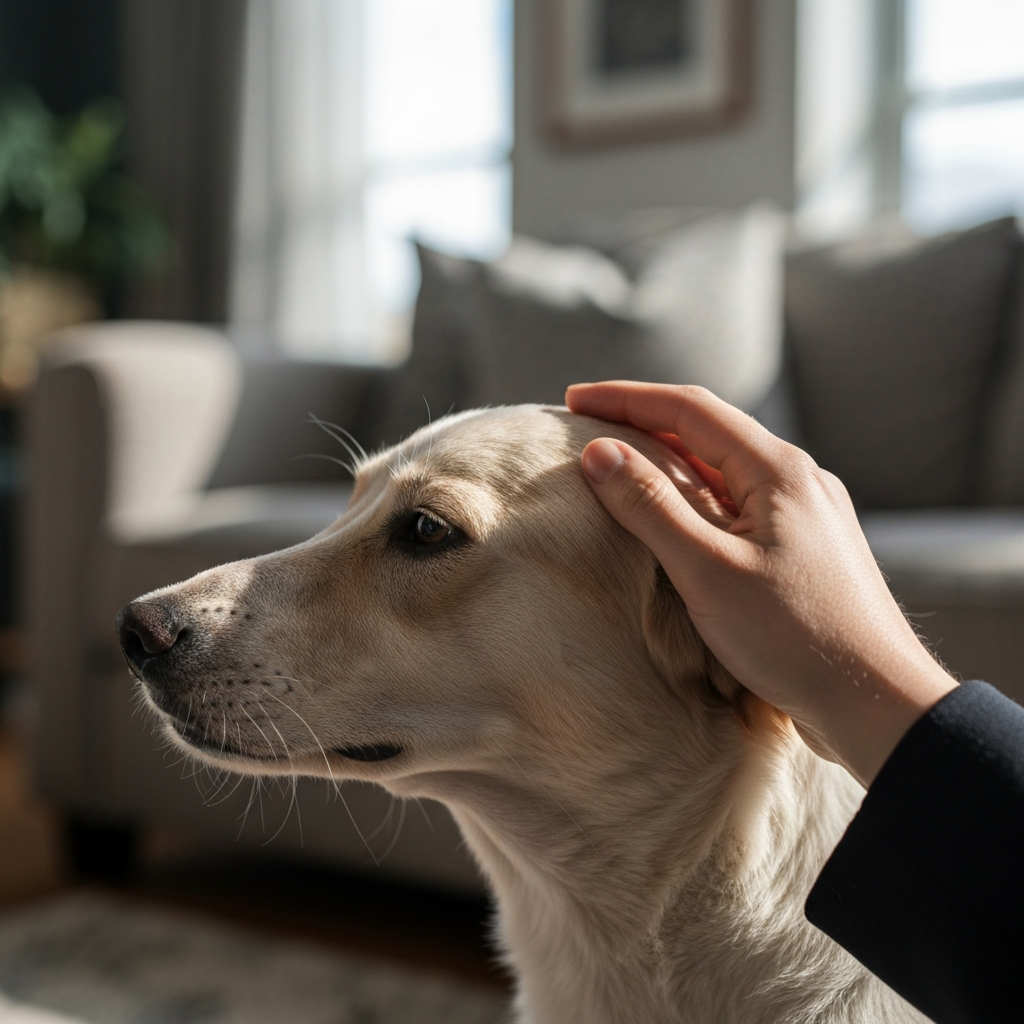
One of the primary reasons animals enjoy being pet is due to the activation of specialized nerve cells, called low-threshold mechanoreceptors, located in their skin. These neurons are specifically designed to respond to gentle, stroking touches. When you gently stroke your pet, these cells are stimulated, sending signals to the brain that are interpreted as pleasurable sensations. This is similar to the feeling humans experience when receiving a soothing massage.
It's important to remember that the type and intensity of touch matter. A gentle, consistent stroke is far more likely to elicit a positive response than a rough or abrupt touch. The location of the touch also plays a significant role. Areas like the head, neck, and back are often preferred, while sensitive areas like the paws or tail might be less enjoyable for some animals. Pay close attention to your pet's body language to gauge their comfort level and adjust your touch accordingly.
Step 2: Comfort and Relaxation Through Grooming Imitation
The Endorphin Release Connection
Petting can be remarkably comforting and relaxing for animals because it mimics the sensation of grooming. Grooming is a vital social behavior in many species, involving animals picking at and stroking each other's fur. This behavior releases endorphins, natural mood boosters that promote relaxation and reduce stress. When you pet your animal, you're essentially triggering the same physiological response, providing them with a sense of security and well-being.
Think of it like this: grooming is a way for animals to bond and show affection. By petting your animal, you're participating in a similar ritual, communicating your care and strengthening your connection. Be observant of how animals groom each other. Mimicking these actions with soft, slow strokes can be very effective. For example, a gentle scratching motion along the back, similar to how a mother cat grooms her kittens, can be incredibly soothing.

Step 3: Stress Reduction and the "Love Hormone"
The Role of Oxytocin
Beyond the immediate pleasure of touch, petting also triggers the release of oxytocin, often referred to as the "love hormone." This hormone is associated with feelings of warmth, trust, and bonding. When you pet your animal, their brain releases oxytocin, which helps to reduce stress and anxiety. This is why spending time petting your furry friend can be so therapeutic for both of you.
The release of oxytocin isn't a one-way street; it benefits both the pet and the owner. Studies have shown that simply interacting with animals, including petting, can lower blood pressure and reduce cortisol levels (a stress hormone) in humans. This mutual release of oxytocin strengthens the bond between you and your pet, creating a positive feedback loop that enhances your well-being.

Step 4: Building Bonds Through Physical Connection
The Importance of Familiar Scents
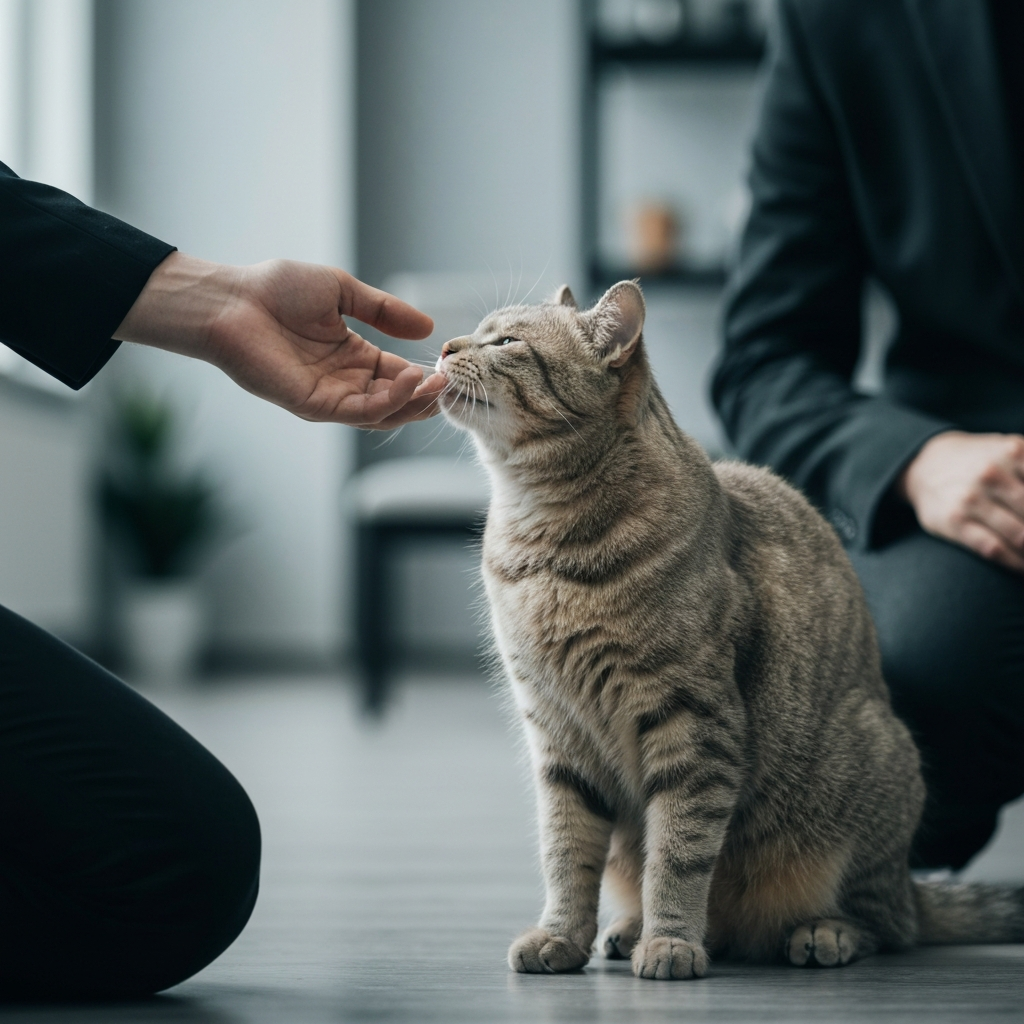
Petting is a powerful way to build and strengthen the bond between you and your animal. Even brief pats and strokes can contribute to a sense of connection and belonging. For some animals, particularly cats, being pet also serves a communicative purpose, signaling to other animals that you are "theirs." This territorial aspect is especially evident in cats, who often rub against their owners to deposit their scent.
When a cat rubs against you, they're actually transferring pheromones from their facial glands onto your skin and clothing. This is a form of scent marking, communicating their ownership and creating a shared scent profile. This scent exchange reinforces the bond and creates a sense of familiarity and security. It’s a subtle but significant way that petting strengthens the relationship between cat and owner.
Step 5: Adapting to Species-Specific Preferences
Understanding Individual Differences
While the underlying principles of why animals like being pet are generally consistent across species, the specific preferences and techniques vary considerably. What a dog finds enjoyable might be entirely different from what a cat, rabbit, or bird appreciates. It's crucial to understand the species-specific nuances of petting to ensure you're providing a positive experience.
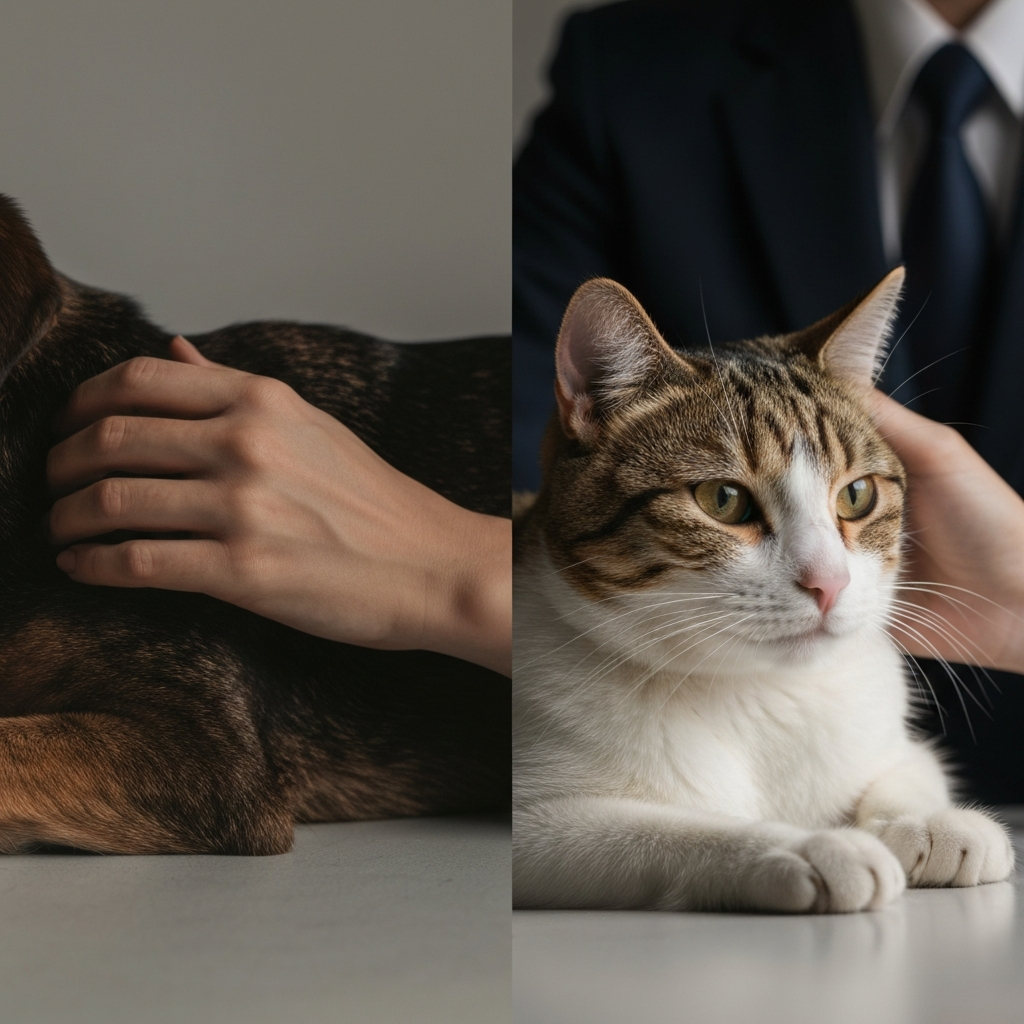
For example, dogs often enjoy being pet on their chest, neck, and shoulders, while cats typically prefer strokes on their head, chin, and neck. Rabbits often enjoy gentle rubs on their head and cheeks, while birds usually appreciate being stroked on the head. Always approach an animal slowly and respectfully, and pay close attention to their body language to gauge their comfort level. If they move away, tense up, or show any signs of distress, stop petting them immediately.
How to Pet Different Animals: A Quick Guide
- Dogs: Chest, neck, shoulders, behind the ears.
- Cats: Head, chin, neck, cheeks, back (stopping at the tail).
- Rabbits: Forehead, cheeks, behind the ears.
- Birds: Head (gentle strokes only).
Safety Considerations
While petting is generally a safe and enjoyable activity, there are some safety considerations to keep in mind, especially when interacting with unfamiliar animals. Always approach an animal slowly and cautiously, and never force interaction. Pay attention to their body language and respect their boundaries. If an animal displays any signs of aggression or fear, back away immediately.
Never attempt to pet a wild animal. Wild animals are not accustomed to human touch and may perceive it as a threat, leading to defensive behavior. Even seemingly friendly wild animals can be unpredictable and potentially dangerous. In addition, some domestic animals might have health conditions that make them sensitive to touch in certain areas. If you are unsure, consult with a veterinarian or animal behaviorist.
Common Mistakes to Avoid
Even with good intentions, it's easy to make mistakes when petting animals. One common mistake is being too rough or forceful with your touch. Another is ignoring the animal's body language and continuing to pet them even when they're showing signs of discomfort. Also, avoid petting sensitive areas like the belly (especially in cats) or the tail unless you know the animal enjoys it.
Another mistake is assuming that all animals of the same species have the same preferences. Just like humans, individual animals have their own unique personalities and preferences. Some dogs might love belly rubs, while others might find them irritating. Pay attention to your individual animal's cues and adjust your petting accordingly.
Pro Tips
- Observe: Watch how animals interact with each other to learn about grooming behavior.
- Listen: Pay attention to vocalizations like purring or soft sighs.
- Feel: Note the animal's muscle tension – relaxed muscles indicate enjoyment.
- Patience: Build trust over time; don't rush the petting process.
- Respect: Always respect an animal's boundaries and personal space.
FAQ Section
Q: Do all animals like being pet?
A: While most domesticated animals enjoy being pet, individual preferences vary. Wild animals should never be pet.
Q: Where is the best place to pet a cat?
A: Most cats enjoy being pet on their head, chin, and neck. Avoid the belly unless you know they like it.
Q: How can I tell if my dog likes being pet?
A: Signs of enjoyment include a relaxed body posture, tail wagging, leaning into your hand, and seeking more attention when you stop.
Q: Is it okay to pet a sleeping animal?
A: It's generally best to avoid petting a sleeping animal, as it can startle them and damage trust.
Conclusion
Understanding why animals like being pet goes beyond simple affection; it delves into the fascinating world of animal behavior, neurology, and communication. By learning the science behind the snuggles, you can become a better pet owner, strengthen your bond with your animal, and enhance their overall well-being. Remember to be patient, observant, and respectful of individual preferences, and always prioritize the animal's comfort and safety. With a little knowledge and care, you can create a positive and enriching experience for both you and your furry, feathered, or scaled friend.