The "Name That Dinosaur" quiz is a fun and engaging way to test your knowledge of prehistoric creatures. Whether you're a casual enthusiast or an aspiring paleontologist, this guide will equip you with the strategies and information needed to excel. This isn't just about memorizing names; it's about understanding the characteristics and classifications that define these incredible animals.
From identifying the iconic Tyrannosaurus Rex to distinguishing between various long-necked sauropods like Brachiosaurus and Apatosaurus, the quiz challenges your ability to recognize dinosaurs based on visual cues. By mastering the tips and tricks outlined below, you'll be well on your way to achieving a top score and impressing your friends with your dino-expertise.
This guide provides a step-by-step approach to tackling the "Name That Dinosaur" quiz. We'll cover essential identification techniques, highlight common pitfalls, and offer valuable insights to boost your overall performance. Get ready to unleash your inner paleontologist!
Step 1: Familiarize Yourself with Key Dinosaur Families and Features
Before diving into the quiz, it's crucial to have a solid understanding of the major dinosaur families and their defining characteristics. For example, Sauropods are known for their long necks and quadrupedal stance, while Theropods are typically bipedal carnivores. Knowing these broad classifications allows you to narrow down the possibilities when faced with an unfamiliar dinosaur. Pay attention to physical traits like the presence of plates (Stegosaurus), horns (Triceratops), or unique crests (Parasaurolophus). Understanding these features makes identification much faster.
Step 2: Study Visual Cues and Distinguishing Traits
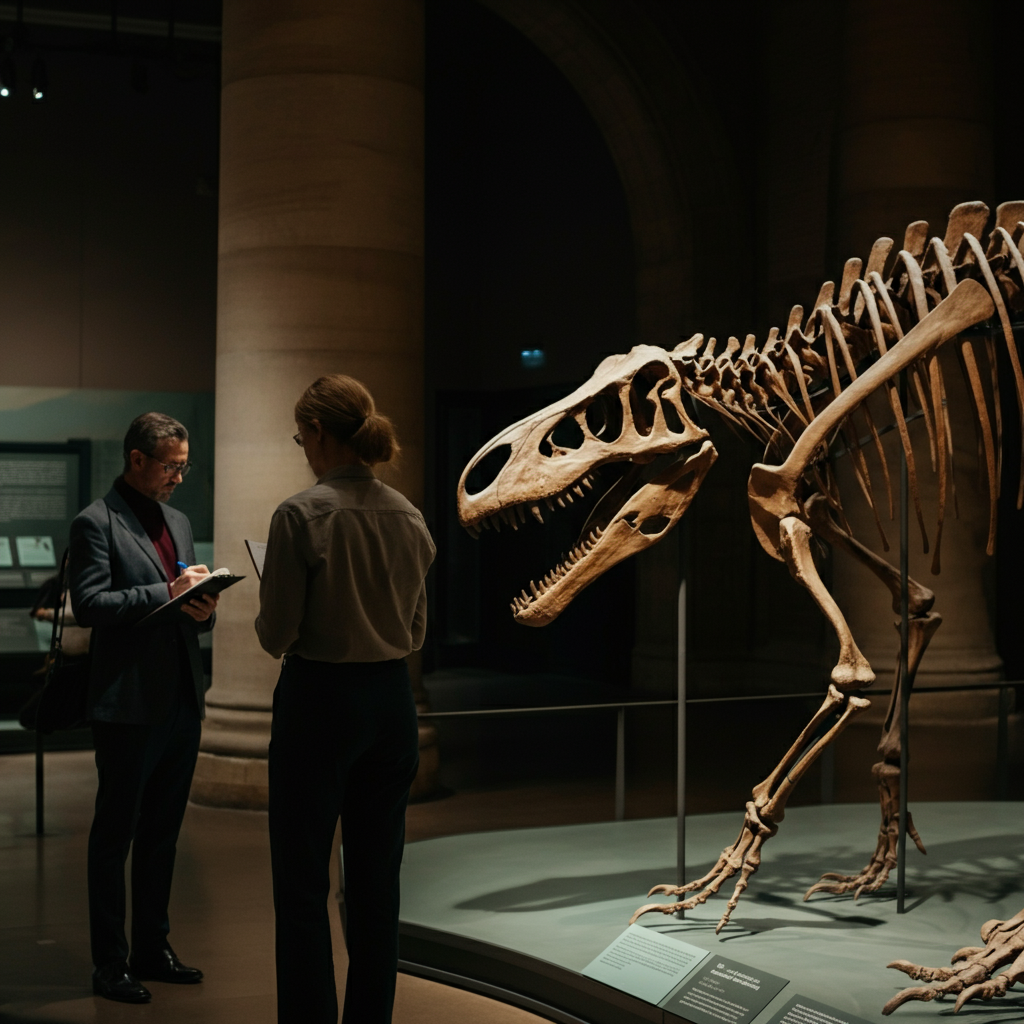
The "Name That Dinosaur" quiz relies heavily on visual identification. Therefore, it's essential to train your eye to recognize subtle differences between species. Focus on features such as body shape, limb structure, head ornamentation, and skin texture (if visible in the image). For instance, the Spinosaurus is easily recognizable by the large sail-like structure on its back, while the Ankylosaurus is known for its heavily armored body and club-like tail. Memorize these unique traits to quickly identify each dinosaur and avoid confusion between similar-looking species.
Step 3: Utilize the Process of Elimination
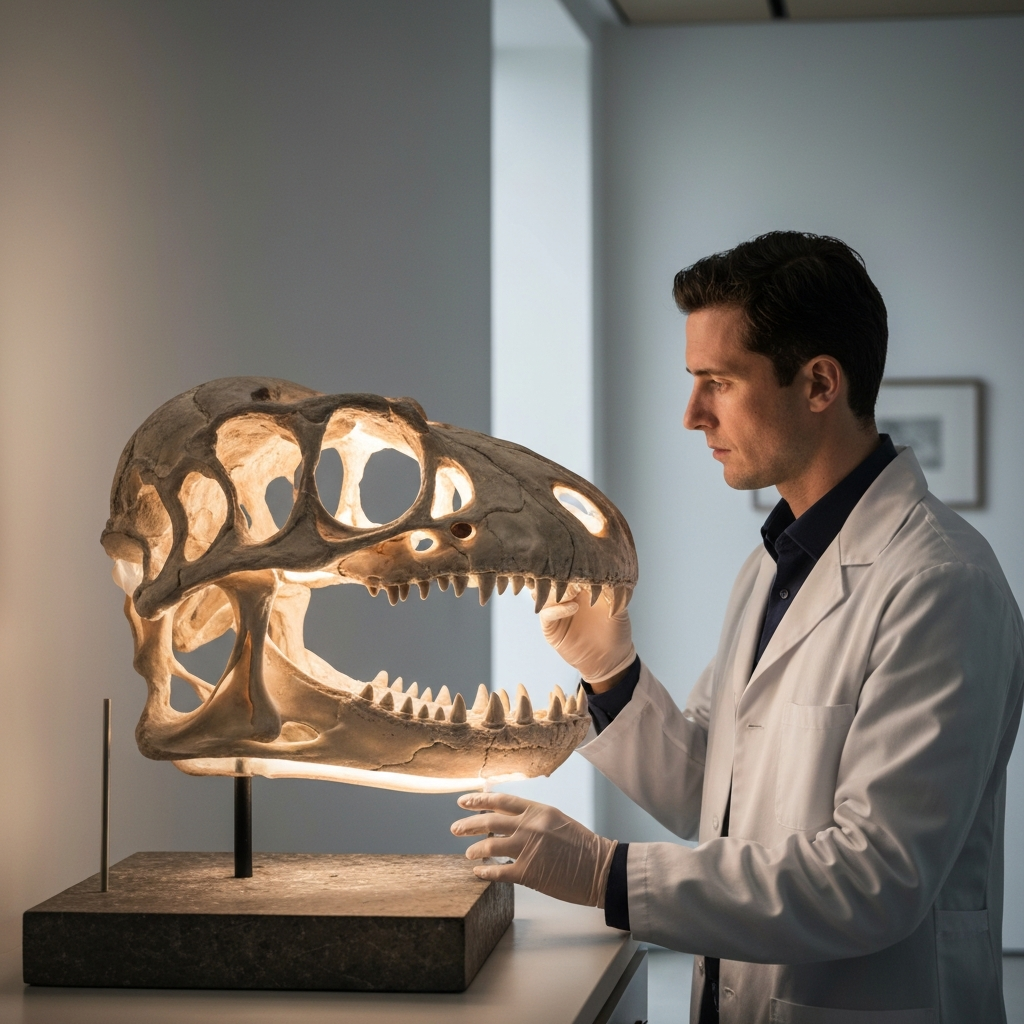
When faced with multiple-choice options, employ the process of elimination to increase your chances of selecting the correct answer. If you can confidently rule out one or two options based on your knowledge of dinosaur characteristics, you'll significantly improve your odds. For example, if the image shows a dinosaur with a long neck and quadrupedal stance, you can immediately eliminate any theropod (bipedal carnivore) options. Carefully consider each option and compare it to the visual cues in the image to narrow down the possibilities.

Step 4: Pay Attention to Size and Proportions
While the quiz primarily focuses on visual identification, size and proportion can sometimes provide valuable clues. Consider the overall size of the dinosaur in relation to its limbs and other body parts. For example, the Tyrannosaurus Rex is known for its disproportionately small arms compared to its massive body. Similarly, the Brachiosaurus had a particularly long neck, even among other sauropods. Observing these proportions can help you differentiate between closely related species.

Step 5: Practice Regularly and Review Mistakes
The key to mastering any quiz is consistent practice. Take the "Name That Dinosaur" quiz multiple times to reinforce your knowledge and identify areas where you need improvement. After each attempt, carefully review the questions you answered incorrectly and research the correct answers. Pay attention to the specific characteristics that differentiate the dinosaurs you struggled to identify and make a conscious effort to memorize them. This iterative process of learning and reinforcement will gradually improve your performance over time.

Common Mistakes to Avoid
A common mistake is confusing similar-looking dinosaurs, such as Allosaurus and Tyrannosaurus Rex. While both are large theropods, the T-Rex has significantly smaller arms and a more robust build. Another frequent error is misidentifying sauropods like Apatosaurus, Brachiosaurus, and Barosaurus, all of which have long necks. Focus on subtle differences in neck length, body proportions, and head shape to distinguish between these species. Be careful with Pterodactyl vs Pteranodon (Pterodactyl is correct in the quiz).
Pro Tips
- Use Flashcards: Create flashcards with images of different dinosaurs and their names to aid memorization.
- Watch Documentaries: Enhance your visual recognition skills by watching dinosaur documentaries that showcase various species.
- Visit Museums: Explore dinosaur exhibits at natural history museums to observe real skeletons and fossils.
- Share with Friends: Compete with friends and share your results for added motivation and a fun learning experience.
FAQ Section
- Q: What if I don't know a dinosaur's name?
- A: Use the process of elimination to narrow down the possibilities. Consider the dinosaur's physical characteristics and compare them to known species.
- Q: Are all dinosaurs included in the quiz carnivores?
- A: No, the quiz includes both carnivorous and herbivorous dinosaurs. Be sure to consider the dinosaur's teeth and overall build to determine its diet.
- Q: Where can I find more information about dinosaurs?
- A: Many resources are available online and in libraries, including websites like the American Museum of Natural History and encyclopedias like Britannica.
Conclusion
By following the tips and strategies outlined in this guide, you'll be well-equipped to conquer the "Name That Dinosaur" quiz and impress others with your paleontology prowess. Remember, the key to success is consistent practice, careful observation, and a genuine passion for learning about these incredible creatures. So, embrace your inner dinosaur enthusiast, and get ready to ace that quiz!