Considering bringing a new furry, scaled, or feathered friend into your life? The "What Pet Should I Get?" quiz can be a fun and insightful starting point. These quizzes aim to match your lifestyle, personality, and living situation with the ideal pet companion. However, it's crucial to understand how these quizzes work and how to interpret the results effectively. This guide will provide you with expert insights on how to approach these quizzes, evaluate your own needs, and make the best decision for both you and your future pet.
Many people impulsively take a pet quiz without giving much thought to the serious commitment of pet ownership. This guide will help you critically analyze the quiz questions, understand the underlying factors that influence the recommendations, and go beyond the quiz results to ensure a good match. We'll explore common pitfalls, provide alternative considerations, and equip you with the knowledge to make a responsible and informed choice.
Ultimately, finding the right pet is about more than just a fun quiz. It's about building a lasting, loving relationship with an animal that complements your life. Let's dive in and learn how to use these quizzes as a valuable tool in your pet-seeking journey.
Step 1: Understanding the Quiz's Foundation
Before you even click "Start Quiz," take a moment to consider what the quiz is trying to assess. Most "What Pet Should I Get?" quizzes are designed to gauge your available time, living space, patience levels, and desired interaction with a pet. The answers you provide are then matched against pre-defined profiles for different animal types. The goal is to identify a pet whose needs align with your capacity to provide care and attention.

Step 2: Analyzing the Questions
Pay close attention to the wording of each question. Many questions, such as "How many hours are you willing to dedicate to your pet per week?", are designed to quantify your commitment. Be realistic and honest with yourself. It's easy to overestimate your free time or underestimate the effort involved in pet care. Other questions, like "What does your house look like right now?", aim to assess the suitability of your living environment for different animals. Consider not just the size of your house, but also factors like safety, cleanliness, and potential hazards for a pet.

Step 3: Evaluating Your Own Lifestyle and Preferences
The quiz results are only as good as the information you provide. Before taking the quiz, take some time to honestly evaluate your lifestyle and preferences. Are you a homebody or an adventurer? Do you prefer quiet companionship or active play? Are you comfortable with pet hair, dander, and potential messes? Consider any allergies within your household and the financial implications of pet ownership, including food, vet care, and supplies. Think about your long-term plans, such as potential moves or changes in your work schedule, and how these might affect your ability to care for a pet.

Step 4: Interpreting the Quiz Results
Once you've completed the quiz, carefully review the results. Don't blindly accept the recommendation as the absolute truth. Instead, use it as a starting point for further research. If the quiz suggests a dog, for example, consider what breed might be a good fit based on your activity level and living space. Research the specific needs of the recommended pet, including dietary requirements, exercise needs, grooming requirements, and potential health issues. Remember that every animal is an individual, and even within a breed, personalities can vary widely.

Step 5: Going Beyond the Quiz: Real-World Considerations
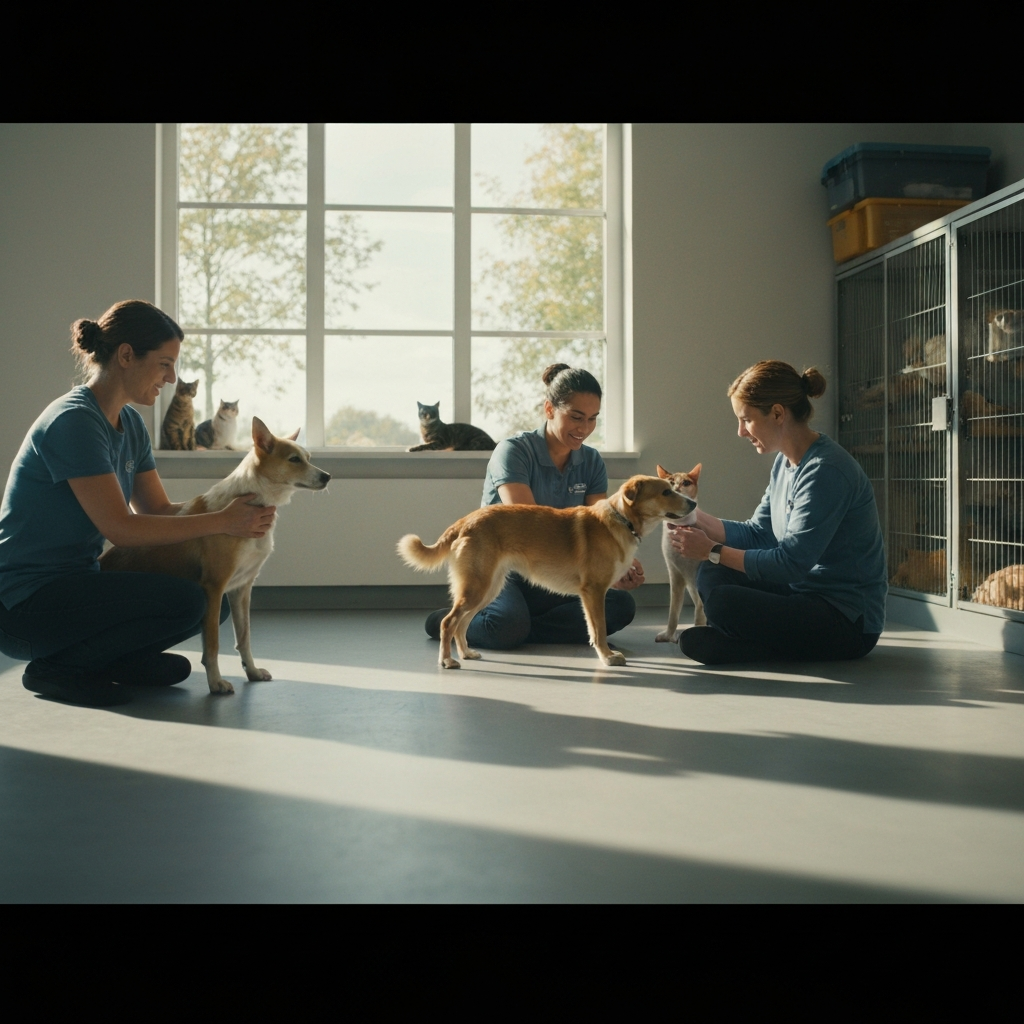
The quiz results should be supplemented with real-world research and interaction. Visit local animal shelters or rescue organizations to meet different animals in person. Talk to pet owners and veterinarians about the realities of pet ownership. Consider fostering a pet to get a better sense of what it's like to live with that animal before making a long-term commitment. Be prepared to adapt your lifestyle to meet the needs of your pet, and remember that pet ownership is a responsibility that should be taken seriously.
Common Mistakes to Avoid
- Ignoring allergies: Always confirm no one in the household is allergic to the suggested pet type.
- Underestimating costs: Pet ownership involves significant financial responsibility.
- Failing to research: Don't rely solely on the quiz; research the specific needs of the animal.
- Impulsive decisions: Take your time and consider all factors before bringing a pet home.
- Ignoring local regulations: Be aware of any local ordinances regarding pet ownership.
Safety Considerations
- Ensure your home is safe for your chosen pet. Remove potential hazards like toxic plants or loose electrical cords.
- Always supervise interactions between children and pets, especially with smaller animals.
- Learn about potential health issues specific to the pet you are considering, and take preventative measures.
- Provide adequate space and enrichment to prevent stress and behavioral problems.
FAQ Section
Q: What if the quiz suggests a pet I don't like?
A: The quiz is just a suggestion. Consider why it made that recommendation and see if those factors can be applied to a different type of pet.
Q: How accurate are these quizzes?
A: Accuracy varies depending on the quiz's design and your honesty in answering. They are best used as a starting point, not a definitive answer.
Q: Can I take the quiz multiple times?
A: Yes, but try to be consistent in your answers. Experimenting with different answers can highlight how different factors influence the results.
Conclusion
The "What Pet Should I Get?" quiz can be a fun and engaging tool for exploring pet ownership. However, it's essential to approach these quizzes with a critical eye, honest self-reflection, and a commitment to thorough research. Remember that responsible pet ownership is a significant commitment that requires time, effort, and financial resources. By following these expert tips, you can use these quizzes as a valuable step towards finding the perfect companion and building a long and fulfilling relationship with your new pet.