Quitting smoking is one of the best decisions you can make for your health. The positive effects begin almost immediately, impacting your heart rate, blood pressure, and overall well-being. However, transitioning to vaping as a smoking cessation tool introduces a new set of considerations. While often perceived as a less harmful alternative, understanding the nuances of this switch is crucial for making informed choices about your health.
This guide will walk you through the physiological and psychological changes you can expect when you quit smoking and start vaping. We'll explore the immediate and long-term benefits of abstaining from traditional cigarettes, while also examining the potential risks and side effects associated with vaping. Our goal is to provide you with the knowledge you need to navigate this transition effectively, maximizing the benefits while minimizing potential harm. Remember, the ultimate goal should always be complete nicotine cessation.
It is important to consult with your healthcare provider before making significant changes to your smoking or vaping habits. This guide is intended for informational purposes only and should not be considered medical advice.
1. Immediate Effects: The First Few Hours and Days
The initial hours after quitting smoking bring rapid improvements. Within 20 minutes, your heart rate and blood pressure begin to normalize. Over the next 2-3 hours, circulation improves, and the risk of heart attack starts to decrease. However, this is also when nicotine withdrawal symptoms begin to emerge, potentially including cravings, irritability, and difficulty concentrating. Switching to vaping may alleviate these immediate withdrawal symptoms by providing a nicotine source, but it's essential to choose a nicotine strength that helps you gradually reduce your dependence. Be mindful of increased heart rate that might occur from vaping.

2. Short-Term Benefits and Challenges: Days to Weeks
Over the next few days, carbon monoxide levels in your body decrease, and your sense of taste and smell start to return. You may experience intense cravings around the 2-3 day mark as nicotine is completely eliminated from your bloodstream. Vaping can help manage these cravings, but it's crucial to be aware of the potential for increased nicotine dependence. Choose vape juices that mimic the flavors you enjoyed while smoking to help curb cravings, but avoid overly sweet or artificial flavors that may increase your enjoyment of vaping itself, hindering your long-term quitting goals. Also, coughing or throat irritation might occur while adjusting to vaping.

3. Medium-Term Improvements: Months 1-9
Within the first month, lung function begins to improve, and you may notice increased stamina and decreased shortness of breath. Cilia, the microscopic hairs lining your lungs, start to function more effectively, clearing out debris and mucus. While vaping is generally considered less harmful than smoking for lung health, it is still crucial to monitor your respiratory symptoms. Some e-liquids contain chemicals that may cause lung irritation or damage. Consider using nicotine-free e-liquids periodically to give your lungs a break and assess any improvements in your breathing. At the 9-month mark, you should experience significant improvements in stamina and reduced coughing.

4. Long-Term Gains and Continued Vigilance: One Year and Beyond
After one year of quitting smoking, your risk of coronary heart disease is reduced by approximately 50%. Your chances of relapsing back to smoking decrease significantly. Ten years out, your risk of lung, bladder, and cervical cancer are halved. However, if you've continued vaping, it's essential to focus on complete nicotine cessation. Long-term vaping may lead to increased addiction, potential cognitive effects, and continued exposure to potentially harmful chemicals. Work with your doctor or a smoking cessation specialist to develop a plan to gradually reduce and eventually eliminate your nicotine intake from vaping.

5. Choosing the Right Vaping Device and E-Liquid
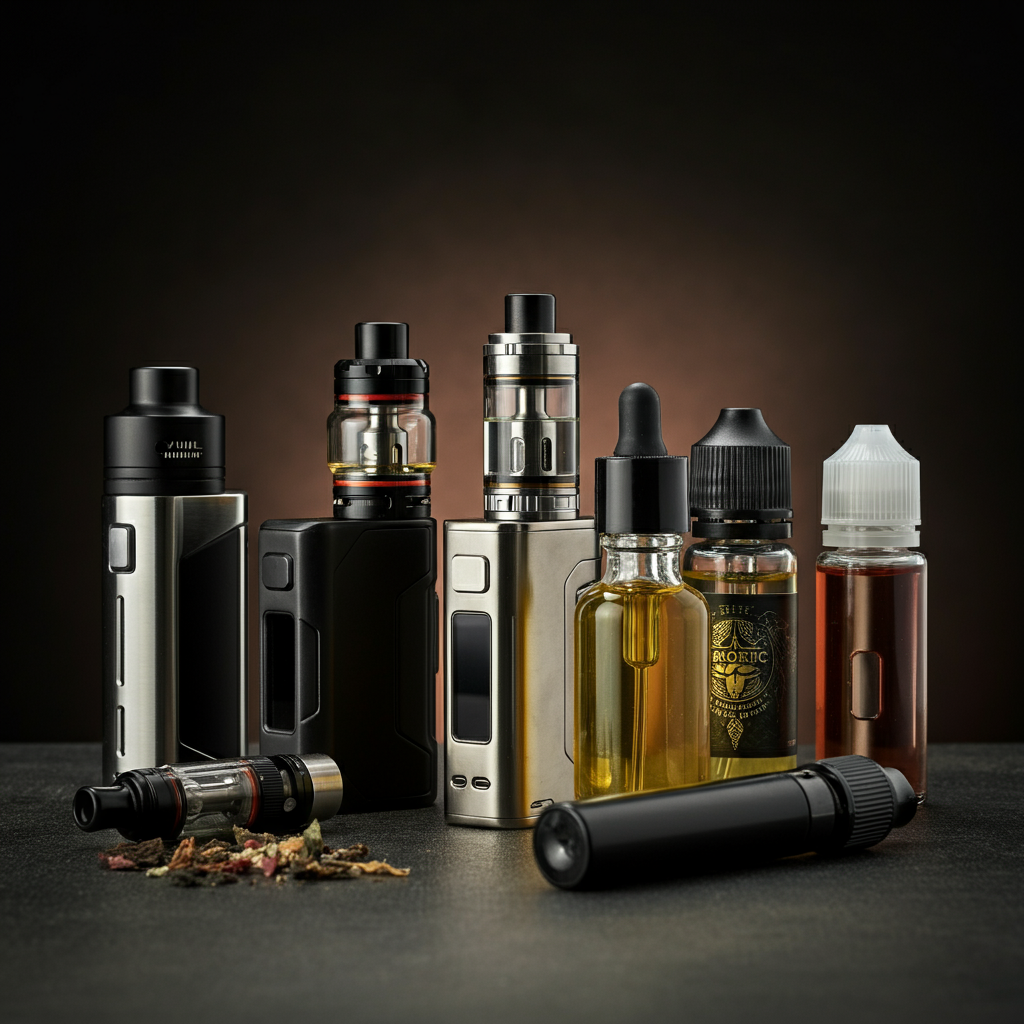
Selecting the appropriate vaping device and e-liquid is crucial for a successful transition from smoking. Opt for a refillable pod system, which provides a consistent and controllable vaping experience. Start with an e-liquid nicotine strength that matches your previous smoking habits and gradually reduce the nicotine level over time. Avoid using vape juices with artificial flavors, because those are worse for your health. Pay close attention to the ingredients in the e-liquid and choose reputable brands that prioritize quality and safety. Avoid unregulated or black market THC cartridges, as they have been linked to vaping-related illnesses.
Common Mistakes to Avoid
- Using vaping as a long-term substitute for smoking, rather than a stepping stone to complete nicotine cessation.
- Starting with a high nicotine level and failing to gradually reduce it.
- Using unregulated or counterfeit vaping products.
- Ignoring respiratory symptoms or other potential side effects.
- Failing to seek professional support for quitting nicotine altogether.
Safety Considerations
- Only purchase vaping products from reputable sources.
- Store e-liquids out of reach of children and pets.
- Be aware of the potential for nicotine poisoning, especially when refilling vaping devices.
- Consult your doctor if you experience any adverse health effects from vaping.
6. Quitting Vaping: The Final Step
Once you've successfully transitioned from smoking to vaping, the ultimate goal is to quit vaping altogether. This process involves gradually reducing your nicotine intake and addressing any underlying cravings or dependencies. Consider using nicotine replacement therapy, such as patches or gum, to manage withdrawal symptoms. Engage in activities that distract you from vaping, such as exercise, hobbies, or spending time with loved ones. Seek support from friends, family, or a smoking cessation group. Remember, complete nicotine cessation is the most beneficial outcome for your long-term health.

FAQ Section
Q: Is vaping completely safe?
A: While generally considered less harmful than smoking, vaping is not without risks. It's essential to be aware of the potential for nicotine addiction and exposure to potentially harmful chemicals.
Q: Can vaping help me quit smoking?
A: Vaping can be an effective tool for managing nicotine withdrawal symptoms and transitioning away from smoking. However, it's crucial to use it as a temporary aid and work towards complete nicotine cessation.
Q: What are the potential side effects of vaping?
A: Potential side effects may include coughing, throat irritation, headaches, dizziness, and increased nicotine dependence.
Conclusion
Quitting smoking and transitioning to vaping can be a complex process with both immediate benefits and potential long-term risks. By understanding the physiological and psychological changes involved, choosing appropriate vaping devices and e-liquids, and developing a plan for complete nicotine cessation, you can maximize the benefits of quitting smoking while minimizing potential harm. Remember to consult with your healthcare provider for personalized advice and support throughout this journey. Your health and well-being are worth the effort.