Many fitness enthusiasts swear by morning workouts, claiming they provide an energy boost, enhance focus, and even accelerate fat loss. But is it truly the best time for everyone to exercise? The answer is, it depends. Your individual biology, schedule, and preferences all play a role in determining whether a.m. sweat sessions will lead to improved fitness. This guide will help you assess whether making the switch to morning workouts will work for you.
Before diving in, understand that consistency is key. The "best" time to work out is the time you can realistically stick to long-term. It doesn't matter if research suggests mornings are optimal if you end up skipping workouts due to early alarms and grogginess. This guide focuses on experimentation and careful self-assessment to determine if the supposed benefits of morning exercise outweigh the potential drawbacks for *your* unique circumstances. We'll explore energy levels, sleep patterns, eating habits, and logistical considerations to help you make an informed decision.
This is not a one-size-fits-all answer. Instead, it's a personalized exploration to optimize your fitness journey.
Step 1: Establish a Baseline – Your Current Fitness Routine
Before changing anything, it's crucial to understand your current fitness levels and workout habits. Track your energy levels throughout the day, especially before, during, and after your existing workout schedule (whether that's evening, lunch break, or whenever). Note your mood, perceived exertion, and overall performance. This provides a baseline for comparison. What time of day do you feel the strongest? What time of day are you most likely to skip a workout due to fatigue or schedule conflicts? Be honest with yourself.
Practical Details: Keep a workout journal for at least one week before starting morning workouts. Record the time of day, type of exercise, duration, perceived exertion (on a scale of 1-10), and any relevant notes about your energy levels, mood, or performance. This data is vital for comparison later.

Step 2: Test the Waters – Gradual Introduction to Morning Workouts
Don't jump straight into intense morning workouts. Start gradually to allow your body and mind to adjust. Begin by shifting one or two workouts per week to the morning, replacing them with your typical later-in-the-day sessions. For example, if you usually run three times a week in the evening, try running once or twice in the morning instead. Consider shorter, less intense sessions initially to minimize the shock to your system. Walking, yoga, or light strength training are good starting points.
Practical Details: Set your alarm 30 minutes earlier than usual for your first morning workout. Prepare your workout clothes and any necessary equipment the night before to reduce friction. Consider having a small pre-workout snack ready (e.g., a banana or a handful of nuts) to fuel your body.

Step 3: Monitor Your Energy Levels and Focus Throughout the Day
Pay close attention to how you feel after your morning workouts. Do you experience a sustained energy boost throughout the day? Are you more focused and productive at work or during other activities? Or do you feel drained and sluggish by mid-afternoon? Everyone responds differently to morning exercise, and there's no guarantee it will automatically increase your energy levels. Keep detailed notes in your workout journal about your energy levels, mood, and cognitive function at various points during the day.
Practical Details: Use a scale of 1-10 to rate your energy levels every few hours. Note any specific times when you feel particularly energized or fatigued. Compare these ratings to your baseline from Step 1 to identify any significant changes. Ask coworkers or family members if they notice any changes in your alertness or mood.

Step 4: Assess Your Sleep Quality and Quantity
Morning workouts can disrupt your sleep if you're not careful. Waking up earlier might mean cutting into your sleep time, which can negatively impact your overall health and fitness. Monitor your sleep quality and quantity closely. Are you falling asleep easily? Are you waking up feeling refreshed? Are you getting at least 7-9 hours of sleep per night? If your sleep is suffering, you may need to adjust your wake-up time or re-evaluate whether morning workouts are right for you.
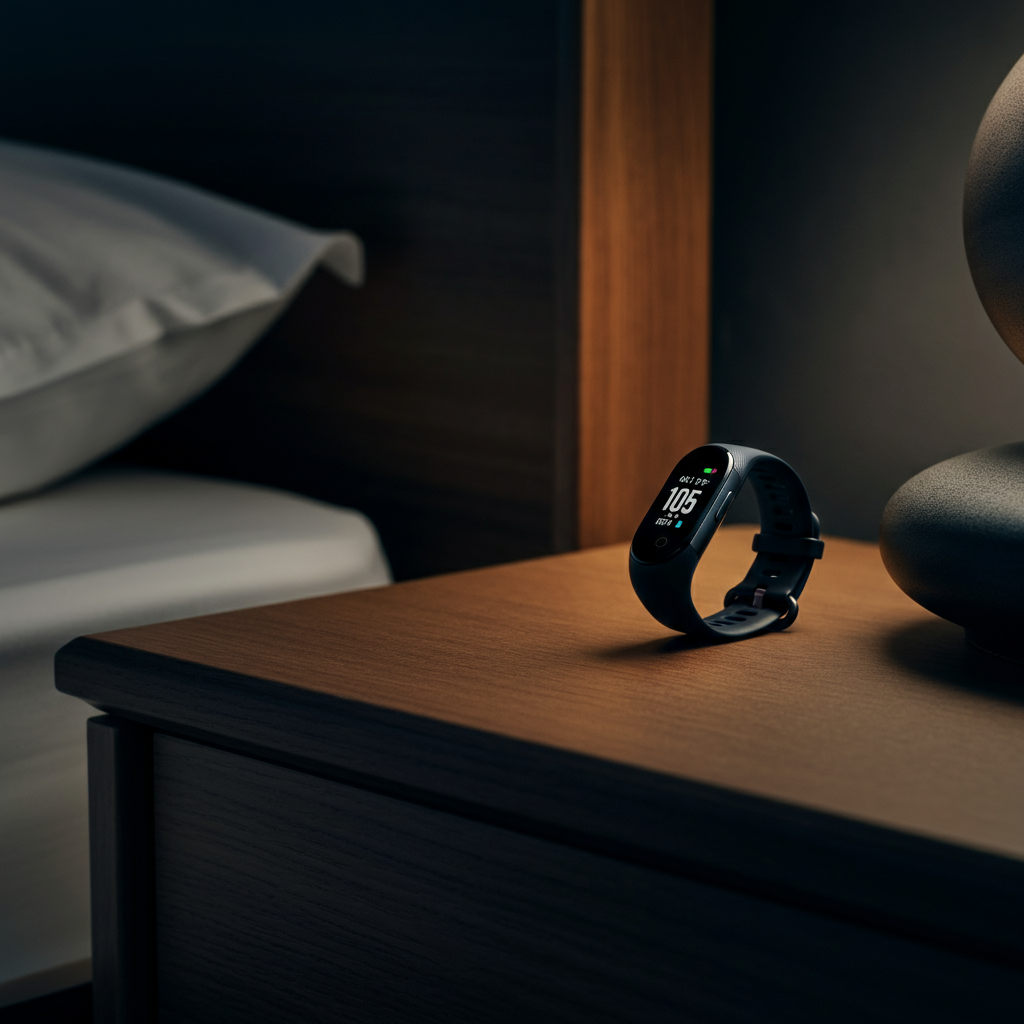
Practical Details: Use a sleep tracker (e.g., a fitness tracker or a smartphone app) to monitor your sleep duration, sleep stages, and sleep quality. Alternatively, keep a sleep diary to record your bedtime, wake-up time, and any sleep disturbances. Aim for consistent sleep schedule, even on weekends, to regulate your body's natural sleep-wake cycle.
Step 5: Evaluate Your Eating Habits and Nutritional Needs
Morning workouts require careful consideration of your pre- and post-workout nutrition. Exercising on an empty stomach might lead to decreased performance and increased muscle breakdown. On the other hand, eating too much before a workout can cause discomfort and digestive issues. Experiment with different pre-workout snacks and meals to find what works best for you. Protein and carbohydrates are essential for fueling your workout and promoting recovery.
Practical Details: Try a small pre-workout snack like a banana with peanut butter or a protein smoothie. Focus on easily digestible foods. After your workout, consume a meal or snack that contains protein and carbohydrates to replenish your glycogen stores and support muscle repair. Examples include oatmeal with berries and protein powder, or a chicken breast with sweet potatoes.

Step 6: Consider Logistical Challenges and Time Management
Morning workouts require careful planning and time management. You'll need to factor in time for getting ready, traveling to the gym (if applicable), warming up, working out, cooling down, and showering. Be realistic about whether you can consistently fit these activities into your morning schedule without sacrificing other important tasks or commitments. If you find yourself constantly rushing or feeling stressed, morning workouts might not be sustainable in the long run.
Practical Details: Prepare your workout clothes and gym bag the night before. Plan your workout routine in advance to avoid wasting time deciding what to do. Consider exercising at home to save time on commuting. Wake up 15-20 minutes earlier than you think you need to avoid feeling rushed.

Step 7: Review and Adjust – The Ongoing Process
After several weeks of experimenting with morning workouts, review your data and assess whether they're truly improving your fitness. Compare your energy levels, mood, sleep quality, and workout performance to your baseline from Step 1. Be honest with yourself about whether the benefits outweigh the drawbacks. If you're seeing positive results, congratulations! Continue incorporating morning workouts into your routine. If not, don't be afraid to adjust your approach or revert to your previous workout schedule. Fitness is a personal journey, and what works for one person might not work for another. Regularly re-evaluate your routine to ensure it continues to align with your goals and lifestyle.
Practical Details: Schedule a dedicated time each month to review your workout journal and sleep tracker data. Reflect on your overall experience with morning workouts and identify any areas for improvement. Consider consulting with a personal trainer or registered dietitian for personalized guidance.

FAQ Section
Q: What if I'm not a "morning person"?
A: Some people are naturally more alert and energetic in the morning, while others are "night owls." If you're not a morning person, it may be more challenging to adjust to morning workouts. However, it's still possible to make it work with gradual adaptation and careful planning.
Q: Is it okay to work out on an empty stomach in the morning?
A: For some people, exercising on an empty stomach can be beneficial for fat burning. However, it can also lead to decreased performance and increased muscle breakdown. Experiment to see what works best for you. If you feel weak or dizzy, eat a small pre-workout snack.
Q: What are the best types of workouts to do in the morning?
A: The best workouts to do in the morning are the ones you enjoy and are most likely to stick to. However, some popular options include cardio (running, biking, swimming), strength training, yoga, and Pilates.
Conclusion
Determining whether morning workouts will improve your fitness is a personal journey. It requires careful self-assessment, experimentation, and a willingness to adapt. By following the steps outlined in this guide, you can gather the information you need to make an informed decision and optimize your fitness routine for maximum results. Remember, the key is to find a schedule that works for you, is sustainable in the long run, and helps you achieve your fitness goals. Good luck!