Walking, a fundamental human activity, offers numerous health benefits and serves as a practical mode of transportation. However, the simple act of walking can be fraught with potential hazards if approached without mindful consideration. From navigating busy urban streets to enjoying a leisurely stroll in a park, being aware of your surroundings and taking proactive measures is paramount for ensuring your safety and well-being.
This guide aims to provide you with the knowledge and strategies necessary to walk with confidence and security in various environments. We'll cover essential aspects of pedestrian safety, from basic awareness to specific precautions for different situations. Whether you're a daily commuter, a fitness enthusiast, or simply enjoying a casual walk, these tips will help you minimize risks and maximize your safety.
Remember, your safety is your responsibility. By adopting a proactive and informed approach to walking, you can significantly reduce your vulnerability and enjoy the many benefits of this activity with peace of mind.
Step 1: Cultivate Situational Awareness
Be Alert and Observant
The cornerstone of pedestrian safety is unwavering situational awareness. Constantly scan your environment for potential hazards, including vehicles, cyclists, other pedestrians, and obstacles. Pay attention to traffic signals, road signs, and the behavior of drivers. Avoid distractions such as smartphones or engrossing conversations, as they can significantly impair your ability to react to unexpected events. Being present and engaged with your surroundings is the first line of defense against accidents and potential threats.

Step 2: Choose Safe Walking Routes
Prioritize Designated Walkways
Whenever possible, opt for designated walking paths such as sidewalks, multi-use trails, and pedestrian zones. These areas are specifically designed to separate pedestrians from vehicular traffic, minimizing the risk of collisions. If a sidewalk is unavailable, walk on the shoulder of the road, facing oncoming traffic. This allows you to see approaching vehicles and react accordingly. Avoid walking in roadways or areas with limited visibility, especially during dawn, dusk, or nighttime hours. Planning your route ahead of time and identifying safe walking paths can significantly enhance your safety.
Step 3: Master Safe Street Crossing Techniques
Look, Listen, and Think Before You Cross
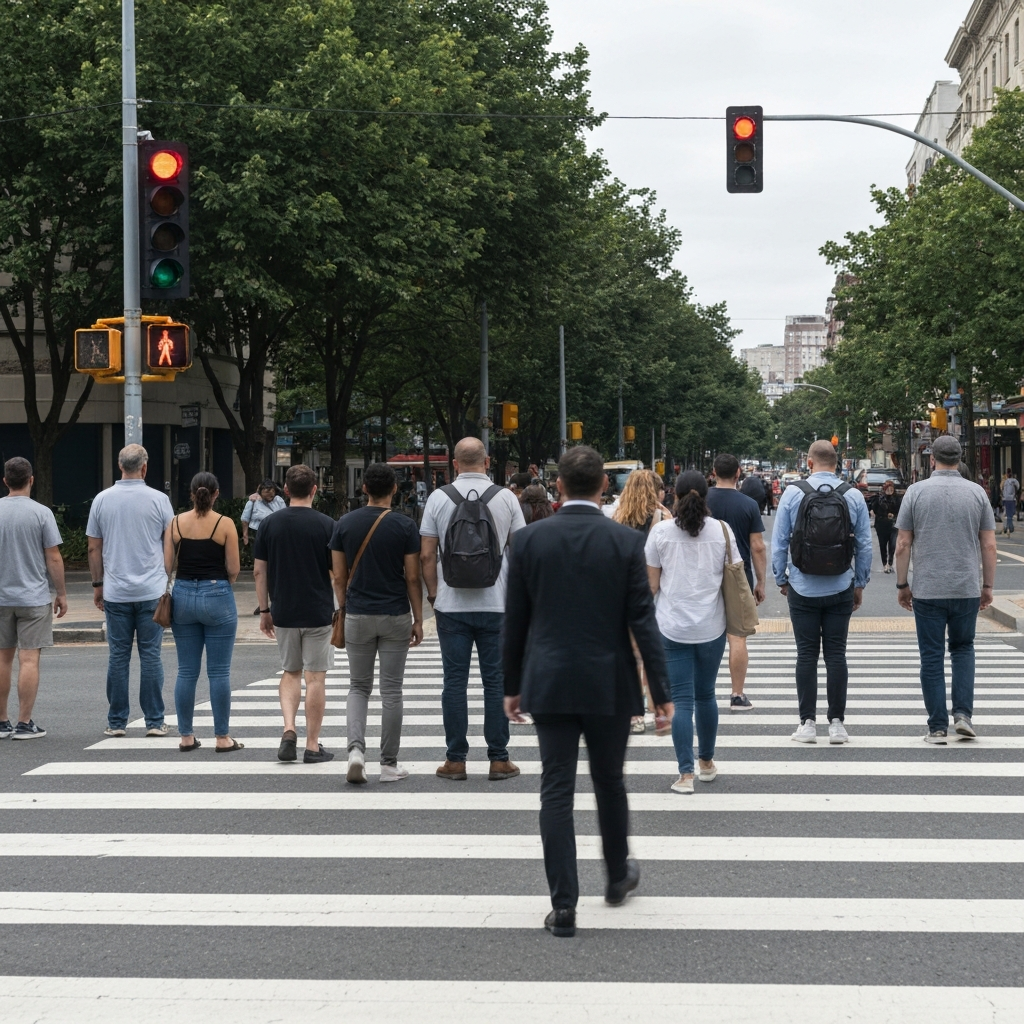
Crossing streets safely requires a multi-step approach. Before stepping off the curb, always look left, right, and left again to ensure that no vehicles are approaching. Listen for the sounds of traffic, including cars, trucks, motorcycles, and bicycles. Make eye contact with drivers to confirm that they see you and are yielding the right-of-way. Never assume that drivers will stop, even if you have the right-of-way. Exercise caution and wait for a clear gap in traffic before crossing. Be particularly vigilant at intersections, where the risk of collisions is higher.
Step 4: Enhance Visibility in Low-Light Conditions
Wear Reflective Gear and Use Lights
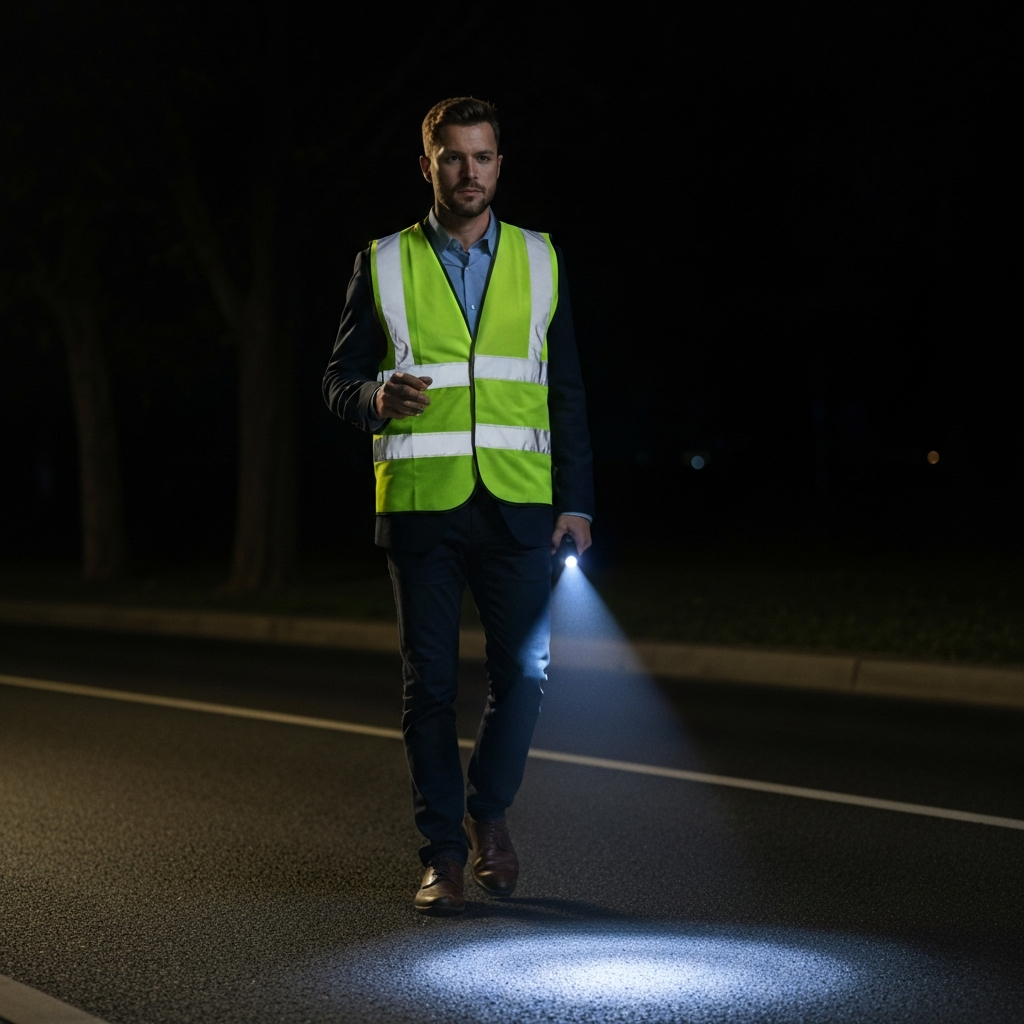
Walking during dawn, dusk, or nighttime hours significantly increases the risk of accidents due to reduced visibility. To enhance your visibility to drivers, wear bright, reflective clothing. Consider investing in reflective vests, jackets, or armbands. In addition, carry a flashlight or wear a headlamp to illuminate your path and make yourself more visible to oncoming traffic. These simple measures can dramatically reduce the likelihood of being struck by a vehicle in low-light conditions. Remember that drivers may have difficulty seeing pedestrians, especially in dark or inclement weather.
Step 5: Minimize Distractions
Focus on Your Surroundings
Distractions can significantly impair your ability to perceive and react to hazards while walking. Avoid using smartphones, listening to music with headphones at high volumes, or engaging in conversations that divert your attention from your surroundings. If you need to use your phone, stop walking and find a safe place to do so. Be especially mindful of your surroundings when crossing streets or navigating busy areas. The ability to react quickly and decisively is crucial for avoiding accidents and staying safe.

Step 6: Practice Assertive Walking
Project Confidence and Awareness
Walking with confidence and awareness can deter potential attackers and signal that you are not an easy target. Maintain good posture, make eye contact with people around you, and walk with a purpose. Be aware of your body language and avoid appearing hesitant or vulnerable. Trust your instincts; if you feel uneasy in a particular area, change your route or seek assistance. Projecting an image of self-assurance can significantly reduce your risk of becoming a victim of crime.

Safety Considerations
- **Weather Conditions:** Adjust your walking habits based on the weather. Avoid walking in severe weather conditions such as heavy rain, snow, or ice.
- **Personal Safety:** Be aware of your surroundings and take precautions to protect yourself from potential threats.
- **Environmental Awareness:** Pay attention to the environment and take care of it. Avoid littering and be respectful of natural resources.
Common Mistakes to Avoid
- **Assuming Drivers Will Stop:** Never assume that drivers will stop for you, even if you have the right-of-way.
- **Being Distracted:** Avoid using smartphones or engaging in other distracting activities while walking.
- **Walking in Unsafe Areas:** Avoid walking in areas with limited visibility or high crime rates.
FAQ Section
Q: What should I do if I feel like I am being followed?
A: Trust your instincts. Cross the street, change direction, or seek assistance from a nearby business or person. Call the police if you feel threatened.
Q: Is it safe to walk alone at night?
A: Walking alone at night can be risky. If possible, walk with a friend or family member. Choose well-lit routes and be aware of your surroundings. Carry a whistle or personal alarm for emergencies.
Conclusion
Walking with safety in mind is a continuous practice that requires vigilance, awareness, and proactive measures. By implementing the strategies outlined in this guide, you can significantly reduce your risk of accidents and potential threats. Remember to stay alert, choose safe routes, enhance your visibility, minimize distractions, and practice assertive walking. By adopting a safety-conscious mindset, you can enjoy the many benefits of walking with confidence and peace of mind.