Feeling constantly drained, even after a full night's sleep? It's a common problem, but it doesn't have to be your reality. Sleep isn't just about quantity; it's about quality and aligning your sleep patterns with your body's natural rhythms. This guide will provide you with actionable strategies to optimize your sleep, boosting your energy levels and overall well-being.
We'll delve into the science behind sleep, explore practical techniques to improve your sleep environment, and uncover lifestyle adjustments that can make a profound difference. Forget simply aiming for eight hours; we're going to teach you how to make those hours truly count. Prepare to unlock your potential and experience the revitalizing power of truly effective sleep.
This isn't about quick fixes or trendy sleep hacks. We're focusing on sustainable changes that will transform your relationship with sleep, leaving you feeling refreshed, focused, and ready to tackle whatever life throws your way. Get ready to reclaim your energy and unlock your full potential.
Step 1: Understand Your Circadian Rhythm
Your circadian rhythm is your body's internal clock, regulating sleep-wake cycles, hormone release, and other essential functions. Understanding it is the first step to hacking your sleep. Disruptions to this rhythm, often caused by irregular sleep schedules, artificial light exposure, and shift work, can lead to fatigue, insomnia, and even long-term health problems. Aim for consistent sleep and wake times, even on weekends, to reinforce your body's natural rhythm.
Step 2: Optimize Your Sleep Environment
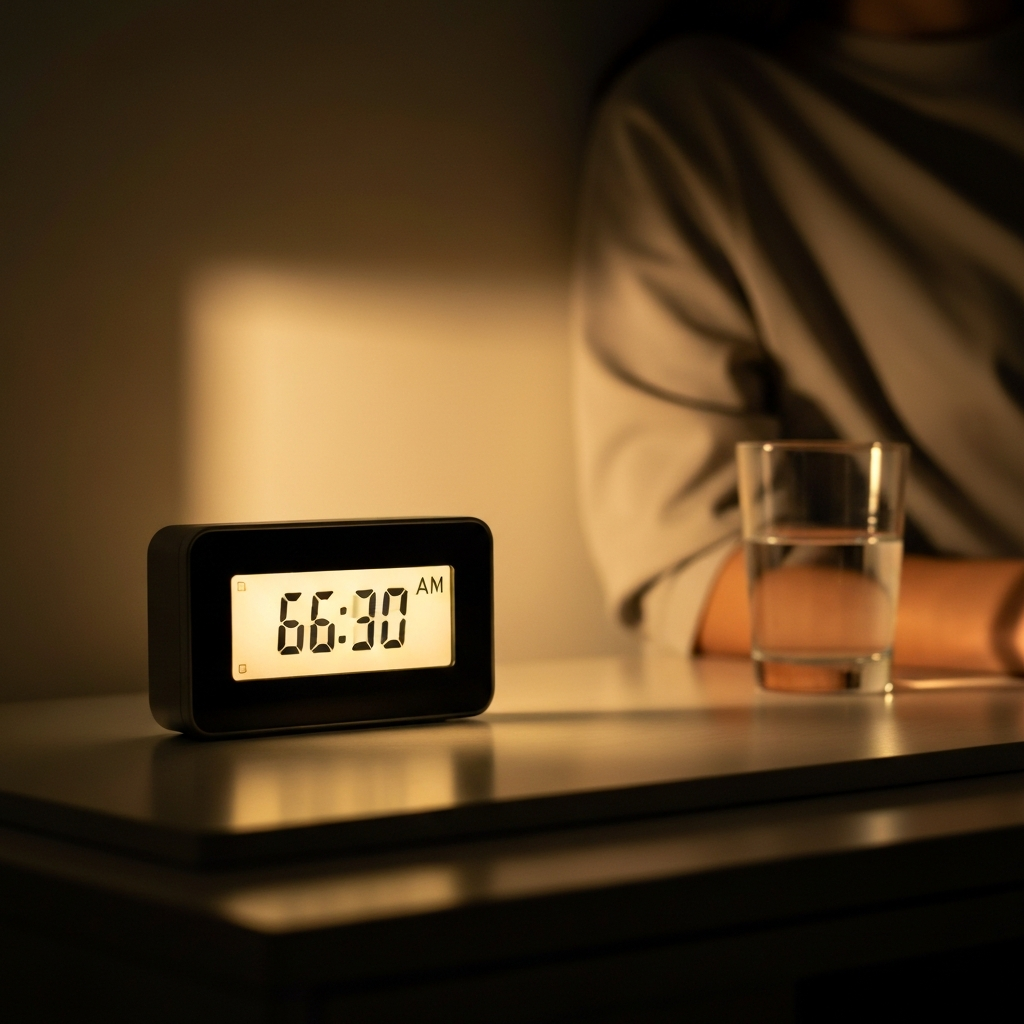
Your bedroom should be a sanctuary for sleep. This means creating a dark, quiet, and cool environment. Invest in blackout curtains to block out external light, use earplugs or a white noise machine to minimize noise disturbances, and maintain a room temperature between 60-67 degrees Fahrenheit (15-19 degrees Celsius). A comfortable mattress and supportive pillows are also crucial for spinal alignment and restful sleep.

Step 3: Master the Art of Winding Down
A consistent bedtime routine signals to your body that it's time to sleep. Avoid screen time (phones, tablets, computers) at least one hour before bed, as the blue light emitted from these devices can suppress melatonin production, a hormone that promotes sleepiness. Instead, engage in relaxing activities such as reading a book, taking a warm bath, or practicing meditation or deep breathing exercises.

Step 4: Watch Your Diet and Exercise
What you eat and when you exercise can significantly impact your sleep. Avoid large meals, caffeine, and alcohol close to bedtime. While regular exercise is beneficial for sleep, avoid intense workouts in the evening, as they can be stimulating. Aim for at least 30 minutes of moderate-intensity exercise most days of the week, but schedule your workouts for earlier in the day. Staying hydrated throughout the day is also important, but reduce fluid intake before bed to minimize nighttime awakenings.

Step 5: Harness the Power of Light
Light is a powerful regulator of your circadian rhythm. Expose yourself to bright natural light first thing in the morning to help wake up your body and set your internal clock. If you live in a region with limited sunlight, consider using a light therapy lamp. During the evening, minimize exposure to artificial light, especially blue light, by using amber-tinted glasses or dimming the lights in your home.

Step 6: Consider Supplements (With Caution)
Certain supplements may help improve sleep, but it's crucial to consult with a healthcare professional before taking anything, especially if you have underlying health conditions or are taking other medications. Melatonin, magnesium, and valerian root are some commonly used supplements for sleep, but their effectiveness and safety can vary from person to person. Always start with a low dose and monitor your response.

Step 7: Address Underlying Sleep Disorders
If you've implemented the above strategies and are still struggling with sleep, it's essential to rule out any underlying sleep disorders such as sleep apnea, restless legs syndrome, or insomnia. These conditions can significantly disrupt sleep and require professional medical evaluation and treatment. Talk to your doctor if you suspect you may have a sleep disorder.

Common Mistakes to Avoid
- Inconsistent sleep schedule: Deviating from your sleep schedule on weekends can throw off your circadian rhythm.
- Relying on caffeine or alcohol: These substances can interfere with sleep quality, even if they initially help you fall asleep.
- Using your bed for activities other than sleep: Avoid working, watching TV, or using your phone in bed, as this can create a negative association with sleep.
- Ignoring daytime habits: Daytime habits such as lack of exercise, poor diet, and stress can negatively impact sleep.
- Self-treating with sleep medications: Over-the-counter or prescription sleep medications can have side effects and should only be used under the guidance of a healthcare professional.
Pro Tips
- Keep a sleep diary: Track your sleep patterns, diet, and activities to identify potential triggers for poor sleep.
- Try progressive muscle relaxation: This technique involves tensing and relaxing different muscle groups to promote relaxation and sleep.
- Consider cognitive behavioral therapy for insomnia (CBT-I): This therapy helps you identify and change negative thoughts and behaviors that contribute to insomnia.
- Invest in a sleep tracker: While not always 100% accurate, sleep trackers can provide valuable insights into your sleep patterns.
FAQ Section
Q: How long does it take to improve my sleep?
A: It can take several weeks or even months to see significant improvements in your sleep. Consistency is key.
Q: What if I can't fall asleep?
A: If you've been trying to fall asleep for more than 20 minutes, get out of bed and do something relaxing until you feel sleepy, then return to bed.
Q: Is it okay to nap?
A: Short naps (20-30 minutes) can be beneficial, but avoid long naps or napping too late in the day, as this can interfere with nighttime sleep.
Conclusion
Hacking your sleep for ultimate energy is a journey, not a destination. By understanding your circadian rhythm, optimizing your sleep environment, and adopting healthy lifestyle habits, you can transform your sleep and unlock a new level of energy and well-being. Remember to be patient, consistent, and consult with a healthcare professional if you have any concerns. Prioritizing sleep is an investment in your health, happiness, and overall quality of life.