Traveling with a small pet, such as a hamster, gerbil, guinea pig, or rat, requires careful planning and preparation. Unlike dogs or cats, these creatures are particularly sensitive to changes in their environment, and a poorly planned trip can cause them significant stress and even health problems. This guide provides expert advice on how to ensure your small pet's journey is as safe and comfortable as possible, whether you're traveling by car or plane.
Before embarking on any trip, it's crucial to prioritize your pet's well-being. Consider whether the travel is truly necessary, as most small pets are happier and less stressed in their familiar home environment. If travel is unavoidable, meticulous preparation is key. This includes veterinary check-ups, choosing the right carrier, and understanding the specific needs of your pet during transit. Remember, their comfort and safety are paramount.
This guide will walk you through each step of the process, from pre-trip preparations to ensuring a smooth arrival at your destination. By following these guidelines, you can minimize stress for both you and your furry friend, making your trip a positive experience for everyone involved.
Step 1: Veterinary Check-Up and Health Certification
Before any trip, schedule a comprehensive check-up with your veterinarian. This is crucial to ensure your small pet is healthy and fit for travel. Your vet can identify any underlying health issues that might be exacerbated by the stress of travel. A health certificate is often required for interstate travel, confirming your pet is disease-free and meets specific health regulations. Even for shorter trips, a vet visit provides peace of mind and ensures you have any necessary medications or advice.
During the appointment, discuss any concerns you have about your pet's ability to handle the journey. If your pet is prone to anxiety or motion sickness, ask about safe and effective remedies. Also, obtain a copy of your pet's medical records to carry with you. If your veterinarian determines that travel is not advisable for your pet, consider alternative arrangements such as pet-sitting or boarding.

Step 2: Choosing the Right Travel Carrier
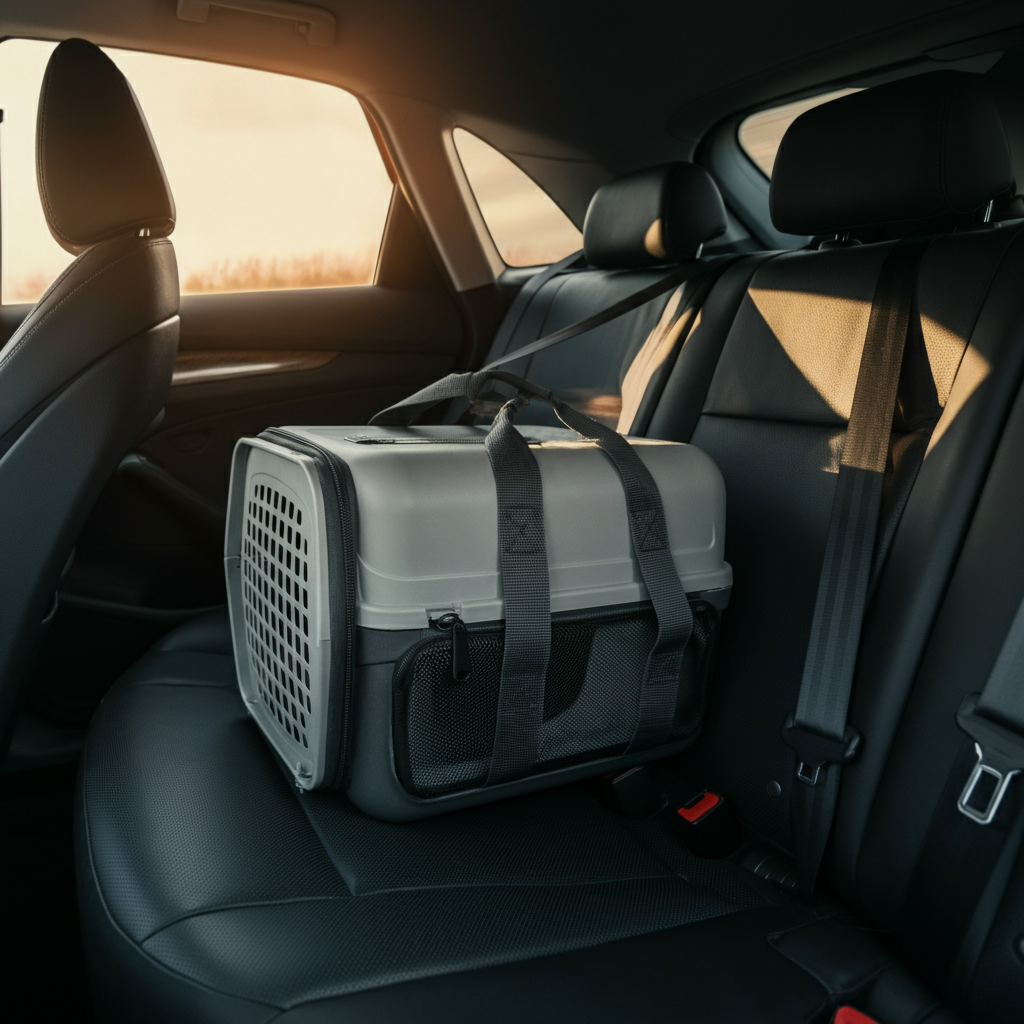
Selecting an appropriate travel carrier is essential for your pet's safety and comfort. The carrier should be well-ventilated, secure, and large enough for your pet to stand, turn around, and lie down comfortably. Escape-proof closures are non-negotiable, as even the most docile pet can become anxious and attempt to escape during travel. Choose a carrier made of durable, easy-to-clean material, as accidents can happen. For car travel, the carrier should be easily secured with a seatbelt.
While the travel carrier is for transport, remember to bring your pet's regular cage as well. The carrier is only for travel, the cage should be the primary enclosure at your destination. Line the carrier with familiar bedding from your pet's cage to reduce stress and provide a comforting scent. Consider adding a small, familiar toy for added reassurance. Avoid swinging toys, which could cause injury during sudden stops. It is also worth practicing taking your small pet out of their usual cage and placing it in the travel carrier so that they become accustomed to it.

Step 3: Preparing a Pet First-Aid Kit
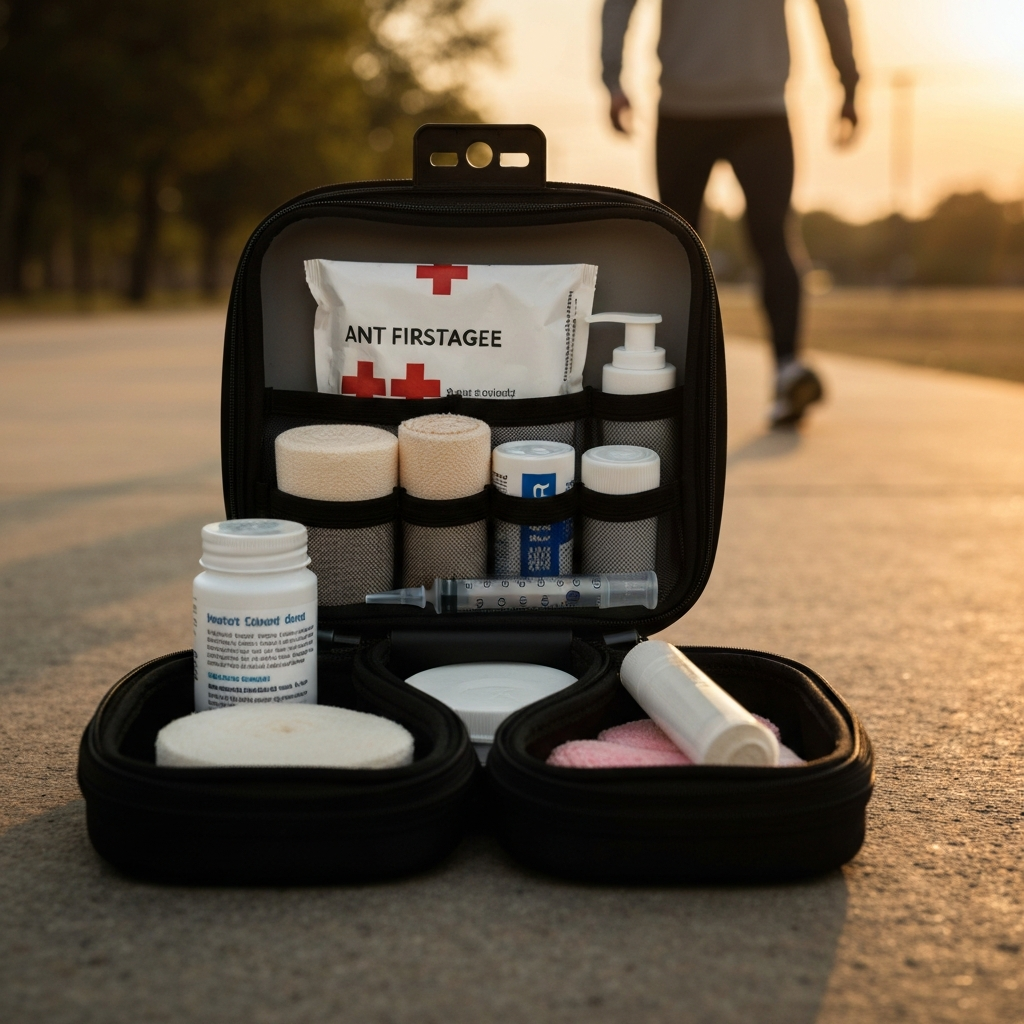
Accidents and unexpected health issues can arise during travel, so it's wise to pack a dedicated first-aid kit for your small pet. Include essential items such as sterile gauze pads, antiseptic wipes, blunt-nosed tweezers, a small syringe (for administering medication or fluids), and your veterinarian's contact information, as well as information for local veterinary hospitals at your destination. A pet-specific antiseptic solution is crucial for cleaning minor wounds.
Familiarize yourself with basic first-aid procedures for small pets before your trip. It is important to note that the first aid kit is *not* a substitute for professional veterinary care. In case of serious injury or illness, seek immediate veterinary attention. Keeping a small towel or blanket in the kit can also be useful for containing your pet or providing warmth if they become chilled. Always consult your veterinarian about what specific items to include, particularly if your pet has any pre-existing conditions.
Step 4: Packing Food, Water, and Cleaning Supplies
Maintaining your pet's regular diet is essential to minimize digestive upset during travel. Pack an adequate supply of their usual food in airtight containers to keep it fresh. Sudden dietary changes can lead to diarrhea and stress in small pets. If you're unsure about the water quality at your destination, bring bottled water and start giving it to your pet a few days before the trip so they can get used to the taste. Fresh fruits and vegetables should be purchased at your destination to avoid spoilage.
Hygiene is crucial for your pet's health and well-being. Pack paper towels, a pet-safe disinfectant, and a small scrub brush for cleaning the carrier and cage. Clean the carrier regularly to prevent the buildup of odors and bacteria. Replace soiled bedding promptly to keep your pet dry and comfortable. Dispose of uneaten food regularly to prevent spoilage and attract pests.

Step 5: Acclimating Your Pet to Car Travel
If you're traveling by car, gradually acclimate your small pet to car rides before your trip. Start with short drives in your local area and gradually increase the duration. This helps your pet become accustomed to the motion and sounds of the car, reducing anxiety on the actual travel day. Place the carrier securely in the back seat, using a seatbelt to prevent it from sliding around. Avoid placing the carrier in direct sunlight or near air vents, as extreme temperatures can be dangerous.
During these practice trips, observe your pet's behavior closely. If they show signs of distress, such as excessive panting or vocalization, consult your veterinarian for advice. Never leave your pet unattended in a car, especially during hot weather, as temperatures can rise rapidly and become fatal. Plan regular stops for bathroom breaks and to offer your pet fresh water and a small amount of food. Make sure your pet is secure when opening the carrier.
Step 6: Flying With a Small Pet: Airline Regulations
Air travel with small pets can be challenging and should only be considered when absolutely necessary. Before booking your flight, thoroughly research your airline's regulations regarding pet travel. Not all airlines allow small pets, and those that do may have specific requirements for carrier size, ventilation, and health documentation. Contact the airline directly to confirm their policies and any associated fees.
Many airlines require small pets to travel in the cargo hold, which can be stressful and potentially dangerous. If possible, choose an airline that allows small pets to travel in the cabin under the seat in front of you. Book a non-stop flight to minimize the stress of layovers and plane changes. Ensure your carrier meets the airline's size and ventilation requirements. Consider the temperature on the day you plan to travel, as some airlines may restrict pet travel during extreme heat or cold. Discuss with your veterinarian any concerns about air travel and potential ways to mitigate stress for your pet.

Step 7: Arriving at Your Destination and Settling In
Upon arrival at your destination, prioritize your pet's comfort and well-being. Immediately transfer your pet to their regular cage and place it in a quiet, safe area away from direct sunlight and drafts. Provide fresh food and water, and allow your pet time to adjust to their new surroundings. Familiar scents and objects from home can help reduce stress.
Once your pet seems settled, allow them some supervised exercise in a safe, enclosed area. This will help them release any pent-up energy and stress from the journey. Maintain their regular feeding and sleeping schedule as much as possible to provide a sense of normalcy. Observe your pet closely for any signs of illness or distress, and seek veterinary attention if needed. Continue to clean the cage regularly to maintain a healthy environment throughout your stay.

Tools or Materials Required
- Travel carrier (appropriate size and ventilation)
- Regular cage
- Bedding (familiar from home)
- Food and water bowls
- Pet food
- Bottled water
- First-aid kit
- Pet-safe disinfectant
- Paper towels
- Leash or harness (if applicable for supervised exercise)
- Health certificate (if required)
Common Mistakes to Avoid
- Forgetting to research airline regulations
- Using a carrier that is too small or poorly ventilated
- Failing to acclimate your pet to car travel
- Leaving your pet unattended in a car
- Changing your pet's diet suddenly
- Neglecting hygiene and cage cleaning
- Not bringing a first aid kit
Safety Considerations
- Never leave your pet unattended in a car, especially during extreme temperatures.
- Ensure the carrier is securely fastened to prevent escape or injury during transport.
- Supervise your pet closely during exercise to prevent accidents or escape.
- Avoid exposing your pet to harsh chemicals or cleaning products.
- Be aware of potential hazards in the environment, such as toxic plants or unsecured wires.
Pro Tips
- Consider using a pheromone spray designed for small animals to help calm your pet during travel.
- Pack a small blanket or towel with your scent on it to provide comfort and security.
- Play calming music during car rides to help soothe your pet.
- Offer small treats or chews during the journey to keep your pet occupied.
FAQ Section
- Q: Is it safe to travel with a small pet by air?
- A: Air travel can be stressful for small pets. It's generally recommended to travel by car if possible. If air travel is necessary, research airline regulations and take steps to minimize stress for your pet.
- Q: How can I keep my small pet from overheating in the car?
- A: Never leave your pet unattended in a car, especially during hot weather. Keep the air conditioning on, and provide access to fresh water. Monitor your pet for signs of overheating, such as excessive panting or weakness.
- Q: What should I do if my small pet becomes ill during travel?
- A: Seek veterinary attention immediately. Have your veterinarian's contact information readily available, and research local veterinary hospitals at your destination beforehand.
Traveling with a small pet requires careful planning and attention to detail. By following the steps outlined in this guide, you can minimize stress for your pet and ensure a safe and comfortable journey. Remember, their well-being is paramount, and your preparation is key to a successful trip. Always consult with your veterinarian for personalized advice and address any specific concerns you may have about your pet's health and travel readiness.