Embarking on a long journey with your canine companion can be a rewarding experience, creating lasting memories as you explore new places together. However, it also requires careful planning and preparation to ensure your dog's safety, comfort, and well-being. Whether you're planning a cross-country road trip or an international flight, this comprehensive guide will provide you with the essential steps and expert tips to navigate the challenges and make the journey as stress-free as possible for both you and your furry friend.
Traveling with a dog isn't as simple as just packing their food and water. From pre-trip vet visits and creating a comfortable travel environment to understanding airline regulations and recognizing signs of stress, there are numerous factors to consider. Ignoring these factors can lead to unpleasant experiences, health issues, or even put your dog's safety at risk. Proper preparation is key to a successful and enjoyable trip.
This guide will cover everything from pre-trip health checks to in-transit care, ensuring you're well-equipped to handle any situation that may arise. So, buckle up, grab your dog's leash, and let's get started on planning your next adventure together!
Step 1: Veterinary Check-up and Necessary Vaccinations
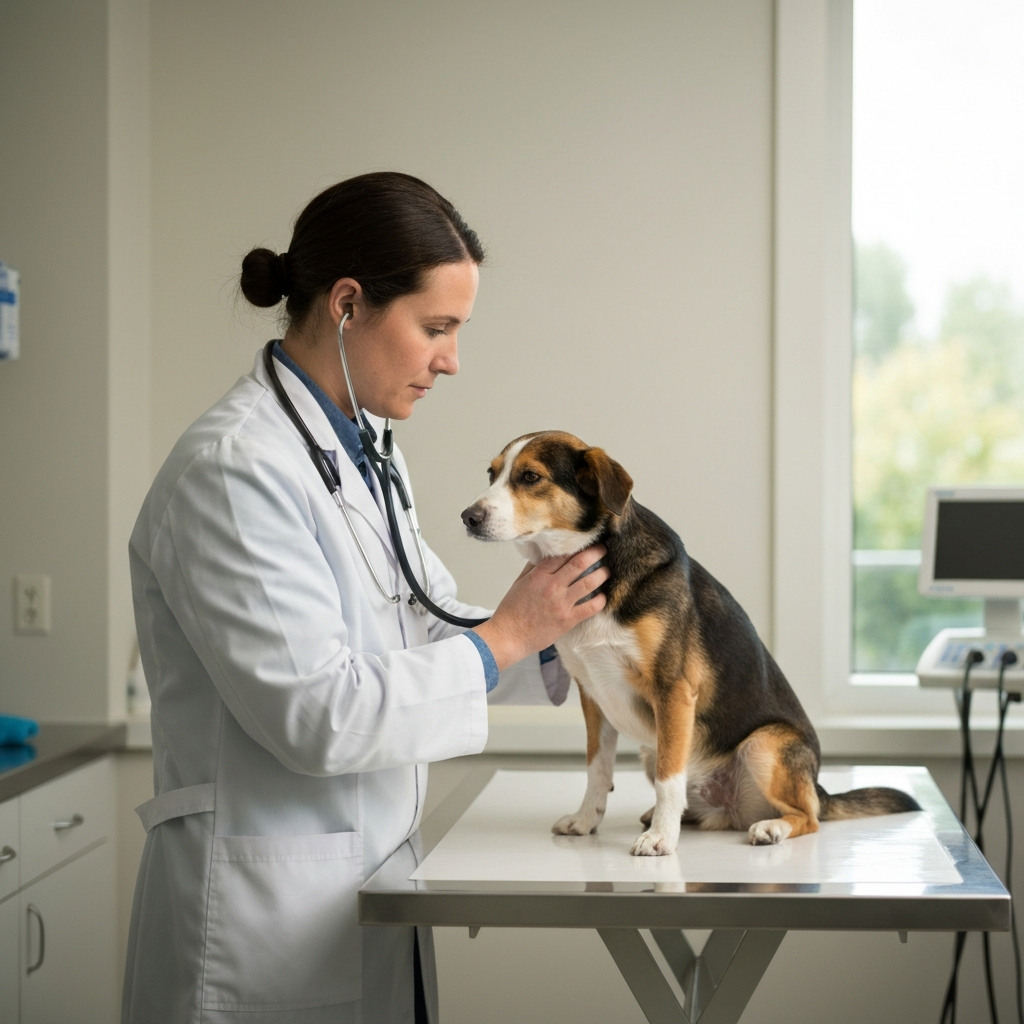
Before hitting the road or taking to the skies, schedule a visit with your veterinarian. This appointment is crucial to ensure your dog is healthy enough for travel and to address any potential health concerns beforehand. Your vet will perform a thorough check-up and verify that all vaccinations, including rabies, canine distemper, and canine parvovirus, are up-to-date. Don't forget to request a copy of your dog's vaccination records, as you may need them for border crossings, hotel stays, or in case of an emergency.
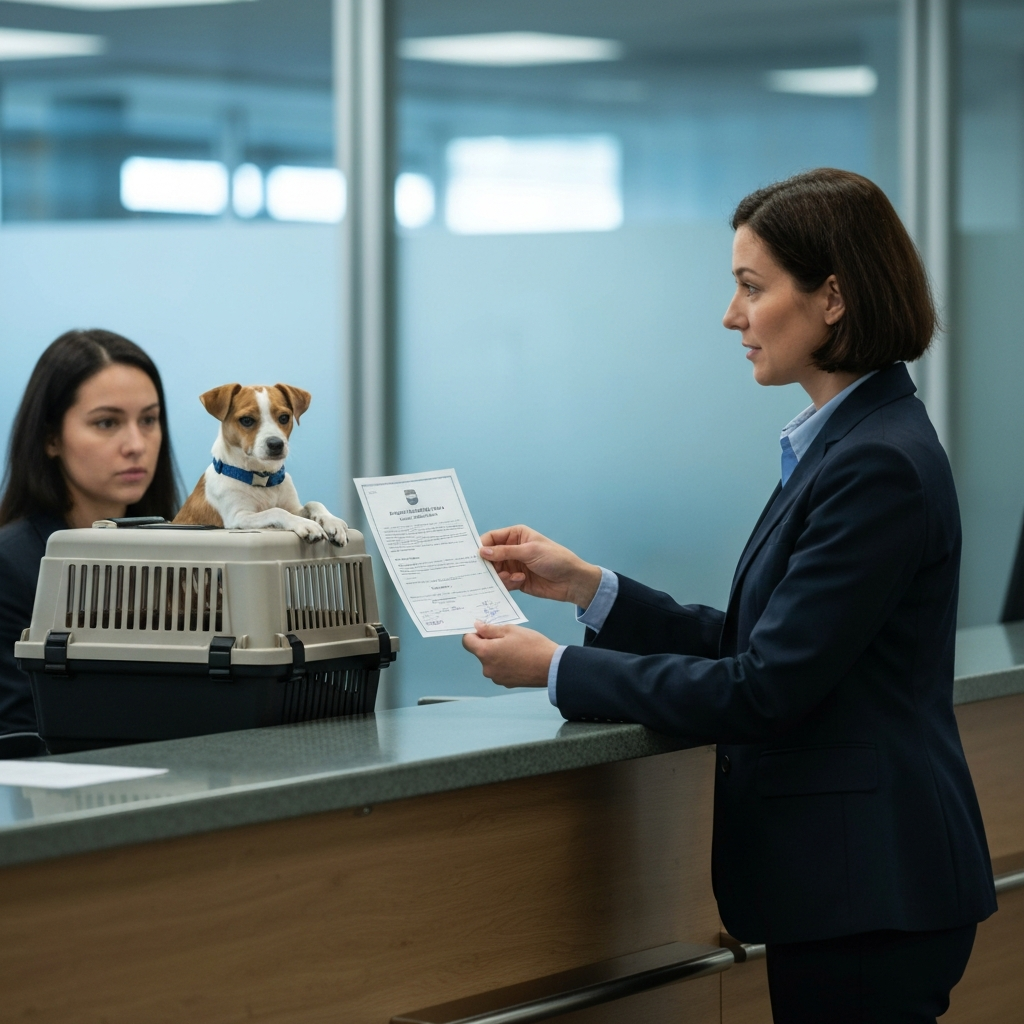
Furthermore, discuss your travel plans with your vet and inquire about any region-specific health risks. For instance, if you're traveling to an area known for Lyme disease, heartworm, or other vector-borne illnesses, your vet can recommend preventative medications. If your dog is prone to motion sickness, ask about safe and effective anti-emetic options. Never administer any medication to your dog without consulting your vet first. This visit also provides an opportunity to obtain a health certificate, which may be required by certain airlines or when crossing state or international borders. Double-check the specific requirements for your destination well in advance to avoid any last-minute surprises.
Step 2: Compiling a Dog Travel Kit
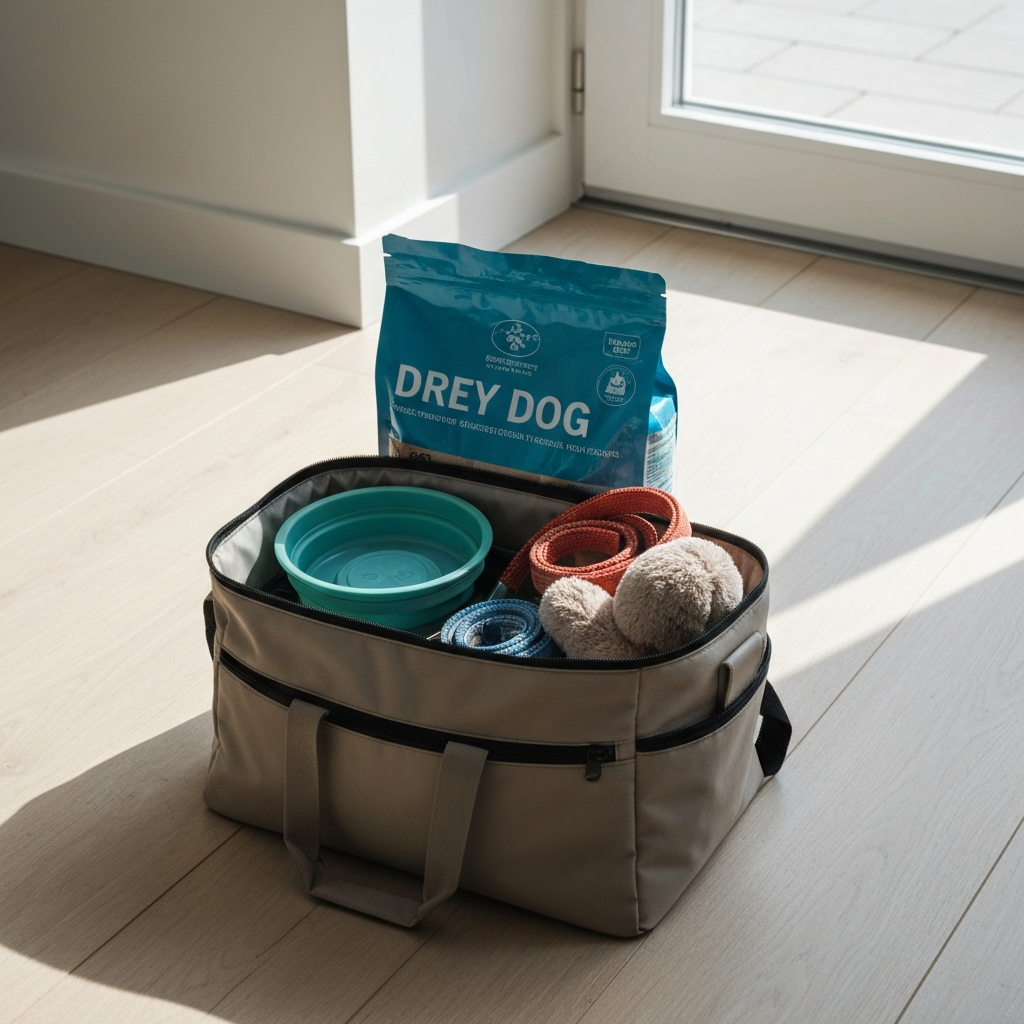
A well-stocked travel kit is essential for ensuring your dog's comfort and well-being throughout the journey. Start with the basics: plenty of their regular food (in a waterproof container), fresh water, and collapsible bowls for easy feeding and hydration on the go. Pack any medications your dog takes, along with a copy of their prescription and dosage instructions. Include a leash, harness or collar with identification tags (including your phone number and destination if possible), and waste bags for responsible cleanup. For comfort, bring their favorite blanket or bed to provide a familiar scent and a sense of security.
Consider adding items like a first-aid kit specifically designed for pets, which should include antiseptic wipes, bandages, gauze, and any other supplies recommended by your vet. Include toys and chews to keep your dog entertained during long stretches of travel. If you're flying, check with the airline about specific restrictions on items allowed in the cabin or cargo hold. Finally, don't forget a recent photo of your dog in case they get lost, and a copy of their medical records and vaccination certificates. A microchip scanner app on your phone can also be helpful in case of emergency.
Step 3: Acclimating Your Dog to Travel
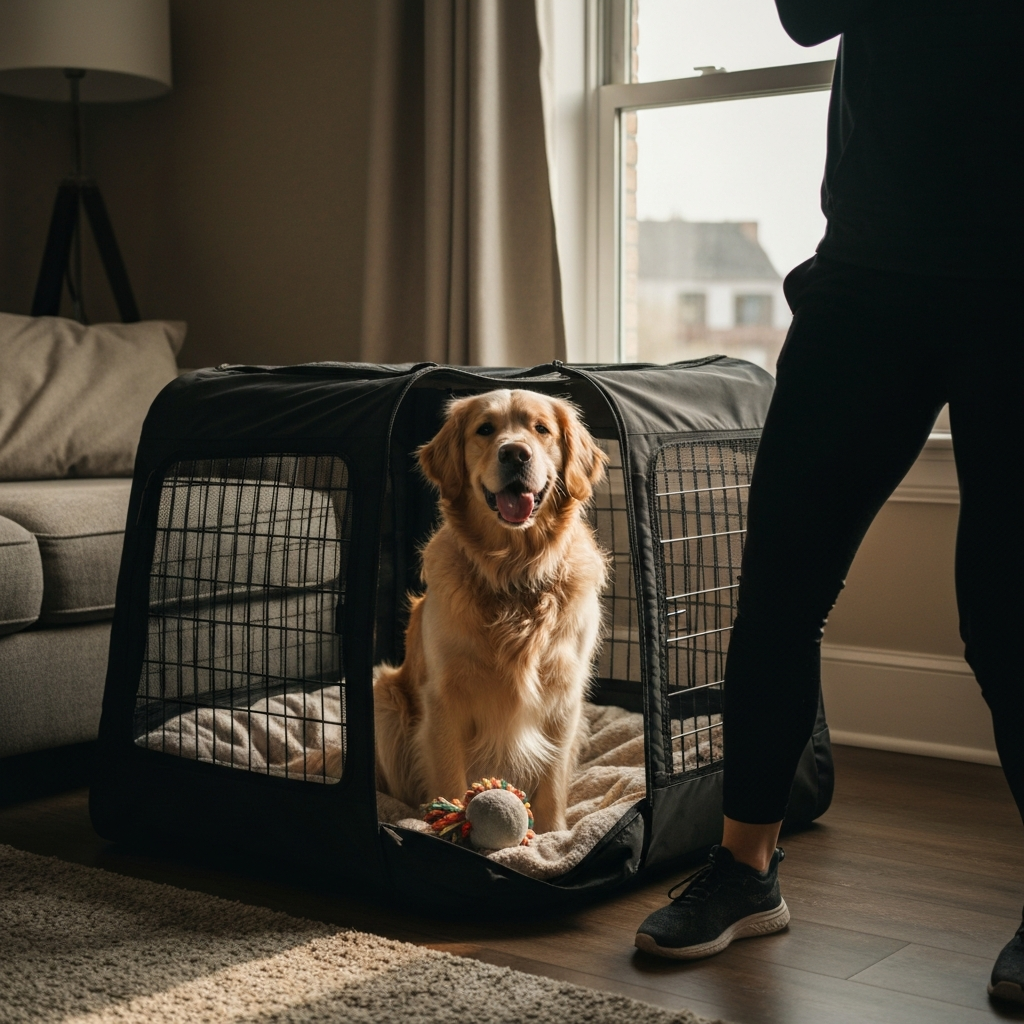
Before embarking on a long journey, it's crucial to gradually acclimate your dog to the mode of transportation you'll be using. For car travel, start with short drives and gradually increase the duration. This will help your dog become accustomed to the motion, sounds, and smells of the car. Make these initial trips positive experiences by rewarding your dog with treats and praise. Consider using a comfortable crate or carrier to provide a safe and secure space during car rides.
If you're flying, familiarize your dog with their travel crate well in advance. Encourage them to enter the crate voluntarily by placing treats, toys, and blankets inside. Gradually increase the amount of time they spend in the crate, starting with short periods and working your way up to longer durations. The goal is to make the crate a safe and positive space for your dog, rather than a source of anxiety. If your dog experiences anxiety during travel, consult with your vet about potential calming aids or pheromone diffusers that can help reduce stress. Remember, a calm and relaxed dog will be much easier to manage during a long trip.
Step 4: Ensuring Comfort and Safety in the Car
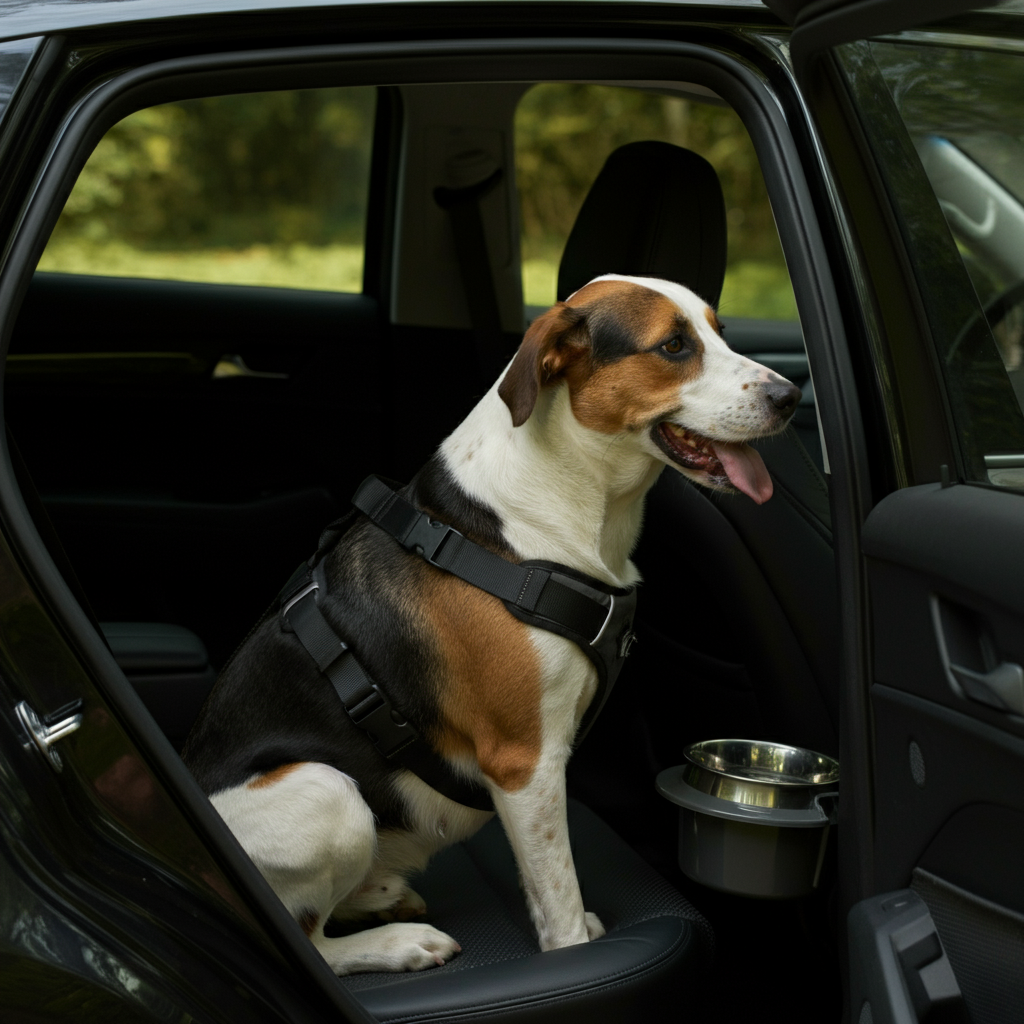
During long car rides, prioritize your dog's comfort and safety. Secure them in the vehicle using a dog seatbelt or harness that attaches to the car's seatbelt system. Alternatively, a properly sized crate can provide a safe and secure space. Never allow your dog to roam freely in the car, as this can be dangerous for both you and your pet. A sudden stop could cause serious injury.
Maintain a comfortable temperature in the car by using air conditioning or opening windows slightly (but not enough for your dog to jump out). Provide access to fresh water at all times, and offer small meals or snacks at regular intervals. Plan for frequent rest stops every two to three hours to allow your dog to stretch their legs, relieve themselves, and get some exercise. Choose rest areas with designated pet-friendly areas whenever possible. Never leave your dog unattended in a parked car, especially during hot weather, as temperatures inside can quickly rise to dangerous levels.
Step 5: Air Travel Considerations
Air travel with dogs requires careful planning and consideration. Start by researching the airline's pet policies, including breed restrictions, size limitations, and required documentation. Some airlines may not allow certain breeds or may have restrictions on transporting pets in the cargo hold during certain times of the year due to temperature concerns. If possible, choose a direct flight to minimize the stress of layovers and transfers. Consider if your dog's breed might be at risk in the cargo hold, such as breeds with breathing difficulties.
If your dog is small enough to travel in the cabin, ensure their carrier meets the airline's size requirements and fits comfortably under the seat in front of you. For larger dogs traveling in the cargo hold, choose a USDA-approved crate that is appropriately sized and well-ventilated. Line the crate with soft bedding and include familiar items like a blanket or toy. Clearly label the crate with your name, contact information, and the words "LIVE ANIMAL." Arrive at the airport early to allow ample time for check-in and security procedures. Consider the potential risks of cargo travel, especially for older or frail dogs, and explore alternative transportation options if possible.
Safety Considerations
Regardless of the mode of transportation, prioritize your dog's safety above all else. Never allow your dog to stick their head out of the car window, as this can expose them to flying debris and potential injury. Secure all loose items in the car to prevent them from becoming projectiles in the event of a sudden stop. Be mindful of your dog's body language and watch for signs of stress, such as panting, drooling, or excessive vocalization. Provide reassurance and comfort as needed.
During rest stops, keep your dog on a leash at all times to prevent them from running away. Be aware of potential hazards such as hot pavement, sharp objects, and other animals. When flying, follow all airline regulations and instructions carefully. If your dog exhibits signs of severe distress during the flight, alert a flight attendant immediately. Remember that your dog relies on you to keep them safe and comfortable throughout the journey.
Common Mistakes to Avoid
- Forgetting to update vaccinations and obtain necessary health certificates.
- Failing to acclimate your dog to travel beforehand.
- Not securing your dog properly in the car or crate.
- Leaving your dog unattended in a parked car.
- Neglecting to provide adequate food, water, and rest stops.
- Ignoring signs of stress or discomfort.
- Not researching airline pet policies and restrictions.
Pro Tips
- Consider using a GPS tracker on your dog's collar for added security.
- Pack a portable water filter to ensure access to clean drinking water.
- Use pheromone diffusers or calming sprays to reduce anxiety.
- Bring a small fan to provide extra ventilation in hot weather.
- Create a playlist of calming music to play during the trip.
FAQ Section
- Q: What if my dog gets motion sickness?
- Consult with your vet about anti-emetic medications. Also, try feeding your dog a light meal a few hours before travel and avoid feeding them in the car. Frequent short breaks can also help.
- Q: How do I keep my dog hydrated during a long flight?
- Offer small amounts of water frequently. You can also freeze water in a dish overnight and place it in their crate before the flight. The melting ice will provide a source of water throughout the journey. Check with your airline about their specific rules regarding water for pets.
- Q: What should I do if my dog gets lost during travel?
- Immediately contact local animal shelters, veterinary clinics, and police departments. Post flyers with your dog's photo and contact information in the area where they were lost. Utilize social media and online lost pet databases to spread the word.
- Q: Is it cruel to make my dog travel long distances?
- Traveling long distances can be stressful for dogs, but with careful planning and preparation, you can minimize the stress and ensure their safety and well-being. Consider your dog's individual personality and health condition before deciding to travel.
Conclusion
Traveling long distance with your dog requires careful planning, preparation, and a commitment to their safety and well-being. By following the steps outlined in this guide, you can minimize stress, prevent potential problems, and create a positive and memorable travel experience for both you and your furry friend. Remember to consult with your veterinarian before you leave, pack a well-stocked travel kit, acclimate your dog to travel beforehand, and prioritize their comfort and safety throughout the journey. With a little extra effort, you can make traveling with your dog a rewarding and enjoyable adventure.