The call of adventure, the allure of the unknown, the irresistible urge to explore – wanderlust is a powerful force. But the misconception that travel requires a hefty bank account often holds people back. Fear not, aspiring globetrotters! It's entirely possible to experience the world without breaking the bank. This guide provides a comprehensive blueprint for planning incredible adventures, all while staying within a reasonable budget. We'll break down the process into manageable steps, offering practical advice and insider tips to help you realize your travel dreams.
Budget travel isn't about sacrificing quality; it's about being resourceful and making smart choices. It's about prioritizing experiences over extravagant accommodations and embracing the local culture. It requires planning, flexibility, and a willingness to step outside your comfort zone. From finding affordable flights to securing budget-friendly accommodation and activities, we'll cover every aspect of travel planning to empower you to create unforgettable memories without emptying your savings account.
Ready to embark on your budget travel journey? Let's dive in!
Step 1: Define Your Travel Style and Budget
Assess Your Priorities
Before you even start browsing destinations, it's crucial to define your travel style. Are you a backpacker who thrives on hostels and street food? Or do you prefer a bit more comfort and are willing to spend slightly more on private rooms and occasional restaurant meals? What kind of activities appeal to you most? Are you interested in hiking, museums, nightlife, or simply relaxing on a beach? Understanding your preferences will help you tailor your trip and avoid unnecessary expenses. Consider what aspects of travel are non-negotiable for you and where you're willing to compromise. This self-assessment is the foundation of effective budget travel planning.

Step 2: Choose Your Destination Wisely
Research Affordable Destinations
The destination you choose has a significant impact on your overall travel costs. Some countries are inherently more expensive than others. Southeast Asia, Eastern Europe, and Latin America are generally more budget-friendly than Western Europe or North America. Research the average daily costs of potential destinations, including accommodation, food, transportation, and activities. Consider the exchange rate, as a strong currency can stretch your budget further. Travel during the shoulder season (the months between peak and off-peak season) to take advantage of lower prices and fewer crowds. Finally, research whether you require visas and their costs.
Step 3: Master the Art of Flight Hacking
Find the Cheapest Flights
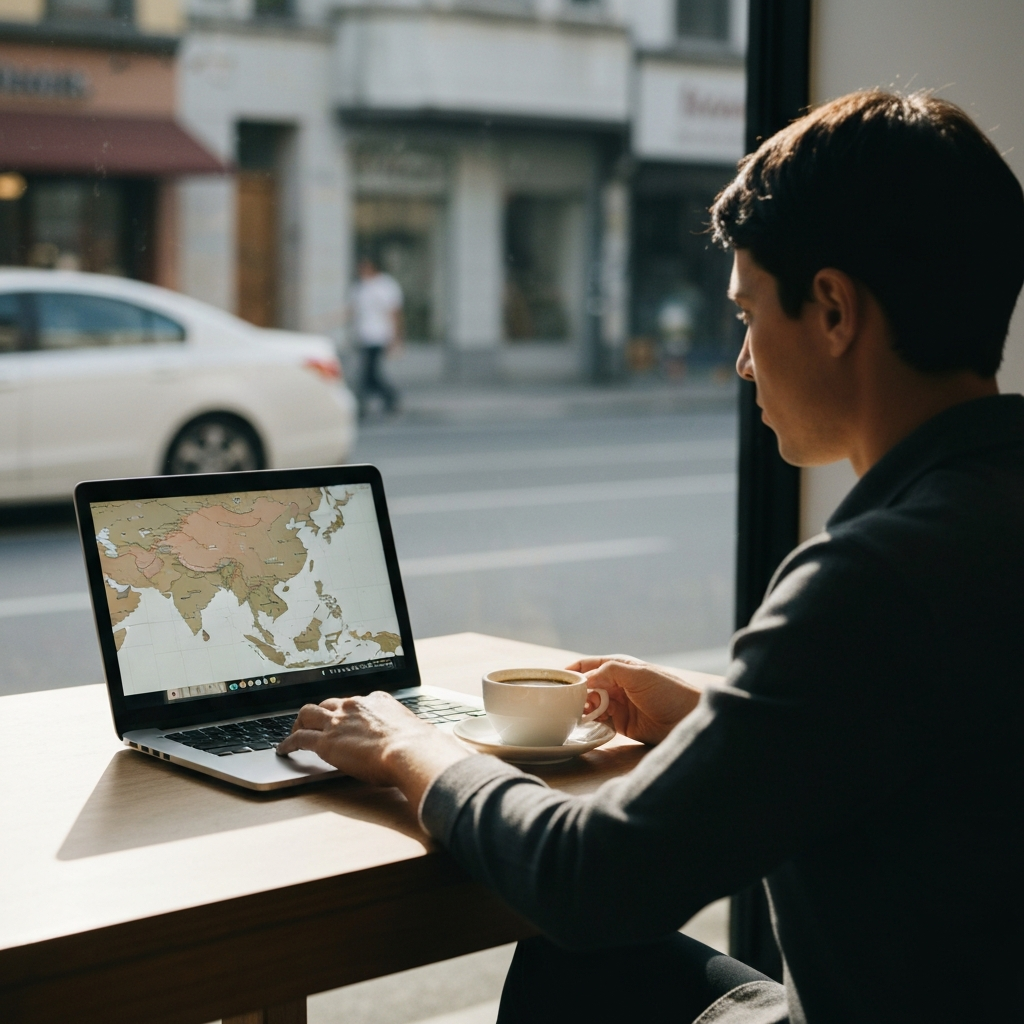
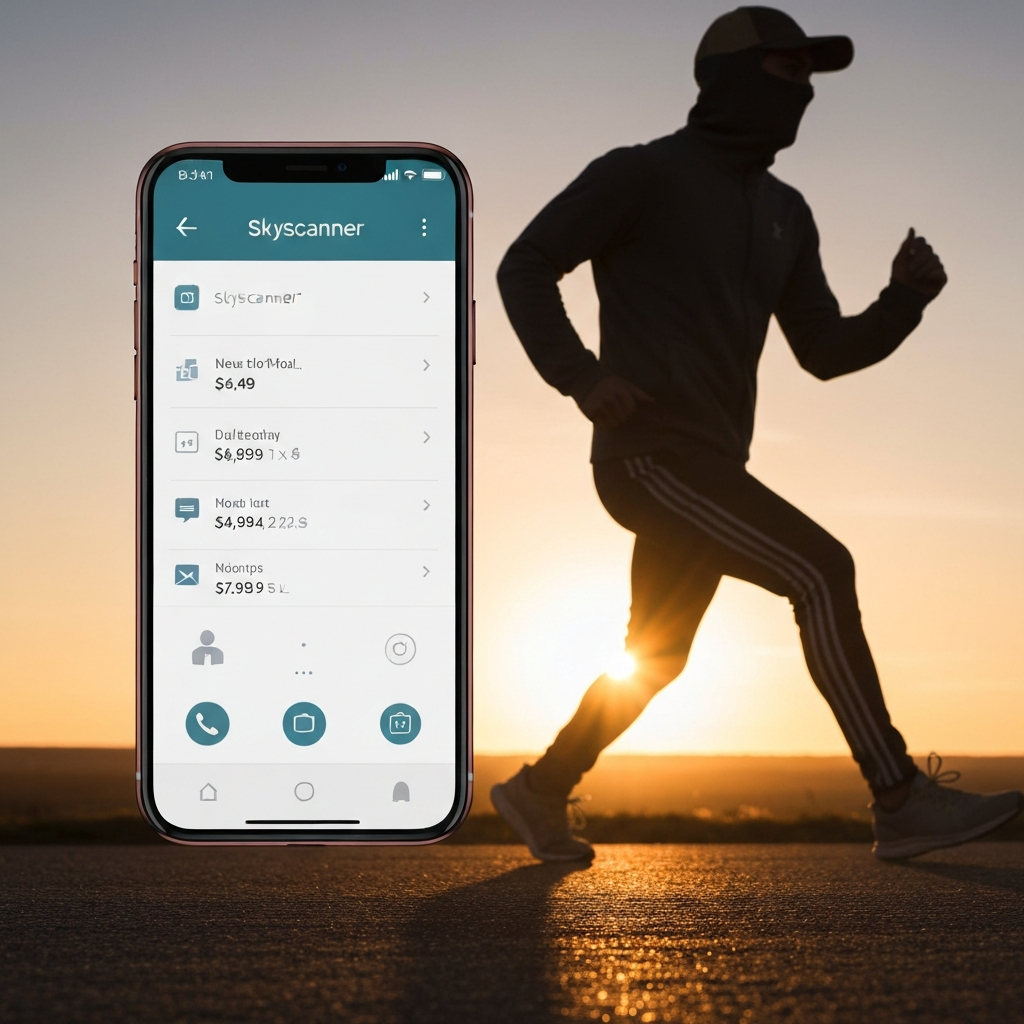
Flights are often the most significant expense of any trip. To secure the best deals, be flexible with your travel dates and destinations. Use flight comparison websites like Google Flights, Skyscanner, and Momondo to compare prices from different airlines and travel agencies. Set up price alerts to track flight prices and be notified when they drop. Consider flying on weekdays or during off-peak hours, as these flights tend to be cheaper. Look at alternative airports, even if they're slightly further from your final destination. Be aware of baggage fees and pack light to avoid extra charges. Incognito mode can help prevent websites from tracking your searches and potentially inflating prices.
Step 4: Secure Affordable Accommodation
Explore Budget-Friendly Options
Accommodation is another significant expense, but there are plenty of ways to save money. Hostels are a great option for solo travelers and budget-conscious travelers. They offer dorm rooms at affordable prices and often have communal areas where you can meet other travelers. Consider Airbnb or VRBO for longer stays, especially if you're traveling with a group. Look for apartments or guesthouses with kitchen facilities to save money on food. Couchsurfing is another option for free accommodation, but it requires careful planning and communication with hosts. House-sitting is a growing trend where you can stay at someone's home for free in exchange for looking after their pets or property.

Step 5: Plan Your Activities Strategically
Free and Low-Cost Activities
Experiencing a destination doesn't have to cost a fortune. Many cities offer free walking tours led by local guides. Explore parks, museums (check for free admission days), and historical sites on your own. Pack a picnic lunch instead of eating at restaurants. Take advantage of free events and festivals. Look for local deals and discounts on activities and attractions. Research free hiking trails or scenic viewpoints. Simply wandering around a city and soaking up the atmosphere can be a rewarding and budget-friendly experience.

Step 6: Embrace Local Transportation
Navigate Like a Local
Avoid expensive tourist traps like taxis and private transportation. Instead, embrace local transportation options such as buses, trains, and trams. These are often significantly cheaper and offer a more authentic experience. Consider purchasing a travel pass if you plan to use public transportation frequently. Walking is a great way to explore a city and it's completely free. Rent a bicycle for a day or two to explore the surrounding area. In some countries, ride-sharing apps like Uber or Grab can be more affordable than taxis. Research the local transportation system and plan your routes in advance.

Step 7: Cook Your Own Meals
Save Money on Food
Eating out can quickly drain your travel budget. To save money, cook your own meals whenever possible. Visit local markets and buy fresh produce to prepare simple and affordable meals. Look for accommodation with kitchen facilities or shared cooking spaces. Pack snacks to avoid buying expensive food on the go. Try local street food, which is often delicious and budget-friendly. Be mindful of portion sizes and avoid ordering too much food. Research grocery stores and supermarkets in your destination to find the best deals.

Step 8: Stay Connected for Less
Find Affordable Internet Access
Staying connected is important, but it doesn't have to be expensive. Take advantage of free Wi-Fi hotspots at cafes, libraries, and public spaces. Consider purchasing a local SIM card with a data plan. This is often more affordable than using international roaming. Download maps and translation apps for offline use. Inform your bank and phone carrier of your travel dates to avoid any issues with your accounts. Let friends and family know your itinerary in case of emergencies. Use messaging apps like WhatsApp or Telegram to communicate with people back home.

Step 9: Be Flexible and Adaptable
Embrace the Unexpected
Things don't always go according to plan when you're traveling. Flights get delayed, accommodation falls through, and unexpected expenses arise. The key to budget travel is to be flexible and adaptable. Be prepared to change your plans and embrace the unexpected. Don't be afraid to try new things and step outside your comfort zone. Learn to say yes to new opportunities and experiences. A positive attitude and a willingness to adapt will go a long way in ensuring a successful and enjoyable budget travel experience.
Safety Considerations
While budget travel prioritizes affordability, safety should never be compromised. Research the safety situation in your destination and be aware of potential risks. Keep your valuables secure and avoid walking alone in unsafe areas, especially at night. Inform someone of your itinerary and check in regularly. Purchase travel insurance to protect yourself against unexpected medical expenses or theft. Learn basic phrases in the local language to communicate with people in case of emergencies. Trust your instincts and avoid situations that make you feel uncomfortable. Stay informed about local laws and customs.
Pro Tips
- Travel during the off-season or shoulder season to save money on flights and accommodation.
- Look for free activities and attractions in your destination.
- Cook your own meals whenever possible.
- Embrace local transportation options.
- Be flexible and adaptable.
- Pack light to avoid baggage fees.
- Sign up for travel rewards programs to earn points and miles.
- Take advantage of free Wi-Fi hotspots.
- Research your destination thoroughly.
- Stay safe and be aware of your surroundings.
FAQ Section
Q: How much money do I need to travel on a budget?
A: The amount of money you need depends on your destination, travel style, and the length of your trip. Research the average daily costs of potential destinations and create a detailed budget.
Q: What is the best way to find cheap flights?
A: Use flight comparison websites, be flexible with your travel dates and destinations, and set up price alerts.
Q: Where can I find affordable accommodation?
A: Hostels, Airbnb, guesthouses, and couchsurfing are all great options for budget accommodation.
Q: How can I save money on food while traveling?
A: Cook your own meals, pack snacks, try local street food, and avoid touristy restaurants.
Conclusion
Wanderlust on a budget is not only possible but also incredibly rewarding. By following these tips and embracing a spirit of adventure, you can experience the world without breaking the bank. Remember to define your travel style, choose affordable destinations, master the art of flight hacking, secure budget-friendly accommodation, plan your activities strategically, embrace local transportation, cook your own meals, stay connected for less, and be flexible and adaptable. With careful planning and a bit of resourcefulness, you can create unforgettable travel memories that will last a lifetime. So pack your bags, book your tickets, and get ready to explore the world!