Embarking on a marathon or half marathon journey is an incredible feat of physical and mental endurance. It's more than just running; it's about discipline, smart training, and understanding your body's needs. This guide provides a structured approach to help you prepare effectively, whether you're a seasoned runner aiming for a personal best or a beginner lacing up for your first race.
Success in marathon training hinges on consistency and a well-structured plan. Rushing the process can lead to injuries and setbacks. This guide will walk you through the key steps, from building a solid foundation to race-day strategies, ensuring you cross that finish line strong and healthy.
Remember, every runner's journey is unique. Adapt this guide to your individual needs and abilities, and listen to your body. With dedication and smart training, you'll be well on your way to achieving your marathon goals.
Step 1: Assess Your Current Fitness Level
Before diving into a training plan, honestly assess your current fitness level. This isn't about judging yourself; it's about understanding your starting point. Can you comfortably run a 5k? Have you been consistently active in other sports? Your starting point dictates the pace and intensity of your initial training. If you are entirely new to running, start with a walk/run program, gradually increasing the running intervals.

Step 2: Choose a Training Plan
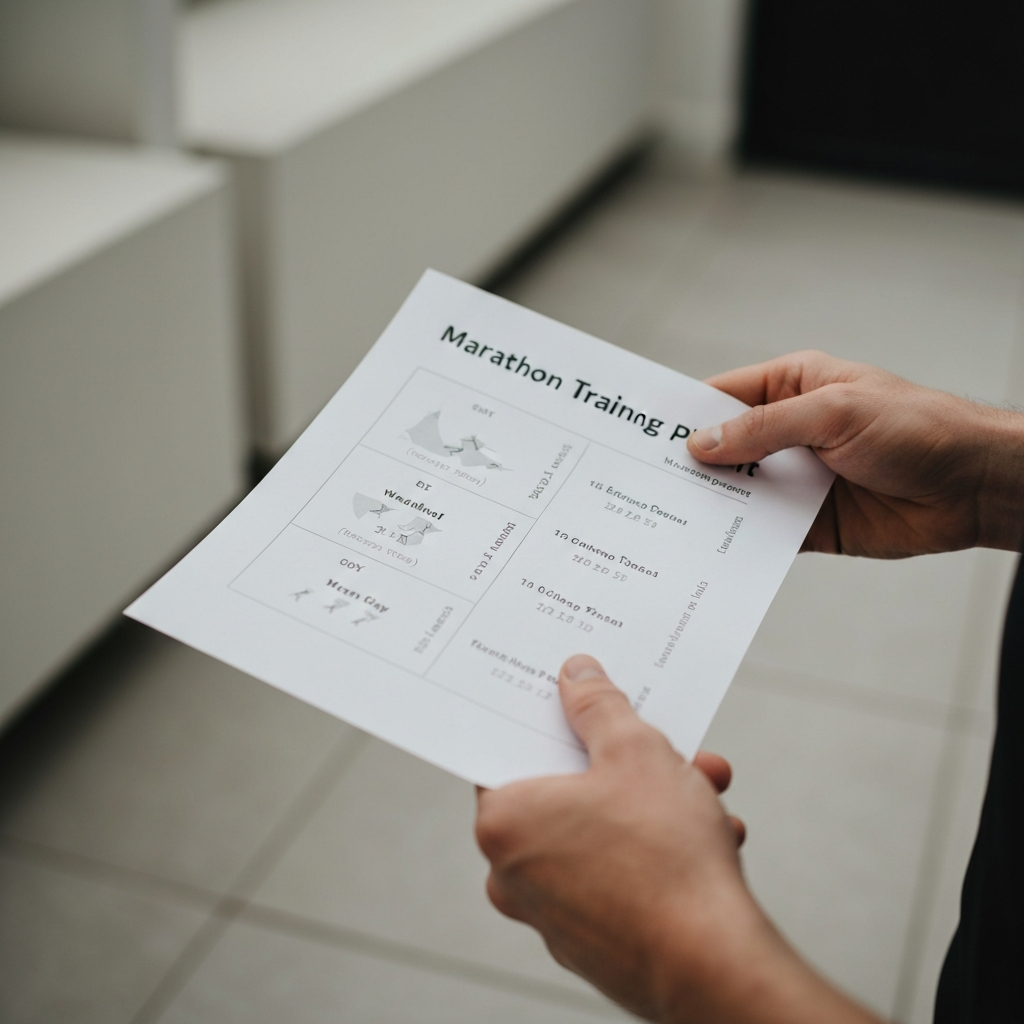
Selecting the right training plan is crucial. Consider your experience level, the amount of time you can realistically dedicate to training each week, and your personal goals. A beginner plan will focus on building a base mileage, while an advanced plan will incorporate more speed work and high-intensity training. Many excellent plans are available online and in running books, often broken down by experience level. Don't be afraid to modify a plan to better suit your individual needs, but do so cautiously and gradually.
Step 3: Invest in Proper Gear
Running is a relatively simple sport, but having the right gear can make a significant difference. Most importantly, invest in a good pair of running shoes. Visit a specialty running store to get fitted properly. The staff can analyze your gait and recommend shoes that provide the right support and cushioning for your foot type. Also, consider moisture-wicking apparel to stay comfortable, especially during longer runs. A comfortable running watch can also be helpful for pacing and tracking your progress.

Step 4: Build Your Base Mileage
Base mileage forms the foundation of your marathon training. This involves running consistently at an easy, conversational pace to build your aerobic capacity and endurance. Gradually increase your weekly mileage by no more than 10% each week to avoid overtraining and injury. Prioritize consistency over speed during this phase. Include a long run each week, gradually increasing the distance. If you start feeling pain, stop! Rest and recover before resuming training.

Step 5: Incorporate Speed Work
Once you've established a solid base mileage, start incorporating speed work into your training. This includes interval training (short bursts of fast running with recovery periods), tempo runs (sustained effort at a comfortably hard pace), and hill repeats (running up and down hills to build strength). Speed work improves your running economy and helps you run faster for longer. Be sure to warm up properly before each speed workout and cool down afterward.

Step 6: Fuel Your Body Properly
Nutrition plays a vital role in marathon training. You need to fuel your body with the right nutrients to support your increased mileage and intensity. Focus on a balanced diet that includes plenty of carbohydrates for energy, protein for muscle repair, and healthy fats for overall health. Experiment with different energy gels and sports drinks during your long runs to find what works best for you. Hydration is also crucial; drink plenty of water throughout the day.

Step 7: Prioritize Rest and Recovery
Rest and recovery are just as important as training. Your body needs time to repair and rebuild after hard workouts. Aim for 7-9 hours of sleep each night. Incorporate rest days into your training plan, and don't be afraid to take extra rest days if you're feeling fatigued or sore. Consider incorporating active recovery, such as light stretching or foam rolling, to help your muscles recover.

Step 8: Practice Race-Day Strategies
In the weeks leading up to the race, practice your race-day strategies. This includes your pre-race meal, your warm-up routine, your pacing strategy, and your fueling and hydration plan. Don't try anything new on race day! Stick to what you've practiced during your training. Also, familiarize yourself with the race course and plan your pacing strategy accordingly.

Step 9: Taper Before the Race
The taper is a period of reduced training volume in the weeks leading up to the race. This allows your body to fully recover and replenish its energy stores. Resist the urge to cram in extra training during the taper. Trust in the training you've done and focus on resting and recovering. Some light activity, such as easy runs, can help you stay loose and prevent stiffness.
Step 10: Race Day!
It's race day! Get plenty of sleep the night before, eat a familiar breakfast, and arrive at the race early to allow plenty of time to prepare. Follow your pre-race routine, stay calm and focused, and enjoy the experience! Remember to pace yourself and listen to your body. Celebrate your accomplishment after crossing the finish line!
Common Mistakes to Avoid
- Increasing mileage too quickly
- Ignoring pain or injuries
- Not getting enough rest
- Not fueling properly
- Trying new things on race day
Safety Considerations
- Run in well-lit areas and wear reflective clothing, especially at night.
- Be aware of your surroundings and avoid running with headphones if it impairs your awareness.
- Carry identification and emergency contact information.
- Stay hydrated and be mindful of the weather conditions.
Pro Tips
- Join a running club or find a running buddy for motivation and support.
- Use a foam roller to help relieve muscle soreness.
- Practice visualization techniques to mentally prepare for the race.
- Celebrate your progress along the way.
FAQ Section
Q: How long does it take to train for a marathon?
A: A typical marathon training plan is 16-20 weeks long.
Q: How many days a week should I run?
A: Most training plans involve running 4-6 days per week.
Q: What should I eat before a long run?
A: Focus on carbohydrates, such as oatmeal, toast, or a banana.
Training for a marathon or half marathon is a challenging but incredibly rewarding experience. By following a structured training plan, prioritizing rest and recovery, and fueling your body properly, you can increase your chances of success and enjoy the journey. Remember to listen to your body, adapt the plan to your individual needs, and celebrate your accomplishments along the way. Good luck!