Storytelling is a fundamental human skill, essential for communication, connection, and creative expression. Whether you're an educator, a business professional, or simply passionate about sharing narratives, learning to teach storytelling effectively can unlock tremendous potential in others. This guide provides a structured approach to developing your storytelling instruction skills, empowering you to cultivate confident and engaging storytellers.
Teaching storytelling isn't just about imparting information; it's about fostering creativity, encouraging active listening, and building confidence in self-expression. It requires a blend of theoretical knowledge, practical exercises, and constructive feedback. This comprehensive guide will walk you through the essential steps, from honing your own storytelling abilities to tailoring your instruction to different age groups and learning styles.
By following these steps, you'll be well-equipped to guide your students on a journey of narrative discovery, helping them craft compelling stories that captivate and inspire. Get ready to empower others to find their voice and share their unique perspectives through the art of storytelling.
Step 1: Master the Art of Storytelling Yourself
Before you can effectively teach storytelling, you must first become a compelling storyteller yourself. This involves understanding the core elements of a good story: compelling characters, a clear plot, engaging setting, and a satisfying resolution. Immerse yourself in the world of stories by reading widely, watching films, and listening to podcasts. More importantly, actively practice telling stories to friends, family, or even yourself in the mirror. Consider enrolling in a storytelling workshop or joining a local storytelling group to refine your skills and gain valuable feedback.

Step 2: Observe and Analyze Your Audience's Reactions
Effective storytelling is a dynamic process, constantly adapting to the audience's engagement. Pay close attention to how your listeners respond to your stories. Are they attentive, laughing, or emotionally moved? Sustained eye contact and positive body language are good indicators. Conversely, fidgeting, attempts to change the subject, or general inattentiveness may signal that you need to adjust your pace, tone, or details. Use these observations to refine your storytelling technique and better understand what resonates with your audience.

Step 3: Refine Your Storytelling for Clarity and Impact
Ensure your audience is consistently following your narrative. If you notice waning interest, take a moment to re-engage them. Make sure your story has a clear beginning, middle, and end, and that its relevance to the audience is immediately apparent. Identify your reason for telling the story and consider whether it aligns with the listener's interests or needs. Experiment with different narrative structures, pacing, and emotional cues to maximize impact.

Step 4: Incorporate Multimedia and Sensory Elements
Enhance your storytelling by incorporating props, sounds, and visual tools. For younger audiences, physical objects or sound effects can bring a story to life and maintain their attention. For adult learners, consider using presentation software or images to visually support your narrative and enhance understanding. Remember, the goal is to create a multi-sensory experience that engages the audience on multiple levels.

Step 5: Assess Your Readiness to Teach
You'll know you're ready to teach storytelling when others consistently enjoy your stories and ask you to retell them. Look for sustained engagement from your listeners, positive changes in their behavior or perspective as a result of your stories, and genuine enthusiasm for your narrative skills. Confidence in your ability to captivate and inspire through storytelling is a key indicator that you're prepared to guide others on their own storytelling journey.

Step 6: Identify Your Target Audience
Understanding your audience is crucial for tailoring your teaching approach. Are you teaching young children, teenagers, or adults? Are they in a school setting, a corporate environment, or a community workshop? Each age group and context requires a different pedagogical approach. Consider their existing knowledge, learning styles, and motivations for learning storytelling.
Step 7: Tailor Your Curriculum to Specific Needs
Assess the needs of your target audience and plan your curriculum accordingly. Young children benefit from structured activities, clear instructions, and constant guidance. Teens and adults, on the other hand, are more self-directed and appreciate materials they can read and study independently, such as syllabi, handouts, and assigned readings. Consider incorporating a mix of theoretical concepts, practical exercises, and group discussions.

Step 8: Communicate Storytelling Techniques Effectively
Leverage your storytelling expertise to communicate the essential techniques to your students. Share your knowledge of plot structure, character development, dialogue, setting, and theme. Encourage your students to think about compelling stories they want to tell, providing prompts and ideas relevant to their age group and the specific goals of the class. A public speaking class will focus on different types of stories compared to a marketing workshop aimed at improving sales pitches.
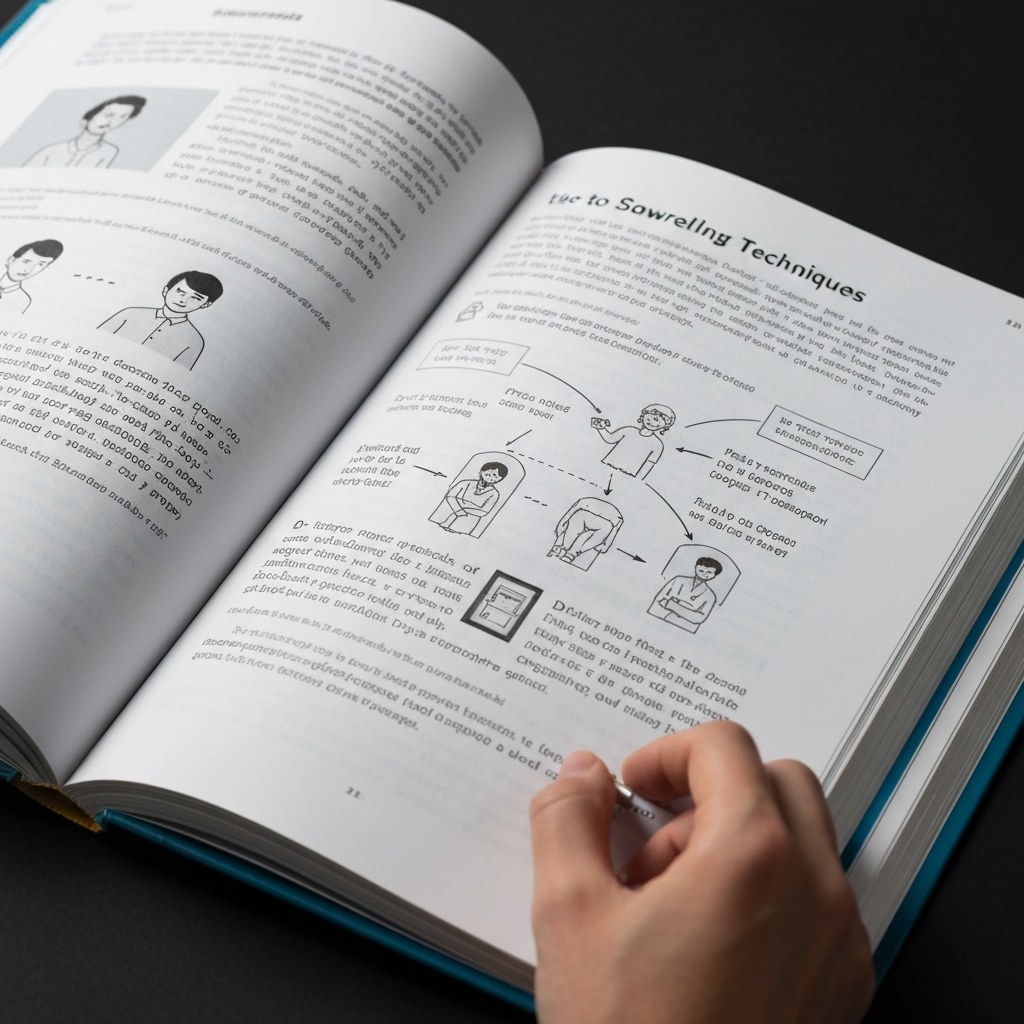
Step 9: Provide Constructive and Encouraging Feedback
Offer your students the feedback they need to improve their storytelling skills. Observe their performance, paying attention to their storytelling speed, tone, details, gestures, and use of props or visual aids. Encourage students by highlighting their strengths and providing constructive criticism in a positive and supportive manner. Frame your feedback in a way that motivates them to continue refining their skills and building confidence.
Tools or Materials Required
- Storytelling books and resources
- Presentation software (e.g., PowerPoint, Keynote)
- Props and visual aids
- Handouts and worksheets
- Whiteboard or projector
- Recording devices (optional, for self-assessment)
Common Mistakes to Avoid
- Failing to tailor your teaching approach to the specific needs of your audience.
- Focusing too much on theory and not enough on practical exercises.
- Providing feedback that is overly critical or discouraging.
- Neglecting to create a supportive and inclusive learning environment.
- Underestimating the importance of your own storytelling skills as a teacher.
Pro Tips
- Record yourself teaching and analyze your performance to identify areas for improvement.
- Invite guest speakers or storytellers to share their experiences with your students.
- Encourage students to collaborate and provide feedback to one another.
- Incorporate storytelling games and activities to make learning fun and engaging.
- Continuously seek out new resources and techniques to enhance your own storytelling skills.
FAQ Section
- How do I deal with students who are afraid to speak in public?
- Create a safe and supportive environment, start with small group activities, and provide positive reinforcement for every effort, no matter how small.
- What are some good storytelling prompts for beginners?
- Ask students to tell a story about a memorable experience, a favorite character, or a time they overcame a challenge.
- How can I assess students' storytelling skills?
- Evaluate their ability to create a compelling narrative, use vivid language, engage the audience, and deliver a clear message.
Conclusion
Teaching storytelling is a rewarding endeavor that empowers individuals to connect with others, express themselves creatively, and share their unique perspectives. By mastering the art of storytelling yourself, understanding your audience's needs, and providing constructive feedback, you can cultivate confident and engaging storytellers. Remember that storytelling is not just about entertainment; it's a powerful tool for communication, education, and personal growth. Embrace the journey, and watch your students flourish as they discover the magic of narrative.