Creating a compelling story can feel like a daunting task, but with the right approach and a little practice, anyone can craft narratives that captivate and resonate. Whether you're aiming to write a short story, a novel, or even just improve your storytelling skills for other areas of your life, understanding the fundamental elements of story creation is essential. This guide provides a step-by-step approach to help you unlock your creative potential and bring your stories to life.
This guide isn't about finding a magical formula. It’s about building a solid foundation and providing you with the tools and techniques needed to develop your own unique storytelling voice. We'll explore character development, plot construction, world-building, and the crucial revision process. By the end, you'll have a clear roadmap for taking your ideas from conception to completion.
So, grab your notebook, fire up your laptop, or find whatever writing tool suits you best, and let's embark on this exciting journey together. Get ready to unleash your imagination and discover the storyteller within!
Step 1: Brainstorming and Idea Generation
The first step in crafting a story is finding an idea worth telling. This involves brainstorming, exploring different concepts, and identifying the core elements that will drive your narrative. Don't be afraid to start with a small seed of an idea; it can grow into something much larger and more complex as you develop it. Consider drawing inspiration from personal experiences, current events, historical figures, or even dreams. The key is to find something that genuinely excites you, as this passion will fuel your writing process.
When brainstorming, try freewriting, mind mapping, or simply jotting down random thoughts and images that come to mind. Ask yourself "what if" questions to explore different possibilities and scenarios. For example, "What if animals could talk?" or "What if time travel were possible, but only to the past?". Remember that no idea is too silly or outlandish at this stage. The goal is to generate a wide range of options before narrowing down your focus.

Step 2: Character Development
Characters are the heart of any story, and well-developed characters are essential for engaging readers. Take the time to create characters that are believable, relatable, and complex. Give them unique personalities, motivations, flaws, and backstories. Consider their physical appearance, their mannerisms, their relationships with others, and their inner thoughts and feelings. How do they react under pressure? What are their deepest fears and desires?
Think about your main character or characters. Who are they? What do they want? What obstacles stand in their way? And what are the stakes if they fail? Consider also creating supporting characters, both allies and adversaries, who will play significant roles in your story. Even minor characters can add depth and richness to your narrative if they are given distinct personalities and motivations. Avoid creating cardboard cutout characters; everyone should have their own story, even if it's only hinted at.

Step 3: Plotting and Structure
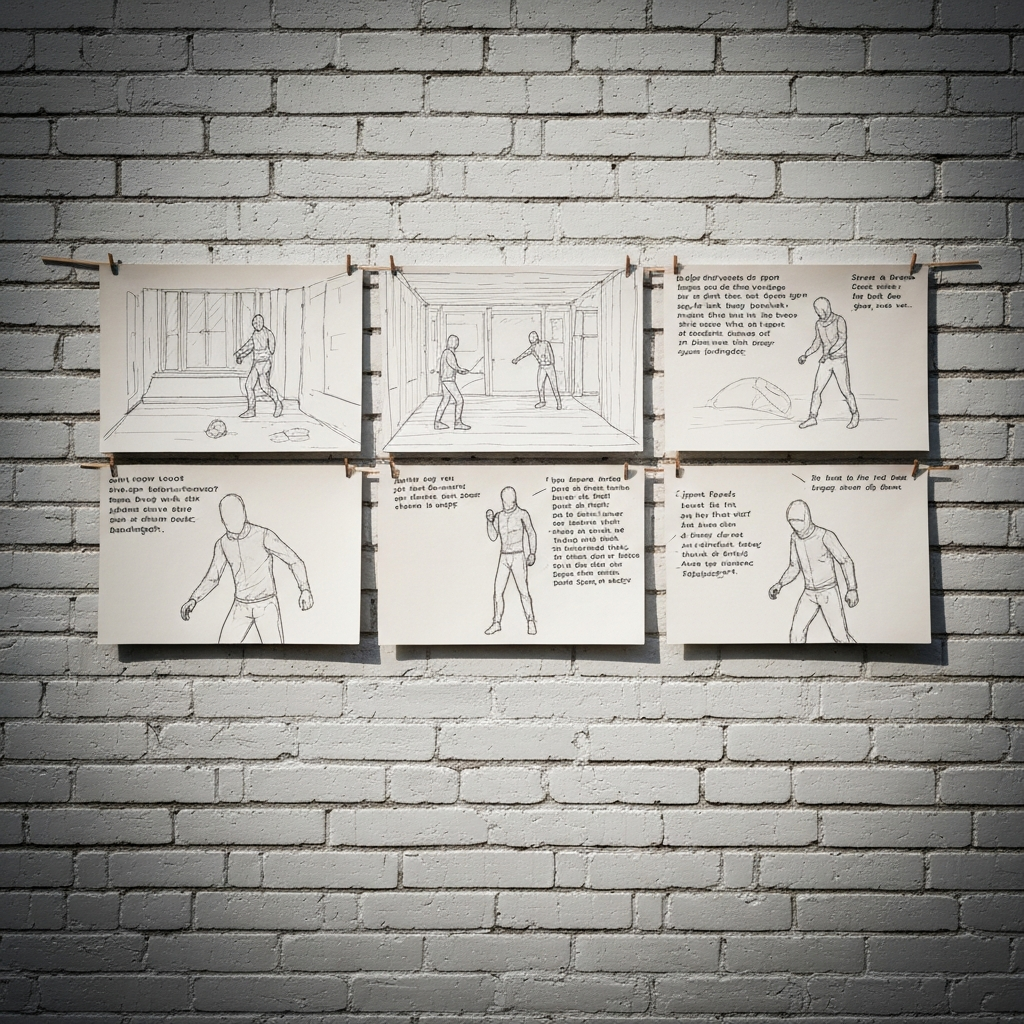
The plot is the sequence of events that unfolds in your story. It's the framework that holds everything together and drives the narrative forward. A well-structured plot should have a clear beginning, middle, and end, with rising action, a climax, and a resolution. Consider using a plot outline or storyboarding to map out the key events and ensure that your story has a logical flow.
Think about the central conflict of your story. What challenges will your characters face? How will they overcome them? And what will they learn along the way? Consider using plot devices such as foreshadowing, suspense, and twists to keep your readers engaged. And don't be afraid to deviate from a traditional plot structure if it serves your story better. The most important thing is to create a plot that is both compelling and meaningful.
Step 4: Setting and World-Building
The setting is the time and place in which your story takes place. It can be a real-world location or a fictional world of your own creation. A well-developed setting can add depth and atmosphere to your story, influencing the mood, tone, and even the characters' behavior. Consider the physical environment, the social and cultural context, and the historical background of your setting.
If you're creating a fictional world, think about its geography, climate, customs, and history. What are its unique features and characteristics? What rules govern its society? And what challenges do its inhabitants face? The more detail you put into your world-building, the more believable and immersive your story will be. However, be careful not to overwhelm the reader with too much information at once. Reveal details gradually and organically as the story progresses.

Step 5: Writing the First Draft
Once you have a solid outline and well-defined characters and setting, it's time to start writing the first draft. Don't worry about perfection at this stage. Just focus on getting your ideas down on paper (or screen). Don't get bogged down in editing or revising. The goal is to get the entire story written from beginning to end, even if it's rough and imperfect. You can always polish and refine it later.
Set realistic goals for yourself, such as writing a certain number of words or pages each day. Find a quiet and comfortable place where you can focus without distractions. And don't be afraid to experiment with different writing styles and techniques. The most important thing is to keep writing, even when you feel stuck or uninspired. Remember that every writer faces challenges, and the key is to persevere through them.

Step 6: Revising and Editing
After you've completed the first draft, it's time to revise and edit your story. This is where you'll polish and refine your writing, making sure that it's clear, concise, and engaging. Start by reading through your entire story, looking for any major issues with plot, character development, or pacing. Are there any plot holes or inconsistencies? Are your characters believable and relatable? Is the story moving at a good pace?
Once you've addressed the major issues, focus on the details. Check your grammar, spelling, and punctuation. Look for any awkward phrasing or repetitive language. And consider getting feedback from other writers or readers. Fresh eyes can often spot errors or weaknesses that you might have missed. Be open to constructive criticism and use it to improve your story.

Tools or Materials Required
- Notebook and pen or computer with word processing software
- A quiet place to write
- Plot outline template (optional)
- Character profile worksheets (optional)
- Dictionary and thesaurus
Common Mistakes to Avoid
- Starting without a clear idea or plan
- Creating flat or underdeveloped characters
- Using clichés or stereotypes
- Writing a confusing or convoluted plot
- Ignoring feedback from other writers or readers
- Giving up too easily
Pro Tips
- Read widely and voraciously to expand your vocabulary and learn from other writers.
- Join a writing group or workshop to get feedback and support.
- Set realistic goals and deadlines to stay on track.
- Don't be afraid to experiment and take risks.
- Revise and edit your work multiple times.
FAQ Section
- How do I overcome writer's block?
- Try freewriting, brainstorming, or taking a break from writing altogether. Sometimes a change of scenery or a fresh perspective can help.
- How do I find my writing voice?
- Experiment with different styles and techniques, and don't be afraid to be yourself. Your writing voice will develop over time as you write more and more.
- How do I get my story published?
- Research literary agents and publishers who specialize in your genre. Submit your manuscript according to their guidelines.
Conclusion
Creating a story is a challenging but rewarding process. By following these steps and practicing regularly, you can develop your storytelling skills and bring your ideas to life. Remember to start with a strong concept, create compelling characters, craft a well-structured plot, and revise your work carefully. Don't be afraid to experiment and take risks, and most importantly, never give up on your dreams of becoming a storyteller.