Free feeding, the practice of leaving food out for your pet to graze on throughout the day, can seem convenient. However, it can also lead to overeating, obesity, and difficulty in monitoring your pet's food intake. Making the switch to scheduled feedings can significantly improve your pet's health and well-being. This guide provides a step-by-step approach to help you transition your furry friend from free feeding to a more structured meal schedule.
Changing a pet's eating habits requires patience and consistency. It's not always a straightforward process, especially if your pet has been free-fed for a long time. Some pets adapt quickly, while others may take several weeks to adjust. Understanding your pet's individual needs and adjusting your approach accordingly is crucial for success. Before making any drastic changes, it's always a good idea to consult with your veterinarian, especially if your pet has any underlying health conditions.
This guide will walk you through each step of the process, from assessing your pet's current condition to establishing a consistent feeding schedule and monitoring their progress. We'll also cover some common challenges and provide tips to help you overcome them. Get ready to embark on a journey towards a healthier and happier pet!
Step 1: Assess Your Pet's Current Condition
Evaluate Your Pet's Weight and Health
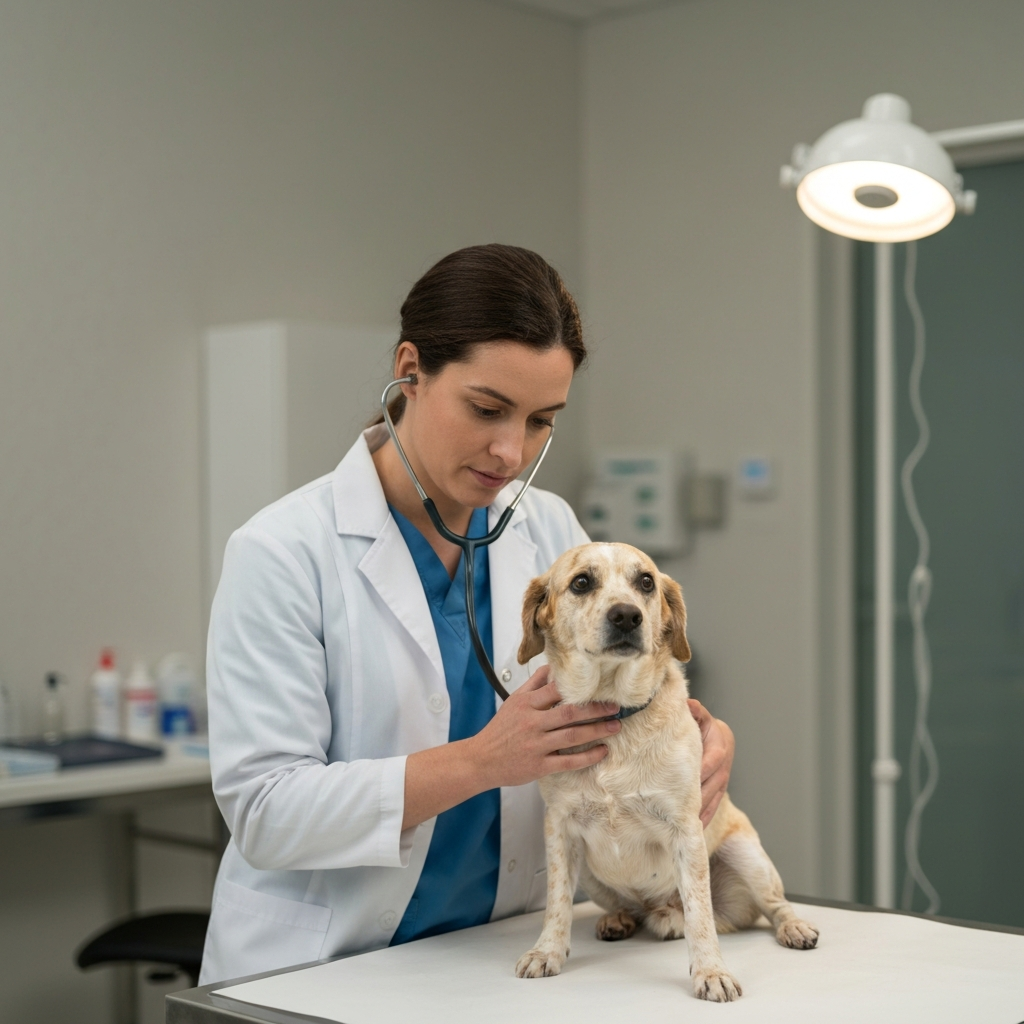
Before making any changes to your pet's diet, it's essential to assess their current health and weight. Are they overweight, underweight, or at a healthy weight? Consult with your veterinarian to determine your pet's ideal weight range. Pay close attention to your pet's body condition score, which considers factors like rib visibility and waistline definition. If your pet is overweight, gradual weight loss is the safest approach. Also, consider any existing health conditions that might influence your feeding strategy. A vet can help you determine the appropriate caloric intake and feeding schedule based on your pet's specific needs.
Step 2: Determine the Right Food and Portion Size
Select High-Quality Food and Calculate Portion Sizes
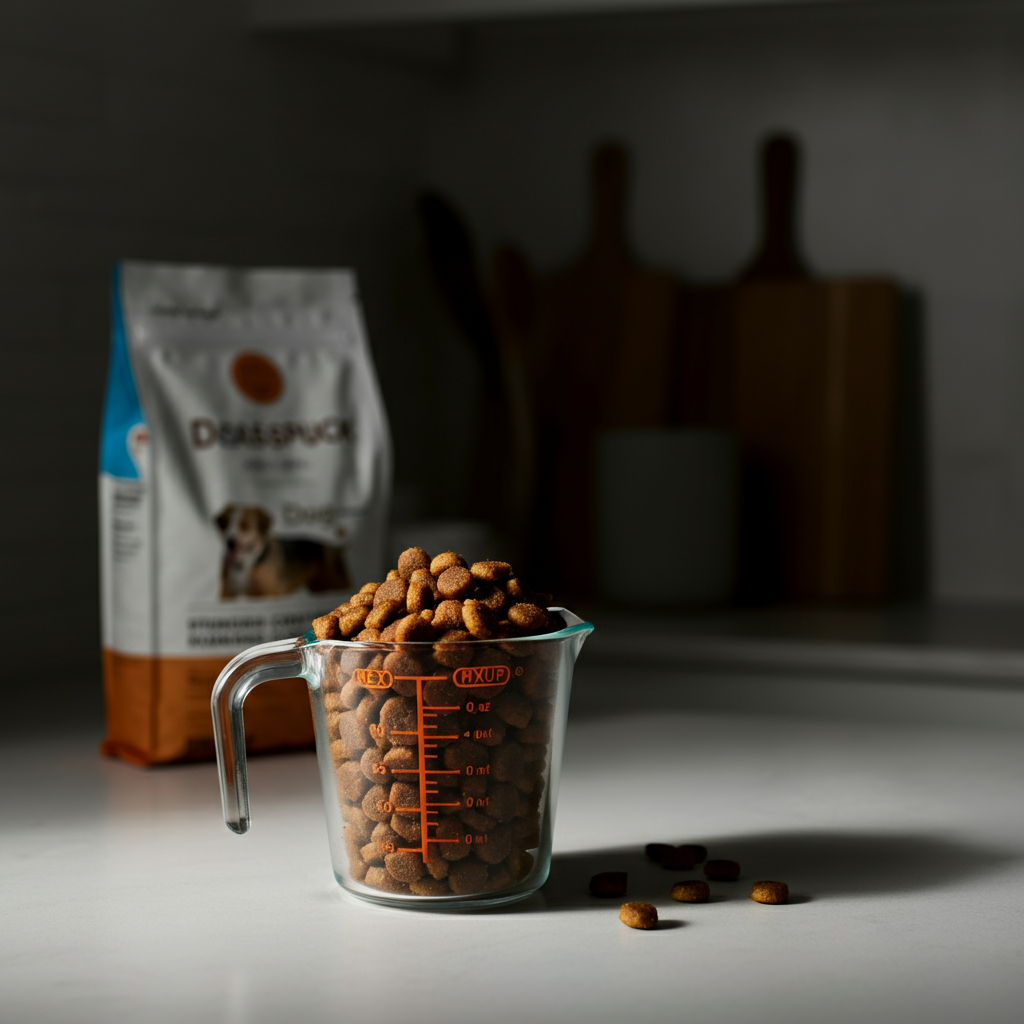
Choosing the right type of food is crucial for your pet's health. Opt for a high-quality pet food that meets their nutritional needs based on their age, breed, activity level, and any specific health conditions. Read the ingredient list carefully and prioritize foods with whole, recognizable ingredients. Once you've selected a food, carefully read the feeding guidelines on the packaging to determine the appropriate portion size for your pet's weight. Remember that these are just guidelines, and you may need to adjust the portion size based on your pet's individual needs and activity level. Divide the daily portion into multiple meals, typically two or three, to promote better digestion and prevent overeating.
Step 3: Establish a Consistent Feeding Schedule
Set Specific Meal Times and Stick to Them
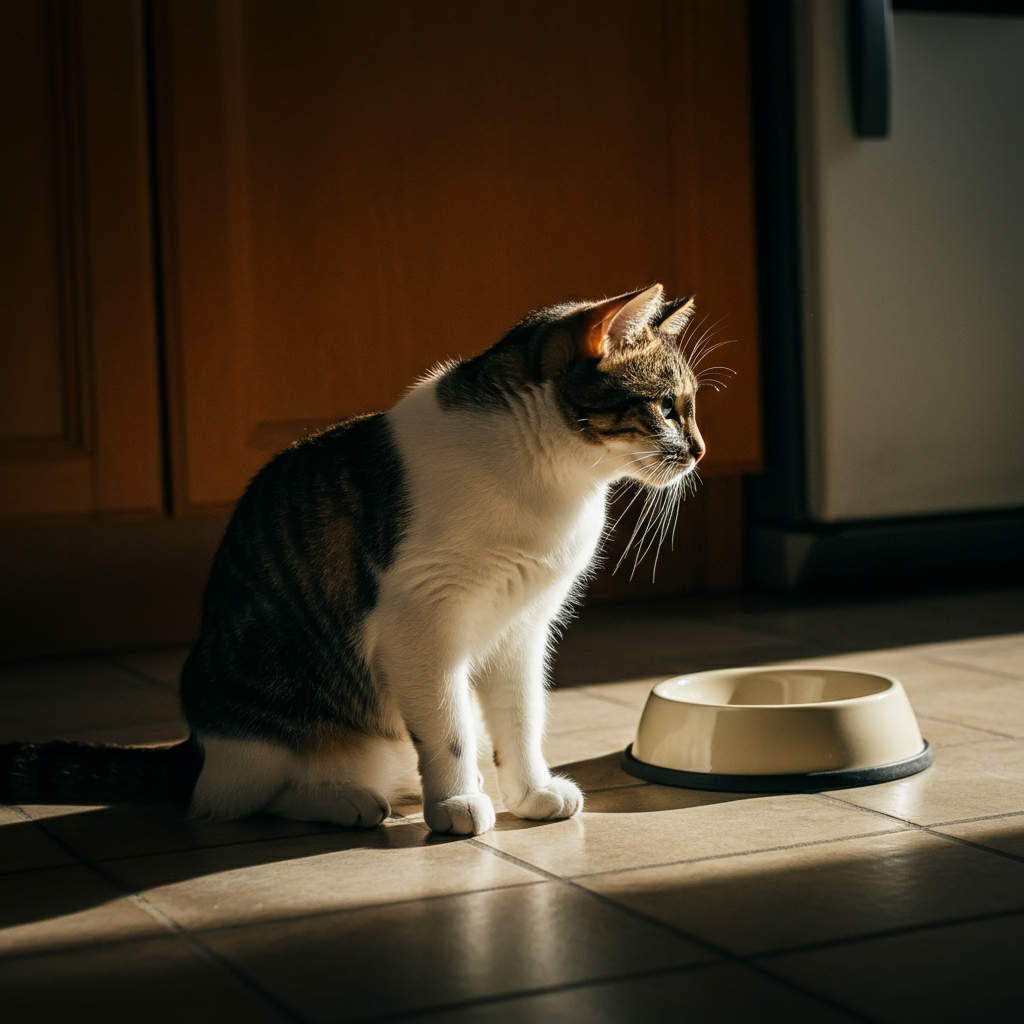
Consistency is key when switching from free feeding to a scheduled feeding routine. Choose specific meal times that fit your daily schedule and commit to feeding your pet at those times every day. For example, you might choose 7 AM and 6 PM for two meals a day. Animals thrive on routine, and a consistent feeding schedule will help your pet adjust more quickly and reduce anxiety around meal times. Avoid giving in to begging or whining between meals, as this can reinforce unwanted behavior. Be patient and persistent, and your pet will eventually learn to associate specific times with mealtime.
Step 4: Gradual Transition (If Necessary)
Slowly Adjust the Amount of Food Left Out
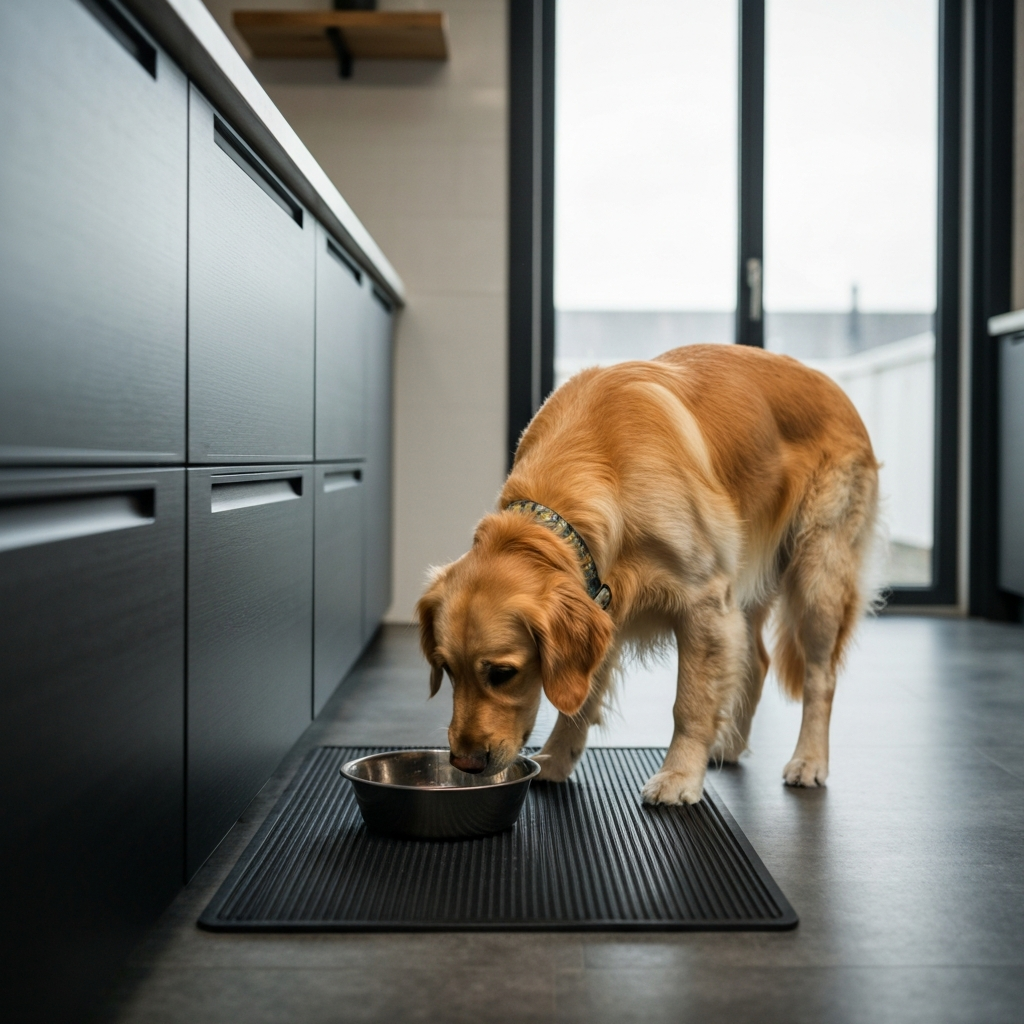
For some pets, a gradual transition from free feeding to scheduled meals is easier than an abrupt change. Begin by measuring out the amount of food you would typically leave out for the day. Then, divide that amount into scheduled meals. Initially, you might leave a small amount of food out between meals, gradually reducing it over a week or two. This gradual approach allows your pet to adjust to the new routine without feeling deprived or stressed. Monitor your pet's behavior closely during the transition and adjust your approach as needed. If they seem overly anxious or hungry, you might need to slow down the transition process.
Step 5: Monitor Your Pet's Eating Habits and Adjust as Needed
Observe Your Pet's Appetite and Weight
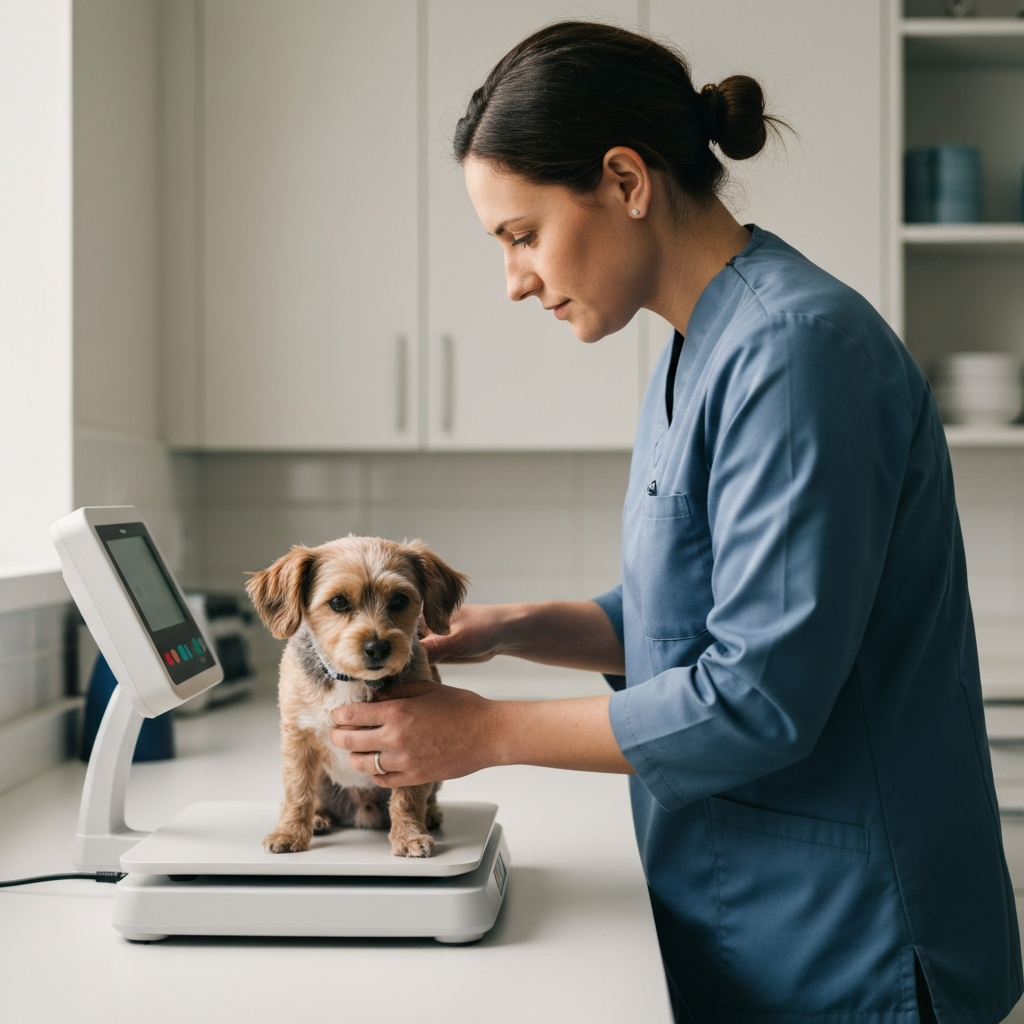
Once you've established a feeding schedule, monitor your pet's eating habits closely. Are they eating their meals enthusiastically? Are they leaving food in the bowl? Track their weight regularly and adjust their portion sizes accordingly. If your pet is gaining weight, reduce their portion sizes slightly. If they're losing weight or seem hungry, increase their portion sizes. Pay attention to their stool consistency, as changes in diet can sometimes affect digestion. If you notice any significant changes in your pet's appetite, weight, or stool consistency, consult with your veterinarian.
Step 6: Remove Food After a Set Time
Limit Meal Time Duration
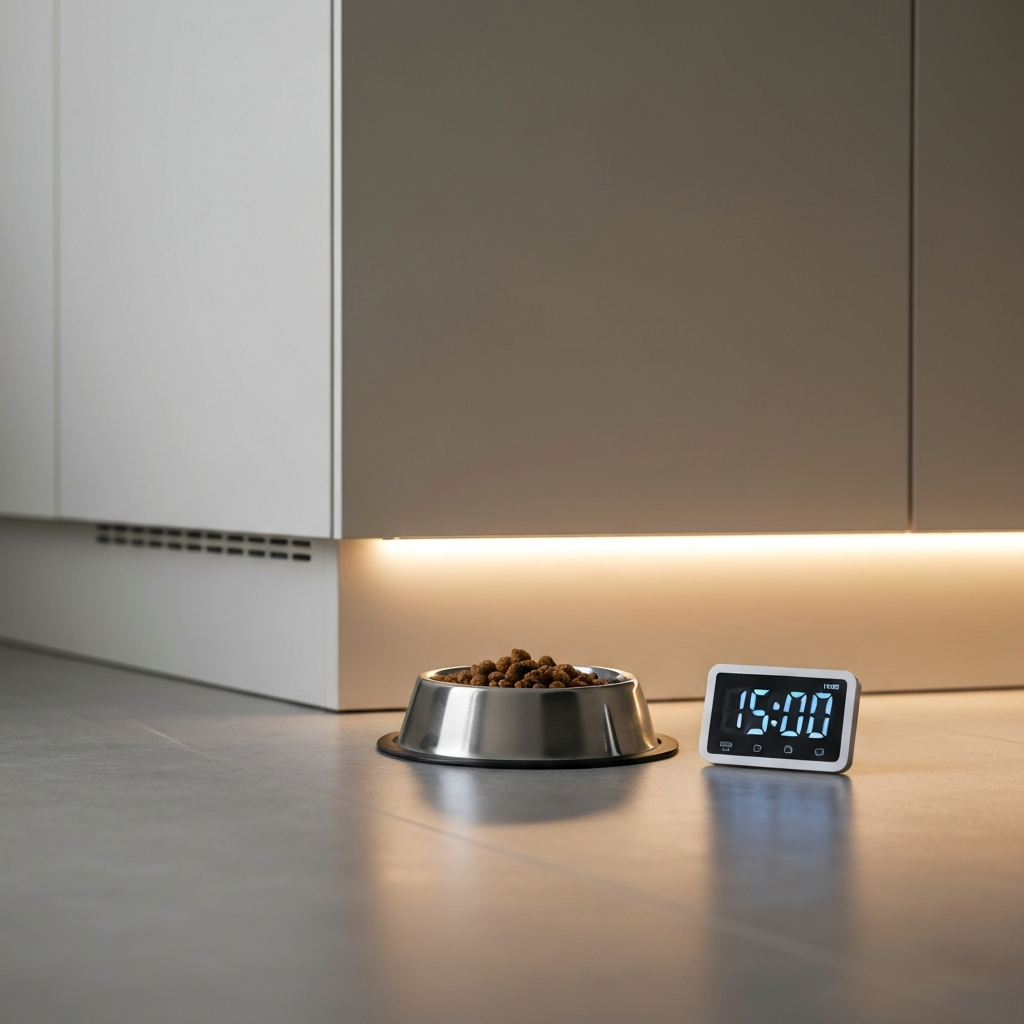
To reinforce the concept of scheduled feeding, only leave the food bowl down for a specified period – typically 15-30 minutes. After that time, remove the bowl, even if your pet hasn't finished eating. This helps them learn that food is only available at certain times and encourages them to eat their entire meal when it's offered. Don't worry if they don't finish their meal at first; they'll likely be hungrier at the next feeding. Over time, they will adjust their eating habits to match the schedule. If your pet consistently refuses to eat, consult with your veterinarian to rule out any underlying medical issues.
Step 7: Manage Multiple Pets
Supervise Feeding to Prevent Food Stealing
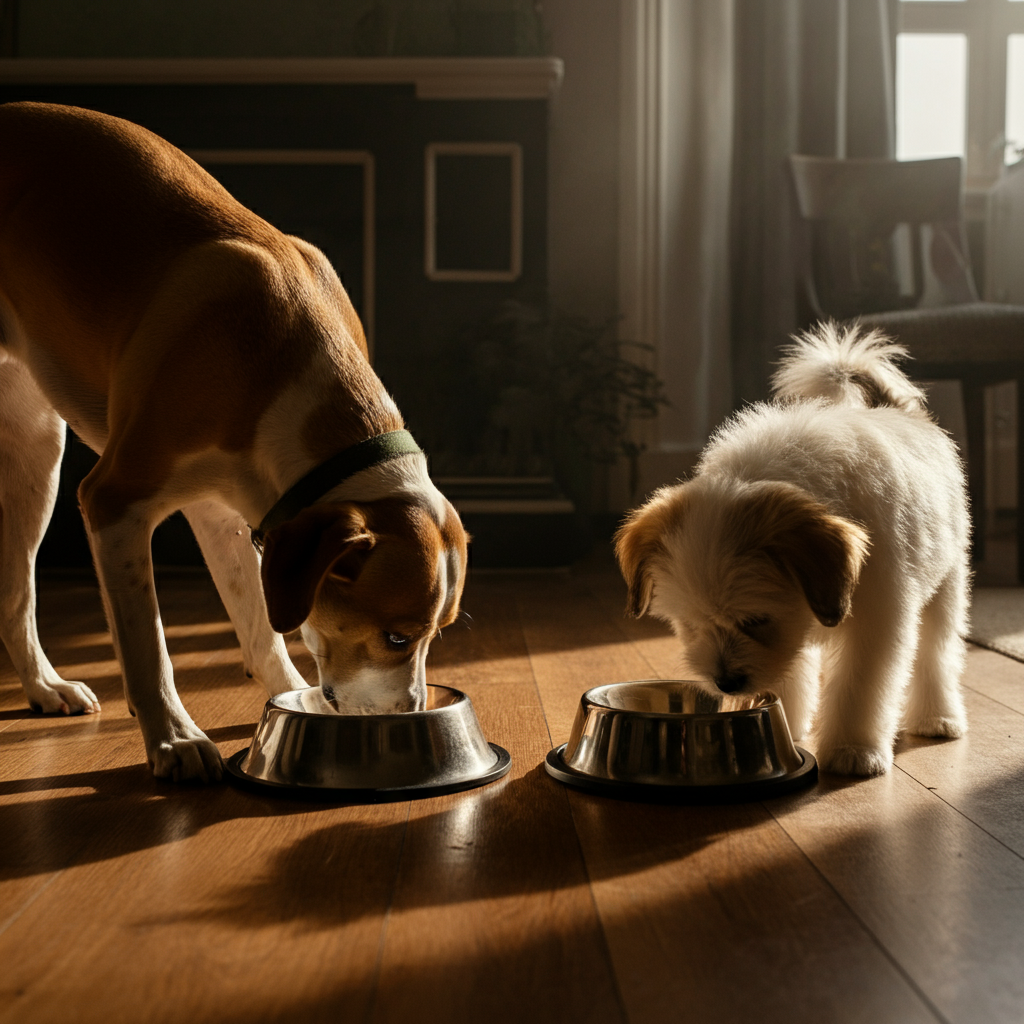
If you have multiple pets, managing feeding times can be more challenging. Separate your pets during meal times to prevent food stealing and ensure that each pet is eating their assigned portion. Consider using separate rooms or crates for feeding, and supervise the meals closely to prevent any conflicts. For pets with significant weight differences, you may need to use special bowls or feeding stations that prevent larger pets from accessing the food of smaller pets. Monitor each pet's weight and adjust their portions accordingly to ensure they are all maintaining a healthy weight.
Pro Tips
- Be patient and consistent! It takes time for pets to adjust to a new feeding schedule.
- Resist the urge to give in to begging or whining.
- Use puzzle feeders to slow down eating and provide mental stimulation.
- Offer healthy treats in moderation between meals, but factor them into your pet's daily caloric intake.
FAQ Section
- What if my pet skips a meal?
- Don't panic! It's normal for pets to occasionally skip a meal, especially when transitioning to a new feeding schedule. Simply remove the food and offer it again at the next scheduled meal. If your pet consistently skips meals, consult with your veterinarian.
- How long will it take for my pet to adjust?
- The adjustment period varies depending on the pet. Some pets adjust within a few days, while others may take several weeks. Be patient and consistent with your feeding schedule.
- Can I still give my pet treats?
- Yes, you can still give your pet treats, but do so in moderation and factor them into their daily caloric intake. Choose healthy treats and avoid giving them table scraps.
Conclusion
Switching from free feeding to a scheduled feeding routine can be a challenging but rewarding experience for both you and your pet. By following these steps and being patient and consistent, you can help your pet achieve a healthier weight, improve their digestion, and establish a more predictable routine. Remember to consult with your veterinarian before making any significant changes to your pet's diet or feeding schedule. Good luck!