Planning a trip to South Africa is an exciting prospect, filled with the promise of stunning landscapes, diverse cultures, and unforgettable experiences. However, like any travel destination, it's crucial to approach your booking process with caution and awareness to ensure a safe and enjoyable trip. This guide provides practical steps and expert tips to help you navigate the South African travel landscape and avoid potential pitfalls, allowing you to focus on creating lasting memories.
Many first-time visitors to Africa understandably have concerns about safety and potential scams. This guide aims to alleviate those concerns by providing actionable advice and highlighting potential red flags. Remember that a little preparation goes a long way in ensuring a smooth and secure travel experience. South Africa welcomes millions of tourists each year, and with the right precautions, you can have an incredible adventure.
This guide will provide step-by-step instructions on how to select reputable travel agencies, verify credentials, handle airport situations, and practice general safety awareness. By following these guidelines, you can minimize risks and maximize your enjoyment of all that South Africa has to offer.
Step 1: Choose Reputable Travel Agencies
Selecting a reputable travel agency is paramount to a secure booking experience. Avoid "discount" agencies that offer deals that seem too good to be true, as they are often unreliable and may disappear with your money. Instead, opt for well-established agencies with a proven track record, such as Flight Centre or Thompson's Travel. These agencies typically have better customer service, offer more robust protection policies, and have established relationships with reputable service providers in South Africa.

Step 2: Request Testimonials and References
Before committing to a travel package, always request testimonials and references from the agency. Contact these references to inquire about their experiences with the agency and the quality of the services provided. Don't hesitate to ask detailed questions about the booking process, accommodations, transportation, and any potential issues they encountered. This due diligence can provide valuable insights and help you make an informed decision.

Step 3: Secure Your Belongings at the Airport
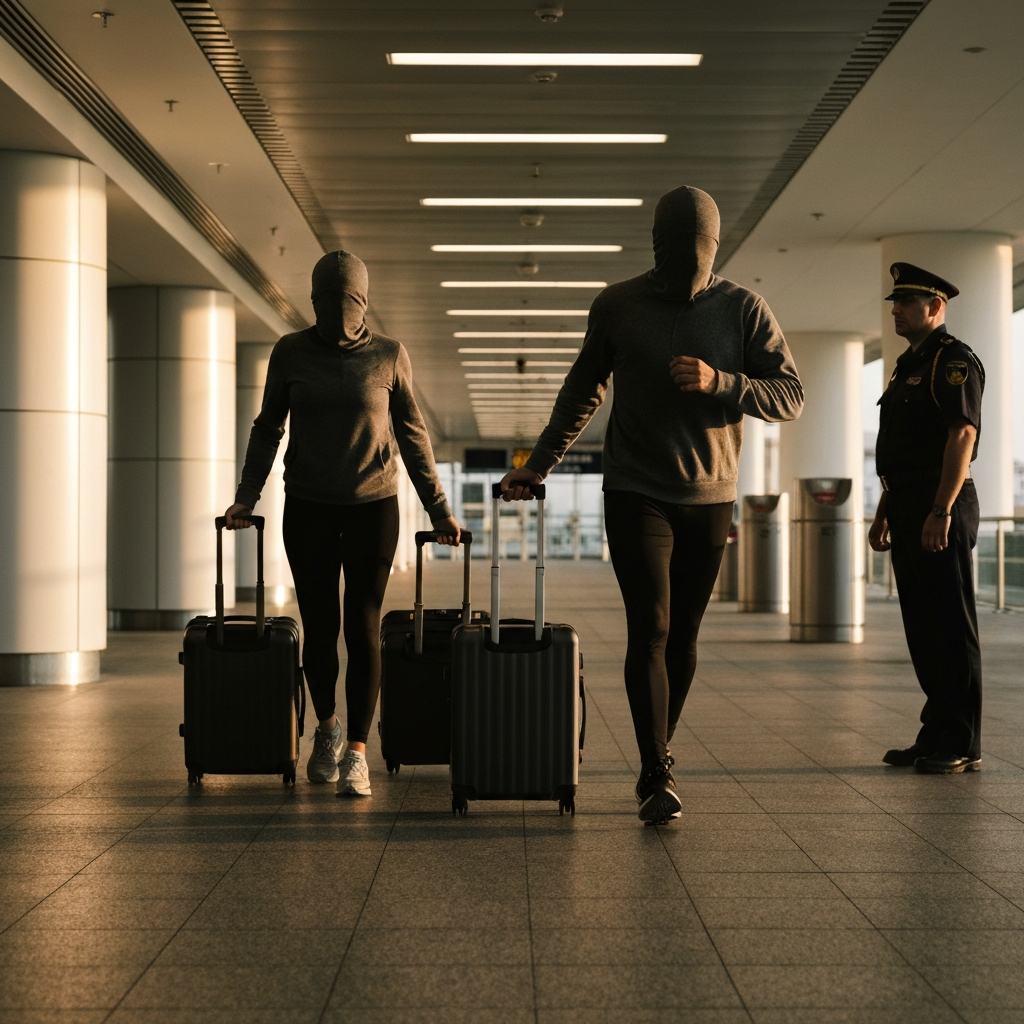
Upon arrival in South Africa, vigilance is key, especially at the airport. Keep a close watch on your luggage at all times, as airports can be hotspots for petty theft and scams. Be wary of individuals offering unsolicited assistance with your bags, as this could be a tactic to distract you or steal your belongings. If you require assistance, seek out uniformed airport staff or designated porters. Be polite but firm if you feel uncomfortable or pressured by anyone approaching you.
Step 4: Navigating Tipping and Avoiding Unwanted Attention
Tipping is customary in South Africa for good service, but it's not mandatory. A tip of 10% is generally considered adequate for satisfactory service in restaurants or for excursions. Avoid flaunting large amounts of cash, as this can attract unwanted attention. Keep jewelry and expensive accessories to a minimum when exploring cities. Be mindful of your surroundings and avoid displaying signs of wealth that could make you a target for theft.

Step 5: Stay Alert and Trust Your Gut
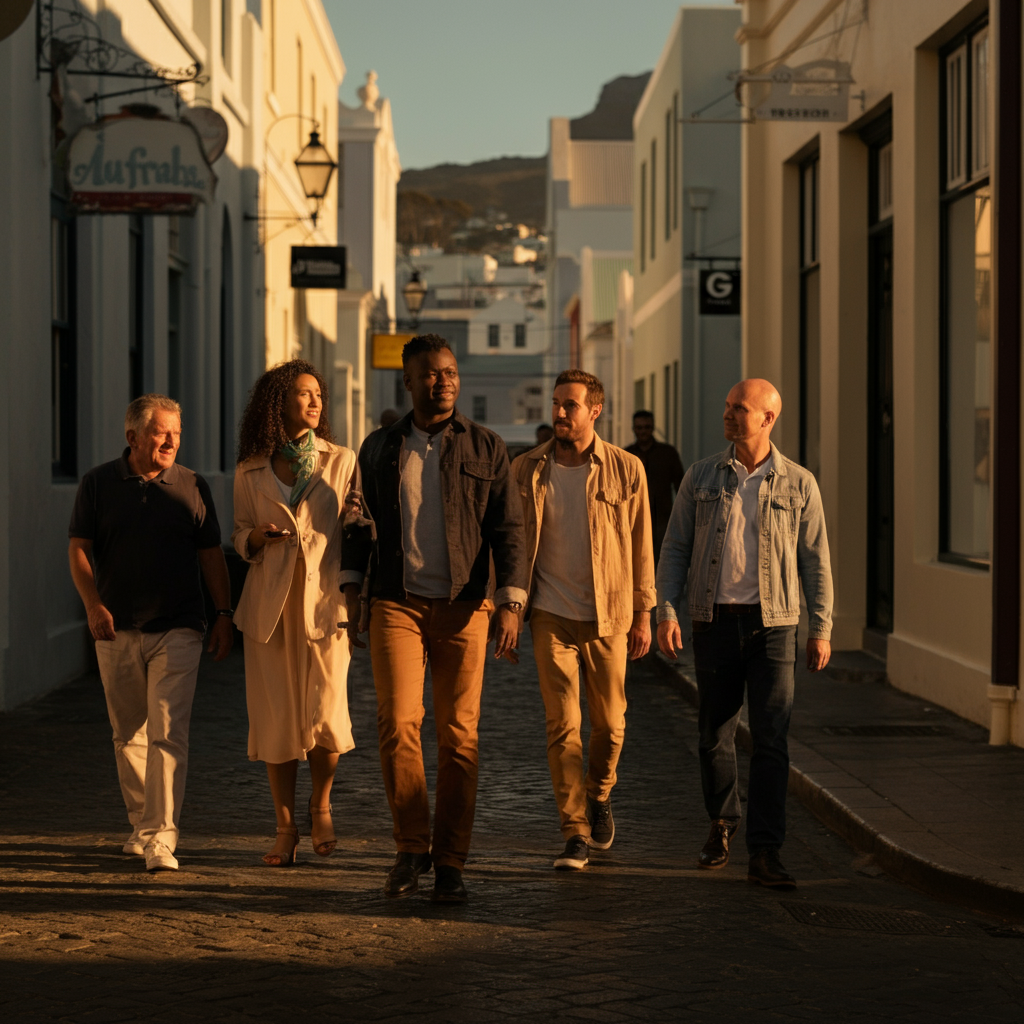
When exploring South Africa, always trust your intuition. If a situation feels uncomfortable or unsafe, remove yourself from it immediately. Safety in numbers is crucial, so consider traveling in groups whenever possible, especially in unfamiliar areas. Be aware of your surroundings, avoid walking alone at night, and stick to well-lit and populated areas. Inform someone of your travel plans and check in regularly.
Safety Considerations
Beyond booking, consider these general safety tips: * Transportation: Utilize reputable taxi services or ride-sharing apps. Avoid accepting rides from unofficial taxis or individuals offering transportation on the street. * Accommodation: Stay in well-established hotels or guesthouses with good security measures. Check reviews and ratings before booking. * Communication: Purchase a local SIM card for easy communication and access to emergency services. * Emergency Contacts: Keep a list of emergency contact numbers, including local police, ambulance, and your embassy. * Travel Insurance: Ensure you have comprehensive travel insurance that covers medical emergencies, theft, and trip cancellations.
FAQ Section
Q: Is it safe to travel alone in South Africa?
A: While solo travel is possible, it requires extra caution and planning. Stick to well-traveled areas, avoid walking alone at night, and be vigilant about your surroundings. Consider joining group tours for added security.
Q: What are some common scams to be aware of?
A: Common scams include fake police officers demanding bribes, individuals offering unsolicited assistance with luggage, and fraudulent tours or excursions. Be wary of anyone approaching you with unsolicited offers or requests for money.
Q: How can I stay connected while traveling in South Africa?
A: Purchasing a local SIM card is the most cost-effective way to stay connected. You can easily buy a SIM card at the airport or in most major cities.
Conclusion
Booking your trip to South Africa safely requires careful planning and awareness. By choosing reputable travel agencies, verifying credentials, staying vigilant at the airport, practicing common-sense safety measures, and trusting your gut instinct, you can minimize risks and maximize your enjoyment of this beautiful country. South Africa offers a wealth of incredible experiences, and with the right precautions, you can create unforgettable memories while staying safe and secure. Enjoy your adventure!