Feeling overwhelmed? Experiencing racing thoughts, a pounding heart, or sweaty palms? These are common signs of nervous system dysregulation, a state where your body's natural stress response is heightened. It's crucial to understand that you're not alone, and effective techniques exist to help you regain control and restore balance. In this comprehensive guide, we'll delve into practical, evidence-based methods you can use to regulate your nervous system and cultivate a greater sense of calm and well-being.
The nervous system acts as your body's command center, managing everything from breathing and digestion to your reactions to stress. When stress becomes chronic or overwhelming, the nervous system can become stuck in a state of hyperarousal (fight-or-flight) or hypoarousal (freeze). Regulating your nervous system involves consciously shifting out of these states and promoting a sense of safety and groundedness. The following steps provide actionable strategies to help you achieve this balance.
Learning to regulate your nervous system is an ongoing process, not a one-time fix. Be patient with yourself, experiment with different techniques, and find what works best for your individual needs and circumstances. With consistent practice, you can significantly improve your ability to manage stress, enhance your emotional resilience, and cultivate a more peaceful and balanced life.
Step 1: Ground Yourself with Your Five Senses
The "5-4-3-2-1" grounding technique is a powerful way to anchor yourself in the present moment and interrupt anxious thought patterns. This technique is particularly effective when you're feeling overwhelmed, anxious, or disconnected from your body. The key is to engage each of your senses deliberately, focusing on the details of what you're experiencing. Slowly and intentionally identify the following, either aloud or silently: five things you can see, four things you can touch, three things you can hear, two things you can smell, and one thing you can taste. This exercise pulls your attention away from internal worries and redirects it to the immediate environment, fostering a sense of stability and calm.

Step 2: Practice Deep, Diaphragmatic Breathing
Deep breathing, particularly diaphragmatic breathing (also known as "belly breathing"), is a cornerstone of nervous system regulation. Unlike shallow chest breathing, which can exacerbate anxiety, diaphragmatic breathing activates the parasympathetic nervous system, promoting relaxation and reducing heart rate. A simple and effective method is "box breathing": inhale deeply for a count of four, hold your breath for four, exhale slowly for four, and hold again for four. Repeat this cycle for several minutes, focusing on the sensation of your breath filling and emptying your lungs. Placing a hand on your stomach can help ensure you're breathing from your diaphragm, as your stomach should rise and fall with each breath.

Step 3: Engage Your Senses with Soothing Objects and Activities
Sensory stimulation can be a powerful tool for regulating your nervous system in the moment. Experiment with different objects and activities to discover what brings you a sense of comfort and calm. What works for one person may not work for another, so it's important to explore and personalize your approach. Some examples include cuddling a soft blanket or stuffed animal, touching a textured surface (like a smooth stone or a piece of velvet), using a fidget toy, drinking a comforting beverage (like herbal tea), lighting a soothing candle, listening to calming music, or looking at a picture of a loved one. The goal is to find sensory experiences that feel safe, grounding, and pleasant to you.

Step 4: Repeat a Calming Mantra or Affirmation
Mantras and affirmations can be powerful tools for shifting your mindset and calming your nervous system. When anxiety arises, our minds often jump to worst-case scenarios. Interrupt this negative thought spiral by consciously repeating a positive and reassuring phrase. One helpful mantra is: "What's the best thing that can happen?" This question encourages you to consider more optimistic possibilities and challenge your default negative thinking. Another useful mantra is: "I am safe here, right now." Use this affirmation only if you are, in fact, physically safe. The repetition of these phrases can help create a sense of inner calm and stability.

Step 5: Practice Mindful Meditation
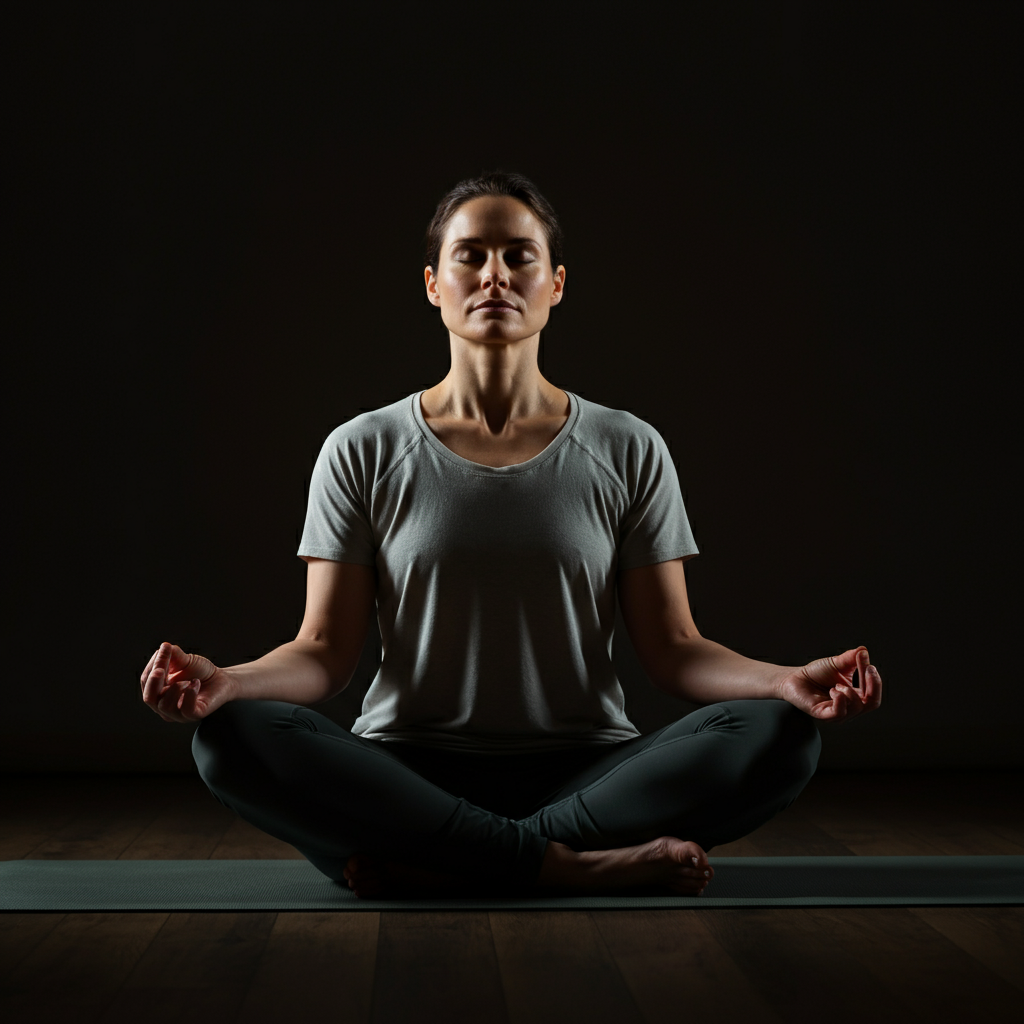
Meditation is a practice that involves training your mind to focus on the present moment, without judgment. Regular meditation can significantly improve your ability to regulate your nervous system by increasing awareness of your thoughts and emotions and fostering a sense of inner peace. Even just a few minutes of meditation each day can make a difference. Find a quiet and comfortable space, sit or lie down, and focus on your breath, a visual image, or a mantra. If your mind wanders (and it will!), gently redirect your attention back to your chosen focus. Remember that there's no right or wrong way to meditate; the goal is simply to observe your thoughts and feelings without getting carried away by them.
Step 6: Distract Yourself with Engaging Activities
Sometimes, the best way to regulate your nervous system is to take your mind off of what's bothering you. Engaging in activities that you find enjoyable and absorbing can help shift your focus and reduce feelings of anxiety and stress. The key is to choose activities that fully capture your attention and prevent your mind from wandering back to negative thoughts. This could include journaling (writing about gratitude or positive experiences), getting lost in a daydream, listening to music, reading a book, spending time in nature, or engaging in a creative hobby. Moving your body through dancing, stretching, walking, or yoga can also be incredibly effective.

Step 7: Connect with Nature
Spending time in nature has a profound calming effect on the nervous system. Studies have shown that exposure to natural environments can lower blood pressure, reduce stress hormones, and boost the immune system. Even a few minutes spent outdoors can make a significant difference. If you're unable to get outside, simply looking out a window at a natural scene or viewing images of nature online can provide a similar sense of calm. Consider changing your computer or phone wallpaper to a picture of a forest, mountains, or ocean to create a more constant connection to the natural world.

Step 8: Acknowledge and Validate Your Feelings
It's crucial to acknowledge and validate the sensations in your body, and the feelings of anxiety or panic that you're experiencing. Rather than trying to suppress or ignore these feelings, allow yourself to feel them without judgment. Recognize that your body is trying to protect you, even if its response feels overwhelming or uncomfortable. Track the physical sensations you're experiencing, such as a dry mouth, tight jaw, or clenched forehead. Identifying these sensations can help you regain a sense of control and reduce the intensity of your emotional response. Have compassion for yourself and remind yourself that these feelings are temporary and will eventually pass.

Step 9: Let Anxiety Run Its Course (Without Resisting)
This strategy might seem counterintuitive, but sometimes the most effective way to regulate your nervous system is to simply allow anxiety or panic to run its course without interfering. Resisting or fighting your anxiety can often amplify it, creating a cycle of tension and fear. Instead, try to observe your anxiety as a temporary state, like a wave that will eventually crest and recede. Avoid getting overly identified with your anxiety or enmeshed in it. This approach can help you break free from the grip of anxiety and allow your nervous system to return to a more balanced state.
Step 10: Seek Professional Help to Identify Triggers
If you experience frequent or severe nervous system dysregulation, it's important to seek professional help from a therapist or counselor. Trauma, especially early childhood trauma, can significantly impact the nervous system and make it more reactive to stress. A therapist can help you identify your nervous system triggers, understand the underlying causes of your dysregulation, and develop coping strategies that are tailored to your specific needs. They can also provide support and guidance as you work to heal from past trauma and cultivate greater emotional resilience.
Common Mistakes to Avoid
- Ignoring your body's signals: Pay attention to the physical sensations associated with nervous system dysregulation, such as a racing heart, sweaty palms, or muscle tension.
- Relying solely on quick fixes: While techniques like deep breathing and grounding can provide immediate relief, they're most effective when combined with long-term strategies like therapy and lifestyle changes.
- Being self-critical: Practice self-compassion and remember that regulating your nervous system is an ongoing process. Don't get discouraged by setbacks.
- Isolating yourself: Connecting with supportive friends, family members, or a therapist can provide valuable emotional support and reduce feelings of isolation.
Conclusion
Regulating your nervous system is an essential skill for managing stress, improving your overall well-being, and cultivating a more balanced and fulfilling life. By incorporating the techniques outlined in this guide into your daily routine, you can gain greater control over your body's stress response and develop a deeper sense of inner peace. Remember to be patient with yourself, experiment with different strategies, and seek professional help when needed. With consistent effort, you can significantly improve your ability to navigate life's challenges with greater ease and resilience.