Welcome to the definitive guide on crafting and adhering to an effective gym diet plan. Whether you're a seasoned athlete or just starting your fitness journey, nutrition plays a pivotal role in achieving your desired results. This isn't just about eating "healthy"; it's about strategically fueling your body to maximize performance, recovery, and overall well-being. A well-structured diet plan complements your gym efforts, transforming your hard work into tangible progress.
This comprehensive guide breaks down the essential steps for designing and maintaining a diet that aligns with your fitness goals, whether they involve building lean muscle mass, shedding unwanted pounds, or optimizing athletic performance. We’ll cover everything from understanding macronutrients to meal timing and preparation, ensuring you have the knowledge and tools to succeed.
Embark on this journey with us as we delve into the intricacies of nutrition for fitness. By the end of this guide, you'll be equipped with the insights and actionable strategies to create a personalized gym diet plan that fuels your success. Remember, consistency and adaptation are key. Let's begin!
Step 1: Understand the Fundamentals of Nutrition
Before diving headfirst into meal planning, it's crucial to establish a solid foundation in basic nutrition principles. This includes understanding the roles of macronutrients, the importance of calories, and the significance of micronutrients for overall health and fitness. Knowing how these elements interact within your body is essential for creating a truly effective diet plan. Macronutrients—proteins, carbohydrates, and fats—are the building blocks of your diet, each contributing differently to energy production, muscle repair, and hormone regulation. Calories represent the energy you consume, and managing your caloric intake is fundamental for weight management. Micronutrients, such as vitamins and minerals, support various bodily functions and are crucial for maintaining optimal health.

Step 2: Define Your Fitness Goals
Clarity is paramount. Before crafting any diet plan, you must precisely define your fitness goals. Are you primarily focused on building muscle mass (hypertrophy), losing weight (fat loss), or maintaining your current physique while improving overall fitness and performance? Each of these goals necessitates a different approach to macronutrient ratios and caloric intake. Set realistic, measurable, achievable, relevant, and time-bound (SMART) objectives. For example, instead of "lose weight," aim for "lose 1-2 pounds of body fat per week for the next 12 weeks." This clarity will inform your dietary choices and provide a benchmark for tracking progress.

Step 3: Calculate Your Caloric Needs and Macronutrient Ratios
Once you’ve defined your goals, determine your daily caloric needs. This can be done using online calculators that factor in your age, gender, height, weight, and activity level. However, remember these are estimates. Pay close attention to how your body responds and adjust accordingly. Next, establish your macronutrient ratios. A common starting point for muscle gain is 40% protein, 30% carbohydrates, and 30% fat, while a weight loss plan might favor a slightly higher protein intake (e.g., 45% protein, 30% carbohydrates, 25% fat) to preserve muscle mass during a calorie deficit. Adapt these ratios based on your individual needs and preferences.

Step 4: Select Nutrient-Rich Foods
The quality of your food is just as important as the quantity. Focus on selecting nutrient-dense, whole foods that provide a wide range of vitamins, minerals, and antioxidants. Prioritize lean protein sources like chicken breast, fish, tofu, and beans. Choose complex carbohydrates like whole grains, fruits, and vegetables over refined sugars and processed foods. Include healthy fats from sources like avocados, nuts, seeds, and olive oil. Variety is key to ensure you’re obtaining all the essential nutrients your body needs. Avoid overly processed foods, sugary drinks, and excessive amounts of saturated and trans fats.

Step 5: Plan Your Meals and Snacks
With your caloric needs, macronutrient ratios, and food choices in mind, it's time to create a sample meal plan. This plan should outline what you'll eat for breakfast, lunch, dinner, and snacks throughout the day. Consider your workout schedule and adjust meal timing accordingly. A pre-workout meal should provide sustained energy, while a post-workout meal should focus on replenishing glycogen stores and promoting muscle recovery. Aim for a balanced mix of protein, carbohydrates, and healthy fats in each meal. The sample meal plan below provides an example for someone aiming to build muscle.
- Breakfast: Oatmeal with protein powder and berries.
- Snack: Greek yogurt with a handful of almonds.
- Lunch: Grilled chicken salad with mixed greens and a light vinaigrette.
- Snack: Apple slices with peanut butter.
- Dinner: Lean beef stir-fry with brown rice and vegetables.

Step 6: Implement Effective Meal Timing
Meal timing can significantly impact your energy levels, workout performance, and recovery. Consume a balanced meal, containing both carbohydrates and protein, 1-3 hours before your workout to provide fuel. Immediately after your workout (within 1-2 hours), prioritize a protein-rich meal or snack to initiate muscle repair and growth. Distribute your remaining meals and snacks evenly throughout the day to maintain consistent energy levels and prevent excessive hunger. Consider consuming a casein protein shake before bed to provide a slow-releasing source of amino acids overnight. Adjust the timing of carbohydrate intake around your workouts, consuming more carbohydrates before and after training sessions.

Step 7: Stay Hydrated Throughout the Day
Hydration is often overlooked, but it is crucial for all bodily functions, including muscle function, nutrient transport, and temperature regulation. Aim to drink at least half your body weight in ounces of water each day. For example, if you weigh 150 pounds, drink at least 75 ounces of water. Increase your water intake during and after workouts to replenish fluids lost through sweat. Consider electrolyte drinks during longer or more intense training sessions to replace sodium, potassium, and other minerals lost through sweat. Monitor the color of your urine to gauge your hydration status; clear or pale yellow urine indicates adequate hydration.

Step 8: Master Meal Preparation
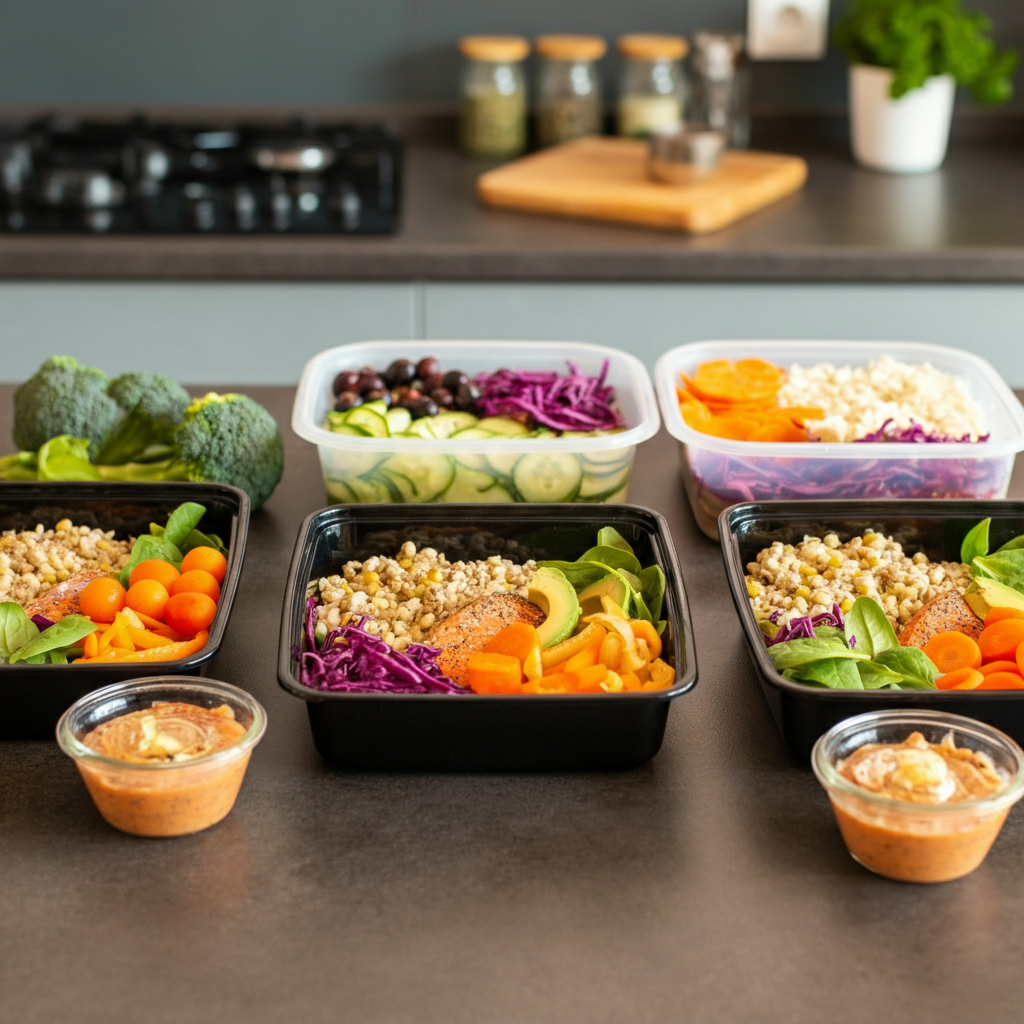
Consistent meal preparation is key to adhering to your diet plan, especially when faced with a busy schedule. Dedicate a few hours each week to preparing meals in advance. Cook large batches of protein sources, such as chicken or ground turkey, and portion them into individual containers. Chop vegetables and store them in the refrigerator for easy access. Pack your meals and snacks the night before to avoid making unhealthy choices when pressed for time. Invest in high-quality meal prep containers to keep your food fresh and organized. Explore various meal prep recipes and strategies to keep your meals interesting and prevent boredom.
Step 9: Track Your Progress and Make Adjustments
Monitoring your progress is essential for ensuring your diet plan is effective. Track your weight, body measurements, and workout performance on a regular basis. Keep a food diary to record your daily caloric intake and macronutrient ratios. This will help you identify any areas where you may be falling short. If you're not seeing the desired results, make gradual adjustments to your caloric intake or macronutrient ratios. Don't be afraid to experiment and find what works best for your body. Consult with a registered dietitian or personal trainer for personalized guidance and support.
Step 10: Be Patient and Consistent
Achieving your fitness goals takes time and effort. Don't get discouraged if you don't see results immediately. Consistency is key. Stick to your diet plan as consistently as possible, even when faced with challenges or temptations. Avoid making drastic changes to your diet, as this can be counterproductive and lead to burnout. Focus on making sustainable lifestyle changes that you can maintain long-term. Celebrate your successes along the way and remember to enjoy the process.
Common Mistakes to Avoid
- Skipping meals, especially breakfast, can lead to overeating later in the day.
- Relying on fad diets that promise quick results can be harmful and unsustainable.
- Overconsuming unhealthy snacks, such as processed foods and sugary drinks, can sabotage your progress.
- Not drinking enough water. Dehydration can impair your workout performance and overall health.
- Failing to plan and prepare meals in advance can lead to unhealthy food choices.
FAQ Section
Q: How often should I adjust my diet plan?
A: Adjustments should be made gradually and based on your progress and how your body is responding. Small tweaks every 2-4 weeks are generally recommended.
Q: Can I still eat my favorite foods while on a gym diet plan?
A: Yes, moderation is key. You can incorporate your favorite foods occasionally, but prioritize nutrient-dense options the majority of the time.
Q: Is it necessary to take supplements?
A: Supplements can be helpful, but they are not essential. Focus on obtaining nutrients from whole foods first. Consult with a healthcare professional before taking any supplements.
Q: What if I have food allergies or dietary restrictions?
A: Consult with a registered dietitian to create a diet plan that accommodates your specific needs and restrictions.
Conclusion
Following an effective gym diet plan is a critical component of achieving your fitness goals. By understanding the fundamentals of nutrition, defining your objectives, calculating your caloric needs and macronutrient ratios, selecting nutrient-rich foods, and mastering meal preparation, you can create a personalized diet plan that fuels your success. Remember to be patient, consistent, and adaptable. Consult with healthcare professionals or dietitians for personalized guidance and support. With dedication and perseverance, you can transform your body and achieve your fitness aspirations. Good luck!